All posts by Guest Contributor

Consumer credit card debt reached $650 billion in Q3 2015 — the highest level since Q4 2009.

As 2016 approaches, many people have identified their New Year’s resolutions, but the majority fail to stick to these resolutions. While 45% of people make resolutions, only 8% are successful in achieving their goals. The most common resolution types:* To increase the likelihood of keeping resolutions, experts recommend setting small, attainable goals and regularly tracking progress. *Total is higher than 100% because of multiple resolutions >> New Year's Resolution Statistics
According to PlayNetwork.com, for the first time in two decades Mariah Carey’s “All I Want For Christmas Is You” is no longer the most-played holiday song in retail stores. The list of top songs includes: Rank Artist Title 1 The Shins Wonderful Christmastime 2 Mariah Carey All I Want For Christmas Is You 3 Christina Aguilera Christmas Time 4 Waitresses Christmas Wrapping 5 Jack Johnson Someday At Christmas 6 Kelly Clarkson Underneath the Tree 7 Michael Buble A Holly Jolly Christmas 8 Bing Crosby White Chistmas 9 Train What Christmas Means To Me 10 Ella Fitzgerald Have Yourself A Merry Little Christmas >> Top 20 Songs Heard by Holiday Shoppers

Millennials, now the largest generation in the United States, are taking longer to establish credit than earlier generations of young people.

Experian data shows consumers are more confident managing their credit since the recession. The Q3 2015 Experian Market Intelligence Brief was released today featuring data that highlights consumer credit card debt has now reached its highest level since Q4 2009. Credit card debt levels reached $650 billion in Q3 2015, the highest it has been since Q4 2009 when it was $667 billion. Credit card delinquency rates on outstanding balances 60 or more days past due have decreased 71 percent during the same time period. Combining those indicators with the national unemployment rate dropping 50 percent during the same span illustrates a positive economic outlook on credit card trends among lenders and consumers. “Overall credit card limits have increased 102 percent since Q4 2009 with $82 billion originated in Q3 2015,” said Kelly Kent, vice president of Experian Decision Analytics. “The increase in limits from lenders and the steady climb in credit card debt combined with exceptional delinquency rates signals greater confidence among consumers as they are showing more assurance in managing their credit since the recession. We expect to see credit card debt increase in Q4 based on historical seasonal trends driven by the holiday shopping season especially with the early positive holiday sales as a sign.” The Q3 2015 Experian Market Intelligence Brief report is now available.

According to the latest Experian State of the Automotive Finance Market report, leases accounted for nearly 27% of all new vehicle transactions in Q3 2015, up from 24.7% the previous year and the highest percentage on record.

To improve the customer experience during the busy holiday shopping season many businesses loosen their fraud criteria.

As the electronic signature industry matures and acceptance of e-signatures increases, so does the need for more robust, flexible options in authentication.
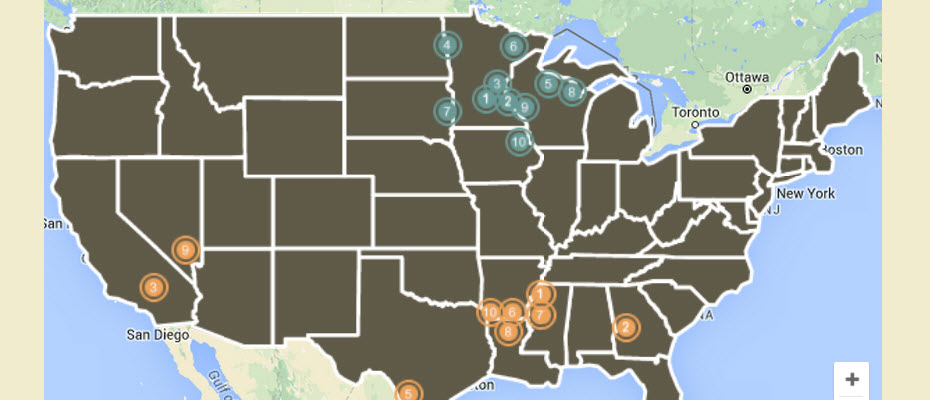
Experian® recently released the 2015 State of Credit report, which analyzes key credit metrics across the nation.

With Black Friday quickly approaching, a recent Experian study shows online Black Friday searches are already tracking ahead of last year. This October, the weekly search share for Black Friday averaged 12% higher than October 2014 and is expected to increase dramatically between now and Thanksgiving week. Top product searches for the week ending October 31, 2015 include: Marketers can design more successful campaigns and maximize rewards for both consumers and brands by staying on top of the latest search trends. >> Holiday Hot Sheet

The online marketplace lending sector’s growth is prompting regulators, raising questions about the safety of financial systems and risks associated.

According to a recent survey commissioned by VantageScore® Solutions, millennials cite being unscoreable as the main obstacle to credit access. Among the findings: One-third of millennials cannot obtain the credit they need Of those unable to obtain credit, 34% attribute it to lack of a credit score 49% of millennials agree that competition in the credit-scoring marketplace is beneficial Lenders can help this segment and open the gateway of credit by using advanced risk models that can accurately score consumers considered unscoreable by conventional risk models. >> Infographic: The Giant Credit Gap VantageScore® is a registered trademark of VantageScore Solutions, LLC.

The Responsible Business Lending Coalition, a group of nonbank small-business lenders, recently announced a regulatory program designed to bring greater clarity to the industry’s pricing and consumer protections, including: The right to transparent pricing and terms The right to non-abusive products The right to responsible underwriting The right to fair treatment from brokers The right to inclusive credit access The right to fair collection practices Industry self-regulation is a good way for market leaders to demonstrate self-discipline and is preferable to legislative or regulatory changes because of its flexibility and ability to accommodate evolving market trends. >> Webinar: Online Marketplace Lending

The themes of the game of Risk are relevant to the world of real-life fraud risk prevention. The difference is that the stakes are real and much higher.

Winning the loyalty of millennials continues to be a key area of opportunity for financial institutions.