
Identity fraud and the utility industry In the utility industry today, gaining enterprise-wide systemic control over credit risk assessment, identity verification and compliance oversight are causing many leading organizations major headaches. The ability for IT departments to modify their core legacy systems to effectively implement and support these critical functions is ever-challenging. And for the business, the inability to gain real-time access and control to these functions means slower speed to market with automated risk controls, costing the organization (and therefore rate-paying customers) tens of millions in losses annually and lost productivity in manual reviews and call center costs. In addition to the obvious financial impact, customer experience invariably suffers, negatively impacting those good paying, low-risk customers and leading to downstream issues with complaints to regulators. The ideal solution provides organizations the ability to quickly identify customers and compliance requirements, while maintaining a strong and transparent security posture for user authentication and strategic control over the complete customer life-cycle. To minimize barriers to implementation, such a solution requires a flexible, user-friendly hosted platform incorporating all the various credit and alternate data sources with reporting and industry best practice strategies available “out of the box”. While there are several types of fraud perpetrated on utilities, one common form involves the opening of an account in a legitimate consumer’s or business’s name by a fraudulent party with the service address belonging to the fraudulent party (aka the “name game”). Utility fraud may take a long time to discover, as the fraudster may have a history of making some payment, but often times leaves the organization with a significant, unpaid balance. Even after an account goes to collections for nonpayment, it can take a very long time before the fraud is confirmed. Even if consumers and businesses periodically check their credit reports, they may not be aware that accounts had been opened in their name because the accounts usually aren’t reported until they reach collections. This means utility fraud through identity theft can lead to eroding customer relationships and losses. Best Practices for Customer Identity Verification An overall compliance or identity checking program will prevent fraud losses and increase customer satisfaction. The same basic principles that apply to customer centric decisions apply here. gain knowledge of the customer through data, gain insight through specifically developed models and analytics, and make identity decisions using expert strategies. A best practice identity service will employ a customer acquisition platform like PowerCurve OnDemand to automatically acquire critical consumer and business identity authentication data, scores and analytics. Models such as Precise ID and BizID allow clients to make decisions that are tailored to these specifications. These results can be incorporated into automated accept or referral decisioning. Clients can customize these decision strategies for results based on the presence and absence of both positive and high-risk conditions. Specifically, the service helps clients to: Positively identify legitimate consumers Preserve positive consumer experiences by limiting or eliminating the need for more manual and arduous authentication processes that require more customer engagement and time Direct more intensive authentication procedures, such as knowledge-based authentication questions, only to the riskiest applicants or transactions Preserve positive customer experiences by preventing fraudulent accounts being opened in their name Detect potential fraud and reduce charge-offs FACTA and Red Flag Compliance Another advantage of using an acquisition platform like PowerCurve OnDemand is if the utility is obtaining consumer credit reports for other purposes, such as to determine a deposit amount, the platform can also perform many of the FACT Act and Red Flag checks that are required under the Fair Credit Reporting Act to limit identity theft as well. So, at the same time, the platform can help meet compliance due-diligence requirements during application and account management processes. Matching Finally, the software platform may be able to perform a “matching process” on the applicant against existing or former customers. If there is a match, this may also bring insight into whether or not an identity theft may be occurring. In Conclusion Consider a comprehensive platform that assists in identity verification process for both consumer and business accounts. Ensure it can bring in world class data, models and analytics to gain insight on the identity of the consumer or business. If applicable, leverage the platform for compliance related checks as well. The rewards in lower write offs and increased customer satisfaction should yield great results.
With more than one-third of customers interacting with a single business in five or more channels and more than 85 percent of consumers using online or mobile to conduct business, omnichannel fraud prevention has become a necessity. Implementing a layered approach to authentication and integrating device intelligence into the process to associate a consumer with a known device are critical components of a fraud mitigation strategy. In addition to providing another layer of validation, verifying a customer through his or her device makes it easier for the customer to interact with the business and is a huge benefit to the overall customer experience. Perspective paper: Protecting the customer experience – The impact of fraud on the customer relationship
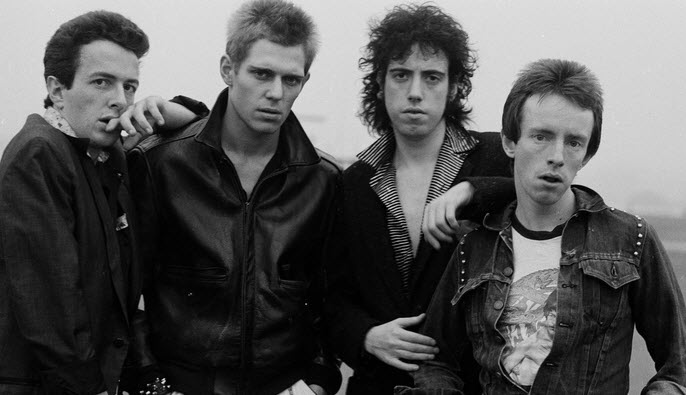
By: Mike Horrocks The other day in the American Banker, there was an article titled “Is Loan Growth a Bad Idea Right Now?”, which brings up some great questions on how banks should be looking at their C&I portfolios (or frankly any section of the overall portfolio). I have to admit I was a little down on the industry, for thinking the only way we can grow is by cutting rates or maybe making bad loans. This downer moment required that I hit my playlist shuffle and like an oracle from the past, The Clash and their hit song “Should I stay or should I go”, gave me Sage-like insights that need to be shared. First, who are you listening to for advice? While I would not recommend having all the members of The Clash on your board of directors, could you have maybe one. Ask yourself are your boards, executive management teams, loan committees, etc., all composed of the same people, with maybe the only difference being iPhone versus Android?? Get some alternative thinking in the mix. There is tons of research to show this works. Second, set you standards and stick to them. In the song, there is a part where we have a bit of a discussion that goes like this. “This indecision's buggin' me, If you don't want me, set me free. Exactly whom I'm supposed to be, Don't you know which clothes even fit me?” Set your standards and just go after them. There should be no doubt if you are going to do a certain kind of loan or not based on the pricing. Know your pricing, know your limits, and dominate that market. Lastly, remember business cycles. I am hopeful and optimistic that we will have some good growth here for a while, but there is always a down turn…always. Again from the lyrics – “If I go there will be trouble, An' if I stay it will be double” In the American Banker article, M&T Bank CFO Rene Jones called out that an unnamed competitor made a 10-year fixed $30 million dollar loan at a rate that they (M&T) just could not match. So congrats to M&T for recognizing the pricing limits and maybe congrats to the unnamed bank for maybe having some competitive advantage that allowed them to make the loan. However if there is not something like that supporting the other bank…the short term pain of explaining slower growth today may seem like nothing compared to the questioning they will get if that portfolio goes south. So in the end, I say grow – soundly. Shake things up so you open new markets or create advantages in your current market and rock the Casbah!
- List 1
- List 2
- List 3
<iframe width=”560″ height=”315″ src=”https://www.youtube.com/embed/35exOG0jSJ0?si=amHCm-pJmzhZc9TT” title=”YouTube video player” frameborder=”0″ allow=”accelerometer; autoplay; clipboard-write; encrypted-media; gyroscope; picture-in-picture; web-share” referrerpolicy=”strict-origin-when-cross-origin” allowfullscreen></iframe>
Testing the Border Radius
Changing the heading Page
Identity fraud and the utility industry In the utility industry today, gaining enterprise-wide systemic control over credit risk assessment, identity verification and compliance oversight are causing many leading organizations major headaches. The ability for IT departments to modify their core legacy systems to effectively implement and support these critical functions is ever-challenging. And for the business, the inability to gain real-time access and control to these functions means slower speed to market with automated risk controls, costing the organization (and therefore rate-paying customers) tens of millions in losses annually and lost productivity in manual reviews and call center costs. In addition to the obvious financial impact, customer experience invariably suffers, negatively impacting those good paying, low-risk customers and leading to downstream issues with complaints to regulators. The ideal solution provides organizations the ability to quickly identify customers and compliance requirements, while maintaining a strong and transparent security posture for user authentication and strategic control over the complete customer life-cycle. To minimize barriers to implementation, such a solution requires a flexible, user-friendly hosted platform incorporating all the various credit and alternate data sources with reporting and industry best practice strategies available “out of the box”. While there are several types of fraud perpetrated on utilities, one common form involves the opening of an account in a legitimate consumer’s or business’s name by a fraudulent party with the service address belonging to the fraudulent party (aka the “name game”). Utility fraud may take a long time to discover, as the fraudster may have a history of making some payment, but often times leaves the organization with a significant, unpaid balance. Even after an account goes to collections for nonpayment, it can take a very long time before the fraud is confirmed. Even if consumers and businesses periodically check their credit reports, they may not be aware that accounts had been opened in their name because the accounts usually aren’t reported until they reach collections. This means utility fraud through identity theft can lead to eroding customer relationships and losses. Best Practices for Customer Identity Verification An overall compliance or identity checking program will prevent fraud losses and increase customer satisfaction. The same basic principles that apply to customer centric decisions apply here. gain knowledge of the customer through data, gain insight through specifically developed models and analytics, and make identity decisions using expert strategies. A best practice identity service will employ a customer acquisition platform like PowerCurve OnDemand to automatically acquire critical consumer and business identity authentication data, scores and analytics. Models such as Precise ID and BizID allow clients to make decisions that are tailored to these specifications. These results can be incorporated into automated accept or referral decisioning. Clients can customize these decision strategies for results based on the presence and absence of both positive and high-risk conditions. Specifically, the service helps clients to: Positively identify legitimate consumers Preserve positive consumer experiences by limiting or eliminating the need for more manual and arduous authentication processes that require more customer engagement and time Direct more intensive authentication procedures, such as knowledge-based authentication questions, only to the riskiest applicants or transactions Preserve positive customer experiences by preventing fraudulent accounts being opened in their name Detect potential fraud and reduce charge-offs FACTA and Red Flag Compliance Another advantage of using an acquisition platform like PowerCurve OnDemand is if the utility is obtaining consumer credit reports for other purposes, such as to determine a deposit amount, the platform can also perform many of the FACT Act and Red Flag checks that are required under the Fair Credit Reporting Act to limit identity theft as well. So, at the same time, the platform can help meet compliance due-diligence requirements during application and account management processes. Matching Finally, the software platform may be able to perform a “matching process” on the applicant against existing or former customers. If there is a match, this may also bring insight into whether or not an identity theft may be occurring. In Conclusion Consider a comprehensive platform that assists in identity verification process for both consumer and business accounts. Ensure it can bring in world class data, models and analytics to gain insight on the identity of the consumer or business. If applicable, leverage the platform for compliance related checks as well. The rewards in lower write offs and increased customer satisfaction should yield great results.
With more than one-third of customers interacting with a single business in five or more channels and more than 85 percent of consumers using online or mobile to conduct business, omnichannel fraud prevention has become a necessity. Implementing a layered approach to authentication and integrating device intelligence into the process to associate a consumer with a known device are critical components of a fraud mitigation strategy. In addition to providing another layer of validation, verifying a customer through his or her device makes it easier for the customer to interact with the business and is a huge benefit to the overall customer experience. Perspective paper: Protecting the customer experience – The impact of fraud on the customer relationship
By: Mike Horrocks The other day in the American Banker, there was an article titled “Is Loan Growth a Bad Idea Right Now?”, which brings up some great questions on how banks should be looking at their C&I portfolios (or frankly any section of the overall portfolio). I have to admit I was a little down on the industry, for thinking the only way we can grow is by cutting rates or maybe making bad loans. This downer moment required that I hit my playlist shuffle and like an oracle from the past, The Clash and their hit song “Should I stay or should I go”, gave me Sage-like insights that need to be shared. First, who are you listening to for advice? While I would not recommend having all the members of The Clash on your board of directors, could you have maybe one. Ask yourself are your boards, executive management teams, loan committees, etc., all composed of the same people, with maybe the only difference being iPhone versus Android?? Get some alternative thinking in the mix. There is tons of research to show this works. Second, set you standards and stick to them. In the song, there is a part where we have a bit of a discussion that goes like this. “This indecision's buggin' me, If you don't want me, set me free. Exactly whom I'm supposed to be, Don't you know which clothes even fit me?” Set your standards and just go after them. There should be no doubt if you are going to do a certain kind of loan or not based on the pricing. Know your pricing, know your limits, and dominate that market. Lastly, remember business cycles. I am hopeful and optimistic that we will have some good growth here for a while, but there is always a down turn…always. Again from the lyrics – “If I go there will be trouble, An' if I stay it will be double” In the American Banker article, M&T Bank CFO Rene Jones called out that an unnamed competitor made a 10-year fixed $30 million dollar loan at a rate that they (M&T) just could not match. So congrats to M&T for recognizing the pricing limits and maybe congrats to the unnamed bank for maybe having some competitive advantage that allowed them to make the loan. However if there is not something like that supporting the other bank…the short term pain of explaining slower growth today may seem like nothing compared to the questioning they will get if that portfolio goes south. So in the end, I say grow – soundly. Shake things up so you open new markets or create advantages in your current market and rock the Casbah!