
When we think about fraud prevention, naturally we think about mininizing fraud at application. We want to ensure that the identities used in the application truly belong to the person who applies for credit, and not from some stolen identities. But the reality is that some fraudsters do successfully get through the defense at application. In fact, according to Javelin’s 2011 Identity Fraud Survey Report, 2.5 million accounts were opened fraudulently using stolen identities in 2010, costing lenders and consumers $17 billion. And these numbers do not even include other existing account fraud like account takeover and impersonation (limited misusing of account like credit/debit card and balance transfer, etc.). This type of existing account fraud affected 5.5 million accounts in 2010, costing another $20 billion. So although it may seem like a no brainer, it’s worth emphasizing that we need to continue to detect fraud for new and established accounts. Existing account fraud is unlikely to go away any time soon. Lending activities have changed significantly in the last couple of years. Origination rate in 2010 is still less than half of the volume in 2008, and booked accounts become riskier. In this type of environment, when regular consumers are having hard time getting new credits, fraudsters are also having hard time getting credit. So naturally they will switch their focus to something more profitable like account takeover. Does your organization have appropriate tools and decisioning strategy to fight against existing account fraud?
Many compliance regulations such the Red Flags Rule, USA Patriot Act, and ESIGN require specific identity elements to be verified and specific high risk conditions to be detected. However, there is still much variance in how individual institutions reconcile referrals generated from the detection of high risk conditions and/or the absence of identity element verification. With this in mind, risk-based authentication, (defined in this context as the “holistic assessment of a consumer and transaction with the end goal of applying the right authentication and decisioning treatment at the right time") offers institutions a viable strategy for balancing the following competing forces and pressures: Compliance – the need to ensure each transaction is approved only when compliance requirements are met; Approval rates – the need to meet business goals in the booking of new accounts and the facilitation of existing account transactions; Risk mitigation – the need to minimize fraud exposure at the account and transaction level. A flexibly-designed risk-based authentication strategy incorporates a robust breadth of data assets, detailed results, granular information, targeted analytics and automated decisioning. This allows an institution to strike a harmonious balance (or at least something close to that) between the needs to remain compliant, while approving the vast majority of applications or customer transactions and, oh yeah, minimizing fraud and credit risk exposure and credit risk modeling. Sole reliance on binary assessment of the presence or absence of high risk conditions and identity element verifications will, more often than not, create an operational process that is overburdened by manual referral queues. There is also an unnecessary proportion of viable consumers unable to be serviced by your business. Use of analytically sound risk assessments and objective and consistent decisioning strategies will provide opportunities to calibrate your process to meet today’s pressures and adjust to tomorrow’s as well.
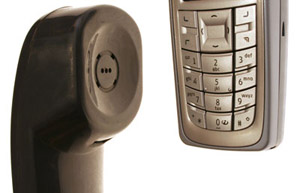
Cell phone use on the rise A Wikipedia list of cell phone usage by country showed that as of December 2009, the U.S. had nearly 286 million cell phones in use. In parallel, a recent National Center for Health Statistics study found that one in every seven homes surveyed received all or almost all their calls on cell phones, even though they had a landline. Study results further indicated, one in four homes in the U.S. relied solely on cell phones. This statistic highlights these households had no land line at all during the last half of 2009. Since this time, the number of households that fall within this category have increased 1.8 percent. Implications for communications companies The increasing use of cell phones, coupled with the decreasing use of landlines, raises some very important concerns for communications companies: The physical address on file may not be accurate, since consumers can keep the same number as they jump providers. The increased use of pre-paid cell phones shines a new light on the growing issue that contact numbers are not a consistent means of reaching the consumer. These two issues make locating cell phone-only customers for purposes of cross-selling and/or collections an enormous challenge. It would certainly make everyone’s job easier if cell phone providers were willing to share their customer data with a directory assistance provider. The problem is, doing so, exposes them to attacks from their competition and since provider churn rate concerns are at an all-time high, can you really blame them? Identifying potentially risky customers, among cell phone-only consumers, becomes more difficult. Perfectly good customers may no longer use a landline. From a marketing point of view, calling cell phones for a sales pitch is not allowed, how then do you reach your prospects? What concerns you? Certainly, this list is by no means complete. The concerns above warrant further discussion in future blog posts. I want to know what concerns you most when it comes to the rise in cell phone-only consumers. This feedback will allow me to gear future posts to better address your concerns.
- List 1
- List 2
- List 3
<iframe width=”560″ height=”315″ src=”https://www.youtube.com/embed/35exOG0jSJ0?si=amHCm-pJmzhZc9TT” title=”YouTube video player” frameborder=”0″ allow=”accelerometer; autoplay; clipboard-write; encrypted-media; gyroscope; picture-in-picture; web-share” referrerpolicy=”strict-origin-when-cross-origin” allowfullscreen></iframe>
Testing the Border Radius
Changing the heading Page
When we think about fraud prevention, naturally we think about mininizing fraud at application. We want to ensure that the identities used in the application truly belong to the person who applies for credit, and not from some stolen identities. But the reality is that some fraudsters do successfully get through the defense at application. In fact, according to Javelin’s 2011 Identity Fraud Survey Report, 2.5 million accounts were opened fraudulently using stolen identities in 2010, costing lenders and consumers $17 billion. And these numbers do not even include other existing account fraud like account takeover and impersonation (limited misusing of account like credit/debit card and balance transfer, etc.). This type of existing account fraud affected 5.5 million accounts in 2010, costing another $20 billion. So although it may seem like a no brainer, it’s worth emphasizing that we need to continue to detect fraud for new and established accounts. Existing account fraud is unlikely to go away any time soon. Lending activities have changed significantly in the last couple of years. Origination rate in 2010 is still less than half of the volume in 2008, and booked accounts become riskier. In this type of environment, when regular consumers are having hard time getting new credits, fraudsters are also having hard time getting credit. So naturally they will switch their focus to something more profitable like account takeover. Does your organization have appropriate tools and decisioning strategy to fight against existing account fraud?
Many compliance regulations such the Red Flags Rule, USA Patriot Act, and ESIGN require specific identity elements to be verified and specific high risk conditions to be detected. However, there is still much variance in how individual institutions reconcile referrals generated from the detection of high risk conditions and/or the absence of identity element verification. With this in mind, risk-based authentication, (defined in this context as the “holistic assessment of a consumer and transaction with the end goal of applying the right authentication and decisioning treatment at the right time") offers institutions a viable strategy for balancing the following competing forces and pressures: Compliance – the need to ensure each transaction is approved only when compliance requirements are met; Approval rates – the need to meet business goals in the booking of new accounts and the facilitation of existing account transactions; Risk mitigation – the need to minimize fraud exposure at the account and transaction level. A flexibly-designed risk-based authentication strategy incorporates a robust breadth of data assets, detailed results, granular information, targeted analytics and automated decisioning. This allows an institution to strike a harmonious balance (or at least something close to that) between the needs to remain compliant, while approving the vast majority of applications or customer transactions and, oh yeah, minimizing fraud and credit risk exposure and credit risk modeling. Sole reliance on binary assessment of the presence or absence of high risk conditions and identity element verifications will, more often than not, create an operational process that is overburdened by manual referral queues. There is also an unnecessary proportion of viable consumers unable to be serviced by your business. Use of analytically sound risk assessments and objective and consistent decisioning strategies will provide opportunities to calibrate your process to meet today’s pressures and adjust to tomorrow’s as well.
Cell phone use on the rise A Wikipedia list of cell phone usage by country showed that as of December 2009, the U.S. had nearly 286 million cell phones in use. In parallel, a recent National Center for Health Statistics study found that one in every seven homes surveyed received all or almost all their calls on cell phones, even though they had a landline. Study results further indicated, one in four homes in the U.S. relied solely on cell phones. This statistic highlights these households had no land line at all during the last half of 2009. Since this time, the number of households that fall within this category have increased 1.8 percent. Implications for communications companies The increasing use of cell phones, coupled with the decreasing use of landlines, raises some very important concerns for communications companies: The physical address on file may not be accurate, since consumers can keep the same number as they jump providers. The increased use of pre-paid cell phones shines a new light on the growing issue that contact numbers are not a consistent means of reaching the consumer. These two issues make locating cell phone-only customers for purposes of cross-selling and/or collections an enormous challenge. It would certainly make everyone’s job easier if cell phone providers were willing to share their customer data with a directory assistance provider. The problem is, doing so, exposes them to attacks from their competition and since provider churn rate concerns are at an all-time high, can you really blame them? Identifying potentially risky customers, among cell phone-only consumers, becomes more difficult. Perfectly good customers may no longer use a landline. From a marketing point of view, calling cell phones for a sales pitch is not allowed, how then do you reach your prospects? What concerns you? Certainly, this list is by no means complete. The concerns above warrant further discussion in future blog posts. I want to know what concerns you most when it comes to the rise in cell phone-only consumers. This feedback will allow me to gear future posts to better address your concerns.