Financial Solutions
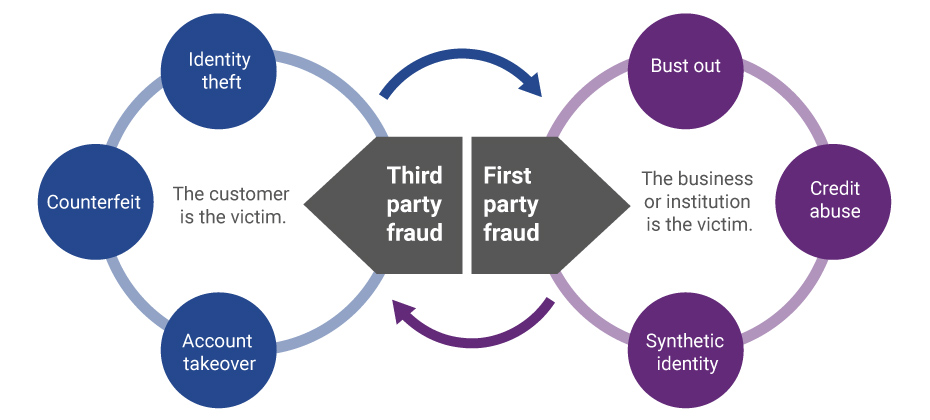
Third-party and first-party schemes are now interchangeable, and traditional fraud detection practices are less effective in fighting these evolving fraud types.

As more collectors transition from "dialing for dollars" to digital solutions, they are seeing early results and success with virtual negotiation tools.
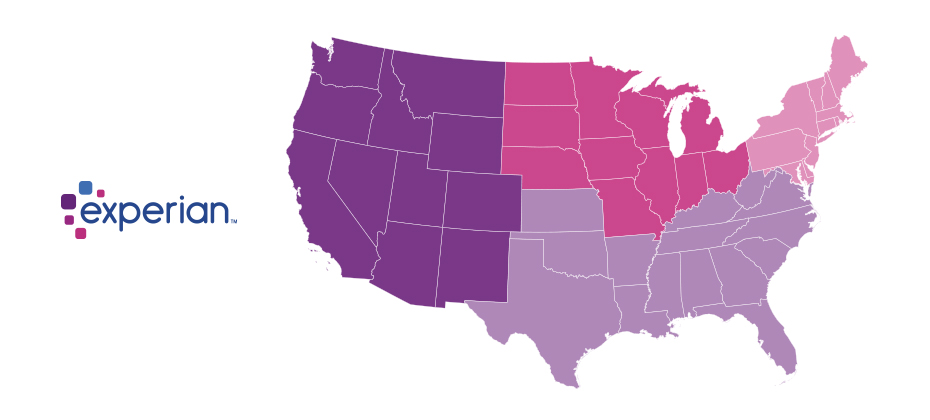
We recently analyzed millions of online transactions from the first half of 2017 to identify fraud attack rates. Here are the top 3 riskiest states for e-commerce billing and shipping fraud for H1 2017

All communities are impacted by the contributions of Hispanics, and now is the time for FIs to reflect upon their largest growth opportunity.

APIs--Application Programming Interfaces--are the hidden backbone of our modern world which allow software programs to communicate with one another.
With minimal risk and high reward at stake, e-commerce fraud attacks have increased dramatically over the last few years, with no signs of slowing down.

Many clients use the same debt collection strategy they’ve used for years never considering the customer experience for the debtor

In Experian’s latest State of Student Lending report, we dive into how the $1.4 trillion in student loan debt for Americans is impacting all generations in regards to credit scores, debt load and delinquencies.

With today's digital identity, how do you know you’re interacting with a legitimate individual rather than an imposter?

Many institutions take a “leap of faith” when it comes to developing prospecting strategies as it pertains to credit marketing. How can a data-driven approach help?

Historical data that illustrates lower credit card use and increases in payments is key to finding consumers whose credit trajectory is improving.

Financial health means more than just having a great credit score or money in a savings account. It includes being able to manage daily finances, save for the future and weather a financial shock.

Student loan debt — outstanding debt grew 21 percent since 2013 to reach a high of $1.49 trillion in the fourth quarter of 2016.

Generation Z makes up 1/4 of the US population. By 2020, they’ll account for 40% of all consumers. The oldest members are coming of age.

Mandatory updates to data reporting and collections procedures have been announced and implemented. Have you made the required changes?