Tag: identity theft

Fraud/cybersecurity are two of the biggest risks challenging organizations and economy. Fraud industry has $500B billion in estimated losses annually
Experian is recognized as a leading security solution provider for fraud and identity solutions in order to protect customers and financial institutions

Unfortunately, identity theft can happen to anyone and has far-reaching consequences for its victims. According to the US Department of Justice (DOJ)’s most recent study, 17.6 million people in the US experience some form of identity theft each year. This includes activities such as fraudulent credit card transactions or personal information being used to open unauthorized accounts. The most obvious consequence that identity theft victims encounter is financial loss, which comes in two forms: direct and indirect. Direct financial loss refers to the amount of money stolen or misused by the identity theft offender. Indirect financial loss includes any outside costs associated with identity theft, like legal fees or overdraft charges. The DOJ’s study found that victims experienced a combined average loss of $1,343. In total, identity theft victims lost a whopping $15.4 billion in 2014. Beyond money lost, identity theft can negatively impact credit scores. While credit card companies detect a majority of credit card fraud cases, the rest can go undetected for extended periods of time. A criminal’s delinquent payments, cash loans, or even foreclosures slowly manifest into weakened credit scores. Victims often only discover the problem when they are denied for a loan or credit card application. Last year, Experian found that these types of fraud take the longest time to resolve. Identity theft doesn’t just impact victims financially; it also often takes a significant emotional toll. A survey from the Identity Theft Research Center found that 69 percent felt fear for their personal financial security, and 65 percent felt rage or anger. And, almost 40 percent reported some sleep disruption. These feelings increased over time when victims were unable to settle the issue on their own, according to the report, which can result in problem as work or school, and add stress to relationships with friends and family. Thankfully, consumers are getting smarter about the best ways to protect their information, like using monitoring services or following security best practices. How are you protecting yourself against identity theft? Learn more about our Identity Protection Services

Minimize identity fraud risk, increase customer engagement & provide a good customer experience by shifting to an ID relationship management strategy
A recent Experian study reveals that tax filing, document collection and refund processing are done online more often, yet only 6% of consumers file taxes on a computer with up-to-date antivirus software. 79% filed their most recent tax return online, up from 73% in 2011 18% scan and save their tax documents electronically, up from 6% in 2011 More than 75% of respondents have used EFT for tax refunds As electronic filing continues to grow, identity theft is likely to increase. While consumers should take steps to protect themselves, businesses also need to employ identity theft protection solutions to safeguard consumer information. >> Identify and prevent fraud

A recent Experian survey shows a growing concern over identity theft and tax fraud. 42% of consumers are concerned that someone could access their personal data through their tax return, compared with 35% in 2014 and 38% in 2015 28% of consumers have been a victim or know someone who has been a victim of tax fraud Tax season is a busy time of year for identity thieves. While consumers should take steps to protect themselves, businesses also need to employ ID theft protection solutions in order to safeguard consumer information. >> Identify and prevent multiple types of fraud

Thanks to a recent announcement from the Internal Revenue Service, identity theft protection will now be considered a non-taxable benefit.

What is the true fraud cost? We must be vigilant and keep our acceptable fraud rate at zero

A recent Experian survey found that while consumers are getting better about protecting their information on a regular basis, many do not take the same precautions when traveling. According to the survey, 1 in 5 consumers has had an item with sensitive information lost or stolen while traveling, and 39% have experienced identity theft while traveling or know someone who has. Organizations can protect themselves and customers by using innovative fraud-detection tools designed to reduce potential losses while preserving the customer experience. >> Video: The reputational impact of fraud and identity theft
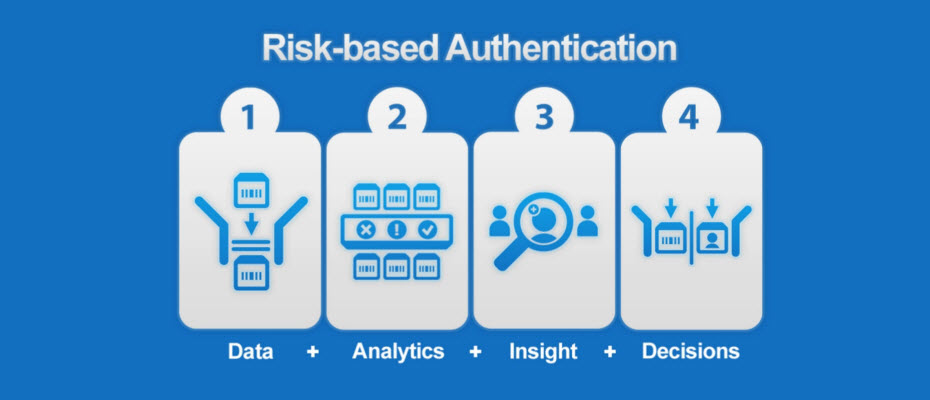
Apple Pay fraud solution Apple Pay is here and so are increased fraud exposures, confirmed losses, and customer experience challenges among card issuers. The exposure associated with the provisioning of credit and debit cards to the Apple Pay application was in time expected as fraudsters are the first group to find weaknesses. Evidence from issuers and analyst reports points to fraud as the result of established credit/debit cards compromised through data breaches or other means that are being enrolled into Apple Pay accounts – and being used to make large value purchases at large merchants. Keir Breitenfeld, our vice president of Fraud and Identity solutions said as much in a recent PYMNTS.com story where he was quoted about whether the Apple Watch will help grown Apple Pay. The challenge is that card issuers have no real controls over the provisioning or enrollment process so they currently only have an opportunity to authenticate their cardholder, but not the provisioning device. Fraud exposure can lie within call centers and online existing customer treatment channels due to: Identity theft and account takeover based on breach activity. Use of counterfeit or breached card data. Call center authentication process inadequacies. Capacity and customer experience pressures driving human error or subjectively lax due diligence. Existing customer/account authentication practices not tuned to this emerging scheme and level of risk. The good news is that positive improvements have been proven with bolstering risk-based authentication at the card provisioning process points by comparing the inbound provisioning device to the device that is on file for the cardholder account. This, in combination with traditional identity risk analytics, verifications, knowledge-based authentication, and holistic decisioning policies vastly improve the view afforded to card issuers for layered process point decisioning. Learn more on why emerging channels, like mobile payments, call for advanced fraud identification techniques.
Listen to what Matt Lane, says about the reputational impact of fraud theft on an organization

In today’s increasingly digital world, it can be difficult for consumers to understand the value of their personal data.
A recent survey reveals that 30 percent of travelers have experienced identity theft while traveling or know someone who has.

More than 16 percent of sex offenders attempt to avoid mandatory monitoring by manipulating their identity.
2011 was the 12th consecutive year that identity theft topped the list of FTC consumer complaints. Florida had the highest rate of complaints, followed by Georgia and California. Rank State Complaints per 100,000 population 1 Florida 179 2 Georgia 120 3 California 104 Learn how to detect and manage fraud activity while meeting regulatory requirements. Source: Consumer info.com infographic and FTC's Consumer Sentinel Network Data Book for January-December 2011.