
In this article…
Lorem ipsum dolor sit amet, consectetur adipiscing elit. Phasellus at nisl nunc. Sed et nunc a erat vestibulum faucibus. Sed fermentum placerat mi aliquet vulputate. In hac habitasse platea dictumst. Maecenas ante dolor, venenatis vitae neque pulvinar, gravida gravida quam. Phasellus tempor rhoncus ante, ac viverra justo scelerisque at. Sed sollicitudin elit vitae est lobortis luctus. Mauris vel ex at metus cursus vestibulum lobortis cursus quam. Donec egestas cursus ex quis molestie. Mauris vel porttitor sapien. Curabitur tempor velit nulla, in tempor enim lacinia vitae. Sed cursus nunc nec auctor aliquam. Morbi fermentum, nisl nec pulvinar dapibus, lectus justo commodo lectus, eu interdum dolor metus et risus. Vivamus bibendum dolor tellus, ut efficitur nibh porttitor nec.
Pellentesque habitant morbi tristique senectus et netus et malesuada fames ac turpis egestas. Maecenas facilisis pellentesque urna, et porta risus ornare id. Morbi augue sem, finibus quis turpis vitae, lobortis malesuada erat. Nullam vehicula rutrum urna et rutrum. Mauris convallis ac quam eget ornare. Nunc pellentesque risus dapibus nibh auctor tempor. Nulla neque tortor, feugiat in aliquet eget, tempus eget justo. Praesent vehicula aliquet tellus, ac bibendum tortor ullamcorper sit amet. Pellentesque tempus lacus eget aliquet euismod. Nam quis sapien metus. Nam eu interdum orci. Sed consequat, lectus quis interdum placerat, purus leo venenatis mi, ut ullamcorper dui lorem sit amet nunc. Donec semper suscipit quam eu blandit. Sed quis maximus metus. Nullam efficitur efficitur viverra. Curabitur egestas eu arcu in cursus.
H1
H2
H3
H4
Lorem ipsum dolor sit amet, consectetur adipiscing elit. Vestibulum dapibus ullamcorper ex, sed congue massa. Duis at fringilla nisi. Aenean eu nibh vitae quam auctor ultrices. Donec consequat mattis viverra. Morbi sed egestas ante. Vivamus ornare nulla sapien. Integer mollis semper egestas. Cras vehicula erat eu ligula commodo vestibulum. Fusce at pulvinar urna, ut iaculis eros. Pellentesque volutpat leo non dui aliquet, sagittis auctor tellus accumsan. Curabitur nibh mauris, placerat sed pulvinar in, ullamcorper non nunc. Praesent id imperdiet lorem.
H5
Curabitur id purus est. Fusce porttitor tortor ut ante volutpat egestas. Quisque imperdiet lobortis justo, ac vulputate eros imperdiet ut. Phasellus erat urna, pulvinar id turpis sit amet, aliquet dictum metus. Fusce et dapibus ipsum, at lacinia purus. Vestibulum euismod lectus quis ex porta, eget elementum elit fermentum. Sed semper convallis urna, at ultrices nibh euismod eu. Cras ultrices sem quis arcu fermentum viverra. Nullam hendrerit venenatis orci, id dictum leo elementum et. Sed mattis facilisis lectus ac laoreet. Nam a turpis mattis, egestas augue eu, faucibus ex. Integer pulvinar ut risus id auctor. Sed in mauris convallis, interdum mi non, sodales lorem. Praesent dignissim libero ligula, eu mattis nibh convallis a. Nunc pulvinar venenatis leo, ac rhoncus eros euismod sed. Quisque vulputate faucibus elit, vitae varius arcu congue et.
Ut convallis cursus dictum. In hac habitasse platea dictumst. Ut eleifend eget erat vitae tempor. Nam tempus pulvinar dui, ac auctor augue pharetra nec. Sed magna augue, interdum a gravida ac, lacinia quis erat. Pellentesque fermentum in enim at tempor. Proin suscipit, odio ut lobortis semper, est dolor maximus elit, ac fringilla lorem ex eu mauris.
- Phasellus vitae elit et dui fermentum ornare. Vestibulum non odio nec nulla accumsan feugiat nec eu nibh. Cras tincidunt sem sed lacinia mollis. Vivamus augue justo, placerat vel euismod vitae, feugiat at sapien. Maecenas sed blandit dolor. Maecenas vel mauris arcu. Morbi id ligula congue, feugiat nisl nec, vulputate purus. Nunc nec aliquet tortor. Maecenas interdum lectus a hendrerit tristique. Ut sit amet feugiat velit.
- Test
- Yes

Updated November 17th Related Posts Link to automotive form, business form

As Valentine’s Day approaches, hearts will melt, but some will inevitably be broken by romance scams. This season of love creates an opportune moment for scammers to prey on individuals feeling lonely or seeking connection. Financial institutions should take this time to warn customers about the heightened risks and encourage vigilance against fraud. In a tale as heart-wrenching as it is cautionary, a French woman named Anne was conned out of nearly $855,000 in a romance scam that lasted over a year. Believing she was communicating with Hollywood star Brad Pitt; Anne was manipulated by scammers who leveraged AI technology to impersonate the actor convincingly. Personalized messages, fabricated photos, and elaborate lies about financial needs made the scam seem credible. Anne’s story, though extreme, highlights the alarming prevalence and sophistication of romance scams in today’s digital age. According to the Federal Trade Commission (FTC), nearly 70,000 Americans reported romance scams in 2022, with losses totaling $1.3 billion—an average of $4,400 per victim. These scams, which play on victims’ emotions, are becoming increasingly common and devastating, targeting individuals of all ages and backgrounds. Financial institutions have a crucial role in protecting their customers from these schemes. The lifecycle of a romance scam Romance scams follow a consistent pattern: Feigned connection: Scammers create fake profiles on social media or dating platforms using attractive photos and minimal personal details. Building trust: Through lavish compliments, romantic conversations, and fabricated sob stories, scammers forge emotional bonds with their targets. Initial financial request: Once trust is established, the scammer asks for small financial favors, often citing emergencies. Escalation: Requests grow larger, with claims of dire situations such as medical emergencies or legal troubles. Disappearance: After draining the victim’s funds, the scammer vanishes, leaving emotional and financial devastation in their wake. Lloyds Banking Group reports that men made up 52% of romance scam victims in 2023, though women lost more on average (£9,083 vs. £5,145). Individuals aged 55-64 were the most susceptible, while those aged 65-74 faced the largest losses, averaging £13,123 per person. Techniques scammers use Romance scammers are experts in manipulation. Common tactics include: Fabricated sob stories: Claims of illness, injury, or imprisonment. Investment opportunities: Offers to “teach” victims about investing. Military or overseas scenarios: Excuses for avoiding in-person meetings. Gift and delivery scams: Requests for money to cover fake customs fees. How financial institutions can help Banks and financial institutions are on the frontlines of combating romance scams. By leveraging technology and adopting proactive measures, they can intercept fraud before it causes irreparable harm. 1. Customer education and awareness Conduct awareness campaigns to educate clients about common scam tactics. Provide tips on recognizing fake profiles and unsolicited requests. Share real-life stories, like Anne’s, to highlight the risks. 2. Advanced data capture solutions Implement systems that gather and analyze real-time customer data, such as IP addresses, browsing history, and device usage patterns. Use behavioral analytics to detect anomalies in customer actions, such as hesitation or rushed transactions, which may indicate stress or coercion. 3. AI and machine learning Utilize AI-driven tools to analyze vast datasets and identify suspicious patterns. Deploy daily adaptive models to keep up with emerging fraud trends. 4. Real-time fraud interception Establish rules and alerts to flag unusual transactions. Intervene with personalized messages before transfers occur, asking “Do you know and trust this person?” Block transactions if fraud is suspected, ensuring customers’ funds are secure. Collaborating for greater impact Financial institutions cannot combat romance scams alone. Partnerships with social media platforms, AI companies, and law enforcement are essential. Social media companies must shut down fake profiles proactively, while regulatory frameworks should enable banks to share information about at-risk customers. Conclusion Romance scams exploit the most vulnerable aspects of human nature: the desire for love and connection. Stories like Anne’s underscore the emotional and financial toll these scams take on victims. However, with robust technological solutions and proactive measures, financial institutions can play a pivotal role in protecting their customers. By staying ahead of fraud trends and educating clients, banks can ensure that the pursuit of love remains a source of joy, not heartbreak. Learn more

As data breaches become an ever-growing threat to businesses, the role of employees in maintaining cybersecurity has never been more critical. Did you know that 82% of data breaches involve the human element1 , such as phishing, stolen credentials, or social engineering tactics? These statistics reveal a direct connection between employee identity theft and business vulnerabilities. In this blog, we’ll explore why protecting your employees’ identities is essential to reducing data breach risk, how employee-focused identity protection programs, and specifically employee identity protection, improve both cybersecurity and employee engagement, and how businesses can implement comprehensive solutions to safeguard sensitive data and enhance overall workforce well-being. The Rising Challenge: Data Breaches and Employee Identity Theft The past few years have seen an exponential rise in data breaches. According to the Identity Theft Resource Center, there were 1,571 data compromises in the first half of 2024, impacting more than 1.1 billion individuals – a 490% increase year over year2. A staggering proportion of these breaches originated from compromised employee credentials or phishing attacks. Explore Experian's Employee Benefits Solutions The Link Between Employee Identity Theft and Cybersecurity Risks Phishing and Social EngineeringPhishing attacks remain one of the top strategies used by cybercriminals. These attacks often target employees by exploiting personal information stolen through identity theft. For example, a cybercriminal who gains access to an employee's compromised email or social accounts can use this information to craft realistic phishing messages, tricking them into divulging sensitive company credentials. Compromised Credentials as Entry PointsCompromised employee credentials were responsible for 16% of breaches and were the costliest attack vector, averaging $4.5 million per breach3. When an employee’s identity is stolen, it can give hackers a direct line to your company’s network, jeopardizing sensitive data and infrastructure. The Cost of DowntimeBeyond the financial impact, data breaches disrupt operations, erode customer trust, and harm your brand. For businesses, the average downtime from a breach can last several weeks – time that could otherwise be spent growing revenue and serving clients. Why Businesses Need to Prioritize Employee Identity Protection Protecting employee identities isn’t just a personal benefit – it’s a strategic business decision. Here are three reasons why identity protection for employees is essential to your cybersecurity strategy: 1. Mitigate Human Risk in Cybersecurity Employee mistakes, often resulting from phishing scams or misuse of credentials, are a leading cause of breaches. By equipping employees with identity protection services, businesses can significantly reduce the likelihood of stolen information being exploited by fraudsters and cybercriminals. 2. Boost Employee Engagement and Financial Wellness Providing identity protection as part of an employee benefits package signals that you value your workforce’s security and well-being. Beyond cybersecurity, offering such protections can enhance employee loyalty, reduce stress, and improve productivity. Employers who pair identity protection with financial wellness tools can empower employees to monitor their credit, secure their finances, and protect against fraud, all of which contribute to a more engaged workforce. 3. Enhance Your Brand Reputation A company’s cybersecurity practices are increasingly scrutinized by customers, stakeholders, and regulators. When you demonstrate that you prioritize not just protecting your business, but also safeguarding your employees’ identities, you position your brand as a leader in security and trustworthiness. Practical Strategies to Protect Employee Identities and Reduce Data Breach Risk How can businesses take actionable steps to mitigate risks and protect their employees? Here are some best practices: Offer Comprehensive Identity Protection Solutions A robust identity protection program should include: Real-time monitoring for identity theft Alerts for suspicious activity on personal accounts Data and device protection to protect personal information and devices from identity theft, hacking and other online threats Fraud resolution services for affected employees Credit monitoring and financial wellness tools Leading providers like Experian offer customizable employee benefits packages that provide proactive identity protection, empowering employees to detect and resolve potential risks before they escalate. Invest in Employee Education and Training Cybersecurity is only as strong as your least-informed employee. Provide regular training sessions and provide resources to help employees recognize phishing scams, understand the importance of password hygiene, and learn how to avoid oversharing personal data online. Implement Multi-Factor Authentication (MFA) MFA adds an extra layer of security, requiring employees to verify their identity using multiple credentials before accessing sensitive systems. This can drastically reduce the risk of compromised credentials being misused. Partner with a Trusted Identity Protection Provider Experian’s suite of employee benefits solutions combines identity protection with financial wellness tools, helping your employees stay secure while also boosting their financial confidence. Only Experian can offer these integrated solutions with unparalleled expertise in both identity protection and credit monitoring. Conclusion: Identity Protection is the Cornerstone of Cybersecurity The rising tide of data breaches means that businesses can no longer afford to overlook the role of employee identity in cybersecurity. By prioritizing identity protection for employees, organizations can reduce the risk of costly breaches and also create a safer, more engaged, and financially secure workforce. Ready to protect your employees and your business? Take the next step toward safeguarding your company’s future. Learn more about Experian’s employee benefits solutions to see how identity protection and financial wellness tools can transform your workplace security and employee engagement. Learn more 1 2024 Experian Data Breach Response Guide 2 Identity Theft Resource Center. H1 2024 Data Breach Analysis 3 2023 IBM Cost of a Data Breach Report
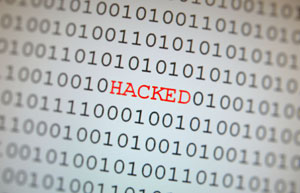
Whether you call it small business, commercial, or corporate account takeover, this form of existing account fraud has been in the headlines lately and seems to be on the rise. While account takeover happens to individual consumers quite frequently, it’s the sensational loss amounts and the legal battles between companies and their banks that are causing this form of commercial fraud to make the news. A recent BankInfoSecurity.com article, Fraud Verdict: Opinions Vary, is about a court opinion on a high profile ACH fraud case – Experi-Metal Inc. vs. Comerica Bank – that cites a number of examples of corporate account takeover cases with substantial losses: · Village View Escrow of Redondo Beach, Calif.: lost $465,000 to an online hack · Hillary Machinery: settled with its bank for undisclosed terms in 2010. · The Catholic Diocese of Des Moines, Iowa: lost $600,000 in fraudulent ACH transactions. I was curious what information was out there and publicly available to help businesses protect themselves and minimize fraud losses / risk. NACHA, the electronics payment association, had some of the best resources on their website. Labeled the “Corporate Account Takeover Resource Center”, it has a wide variety of briefs, papers, and recommendations documents including prevention practices for companies, financial institutions, and third-party service providers. There’s even a podcast on how to fight ACH fraud! One thing was interesting to note, though. NACHA makes a point to distinguish between ACH fraud and corporate account takeover in this statement at the top of the web page: Corporate Account Takeover is a form of corporate identity theft where a business’ online credentials are stolen by malware. Criminal entities can then initiate fraudulent banking activity. Corporate Account Takeover involves compromised identity credentials and is not about compromises to the wire system or ACH Network. ACH fraud and wire fraud, terms mistakenly used to describe this type of criminal activity, are a misnomer. The ACH Network is safe and secure. Mostly I agree –the ACH Network is safe and secure. But from an F.I.'s or company’s perspective, corporate account takeover and ACH Fraud often go hand in hand.
High-profile data breaches are back in the headlines as businesses—including many in the communications sector—fall prey to a growing number of cyberattacks. So far this year, 251 public notifications of data breaches have been reported according to the Privacy Rights Clearinghouse. The latest attack comes on the heels of the Obama administration’s recent proposal to replace conflicting state laws with a uniform standard. The idea is not a new one—national breach notification legislation has been in discussion on Capitol Hill since 2007. With the addition of the White House proposal, three data breach notification bills are now under consideration. But rather than waiting for passage of a new law, communications companies and businesses in general should be aware of the issues and take steps to prepare. Replacing 48 laws with one Currently, notification standards differ on a state-by-state basis: 46 states, plus the District of Columbia and Puerto Rico each enforce their own standards. The many varying laws make compliance confusing and expensive. While getting to a single standard sounds like a good idea, finding a single solution becomes difficult when there are 48 different laws to reconcile. The challenge is to craft a uniform national law that preempts state laws, while providing adequate consumer protection. Five things to look for in a National Breach Notification Law Passing a single law will be an uphill battle. In the meantime, these are some of the issues that will need to be resolved before a national breach standard can be enacted: What types of personal information should be protected? First and last name + other info (e.g. bank account number) What should be classified as “personal” information? Email addresses and user names Health and medical information (California now includes this) What qualifies as a breach and what are the triggers for notification? What information should be included in a breach notice? How soon after a breach should notification be sent? Some states require notices be sent within a set number of days, others ASAP. Potential penalties What could happen if a company doesn’t comply with the proposed laws? Under the White House bill, fines would be limited to $1,000/day, with a $1 million cap. The two bills in House would impose penalties of $11,000/day, maxing out at $5 million. How to prepare before a national standard is passed Although the timing for passage is uncertain, communications companies need not wait for a national law to pass before taking action. Put a plan in place instead of sorting through 48 different laws. Preparation can be as simple as making a phone call to your Experian rep about our data breach protection services. Having managed over 2,300 data breach events, Experian can help you effectively mitigate loss. In addition to following updates on this page, you can also stay informed about the progress of pending data breach legislation by following the Data Breach Blog. Share your thoughts and concerns on the current proposals by leaving a comment. For further reading on this subject: Experian Data Breach Blog State Security Breach Notification Laws Obama Administration Proposal: Law Enforcement Provisions Related to Computer Security (pdf of the full bill) Obama national breach notification proposal: Good news, bad news for firms 2011 Data Breach Investigations Report (PDF)
This week, American Express unveiled a new payments offering that will surely compete with not just other prepaid options, but will impact debit and credit sales volume as well. The prepaid card offered by American Express carries no fee for activation, reloading or lost card replacement. The card also offers consumers the option of drawing cash at an ATM. Since the consumer funds all transactions, default risk goes away, exponentially opening up the market potential. The question becomes, how will this impact other plastic and mobile payment sales today and down the road? Back in the year 2000, credit cards dominated purchase volume generating 77% of all merchant sales on general purpose cards, versus 23% on debit. Last year, debit and prepaid purchases captured close to half of all general purpose card spend with credit sales capturing ~53%, debit 44% and the remaining volume coming from prepaid cards. With all of the regulatory changes impacting bank revenue and cost positions, financial institutions are having to rethink existing practices eliminating rewards programs tied to debit charge volume and resurrecting monthly checking account fees in large scale. It's not a question of bank gouging, rather how do financial service providers offset lost interchange income of $0.40+ per transaction down to $0.12 to $0.20 as is being mandated with the quickly approaching implementation of the Durbin Amendment on July 21st. Add to that reduced fee income from Dodd-Frank and institutions have to figure out how to still be able to afford to offer these services to their customers. Who will the winners and losers be?Let's start with the Merchant perspective. With companies now actively promoting services to help merchants calculate which payment vehicles generate the lowest costs without impacting sales volumes, we very well may start to see more of the "Costco" business model where only certain pay-types are accepted at different merchants. My predictions are that first, merchants will continue to send a message loud and clear that they perceive the cost of interchange to be too high. Smaller institutions, presumably protected from interchange caps, will be forced to reduce rates anyway to sustain merchant acceptance unless existing federal law requirements remain unchanged, precluding retailers from following the laws of capitalism. One certainty is that we will see continued development of alternatives similar to Wal-Mart and Starbucks payment options.Credit and Debit sales will be impacted although they will continue to be valued highly by specific segments. The affluent will continue to expect rewards and other benefits deeming credit cards highly relevant and meaningful. Additionally, small business owners will need the payment float utility to fund services they typically don't get paid for up front. At the same time, many consumers will continue to deleverage and sustain favoritism to debit over credit. Prepaid and emerging Mobile Payments technology will continue to attract younger consumers as well as the early adapters that want to leverage the newest and coolest products and services. The negatives will take some time to surface. First, how will the CFPB react to prepaid growth and the fact that the product is not subject to interchange caps stipulated under Durbin? Next, how will merchants react and again, will we continue to see retailer specific options dominate merchant acceptance? Lastly, when fraudsters figure out how to penetrate the prepaid and mobile space, will consumers swarm back to credit before advanced fraud prediction models can be deployed since consumers bear the brunt of the liability in the world of prepaid?