
In this article…
Lorem ipsum dolor sit amet, consectetur adipiscing elit. Phasellus at nisl nunc. Sed et nunc a erat vestibulum faucibus. Sed fermentum placerat mi aliquet vulputate. In hac habitasse platea dictumst. Maecenas ante dolor, venenatis vitae neque pulvinar, gravida gravida quam. Phasellus tempor rhoncus ante, ac viverra justo scelerisque at. Sed sollicitudin elit vitae est lobortis luctus. Mauris vel ex at metus cursus vestibulum lobortis cursus quam. Donec egestas cursus ex quis molestie. Mauris vel porttitor sapien. Curabitur tempor velit nulla, in tempor enim lacinia vitae. Sed cursus nunc nec auctor aliquam. Morbi fermentum, nisl nec pulvinar dapibus, lectus justo commodo lectus, eu interdum dolor metus et risus. Vivamus bibendum dolor tellus, ut efficitur nibh porttitor nec.
Pellentesque habitant morbi tristique senectus et netus et malesuada fames ac turpis egestas. Maecenas facilisis pellentesque urna, et porta risus ornare id. Morbi augue sem, finibus quis turpis vitae, lobortis malesuada erat. Nullam vehicula rutrum urna et rutrum. Mauris convallis ac quam eget ornare. Nunc pellentesque risus dapibus nibh auctor tempor. Nulla neque tortor, feugiat in aliquet eget, tempus eget justo. Praesent vehicula aliquet tellus, ac bibendum tortor ullamcorper sit amet. Pellentesque tempus lacus eget aliquet euismod. Nam quis sapien metus. Nam eu interdum orci. Sed consequat, lectus quis interdum placerat, purus leo venenatis mi, ut ullamcorper dui lorem sit amet nunc. Donec semper suscipit quam eu blandit. Sed quis maximus metus. Nullam efficitur efficitur viverra. Curabitur egestas eu arcu in cursus.
H1
H2
H3
H4
Lorem ipsum dolor sit amet, consectetur adipiscing elit. Vestibulum dapibus ullamcorper ex, sed congue massa. Duis at fringilla nisi. Aenean eu nibh vitae quam auctor ultrices. Donec consequat mattis viverra. Morbi sed egestas ante. Vivamus ornare nulla sapien. Integer mollis semper egestas. Cras vehicula erat eu ligula commodo vestibulum. Fusce at pulvinar urna, ut iaculis eros. Pellentesque volutpat leo non dui aliquet, sagittis auctor tellus accumsan. Curabitur nibh mauris, placerat sed pulvinar in, ullamcorper non nunc. Praesent id imperdiet lorem.
H5
Curabitur id purus est. Fusce porttitor tortor ut ante volutpat egestas. Quisque imperdiet lobortis justo, ac vulputate eros imperdiet ut. Phasellus erat urna, pulvinar id turpis sit amet, aliquet dictum metus. Fusce et dapibus ipsum, at lacinia purus. Vestibulum euismod lectus quis ex porta, eget elementum elit fermentum. Sed semper convallis urna, at ultrices nibh euismod eu. Cras ultrices sem quis arcu fermentum viverra. Nullam hendrerit venenatis orci, id dictum leo elementum et. Sed mattis facilisis lectus ac laoreet. Nam a turpis mattis, egestas augue eu, faucibus ex. Integer pulvinar ut risus id auctor. Sed in mauris convallis, interdum mi non, sodales lorem. Praesent dignissim libero ligula, eu mattis nibh convallis a. Nunc pulvinar venenatis leo, ac rhoncus eros euismod sed. Quisque vulputate faucibus elit, vitae varius arcu congue et.
Ut convallis cursus dictum. In hac habitasse platea dictumst. Ut eleifend eget erat vitae tempor. Nam tempus pulvinar dui, ac auctor augue pharetra nec. Sed magna augue, interdum a gravida ac, lacinia quis erat. Pellentesque fermentum in enim at tempor. Proin suscipit, odio ut lobortis semper, est dolor maximus elit, ac fringilla lorem ex eu mauris.
- Phasellus vitae elit et dui fermentum ornare. Vestibulum non odio nec nulla accumsan feugiat nec eu nibh. Cras tincidunt sem sed lacinia mollis. Vivamus augue justo, placerat vel euismod vitae, feugiat at sapien. Maecenas sed blandit dolor. Maecenas vel mauris arcu. Morbi id ligula congue, feugiat nisl nec, vulputate purus. Nunc nec aliquet tortor. Maecenas interdum lectus a hendrerit tristique. Ut sit amet feugiat velit.
- Test
- Yes

Updated November 17th Related Posts Link to automotive form, business form

As Valentine’s Day approaches, hearts will melt, but some will inevitably be broken by romance scams. This season of love creates an opportune moment for scammers to prey on individuals feeling lonely or seeking connection. Financial institutions should take this time to warn customers about the heightened risks and encourage vigilance against fraud. In a tale as heart-wrenching as it is cautionary, a French woman named Anne was conned out of nearly $855,000 in a romance scam that lasted over a year. Believing she was communicating with Hollywood star Brad Pitt; Anne was manipulated by scammers who leveraged AI technology to impersonate the actor convincingly. Personalized messages, fabricated photos, and elaborate lies about financial needs made the scam seem credible. Anne’s story, though extreme, highlights the alarming prevalence and sophistication of romance scams in today’s digital age. According to the Federal Trade Commission (FTC), nearly 70,000 Americans reported romance scams in 2022, with losses totaling $1.3 billion—an average of $4,400 per victim. These scams, which play on victims’ emotions, are becoming increasingly common and devastating, targeting individuals of all ages and backgrounds. Financial institutions have a crucial role in protecting their customers from these schemes. The lifecycle of a romance scam Romance scams follow a consistent pattern: Feigned connection: Scammers create fake profiles on social media or dating platforms using attractive photos and minimal personal details. Building trust: Through lavish compliments, romantic conversations, and fabricated sob stories, scammers forge emotional bonds with their targets. Initial financial request: Once trust is established, the scammer asks for small financial favors, often citing emergencies. Escalation: Requests grow larger, with claims of dire situations such as medical emergencies or legal troubles. Disappearance: After draining the victim’s funds, the scammer vanishes, leaving emotional and financial devastation in their wake. Lloyds Banking Group reports that men made up 52% of romance scam victims in 2023, though women lost more on average (£9,083 vs. £5,145). Individuals aged 55-64 were the most susceptible, while those aged 65-74 faced the largest losses, averaging £13,123 per person. Techniques scammers use Romance scammers are experts in manipulation. Common tactics include: Fabricated sob stories: Claims of illness, injury, or imprisonment. Investment opportunities: Offers to “teach” victims about investing. Military or overseas scenarios: Excuses for avoiding in-person meetings. Gift and delivery scams: Requests for money to cover fake customs fees. How financial institutions can help Banks and financial institutions are on the frontlines of combating romance scams. By leveraging technology and adopting proactive measures, they can intercept fraud before it causes irreparable harm. 1. Customer education and awareness Conduct awareness campaigns to educate clients about common scam tactics. Provide tips on recognizing fake profiles and unsolicited requests. Share real-life stories, like Anne’s, to highlight the risks. 2. Advanced data capture solutions Implement systems that gather and analyze real-time customer data, such as IP addresses, browsing history, and device usage patterns. Use behavioral analytics to detect anomalies in customer actions, such as hesitation or rushed transactions, which may indicate stress or coercion. 3. AI and machine learning Utilize AI-driven tools to analyze vast datasets and identify suspicious patterns. Deploy daily adaptive models to keep up with emerging fraud trends. 4. Real-time fraud interception Establish rules and alerts to flag unusual transactions. Intervene with personalized messages before transfers occur, asking “Do you know and trust this person?” Block transactions if fraud is suspected, ensuring customers’ funds are secure. Collaborating for greater impact Financial institutions cannot combat romance scams alone. Partnerships with social media platforms, AI companies, and law enforcement are essential. Social media companies must shut down fake profiles proactively, while regulatory frameworks should enable banks to share information about at-risk customers. Conclusion Romance scams exploit the most vulnerable aspects of human nature: the desire for love and connection. Stories like Anne’s underscore the emotional and financial toll these scams take on victims. However, with robust technological solutions and proactive measures, financial institutions can play a pivotal role in protecting their customers. By staying ahead of fraud trends and educating clients, banks can ensure that the pursuit of love remains a source of joy, not heartbreak. Learn more

As data breaches become an ever-growing threat to businesses, the role of employees in maintaining cybersecurity has never been more critical. Did you know that 82% of data breaches involve the human element1 , such as phishing, stolen credentials, or social engineering tactics? These statistics reveal a direct connection between employee identity theft and business vulnerabilities. In this blog, we’ll explore why protecting your employees’ identities is essential to reducing data breach risk, how employee-focused identity protection programs, and specifically employee identity protection, improve both cybersecurity and employee engagement, and how businesses can implement comprehensive solutions to safeguard sensitive data and enhance overall workforce well-being. The Rising Challenge: Data Breaches and Employee Identity Theft The past few years have seen an exponential rise in data breaches. According to the Identity Theft Resource Center, there were 1,571 data compromises in the first half of 2024, impacting more than 1.1 billion individuals – a 490% increase year over year2. A staggering proportion of these breaches originated from compromised employee credentials or phishing attacks. Explore Experian's Employee Benefits Solutions The Link Between Employee Identity Theft and Cybersecurity Risks Phishing and Social EngineeringPhishing attacks remain one of the top strategies used by cybercriminals. These attacks often target employees by exploiting personal information stolen through identity theft. For example, a cybercriminal who gains access to an employee's compromised email or social accounts can use this information to craft realistic phishing messages, tricking them into divulging sensitive company credentials. Compromised Credentials as Entry PointsCompromised employee credentials were responsible for 16% of breaches and were the costliest attack vector, averaging $4.5 million per breach3. When an employee’s identity is stolen, it can give hackers a direct line to your company’s network, jeopardizing sensitive data and infrastructure. The Cost of DowntimeBeyond the financial impact, data breaches disrupt operations, erode customer trust, and harm your brand. For businesses, the average downtime from a breach can last several weeks – time that could otherwise be spent growing revenue and serving clients. Why Businesses Need to Prioritize Employee Identity Protection Protecting employee identities isn’t just a personal benefit – it’s a strategic business decision. Here are three reasons why identity protection for employees is essential to your cybersecurity strategy: 1. Mitigate Human Risk in Cybersecurity Employee mistakes, often resulting from phishing scams or misuse of credentials, are a leading cause of breaches. By equipping employees with identity protection services, businesses can significantly reduce the likelihood of stolen information being exploited by fraudsters and cybercriminals. 2. Boost Employee Engagement and Financial Wellness Providing identity protection as part of an employee benefits package signals that you value your workforce’s security and well-being. Beyond cybersecurity, offering such protections can enhance employee loyalty, reduce stress, and improve productivity. Employers who pair identity protection with financial wellness tools can empower employees to monitor their credit, secure their finances, and protect against fraud, all of which contribute to a more engaged workforce. 3. Enhance Your Brand Reputation A company’s cybersecurity practices are increasingly scrutinized by customers, stakeholders, and regulators. When you demonstrate that you prioritize not just protecting your business, but also safeguarding your employees’ identities, you position your brand as a leader in security and trustworthiness. Practical Strategies to Protect Employee Identities and Reduce Data Breach Risk How can businesses take actionable steps to mitigate risks and protect their employees? Here are some best practices: Offer Comprehensive Identity Protection Solutions A robust identity protection program should include: Real-time monitoring for identity theft Alerts for suspicious activity on personal accounts Data and device protection to protect personal information and devices from identity theft, hacking and other online threats Fraud resolution services for affected employees Credit monitoring and financial wellness tools Leading providers like Experian offer customizable employee benefits packages that provide proactive identity protection, empowering employees to detect and resolve potential risks before they escalate. Invest in Employee Education and Training Cybersecurity is only as strong as your least-informed employee. Provide regular training sessions and provide resources to help employees recognize phishing scams, understand the importance of password hygiene, and learn how to avoid oversharing personal data online. Implement Multi-Factor Authentication (MFA) MFA adds an extra layer of security, requiring employees to verify their identity using multiple credentials before accessing sensitive systems. This can drastically reduce the risk of compromised credentials being misused. Partner with a Trusted Identity Protection Provider Experian’s suite of employee benefits solutions combines identity protection with financial wellness tools, helping your employees stay secure while also boosting their financial confidence. Only Experian can offer these integrated solutions with unparalleled expertise in both identity protection and credit monitoring. Conclusion: Identity Protection is the Cornerstone of Cybersecurity The rising tide of data breaches means that businesses can no longer afford to overlook the role of employee identity in cybersecurity. By prioritizing identity protection for employees, organizations can reduce the risk of costly breaches and also create a safer, more engaged, and financially secure workforce. Ready to protect your employees and your business? Take the next step toward safeguarding your company’s future. Learn more about Experian’s employee benefits solutions to see how identity protection and financial wellness tools can transform your workplace security and employee engagement. Learn more 1 2024 Experian Data Breach Response Guide 2 Identity Theft Resource Center. H1 2024 Data Breach Analysis 3 2023 IBM Cost of a Data Breach Report

Many compliance regulations such the Red Flags Rule, USA Patriot Act, and ESIGN require specific identity elements to be verified and specific high risk conditions to be detected. However, there is still much variance in how individual institutions reconcile referrals generated from the detection of high risk conditions and/or the absence of identity element verification. With this in mind, risk-based authentication, (defined in this context as the “holistic assessment of a consumer and transaction with the end goal of applying the right authentication and decisioning treatment at the right time") offers institutions a viable strategy for balancing the following competing forces and pressures: Compliance – the need to ensure each transaction is approved only when compliance requirements are met; Approval rates – the need to meet business goals in the booking of new accounts and the facilitation of existing account transactions; Risk mitigation – the need to minimize fraud exposure at the account and transaction level. A flexibly-designed risk-based authentication strategy incorporates a robust breadth of data assets, detailed results, granular information, targeted analytics and automated decisioning. This allows an institution to strike a harmonious balance (or at least something close to that) between the needs to remain compliant, while approving the vast majority of applications or customer transactions and, oh yeah, minimizing fraud and credit risk exposure and credit risk modeling. Sole reliance on binary assessment of the presence or absence of high risk conditions and identity element verifications will, more often than not, create an operational process that is overburdened by manual referral queues. There is also an unnecessary proportion of viable consumers unable to be serviced by your business. Use of analytically sound risk assessments and objective and consistent decisioning strategies will provide opportunities to calibrate your process to meet today’s pressures and adjust to tomorrow’s as well.
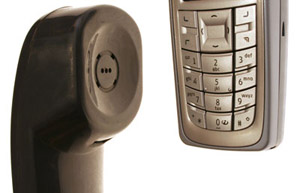
Cell phone use on the rise A Wikipedia list of cell phone usage by country showed that as of December 2009, the U.S. had nearly 286 million cell phones in use. In parallel, a recent National Center for Health Statistics study found that one in every seven homes surveyed received all or almost all their calls on cell phones, even though they had a landline. Study results further indicated, one in four homes in the U.S. relied solely on cell phones. This statistic highlights these households had no land line at all during the last half of 2009. Since this time, the number of households that fall within this category have increased 1.8 percent. Implications for communications companies The increasing use of cell phones, coupled with the decreasing use of landlines, raises some very important concerns for communications companies: The physical address on file may not be accurate, since consumers can keep the same number as they jump providers. The increased use of pre-paid cell phones shines a new light on the growing issue that contact numbers are not a consistent means of reaching the consumer. These two issues make locating cell phone-only customers for purposes of cross-selling and/or collections an enormous challenge. It would certainly make everyone’s job easier if cell phone providers were willing to share their customer data with a directory assistance provider. The problem is, doing so, exposes them to attacks from their competition and since provider churn rate concerns are at an all-time high, can you really blame them? Identifying potentially risky customers, among cell phone-only consumers, becomes more difficult. Perfectly good customers may no longer use a landline. From a marketing point of view, calling cell phones for a sales pitch is not allowed, how then do you reach your prospects? What concerns you? Certainly, this list is by no means complete. The concerns above warrant further discussion in future blog posts. I want to know what concerns you most when it comes to the rise in cell phone-only consumers. This feedback will allow me to gear future posts to better address your concerns.
By: Staci Baker According to Wikipedia, mobile banking is defined as, “a term used for performing balance checks, account transactions, payments, credit applications, etc. via a mobile device such as a mobile phone or Personal Digital Assistant (PDA).” However, as several large lenders and phone carriers test mobile banking and mobile payments, there is still much to be deciphered. Will it help businesses compete? Is it safe for a consumer? Should a bank offer a mobile solution; and if so, what precautions will they need to take to ensure their customer’s information, i.e. fraud, consumer identity? Peter Garuccio, spokesman for the American Bankers Association in Washington D.C., noted that “various experts predict that some 20 million people may be banking via cell phone this year, and that number is projected to skyrocket to 50 million by 2013.” And, according to a mobile payment study by Juniper Research ,“Combined market for all types of mobile payments is expected to reach more than $630B globally by 2014.” For the purpose of this blog, I will focus on the mobile banking solution, and questions to consider before entering into the mobile banking arena. Mobile banking today is akin to online banking a few years ago. It’s new, getting a lot of press, late adopters want more information, while the early adopters are already participating and it appears to be on the verge of taking over more conventional banking and payments. Before entering into the world of mobile solutions, there are a few things to consider: How will new regulations, such as the Durbin Amendment to the Frank-Dodd Act (a new Interchange fee proposal), affect implementation and usage? The current average interchange fee is between $1 and $1.30, the new cap at $.12 will reduce the charges by up to 90%.While the interchange fee proposal will not be finalized until after February, it is not known how the new “swipe fee” legislation will affect mobile solutions. If the new amendment directly affects debit cards only, mobile solutions can become a new revenue stream for many lenders. As more information becomes available regarding the Durbin Amendment, I will relay additional details and implications. What fraud prevention solutions do you have in place? Fraud is an issue in all industries; therefore utilizing fraud best practices specific to your market, or identifying fraud trends is essential in keeping retailers, consumers and your company safe. As consumers replace the need for a wallet with a phone, identity theft can become an issue. This is especially true of phones with minimal security, or if their phone gets into the hands of a hacker. Therefore companies can initiate an identity theft prevention program to raise awareness in consumers and retailers. As well as implement new internal processes and requirements. As we delve further into an IT-led economy, businesses will continually need to adjust how they do business in order to meet consumer demand, as well as finding new revenue streams. I am curious, how many businesses have already begun to implement a mobile solution, and what issues or results have you already seen? If you have not already implemented a mobile solution, is this in your planning for the upcoming year?