Debt & Collections

Minimize identity fraud risk, increase customer engagement & provide a good customer experience by shifting to an ID relationship management strategy

With a wave of HELOCs reaching the end-of-draw period, lenders are anxious to see how this will impact their portfolio. A new Experian study reveals likely consumer behaviors.

Experian’s annual global fraud report reveals trends that can help organizations mitigate fraud and improve the customer experience
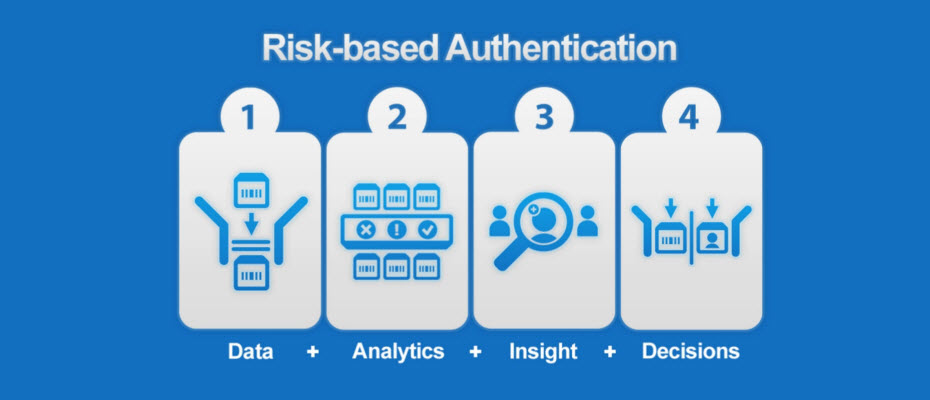
In an attempt to stay ahead of fraud, systems have become more complex, more expensive and more difficult to manage, leading to more customer friction

All customers are not created equal - at least when it comes to ability to pay. So what are the natural moments for a lender to assess?
Many fraud and compliance teams are struggling to keep pace with new business dynamics.

Securing systems from the Internet of Things - Credit Cornerstone

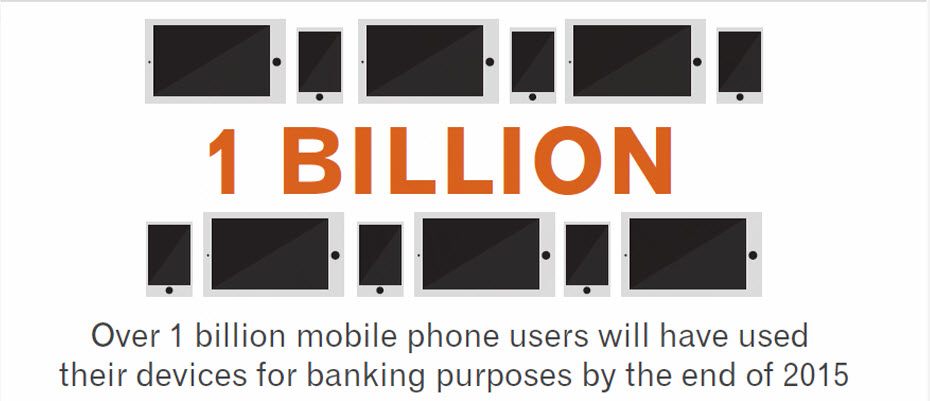
It’s impossible to capture all of the insights and learnings of 36 breakout sessions and several keynote addresses in one post, but let’s summarize a few of the highlights from the first day of Vision 2016. 1. Who better to speak about the state of our country, specifically some of the threats we are facing than Leon Panetta, former Secretary of Defense and Director of the CIA. While we are at a critical crossroads in the United States, there is room for optimism and his hope that we can be an America in Renaissance. 2. Alex Lintner, Experian President of Consumer Information Services, conveyed how the consumer world has evolved, in large part due to technology: 67 percent of consumers made purchases across multiple channels in the last six months. More than 88M U.S. consumers use their smartphone to do some form of banking. 68 percent of Millennials believe within five years the way we access money will be totally different. 3. Peter Renton of Lend Academy spoke on the future of Online Marketplace Lending, revealing: Banks are recognizing that this industry provides them with a great opportunity and many are partnering with Online Marketplace Lenders to enter the space. Millennials are not the largest consumers in this space today, but they will be in the future. Sustained growth will be key for this industry. The largest platforms have everything they need in place to endure – even through an economic downturn.In other words, Online Marketplace Lenders are here to stay. 4. Tom King, Experian’s Chief Information Security Officer, addressed the crowds on how the world of information security is growing increasingly complex. There are 1.9 million records compromised every day, and sadly that number is expected to rise. What can businesses do? “We need to make it easier to make the bad guys go somewhere else,” says King. 5. Look at how the housing market has changed from just a few years ago: Inventory continues to be extraordinarily lean. Why? New home building continues to run at recession levels. And, 8.5 percent of homeowners are still underwater on their mortgage, preventing them from placing it on the market. In the world of single-family home originations, 2016 projections show that there will be more purchases, less refinancing and less volume. We may see further growth in HELOC’s. With a dwindling number of mortgages benefiting from refinancing, and with rising interest rates, a HELOC may potentially be the cheapest and easiest way to tap equity. 6. As organizations balance business needs with increasing fraud threats, the important thing to remember is that the customer experience will trump everything else. Top fraud threats in 2015 included: Card Not Present (CNP) First Party Fraud/Synthetic ID Application Fraud Mobile Payment/Deposit Fraud Cross-Channel FraudSo what do the experts believe is essential to fraud prevention in the future? Big Data with smart analytics. 7. The need for Identity Relationship Management can be seen by the dichotomy of “99 percent of companies think having a clear picture of their customers is important for their business; yet only 24 percent actually think they achieve this ideal.” Connecting identities throughout the customer lifecycle is critical to bridging this gap. 8. New technologies continue to bring new challenges to fraud prevention. We’ve seen that post-EMV fraud is moving “upstream” as fraudsters: Apply for new credit cards using stolen ID’s. Provision stolen cards into mobile wallet. Gain access to accounts to make purchases.Then, fraudsters are open to use these new cards everywhere. 9. Several speakers addressed the ever-changing regulatory environment. The Telephone Consumer Protection Act (TCPA) litigation is up 30 percent since the last year. Regulators are increasingly taking notice of Online Marketplace Lenders. It’s critical to consider regulatory requirements when building risk models and implementing business policies. 10. Hispanics and Millennials are a force to be reckoned with, so pay attention: Millennials will be 81 million strong by 2036, and Hispanics are projected to be 133 million strong by 2050. Significant factors for home purchase likelihood for both groups include VantageScore® credit score, age, student debt, credit card debt, auto loans, income, marital status and housing prices. More great insights from Vision coming your way tomorrow!
A recent Experian study reveals that tax filing, document collection and refund processing are done online more often, yet only 6% of consumers file taxes on a computer with up-to-date antivirus software. 79% filed their most recent tax return online, up from 73% in 2011 18% scan and save their tax documents electronically, up from 6% in 2011 More than 75% of respondents have used EFT for tax refunds As electronic filing continues to grow, identity theft is likely to increase. While consumers should take steps to protect themselves, businesses also need to employ identity theft protection solutions to safeguard consumer information. >> Identify and prevent fraud
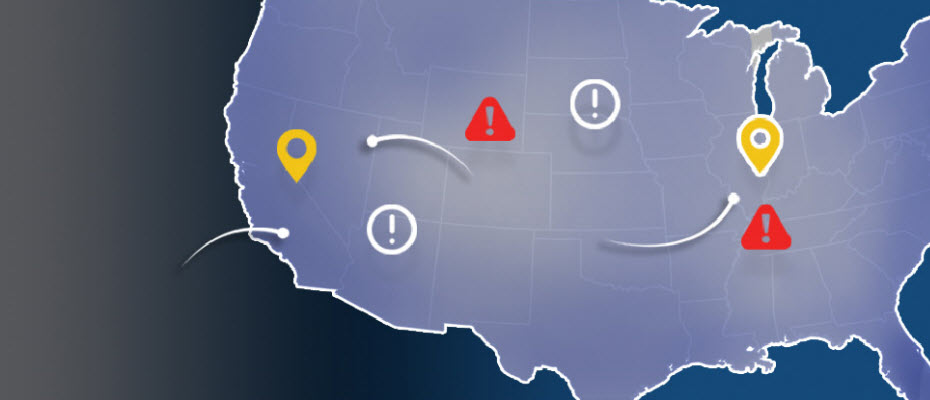
Experian analyzed millions of transactions from 2015 to identify top states for billing and shipping e-commerce fraud.

It’s hard to remember a world without online lenders. Today, fintech players continue to pop up, making it easier to cross-shop loans and land instant approvals. Gone are the days of lengthy applications and waiting to hear if you’ve scored the latest credit line or personal loan. Consumers, especially with top-tier credit, can easily seek lower monthly payments or consolidate another loan with a cash-out option. Whatever the need, there’s a lender ready to serve. Strike that. There’s actually two or three lenders waiting to serve you. In fact, a recent Experian data pull revealed an increasing share of personal loan balances is actually going to lenders outside of the traditional banks and credit union space (they still own the lion’s share of the business). In 2013 (Q4), these more non-traditional lenders had 15.36 percent of personal loan balances. In Q4 of 2015, that number increased to 27.26 percent. The personal loan business today is just over $222.9 billion in outstanding balances. As the competition heats up, lenders will need to diversify, stand out and provide more value to consumers. Those that engage with new, value-added services, and deliver timely, personalized needs-based messages will capture the greatest share of the market. Here is a sampling of ways to draw consumers in and deliver the value they seek in a financial institution: Be Transparent Lending Club, one of the original peer-to-peer lenders and currently the biggest in terms of dollars funded, continues to grow by providing consumers and investors with transparency, good loan terms and speed. Prosper, on the other hand, recently acquired an app that allows their customers to track spending, budget and monitor their credit. They plan to leverage this technology in the near future and offer it to customers and investors for free. Research reveals Millennials especially are looking to tech and free services to manage their personal finances. A recent Experian survey focused on Millennials and credit revealed 48 percent have used free financial services, like Mint, to manage their finances. Additionally, 57 percent use on average three financial apps. Know Your Customers Payoff uses survey data to segment their customers into roughly 10 financial personalities based on how they use and think about their debt. These personality types are used to tailor marketing messages and customer service conversations about how to improve their financial situation. Their site features a quiz, Discover the Secrets of Your Financial Personality, helping consumers and Payoff understand more about trends attached to spending, saving and managing money. Offer Solutions for Debt Consolidation Even after consumers consolidate debt and pay it off successfully, unforeseen expenses, unexpected life events, evolving spending habits and the increasing cost-of-living expenses mean there will always be a market for debt consolidation solutions. Understanding consolidation credit account behavior is mandatory for lenders looking to stand out and stay ahead of the consolidation needs of consumers. Having visibility to consumers’ interest rates, revolving loan balances and the remaining months on existing loans provides unique ways to segment and engage clients with need-based offers. Consumer-tailored messages during the prospecting, acquisition and account management stages of the relationship sets the stage for repeat business. The research is clear. Individuals are willing to switch brands if they feel a different provider will better meet their needs. Lenders – in both the traditional and fintech spaces – should not expect many chances when it comes to getting it right with consumers. Fail to keep them engaged and you’ll fail to keep them. Period. Learn more about identifying profitable consolidation candidates, check out Experian’s annual Vision Conference in May.

Every portfolio has a set of delinquent customers who do not make their payments on time. Truth. Every lender wants to collect on those payments. Truth. But will you really ever be able to recover all of those delinquent funds? Sadly, no. Still, financial institutions often treat all delinquent customers equally, working the account the same and assuming eventually they’ll get their funds. The sentiment to recover is good, but a lot of collection resources are wasted on customers who are difficult or impossible to recover. The good news? There is a better way. Predictive analytics can help optimize the allocation of collection resources by identifying the most effective accounts to prioritize to your best collectors, do not contact and proceed to legal actions to significantly increase the recovery of dollars, and at the same time reduce collection costs. I had the opportunity to recently present at the annual Debt Buyer Association’s International Conference and chat with my peers about this very topic. We asked the room, “How many of you are using scoring to determine how to work your collection accounts?” The response was 50/50, revealing many of these well-intentioned collectors are working themselves too hard, and likely not getting the desired returns. Before you dive into your collections work, you need to respond to two questions: Which accounts am I going to work first? How am I going to work those accounts? This is where scoring enters the scene. A scoring model is a statistical algorithm that assigns a numerical expression based on known information to predict an unknown future outcome. You can then use segmentation to group individuals with others that show the same behavior characteristics and rank order groups for collection strategies. In short, you allow the score to dictate the collection efforts and slope your expenses based on the propensity and expected amount of the consumer to pay. This will inform you on: What type, if any, skip trace tactic you should use? If you should purchase additional data? What intensity you should work the account? With scoring, you will see different performances on different debts. If you have 100 accounts you are collecting on, you’ll then want to find the accounts where you will have the greatest likelihood to collect, and collect the most dollars. I like to say, “You can’t get blood from a stone.” Well the same holds true for certain accounts in your collections pile. Try all you like, but you’ll never recoup those dollars, or the dollars you do recoup will be minimal. With a scoring strategy, you can establish your “hit list” and find the most attractive accounts to collect on, and also match your most profitable accounts with your best collectors. My message to anyone managing a collections portfolio can be summed up in three key messages. You need to use scoring in your business to optimize resources and increase profits. The better data that goes into your model will net you better performance results. Get a compliance infrastructure in place so you can ensure you are collecting the right way and stay out of trouble. The beauty of scores is they tell you what to do. It will help you best match resources to the most profitable accounts, and work smarter, not harder. That’s the power of scoring.

A recent Experian survey shows a growing concern over identity theft and tax fraud. 42% of consumers are concerned that someone could access their personal data through their tax return, compared with 35% in 2014 and 38% in 2015 28% of consumers have been a victim or know someone who has been a victim of tax fraud Tax season is a busy time of year for identity thieves. While consumers should take steps to protect themselves, businesses also need to employ ID theft protection solutions in order to safeguard consumer information. >> Identify and prevent multiple types of fraud

According to a recent Experian Marketing Services study, 36% of companies interact with customers in five or more channels.

The new year has started, the champagne bottles recycled. Bye-bye holidays, hello tax season. In fact, many individuals who are expecting tax refunds are filing early to capture those refunds as soon as possible. After all, a refund equates to so many possibilities – paying down debt, starting a much-needed home improvement project or perhaps trading up for a new vehicle. So what does that mean for lenders? As consumers pocket tax refunds, the likelihood of their ability to make payments increases. By the end of February 2014, more than 48 million tax refunds had been issued according to the IRS – an increase of 5.6 percent compared to the same time the previous year. As of Feb. 28, the average refund in 2014 was $3,034, up 3 percent compared to the average refund amount for the same time in 2013. To capitalize on this time period, introducing collection triggers can assist lenders with how to manage and collect within their portfolios. Aggressively paying down a bankcard, doubling down on a mortgage payment or wiping out a HELOC signal to the lender a change in positive behavior, but without a trigger attached, it can be hard to pinpoint which customers are shifting from their status quo payments. Experian actually offers around 100 collection triggers, but lenders do not need all to seek out the predictive insights they require. A “top 20” list has been created, featuring the highest percentages in lift rates, and population hit rates. Experian has done extensive analysis to determine the top-performing collection triggers. Among the top 15 to 20 triggers, the trigger hit rate ranged from 2 to 8 percent on an average client’s total portfolio, taking into consideration liquidation rates, average percent of payment lifts, lift in liquidation rates over the baseline liquidation, percent of overall portfolio that triggered, percent of overall portfolio that triggered only on the top-selected triggers, and percent of volume by trigger on the total customers that had a trigger hit. With that said, it is essential to implement the right strategy that includes a good mixture of the top-performing triggers. The key is diversifying and balancing trigger selection and setting triggers up during opportune times. Tax season is one of those times. Some of the top-ranked triggers include: Closed-Zero Balance Triggers: This is when a consumer’s account is reported as closed after being delinquent for a certain number of days. Specifically, the closed-zero balance trigger after being delinquent for 120 days has the highest percent of payment lift over an average payment that you would receive from a customer (at a 710 percent lift rate). These triggers are good indicators the consumer is showing positive improvement, thus having a higher likelihood for collections. Paid Triggers: This is when a consumer’s account is reported as paid after being delinquent, in collections, etc. Five of the top 20 triggers are paid triggers. These triggers have good coverage and a good balance between high lift rates (100 percent to 500 percent) and percent of the triggered population. These triggers are also good indicators the consumer is showing positive improvement, thus having a higher likelihood for collections. Inquiry Triggers: This is when a consumer is applying for an auto loan, mortgage loan, etc. The lift rates for these triggers are lowest within the Top 20, but on the other hand, these triggers have the highest hit rates (up to a 33 percent hit rate). These triggers are good indicators consumers are seeking to open additional lines of credit. Home Equity Loan Triggers: These triggers indicate the credit available on a consumer’s home equity loan. They are specifically enticing to collectors due to the fact that home equity lines of credit are usually larger than your average credit on your bank card. The larger the line of credit, the more you are able to potentially collect. To learn more about collection triggers, visit https://www.experian.com/consumer-information/debt-collection.html