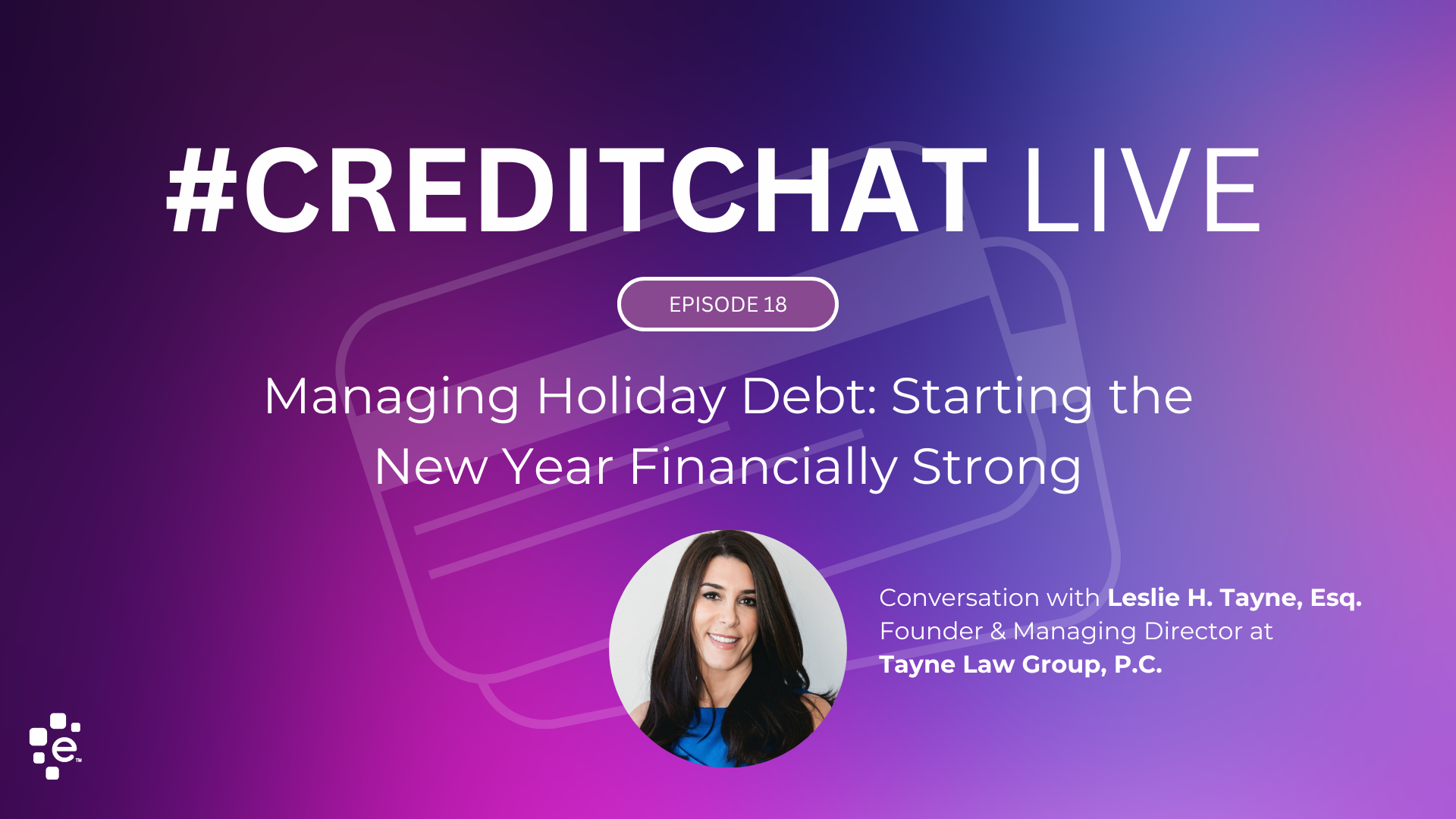
Many desktop publishing packages and web page editors now use Lorem Ipsum as their default model text, and a search for ‘lorem ipsum’ will uncover many web sites still in their infancy.
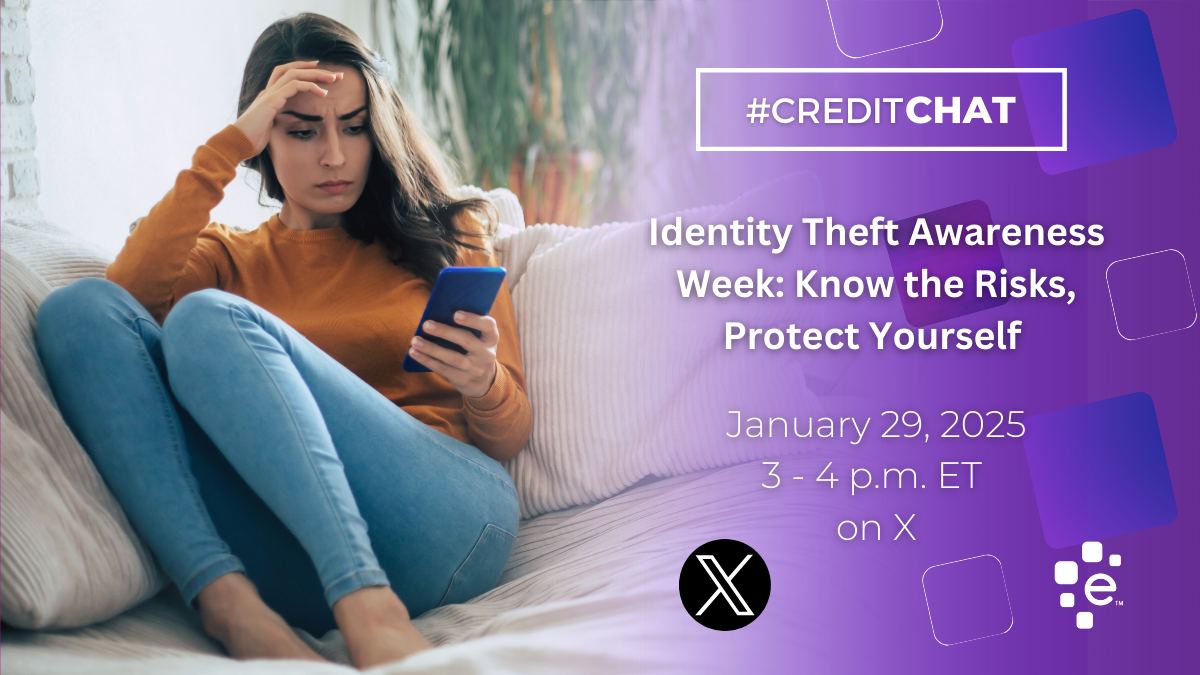
Managing Holiday Debt the Smart Way
Many desktop publishing packages and web page editors now use Lorem Ipsum as their default model text, and a search for ‘lorem ipsum’ will uncover many web sites still in their infancy.Many desktop publishing packages and web page editors now use Lorem Ipsum as their default model text, and a search for ‘lorem ipsum’ will uncover many web sites still in their infancy.Many desktop publishing packages and web page editors now use Lorem Ipsum as their default model text, and a search for ‘lorem ipsum’ will uncover many web sites still in their infancy.Many desktop publishing packages and web page editors now use Lorem Ipsum as their default model text, and a search for ‘lorem ipsum’ will uncover many web sites still in their infancy.

Many desktop publishing packages and web page editors now use Lorem Ipsum as their default model text, and a search for ‘lorem ipsum’ will uncover many web sites still in their infancy.Many desktop publishing packages and web page editors now use Lorem Ipsum as their default model text, and a search for ‘lorem ipsum’ will uncover many web sites still in their infancy.Many desktop publishing packages and web page editors now use Lorem Ipsum as their default model text, and a search for ‘lorem ipsum’ will uncover many web sites still in their infancy.Many desktop publishing packages and web page editors now use Lorem Ipsum as their default model text, and a search for ‘lorem ipsum’ will uncover many web sites still in their infancy.Many desktop publishing packages and web page editors now use Lorem Ipsum as their default model text, and a search for ‘lorem ipsum’ will uncover many web sites still in their infancy.

Many desktop publishing packages and web page editors now use Lorem Ipsum as their default model text
The Marketing Guy
The Marketing Guy speaks the truth
Many desktop publishing packages and web page editors now use Lorem Ipsum as their default model text, and a search for ‘lorem ipsum’ will uncover many web sites still in their infancy.Many desktop publishing packages and web page editors now use Lorem Ipsum as their default model text, and a search for ‘lorem ipsum’ will uncover many web sites still in their infancy.Many desktop publishing packages and web page editors now use Lorem Ipsum as their default model text, and a search for ‘lorem ipsum’ will uncover many web sites still in their infancy.

Guess That Credit Score
Many desktop publishing packages and web page editors now use Lorem Ipsum as their default model text, and a search for ‘lorem ipsum’ will uncover many web sites still in their infancy.Many desktop publishing packages and web page editors now use Lorem Ipsum as their default model text, and a search for ‘lorem ipsum’ will uncover many web sites still in their infancy.Many desktop publishing packages and web page editors now use Lorem Ipsum as their default model text, and a search for ‘lorem ipsum’ will uncover many web sites still in their infancy.
Check out the latest post

It seems like every conversation I have regarding how the U.S. economy is doing, I always think about small businesses. After all, small businesses are what drive our economy forward. They are the center of commerce for our country, and create the most jobs for our growing workforce. Quite honestly, without them, who knows where our country would stand today. With that said, how are small businesses really doing? Well, according to the Experian/Moody’s Analytics Small Business Credit Index, small businesses rounded out 2014 performing at a very high level, especially in terms of credit health. Small businesses improved their payment and credit management behavior across the board, increasing their average risk score, reducing the number of days they paid bills past due and lowering delinquency rates. The end of 2014 also saw a decrease in the number of businesses that filed for bankruptcy. Simply put, small businesses fared well at the end of last year. What does this mean in the grand scheme of things? For lenders and suppliers, the continued improvement in payment and credit management performance by small businesses is a welcomed sign. It enables them to feel more confident when extending credit. Understanding these trends give lenders the insight needed to make more informed decisions on loan terms, interest rates and credit limits. On the other side of the spectrum, small businesses have positioned themselves to gain access to a wider availability of credit than several years ago. Staying on top of their payment performance will be critical, as it can open up the credit spigot for years to come. Gaining insight into how lenders and suppliers perceive a small business’s risk, enables owners to understand the areas they need to improve on. At Experian, we’re committed to helping lenders, suppliers and small businesses alike, understand these data points, and turn them into actionable insights to help them move their businesses forward and grow. Enabling our clients to use this data for good and create new opportunities is at the core of everything we do. At the end of the day, the continued improvement in small business credit health is a positive for all parties involved. It enables lenders to feel more confident that they will receive payment on loans they’ve extended, and small businesses will have access to capital that helps them grow and succeed. And when small businesses succeed, it has a very positive affect on our economy.

Experian’s goal is to help consumers understand and actively engage in their credit life because it plays such an important role in building a secure financial future. Today marked another milestone in this quest. In a positive step for consumers and the U.S. consumer credit industry, Experian (along with the other two nationwide credit bureaus Equifax and TransUnion), announced the National Consumer Assistance Plan (NCAP) – a program that will further enhance our ability to collect complete and accurate consumer information, and provide consumers more transparency and a better experience when interacting with credit bureaus about their credit reports. The plan was launched after cooperative discussions and an agreement with New York Attorney General Eric Schneiderman. First, let me touch on what we are doing at Experian specifically. I’m a firm believer that in order to fulfill our goal of being the champion for consumers, we must continuously enhance our own internal processes and adjust our business to the changing needs of consumers and the market. I applaud the industry for coming together to form the NCAP, and in that same vein of commitment to the consumer, I plan to go even further in our efforts to deliver the highest quality data and the best consumer experience possible. For the last few years, we have embarked on a rigorous plan and invested millions of dollars in staffing, training, education and system improvements at Experian to ensure our data is as accurate as possible, to streamline the dispute process, and to make problematic disputes easier to resolve. Let me highlight what we are doing. We are building on our strong foundation of systems and processes to achieve even higher levels of quality. We have a team of more than 100 employees who are focused on receiving, loading and managing the quality of data from data furnishers. We maintain an inventory of more than 400 data quality rules that are applied each time data is furnished to us, so that we can ensure the data is historically consistent and logical before it is loaded into Experian’s database. Every month, we work proactively with data furnishers to further enhance the accuracy of the data they provide to us by pointing out any issues that they need to address; for example, data formatting issues that could result in inaccurate data being added to a consumer credit report. Our goal is to manage our data proactively at the front end to benefit all consumers and lenders. The accuracy, quality and integrity of our data is foundational to Experian’s business, and we are committed to further enhancing the consumer credit experience by attaining the highest level of data accuracy and quality. 98 percent is good – but not good enough. We are making further improvements in data accuracy. Perfecting the credit ecosystem, which includes more than 10,000 data furnishers and 1.3 billion monthly credit report updates, is complicated. As an industry, we have achieved a 98 percent accuracy rate for credit reporting. While that is good, it is not good enough. We are striving for perfection, taking tangible steps and making real investments to further enhance accuracy. We are making the dispute process easier. As the first credit bureau to have launched a national credit education initiative, we have more than 20 years experience working with consumers to help them more effectively manage their credit. In the last two years, we have spent considerable resources to improve engagement with consumers: We have upgraded our website to make it easier for consumers to dispute reports online. We have added a new system that enables consumers to provide dispute documentation through a secure document uploading process. We have added more agents, so consumers can speak to one of our representatives to ask questions. We have increased bilingual support for our Spanish-speaking consumers. These investments have shown results: The number of disputes initiated has dropped, dramatically decreasing 42 percent since 2008. The time it takes to resolve disputes has been reduced in the last year, with almost 59 percent of all disputes resolved within 10 days, and an additional 19 percent resolved in 20 days. The timeframes of the disputes are much shorter than the 30-45 days allowed by federal guidelines. But, of course, our efforts will continue to provide the best consumer experience possible. Credit reporting enables the American way of life. Our industry helps fulfill dreams of owning a car or a home. It allows students to attend college. And it stimulates financial growth. Our work is not without errors, but we are wholeheartedly committed to perfecting our role in the credit ecosystem – empowering consumers and the economy alike. As I said, our goal is to be a champion for consumers. We will continue to invest in and work toward that goal. We will do more. We will do more, and as CEO of Experian North America, you have my commitment.

We’re just a few months into a new year and already there are clear signs how the Consumer Financial Protection Bureau (CFPB) plans to further advance its regulatory authority over bank and non-bank entities across the credit ecosystem. Here is a look at the top three priorities for the CFPB in this space: 1) Debt Collection Complaints about debt collections are near the top of the list of consumer comments for both the CFPB and the Federal Trade Commission. In fact, according to a semi-annual report by the CFPB released in December 2014, 36% of consumer complaints concerned continued attempts to collect debt that was not owed. The high number of consumer complaints coupled with the complexities of the debt collection industry, in general, has prompted the CFPB to take action. The bureau put out an advanced notice of proposed rulemaking in November 2013 that drew more than 23,000 comments and it’s expected to release a proposed rule later in the spring of 2015. In addition, during a field hearing last December, the CFPB released a report focusing on both medical and non-medical collections. The report highlights the lack of standardization concerning how and when collection tradelines are furnished to credit reporting agencies (CRAs). Specifically, the report suggests that these variations can lead to consumer confusion and may impact accuracy. With collections under the microscope, expect to invest more in data management and data governance systems as part of new compliance and standardization initiatives as well as to alleviate consumer complaints. 2) Consumer financial education and empowerment Consumer financial education and empowerment remains a top priority of the CFPB, since it is baked into the bureau’s organizational structure. The CFPB has encouraged financial institutions to simplify disclosures and to provide credit scores on monthly statements. In remarks before a Consumer Advisory Board meeting in February, CFPB Director Richard Cordray made clear that the initiative is aimed at helping increase transparency and awareness of credit scores so that consumers can better understand the impact that they have on their lives. Furthermore, Director Cordray has stated that, “Financial products can help make life better, but they can also make life harder… Responsible businesses must help make the costs, risks, and benefits of financial products easier for consumers to understand.” To that end, expect renewed calls for improvements in customer service, education and credit data transparency as part of an ongoing move to facilitate consumer empowerment. 3) Accuracy of consumer credit data The accuracy and completeness of information contained in consumer credit files will continue to take center stage as the CFPB focuses on the responsibilities and duties of both credit bureaus and data furnishers, particularly debt collectors. Hearkening back to the field hearing conducted last December in which the CFPB’s study focused on the lack of standardization in collection tradelines, CFPB Director Cordray emphasized the responsibilities of data furnishers — including both debt collectors and lenders — to provide credit bureaus with complete and accurate data. In addition, the CFPB remains highly interested in ensuring that the consumer dispute resolution system operates efficiently. The CFPB also announced it would require CRAs to provide accuracy reports on data furnishers that identify key risk areas for consumers. New reporting requirements for CRAs include identifying furnishers with the most disputes, industries with the most overall disputes, and furnishers with the highest overall disputes relative to industry. While data reporting will remain voluntary, furnishers will need to take greater steps to ensure fair and accurate reporting of consumer credit data or face greater scrutiny by the CFPB. These top priorities demonstrate some of the key focal points by the CFPB within the consumer credit environment anticipated this year. To that end, it will be important for covered entities to ensure that they not just comply with current federal and state laws, but also strive to advance industry best practices while keeping consumers front and center. For information on the responsibilities of furnishers submitting information to consumer reporting agencies, access Section 623 of the Fair Credit Reporting Act. For information on how to act and comply with new data quality rules, visit Experian Data Integrity Services.
Many desktop publishing packages and web page editors now use Lorem Ipsum as their default model text, and a search for ‘lorem ipsum’ will uncover many web sites still in their infancy.
This is a pull quote
This is test
This is a heading
Many desktop publishing packages and web page editors now use Lorem Ipsum as their default model text, and a search for ‘lorem ipsum’ will uncover many web sites still in their infancy.
- Test 1
- Test 2
- Test 3

It was popularised in the 1960s with the release of Letraset sheets containing Lorem Ipsum passages, and more recently with desktop publishing software like Aldus PageMaker including versions of Lorem Ipsum.
My Company Experian

