
At Experian, we often say our people are our biggest superpower – and today, I’m thrilled to share that this belief has been recognised once again. Experian has been named one of the 2025 World’s Best Workplaces™ by Fortune and Great Place to Work® for the second year in a row.
This achievement reflects the culture we’ve built together – one that’s welcoming, inclusive, and rooted belonging. It’s a celebration of every colleague who brings their whole self to work, who lifts others up, and who powers opportunities for our clients, consumers, and communities.

We’ve made it our mission to create a workplace where everyone feels included, respected, and empowered. That’s why we’re proud to have earned top scores on the Corporate Equality Index and the Disability Equality Index, and to be recognised with the Outie Award for Workplace Excellence and Belonging.
These recognitions matter. But what matters most is how our people experience life at Experian. Whether it’s collaborating, innovating, or growing through world-class development of products, services and contributing to our communities, our culture is designed to help everyone thrive.
We’ve also made bold commitments to career development. Initiatives like Global Careers Week, the AI-driven performance coach Nadia, and the NextGen Forum – a global leadership development programme for emerging talent from across our regions – give our people the resources to take charge of their growth and build a “One Experian” mindset.
Being named one of the World’s Best Workplaces is a moment to celebrate but also a reminder to keep aiming higher. The world of work is evolving fast, and so are we. From embracing AI to enhancing our digital workplace experience, we’ll continue to push forward and listen to our people every step of the way.
Questions we will discuss:
- What does “retirement readiness” mean to you, and how can someone tell when they are financially ready to retire?
- Is there a magic number for retirement savings, and what factors should someone consider when setting a retirement goal?
- How can someone estimate their retirement expenses realistically?
- What are some common myths or misconceptions about how much money you need to retire?
- How should Gen Z, Millennials, and Gen Xers each approach retirement planning differently based on their stage of life?
- What are the biggest obstacles people face when trying to save for retirement, and how can they overcome them?
- How can you balance saving for retirement with paying off debt or supporting family today?
- What tools, calculators, or strategies can help people figure out if they’re on track for retirement?
- How can people prepare for unexpected costs or life changes that could impact their retirement plans?
- What’s one piece of advice you’d give someone just starting—or restarting—their retirement savings journey?
| Columns 1 | Column 2 | Column 3 | Column 4 |
|---|---|---|---|
| Row 1 Col 1 | |||
| Row 2 Col 1 | |||
| Row 3 Col 1 | |||
| Footer 1 | Footer 2 | Footer 3 | Footer 4 |

Credit Chat
Stretching your Dollars: Practical Tips to Cut Costs and Save More
February 5, 2025 3-4 PM ET
- What does “retirement readiness” mean to you, and how can someone tell when they are financially ready to retire?
- Is there a magic number for retirement savings, and what factors should someone consider when setting a retirement goal?
- How can someone estimate their retirement expenses realistically?

Greater transparency in buy now, pay later activity is key to helping consumers build their credit histories and supporting responsible lending. We have members of the military right now right out of high school and there’s not a lot of experience managing their own money. They’re quickly thrust into a place where they don’t have a support system to do that. We have members of the military right now right out of high school and there’s not a lot of experience managing their own money. They’re quickly thrust into a place where they don’t have a support system to do that. We have members of the military right now right out of high school and there’s not a lot of experience managing their own money. They’re quickly thrust into a place where they don’t have a support system to do that. We have members of the military right now right out of high school and there’s not a lot of experience managing their own money. They’re quickly thrust into a place where they don’t have a support system to do that. We have members of the military right now right out of high school and there’s not a lot of experience managing their own money. They’re quickly thrust into a place where they don’t have a support system to do that.
Experian North AmericaScott Brown, Group President, Financial Services

FY19 proved to be a great year for Experian – one of our best ever. We just announced results, with organic revenue growth of 9%. But that is only part of our story. Behind the company’s success is a strategy that puts consumers first. We have looked to respond to the challenge of financial exclusion around the world, by using data and innovation to bring more people into the mainstream financial system. And we have responded to rapid digitisation of the world by helping organisations of all shapes and sizes to respond and adapt, all through the power of data. Fintech and digital disruption have revolutionised the way people engage with their finances. At Experian we help to speed up applications for credit, check for fraudulent impersonators and improve access to credit at fair and affordable rates. During the course of this financial year, we delivered some major and exciting milestones in our markets: In North America, we launched Experian Boost, an industry-first, game changing offer that is reshaping the credit landscape by putting individuals in control of their credit score. In the UK, we are introducing a range of new innovations, Ascend, Credit 3D and Experian One, which deploy our advanced analytics, predictive data and SaaS-based platforms. We were the first in our industry to be granted approval to supply Open Banking and PSD2 services by the Financial Conduct Authority and we have rolled out new services which help to assess whether loans are affordable. In Asia Pacific, we are building out our data Marketplaces with our strategic investment and partnerships with C88 in Indonesia and Jirnexu in Malaysia. This move will help to increase levels of financial inclusion in the region by improving matching to eligible credit products. In South Africa, we agreed to the acquisition of Compuscan, which will mean we are better positioned to serve the people and businesses of Africa and be an enabler of growth in consumer and business credit, identity management and financial inclusion. To sum up, the financial performance is strong. Our commitment to using data and analytics to help consumers, businesses and society at large is even stronger.

For the past several years, Experian has been on a journey to help drive financial inclusion for millions of people around the world. This has required significant changes in how we operate, who we partner with, and the products and solutions we offer —and with those changes comes a renewed sense of purpose. What we do and the actions we take have the potential to improve lives. We are actively seeking out unresolved problems and creating products and technologies that will help transform the way businesses operate and consumers thrive in today’s society. But we know we can’t do it alone. That’s why over the last year, we have built out an entire team of account executives and other support staff that are fully dedicated to developing and supporting partnerships with leading fintech companies. We’ve made significant strides that will help us pave the way for the next generation of lending, while improving the financial health of more people around the world. Earlier this week, I attended the FinovateSpring conference in San Francisco to speak with fintechs and financial institutions about ways to put financial health at the center of an organization’s plans to build trust, reach new customers and ultimately grow business. We are developing platforms that are designed to play to the strengths of fintechs and disrupt the industry. In the past, we have looked at unresolved problems and asked ‘why?’ Today, with our fintech partners, we look at potential solutions to these unresolved challenges and say, ‘why not.’ As part of our concentration on fintech, Experian has made significant investments in alternative data, such as the game-changing Experian Boost platform, which was launched just two months ago and is already reshaping the way consumers gain access to credit. Since we launched Experian Boost, consumers across America have instantly increased their credit score by sharing their bill payment history for things like utilities, mobile phones and cable TV payments – payments which had never been factored into a credit score before. And, yes, this platform came to fruition as a result of a fintech partnership. We have partnered with fintechs in other powerful ways, too. Our new Ascend Analytical Sandbox – a first-of-its-kind data and analytics platform – gives companies instant access to more than 17 years of depersonalized credit data on more than 220 million U.S. consumers. This creates better opportunities for consumers by allowing our clients to provide more tailored solutions. It’s a great example of the power of analytics and we’re very proud of it. During our time at Finovate, we were able to engage in meaningful conversations with fintech leaders who were united in our goal of helping more consumers access the financial services they need. We’re more inspired than ever before to continue to build and explore strategic partnerships that will ultimately improve the lives of American consumers.

It gives me great pleasure to announce that Experian has won the Consensus Economics Forecast Accuracy Award 2018 for the UK. Our UK Economics Team was recognised for their high-quality research, their commitment to regular forecasts and their ability to identify most accurately the trends and levels of key indicators over the 24-month forecasting cycle. The Forecast Accuracy Award program recognises the achievements of a select group of expert country economic forecasters who have most accurately predicted the performance of GDP growth and Consumer Price Inflation for their targeted economies over a 24-month forecasting cycle. Experian were the most accurate UK forecaster out of pool of 36 organisations. Mohammed Chaudhri, Head of UK Macro Forecasting, said: “We’re thrilled to win this award. We spent a lot of time analysing the UK economy following the referendum vote in 2016 and, at the time, many forecasters were expecting an immediate recession. However, we felt that the UK economy would prove more resilient in the coming years. We are pleased that our forecast for 2018 was so close to the actual development.” The award underlines the wealth of knowledge across the UK Economics Team, with over 30 years of macro-economic forecasting experience to their name. The accuracy of our economic forecasts is a real benefit when understanding how the UK economy will impact businesses in the future. By embedding our forecasts into the decision-making process organisations can embrace the opportunities presented by an ever-changing economics landscape. I’d like to congratulate Mohammed and his team on a well-deserved award win, along with all the other winners from across the globe. To find out more, click here.

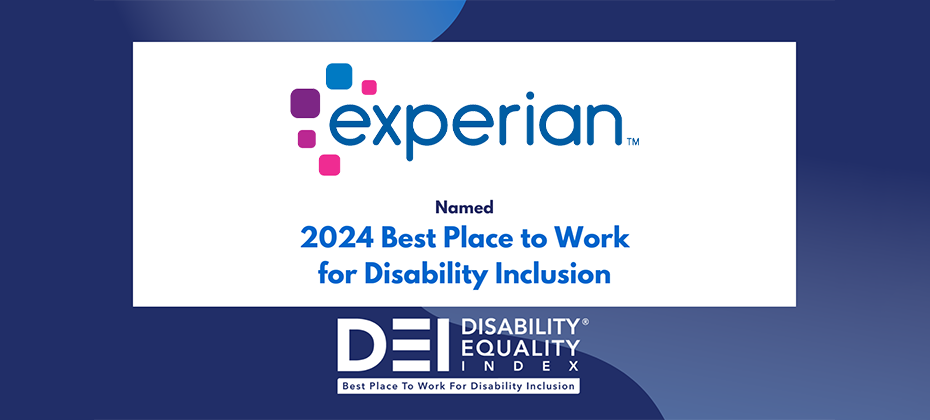
2024 Best Place to Work for Disability Inclusion

Web Developer
With a passion for crafting seamless digital experiences and a keen eye for front-end development, Krishna brings practical insights and hands-on expertise to every post. Whether exploring new frameworks or optimizing performance, his writing reflects a commitment to clean code and user-centric design.
With a passion for crafting seamless digital experiences and a keen eye for front-end development, Krishna brings practical insights and hands-on expertise to every post. Whether exploring new frameworks or optimizing performance, his writing reflects a commitment to clean code and user-centric design.
With a passion for crafting seamless digital experiences and a keen eye for front-end development, Krishna brings practical insights and hands-on expertise to every post. Whether exploring new frameworks or optimizing performance, his writing reflects a commitment to clean code and user-centric design.