
At Experian, we often say our people are our biggest superpower – and today, I’m thrilled to share that this belief has been recognised once again. Experian has been named one of the 2025 World’s Best Workplaces™ by Fortune and Great Place to Work® for the second year in a row.
This achievement reflects the culture we’ve built together – one that’s welcoming, inclusive, and rooted belonging. It’s a celebration of every colleague who brings their whole self to work, who lifts others up, and who powers opportunities for our clients, consumers, and communities.

We’ve made it our mission to create a workplace where everyone feels included, respected, and empowered. That’s why we’re proud to have earned top scores on the Corporate Equality Index and the Disability Equality Index, and to be recognised with the Outie Award for Workplace Excellence and Belonging.
These recognitions matter. But what matters most is how our people experience life at Experian. Whether it’s collaborating, innovating, or growing through world-class development of products, services and contributing to our communities, our culture is designed to help everyone thrive.
We’ve also made bold commitments to career development. Initiatives like Global Careers Week, the AI-driven performance coach Nadia, and the NextGen Forum – a global leadership development programme for emerging talent from across our regions – give our people the resources to take charge of their growth and build a “One Experian” mindset.
Being named one of the World’s Best Workplaces is a moment to celebrate but also a reminder to keep aiming higher. The world of work is evolving fast, and so are we. From embracing AI to enhancing our digital workplace experience, we’ll continue to push forward and listen to our people every step of the way.
Questions we will discuss:
- What does “retirement readiness” mean to you, and how can someone tell when they are financially ready to retire?
- Is there a magic number for retirement savings, and what factors should someone consider when setting a retirement goal?
- How can someone estimate their retirement expenses realistically?
- What are some common myths or misconceptions about how much money you need to retire?
- How should Gen Z, Millennials, and Gen Xers each approach retirement planning differently based on their stage of life?
- What are the biggest obstacles people face when trying to save for retirement, and how can they overcome them?
- How can you balance saving for retirement with paying off debt or supporting family today?
- What tools, calculators, or strategies can help people figure out if they’re on track for retirement?
- How can people prepare for unexpected costs or life changes that could impact their retirement plans?
- What’s one piece of advice you’d give someone just starting—or restarting—their retirement savings journey?
| Columns 1 | Column 2 | Column 3 | Column 4 |
|---|---|---|---|
| Row 1 Col 1 | |||
| Row 2 Col 1 | |||
| Row 3 Col 1 | |||
| Footer 1 | Footer 2 | Footer 3 | Footer 4 |

Credit Chat
Stretching your Dollars: Practical Tips to Cut Costs and Save More
February 5, 2025 3-4 PM ET
- What does “retirement readiness” mean to you, and how can someone tell when they are financially ready to retire?
- Is there a magic number for retirement savings, and what factors should someone consider when setting a retirement goal?
- How can someone estimate their retirement expenses realistically?
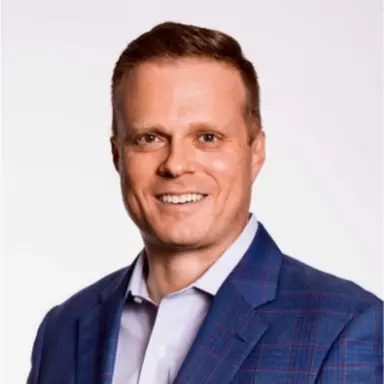
Greater transparency in buy now, pay later activity is key to helping consumers build their credit histories and supporting responsible lending. We have members of the military right now right out of high school and there’s not a lot of experience managing their own money. They’re quickly thrust into a place where they don’t have a support system to do that. We have members of the military right now right out of high school and there’s not a lot of experience managing their own money. They’re quickly thrust into a place where they don’t have a support system to do that. We have members of the military right now right out of high school and there’s not a lot of experience managing their own money. They’re quickly thrust into a place where they don’t have a support system to do that. We have members of the military right now right out of high school and there’s not a lot of experience managing their own money. They’re quickly thrust into a place where they don’t have a support system to do that. We have members of the military right now right out of high school and there’s not a lot of experience managing their own money. They’re quickly thrust into a place where they don’t have a support system to do that.
Experian North AmericaScott Brown, Group President, Financial Services

Today’s world runs on data. We all leave footprints in the digital world, from the profiles we build of ourselves online, to the countless internet searches we conduct each week, to the information we share via a myriad of apps downloaded on a multitude of devices. The proliferation of new technologies has meant that those footprints – the information and data generated through our digital actions – are seen, recorded and analysed, not only by the service providers but often by their partners as well. Data is everywhere. The quality, management and understanding of that data is crucial for both businesses and society. It allows businesses to develop better products and services, and it is also the key to building better relationships with consumers. To build those relationships, we (the business community) must recognise that the information belongs first and foremost to the consumer. It is their data. We are its custodians, and we must act accordingly, to make sure that people understand and are comfortable with our sight and use of that data. We must be able to build trust, while meeting all the associated obligations that come with the responsibility of managing huge volumes of personal information in a complex digital world – prioritising security and transferring that data both safely and efficiently. At Experian we process over 1.5 billion records a year. We believe data can empower, and we want to help people understand the positive role that it can play in their lives and how it can help improve their financial circumstances. To do that, we must understand how good that understanding is today. How far have consumers come on the ‘data journey’? Do they appreciate the control they have, their rights, and access to their data? Do they trust the caretakers of that data to do the right things with it, to protect it, to manage it and to look after on their behalf? Getting this right is more than just important. It is the responsibility of companies like ours to help people understand what information exists about them, where it goes, what it means, and how they can use it better. In May next year, the arrival of the EU’s General Data Protection Regulation (GDPR) will see a new enforced focus on consumer rights in this space. We will also see the advent of new data driven initiatives such as Open Banking, designed to give consumers more freedom to choose the products and services that work for them. These initiatives make it imperative for the business community to find better ways to communicate with consumers about why we have their data, what we do with it, and how they can use it and control it in the way they’re most comfortable with. We have commissioned research into people’s attitudes to data to help us, and you, understand how people in Britain feel about the way their data is kept and used today. We’ve done it because we want to have this conversation both with the business community and with people themselves. It’s their data, and we want to make sure they’re empowered, comfortable and confident in where it is and how it is being used. True innovation can only be fostered in an environment of understanding and trust. We hope this is the first step in building that together. Read our whitepaper on the UK’s attitudes towards data here.

My work with the non-profit side of Experian started more than a decade ago, when I was asked to provide some general oversight with a project. I was only meant to play a supporting role, but my passion for the work blossomed immediately. It also seemed fortuitous that my colleagues could jokingly call me “Tammy Non-Proffitt.” Non-profits are dedicated to furthering and advocating for their respective social causes, but they don’t always have the resources they need to drive their message home. Additionally, non-profits sometimes have trouble understanding who their actual donors are due to a lack of data insights. With the limited budgets non-profits have, it would be a shame to waste hard-earned dollars on a campaign that won’t resonate with the right people. Luckily, Experian utilizes data that helps non-profits target the audiences that care about their causes across multiple channels, driving donations that are crucial to the organization’s function, while raising awareness about their cause and furthering their efforts. Recently, I worked with the Raleigh, North Carolina-based non-profit Rise Against Hunger, an international organization that prevents hunger by providing food and aid to people who need it. When Rise Against Hunger was looking to promote several fundraising Facebook campaigns, our data allowed the organization to identify the right audiences for them to target. With this data, Rise Against Hunger can directly target people who are more likely to care – and donate – to their cause. I’ve also had the opportunity to work with The Orangewood Foundation, based in Santa Ana, California, which prepares former and current foster youth to reach their potential and learn about the basic life skills they need to succeed. Like Rise Against Hunger, Orangewood needed help segmenting their own current donor base for different promotions and campaigns, based on age, location and area of interest. Orangewood provides services to more than 1,500 youth every year, so making sure they are targeting the right people for donations is extremely important. Since I began working with Orangewood, I’ve had the chance to visit their campus and charter school, and was simply blown away by the quality of their staff and facilities. Data drives and informs decision-making, helping organizations like the non-profits I work with make smart choices about their communications outreach. In addition, my recent work has not only allowed me to help non-profit clients I care about, but also connected me with other Experian employees, showing how different teams can effectively collaborate to use data for good.

In October, I had the pleasure of joining many industry leaders and fraud risk professionals from around the world at Experian’s Fusion Summit 2017 held in Scottsdale, Arizona. Our annual Fusion Fraud Summit is a great opportunity to hear from industry leaders on what trends and emerging technology they are currently focusing on. This collaboration with other thought leaders is critical to staying ahead of fraudsters and keeping consumers safe, while providing the best experience possible. In addition to enjoying the sunny Arizona venue, I had the opportunity to network and have candid conversations with attendees and speakers about their fraud challenges and how these challenges affect their businesses. One thing I found striking is that in nearly every conversation, the topics centered on one or more of the following four themes. Security As consumers, we want to feel safe and we want to feel that businesses are doing everything they can to protect us: our payment information, our identity, our credit. Similarly, businesses want to help their customers feel safe, but they also want consumers to know that the data entrusted to them will not fall into nefarious hands. As such, the fraud leaders I spoke with at Fusion are more concerned with security than ever before. But they also know that there is no silver bullet to solve the ever-growing fraud problem. Instead, it’s a multi-layered approach that includes a combination of products and strategies that will recognize identities and assess risk of fraud. Those layers will help to provide the right level of confidence for every transaction. Recognition Being recognized by the people we do business with goes a long way. Whether it’s your coffee shop barista or the front desk clerk at your favorite hotel, being recognized makes us feel appreciated and special. The same applies in today’s digital environment. With the lack of face-to-face interaction online, being recognized when transacting and engaging online is even more important. Customers expect to be recognized and welcomed wherever and whenever they do business. The fraud leaders I spoke with said the same; they want to be as certain as they can about who their customers are. The benefits to this are huge – customers are recognized and welcomed, and it is easier for the business to recognize the fraud. Convenience We all lead busy lives, so it’s handy when we can easily pay bills or make purchases online. But it is not convenient when we’re forced to enter in passwords we may not remember, or get a code from our phone just to prove who we are. Worse yet, purchases could be declined unnecessarily. Now that’s inconvenient. Businesses struggle, especially this time of year, to provide a hassle-free experience for their customers while keeping a handle on increased levels of fraud during the holiday buying season. Most of the executives I spoke with at Fusion would like advanced authentication and security measures that don’t impact customers negatively but provide a better way to establish trust. Trust And in the end, it really comes down to trust. As consumers, why do we prefer to do repeat business with people we know? It is because we trust them. You know them, they know you: recognition helps to stimulate trust. As businesses get to know and recognize their customers, even online customers, they become more confident in evolving the level of conversation and engagement. Trust is at the center of every strong, lasting relationship. And trust is what makes all of us feel safe and protected. While at Fusion, I gave attendees a sneak peek into some of the findings of our upcoming annual Global Fraud Report. Over the last several months, we interviewed 5,500 consumers and more than 550 businesses in 11 markets around the world to hear what concerns and priorities they had. We look forward to sharing lots of great information in the next few weeks and throughout 2018, but for now I can tell you 30 percent of businesses are experiencing more fraud losses over the past 12 months. While these same businesses are eager to introduce new and innovative ways for consumers to open accounts or conduct transactions online, they also are keenly aware that new channels present new challenges. In order to make a difference, we need to work together as an industry to find smarter and more efficient ways to protect both the businesses and the customers they serve. Throughout the coming months, we’ll be sharing the 2018 Global Fraud Report and the findings. I’m sure you’ll find – just as we did – some eye-opening research into how consumers view recognition and trust and what businesses need to do to provide that secure and positive customer experience. For more information about how Experian can help you recognize your customers and better detect fraud, visit: https://www.experian.com/decision-analytics/global/fraud/global-identity-fraud.html

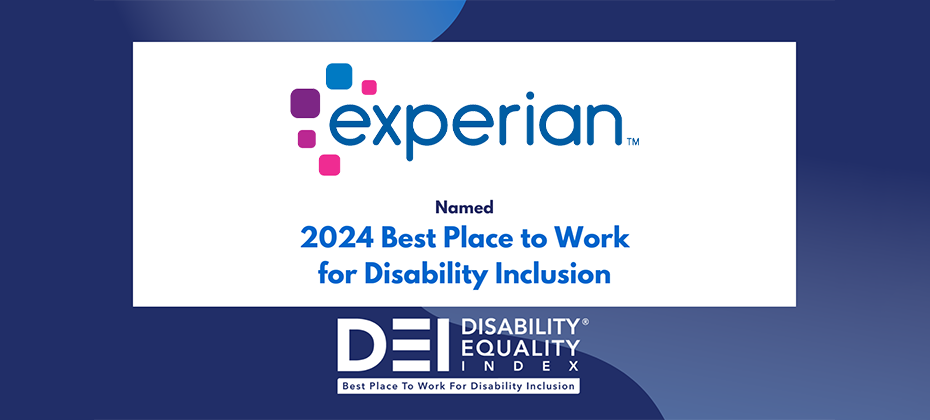
2024 Best Place to Work for Disability Inclusion

Web Developer
With a passion for crafting seamless digital experiences and a keen eye for front-end development, Krishna brings practical insights and hands-on expertise to every post. Whether exploring new frameworks or optimizing performance, his writing reflects a commitment to clean code and user-centric design.
With a passion for crafting seamless digital experiences and a keen eye for front-end development, Krishna brings practical insights and hands-on expertise to every post. Whether exploring new frameworks or optimizing performance, his writing reflects a commitment to clean code and user-centric design.
With a passion for crafting seamless digital experiences and a keen eye for front-end development, Krishna brings practical insights and hands-on expertise to every post. Whether exploring new frameworks or optimizing performance, his writing reflects a commitment to clean code and user-centric design.