
At Experian, we often say our people are our biggest superpower – and today, I’m thrilled to share that this belief has been recognised once again. Experian has been named one of the 2025 World’s Best Workplaces™ by Fortune and Great Place to Work® for the second year in a row.
This achievement reflects the culture we’ve built together – one that’s welcoming, inclusive, and rooted belonging. It’s a celebration of every colleague who brings their whole self to work, who lifts others up, and who powers opportunities for our clients, consumers, and communities.

We’ve made it our mission to create a workplace where everyone feels included, respected, and empowered. That’s why we’re proud to have earned top scores on the Corporate Equality Index and the Disability Equality Index, and to be recognised with the Outie Award for Workplace Excellence and Belonging.
These recognitions matter. But what matters most is how our people experience life at Experian. Whether it’s collaborating, innovating, or growing through world-class development of products, services and contributing to our communities, our culture is designed to help everyone thrive.
We’ve also made bold commitments to career development. Initiatives like Global Careers Week, the AI-driven performance coach Nadia, and the NextGen Forum – a global leadership development programme for emerging talent from across our regions – give our people the resources to take charge of their growth and build a “One Experian” mindset.
Being named one of the World’s Best Workplaces is a moment to celebrate but also a reminder to keep aiming higher. The world of work is evolving fast, and so are we. From embracing AI to enhancing our digital workplace experience, we’ll continue to push forward and listen to our people every step of the way.
Questions we will discuss:
- What does “retirement readiness” mean to you, and how can someone tell when they are financially ready to retire?
- Is there a magic number for retirement savings, and what factors should someone consider when setting a retirement goal?
- How can someone estimate their retirement expenses realistically?
- What are some common myths or misconceptions about how much money you need to retire?
- How should Gen Z, Millennials, and Gen Xers each approach retirement planning differently based on their stage of life?
- What are the biggest obstacles people face when trying to save for retirement, and how can they overcome them?
- How can you balance saving for retirement with paying off debt or supporting family today?
- What tools, calculators, or strategies can help people figure out if they’re on track for retirement?
- How can people prepare for unexpected costs or life changes that could impact their retirement plans?
- What’s one piece of advice you’d give someone just starting—or restarting—their retirement savings journey?
| Columns 1 | Column 2 | Column 3 | Column 4 |
|---|---|---|---|
| Row 1 Col 1 | |||
| Row 2 Col 1 | |||
| Row 3 Col 1 | |||
| Footer 1 | Footer 2 | Footer 3 | Footer 4 |

Credit Chat
Stretching your Dollars: Practical Tips to Cut Costs and Save More
February 5, 2025 3-4 PM ET
- What does “retirement readiness” mean to you, and how can someone tell when they are financially ready to retire?
- Is there a magic number for retirement savings, and what factors should someone consider when setting a retirement goal?
- How can someone estimate their retirement expenses realistically?
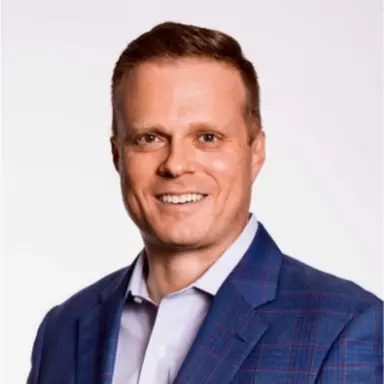
Greater transparency in buy now, pay later activity is key to helping consumers build their credit histories and supporting responsible lending. We have members of the military right now right out of high school and there’s not a lot of experience managing their own money. They’re quickly thrust into a place where they don’t have a support system to do that. We have members of the military right now right out of high school and there’s not a lot of experience managing their own money. They’re quickly thrust into a place where they don’t have a support system to do that. We have members of the military right now right out of high school and there’s not a lot of experience managing their own money. They’re quickly thrust into a place where they don’t have a support system to do that. We have members of the military right now right out of high school and there’s not a lot of experience managing their own money. They’re quickly thrust into a place where they don’t have a support system to do that. We have members of the military right now right out of high school and there’s not a lot of experience managing their own money. They’re quickly thrust into a place where they don’t have a support system to do that.
Experian North AmericaScott Brown, Group President, Financial Services

I’m a Marketing Specialist with Experian’s shared Marketing and Innovation department, which means my team and I work with different business units within Experian to strategize and build email marketing campaigns for our clients and prospects. My role in marketing is largely driven by analytics. I help my clients strategize and develop emails that get deployed to consumers who might be looking for better access to credit or information to make decisions for their business. I help my clients create a communication strategy rooted in data, then review the performance of their campaigns to analyze how they can improve their communications in the future. I can definitely tell when my work is making a difference. Often businesses make marketing decisions based on gut feelings—like randomly choosing to add a green button to an email campaign rather than a red button simply because they like that color better. Without the numbers behind that decision-making process, they’re simply relying on feelings. But when I come in using data from the campaign, I can prove that the green button drove 50 percent more click-throughs than the red one, for example. Recently I developed a training guide for marketers to help them learn more about email marketing analytics and how they can use data to transform how they communicate with their own clients and consumers. Whenever a marketer deploys emails, they want to know and understand how the campaign performed. I have often found, however, that marketers shy away from even basic metrics like click-through rates because they think the numbers are too difficult to understand, or they don’t know how to properly gather that information. The guide I built gives our clients some of the tools they need to pull the metrics and break down the numbers. Once a marketer understands the story the data is telling them, they can begin to improve on subject lines, calls to action and other email campaign components to better reach their audiences and drive revenue. In other words, they can improve their businesses and address their customers’ needs better by relying on data instead of gut feelings. Read more #ExperianStories from our colleagues around the world.
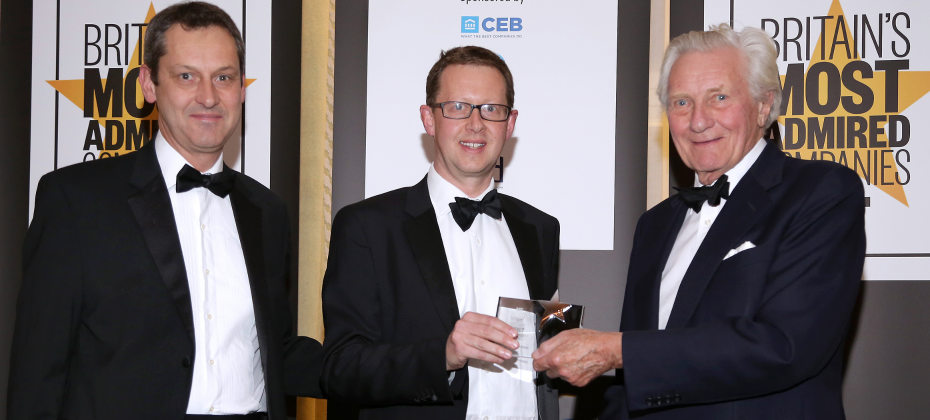
Experian has been ranked as Britain’s Most Admired Company in the Business Support Services category at Management Today’s prestigious ‘Britain’s Most Admired Companies’ awards 2016. Experian also posted a top ten finish in the overall rankings. It’s the second time Experian has had the honour of winning the Business Support Services category after picking up the honour first time around in 2013. Commenting on the accolade, CEO, Brian Cassin said: “This is a clear recognition of Experian’s strategic focus on helping businesses and consumers achieve better outcomes, whether that’s creating greater financial access, preventing fraud or facilitating business growth. I also believe it’s a testament to our 17,000 colleagues around the world who work every day to service and power opportunities for all our customers.” Organised by Management Today magazine, the BMAC Awards give an insight into the corporate reputations of UK businesses with the winner determined by a poll of the biggest companies, which evaluate their peers. You can see the full list of 2016 winners on the Management Today website. Photo: Experian’s Bill Floydd and Tom Blacksell receive the BMAC Award from Lord Michael Heseltine

I am a Senior Business Analyst in Experian’s office in Bulgaria. When refugee camps in my country first began filling up with Syrian refugees, I went to help as a volunteer. Since Experian had helped with similar initiatives for those in poverty in Bulgaria, I thought it would be a good idea to volunteer so I could inform other Experian employees of ways they could volunteer in the future. And now I can see that happening, as Experian is about to embark on a new volunteer project as a result. When I first stepped into the refugee camp as part of my own volunteer efforts, it was evening and nearly winter. I came with two volunteers, each carrying bags of clothes and food. No one can really prepare you for the conditions you witness in the camp, and they’re difficult to describe, too. Families had staked claims in small spaces by hanging up curtains, and while some families had the luxury of a bed made from a basic mattress, most people slept on the ground. As I made my way through the camp, I met a family of 12, including a small baby. I was overwhelmed by the welcome they gave me as they invited me to stay and talk with them. A few of them spoke some English, but the rest just wanted to communicate to me in whatever way they could. They graciously prepared me a dinner in traditional Syrian style — couscous, with vegetables and sauces. The meal was like a small celebration for them. They were delighted to even have my attention. Before I left, they sang me a traditional Syrian song that brought tears to my eyes. These people were a normal family — just like mine. They may be from a different country, speak a different language and have different cultural traditions, but I felt a strong sense of kinship to them. My experience grew in me a desire to do more for refugees coming to our country and bring more people along to help. I decided to apply for funding for Experian to work alongside the Refugee Project in a joint initiative to make a bigger, long-term impact on these people. This funding would give other Experian employees a chance to volunteer and provide refugees with the supplies they need. Additionally, Experian is in the process of organizing workshops for families who wish to stay in Bulgaria. These workshops will provide financial education to help them open a bank account, learn how our financial system works and give them the financial information they need to rebuild their lives. It means a lot to me to see what a difference we’re making and how we’re changing lives. I love knowing our work is helping people find a place to live, get a job and start their own business, as well as introducing Syrians to our local culture and customs. Read more #ExperianStories from our colleagues around the world. Photo: Tram in Sofia, Bulgaria

2024 Best Place to Work for Disability Inclusion

Web Developer
With a passion for crafting seamless digital experiences and a keen eye for front-end development, Krishna brings practical insights and hands-on expertise to every post. Whether exploring new frameworks or optimizing performance, his writing reflects a commitment to clean code and user-centric design.
With a passion for crafting seamless digital experiences and a keen eye for front-end development, Krishna brings practical insights and hands-on expertise to every post. Whether exploring new frameworks or optimizing performance, his writing reflects a commitment to clean code and user-centric design.
With a passion for crafting seamless digital experiences and a keen eye for front-end development, Krishna brings practical insights and hands-on expertise to every post. Whether exploring new frameworks or optimizing performance, his writing reflects a commitment to clean code and user-centric design.