At A Glance
aag optionalthis is heading!

kjdaskldj
some company name herekdljsaldkjlska
Docker is an open-source project to easily create lightweight, portable, self-sufficient containers from any application. The same container that a developer builds and tests on a laptop can run at scale, in production, on VMs, bare metal, OpenStack clusters, public clouds and more.
Docker is an open-source project to easily create lightweight, portable, self-sufficient containers from any application. The same container that a developer builds and tests on a laptop can run at scale, in production, on VMs, bare metal, OpenStack clusters, public clouds and more.
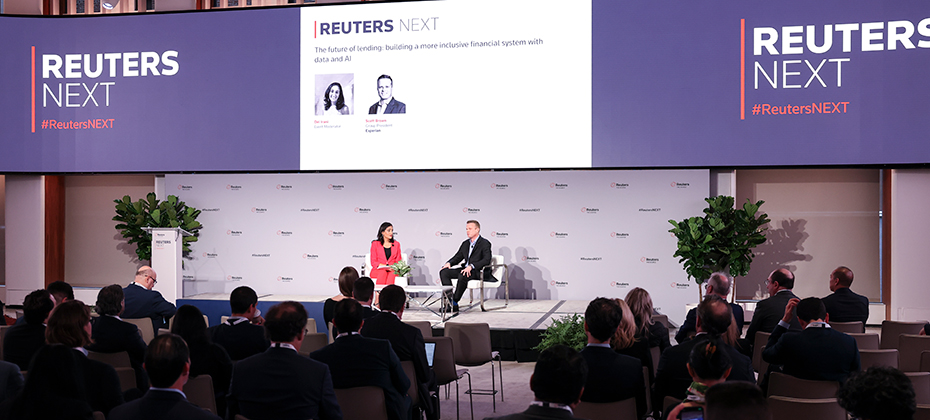

thisis a contet t for medai text block!
Paragraph Block- is simply dummy text of the printing and typesetting industry. Lorem Ipsum has been the industry’s standard dummy text ever since the 1500s, when an unknown printer took a galley of type and scrambled it to make a type specimen book. It has survived not only five centuries, but also the leap into electronic typesetting, remaining essentially unchanged. It was popularised in the 1960s with the release of Letraset sheets containing Lorem Ipsum passages, and more recently with desktop publishing software like Aldus PageMaker including versions of Lorem Ipsum.
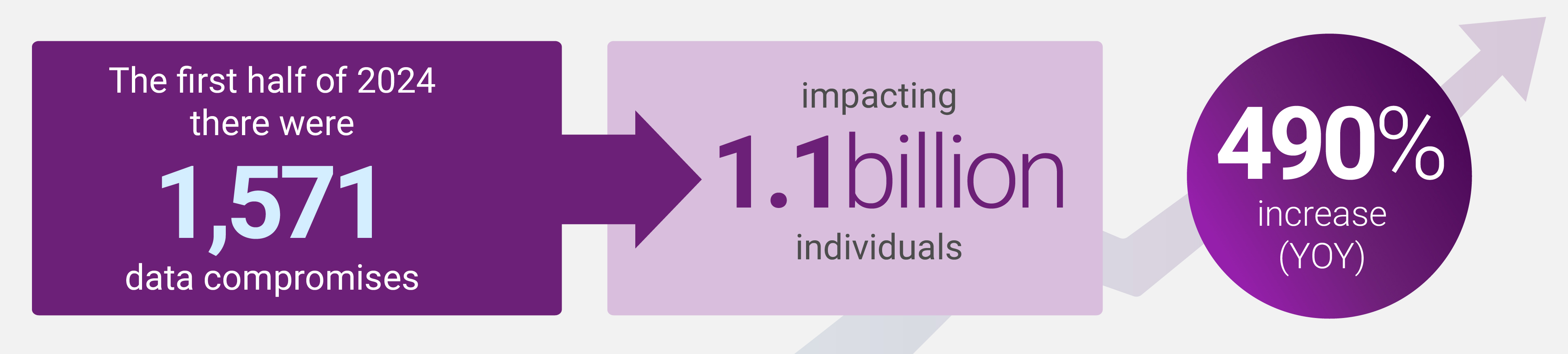
Heading 2
Heading 3
Heading 4
Heading 5
- This is a list
- Item 1
- Item 2
- Sub list
- Sub list 2
- Sub list 3
- More list
- More list 2
- More list 3
- More more
- More more
This is the pull quote block Lorem Ipsumis simply dummy text of the printing and typesetting industry. Lorem Ipsum has been the industry’s standard dummy text ever since the 1500s,
ExperianThis is the citation

This is the pull quote block Lorem Ipsumis simply dummy text of the printing and typesetting industry. Lorem Ipsum has been the industry’s standard dummy text ever since the 1500s,
ExperianThis is the citation
| Table element | Table element | Table element |
| my table | my table | my table |
| Table element | Table element | Table element |
Media Text Block
of the printing and typesetting industry. Lorem Ipsum has been the industry’s standard dummy text ever since the 1500s, when an unknown printer took a galley of type and scrambled it to make a type specimen book. It has survived not only five centuries, but also the leap into electronic typesetting, remaining essentially unchanged. It was popularised in the 1960s with the release of Letraset sheets containing Lorem Ipsum passages, and more recently with desktop publishing software like Aldus PageMaker including versions of Lorem Ipsum
My Small H5 Title

My first column title
Many desktop publishing packages and web page editors now use Lorem Ipsum as their default model text, and a search for ‘lorem ipsum’ will uncover many web sites still in their infancy.

My second column title
Many desktop publishing packages and web page editors now use Lorem Ipsum as their default model text, and a search for ‘lorem ipsum’ will uncover many web sites still in their infancy.

There’s no question the COVID-19 pandemic is contributing to a unique 2020 holiday season, but there are consistent truths that remain when it comes to the holidays and personal finance. While the season is known for being merry and bright, sadly, financial challenges and stress are equally common for many this time of year. According to our latest holiday spending survey, 60% of consumers feel stressed about their finances during the holiday season and half feel the extra expense of the holidays makes them hard to enjoy. More than half (52%) say COVID-19 has caused credit or financial barriers which are preventing them from doing their shopping the way they had planned. At the same time, 62% agree holiday shopping puts a strain on their finances. In an effort to alleviate some of the financial stress some may be facing, I wanted to share three ways you can protect your financial health this holiday season and prepare for a financially healthy new year: Start with a budget and a plan. It’s easy to lose track of spending and take on unexpected debt during the holidays, which is why creating a budget is an important first step to protect your financial health. Experian research shows the average American plans to spend $775 on holiday gifts this season, but your holiday budget will depend on your unique financial situation. Outline how much you can realistically afford to spend and try to factor in expenses that are sometimes overlooked, which can be a challenge. In fact, our research found four out of five consumers often run into unexpected expenses they hadn’t planned for, including buying unexpected gifts (25%), gift wrapping supplies (25%) and mailing costs for sending gifts (21%). Once you’ve outlined your budget, creating a plan for who you need to shop for and where you’re going to shop can be a helpful next step. Our survey showed 62% of consumers plan to shop more online this year due to COVID-19. If you’re planning to do more shopping from the comfort of your home this year too, tracking online sales and promotions can help you save money, and factoring in shipping costs can help keep your holiday budget on track. Setting a budget and sticking to it, and having a shopping plan to avoid impulse buying will help keep you from falling victim to the pressure of overspending around the holidays. Use credit as a financial tool. Over half of shoppers say they will use credit cards and not cash when holiday shopping. This is an 8% increase from 2019. While using credit wisely is important all year, this is especially true around the holidays. The key is strategic use of credit – whether using a card that provides low interest, rewards points, or cash back – to improve the shopping experience and stretch your dollars. Over a quarter of people say they plan to open a new credit card for the holiday season, which is a 5% increase year-over-year. The top reasons for wanting to open a new card include seeking a promotional no annual percentage rate (APR) credit card, wanting to get a retail store discount, and maximizing spending by getting a card with cashback rewards. If you’re considering applying for a new credit card, improving your credit score can help you take advantage of the best credit offers this holiday season. Experian Boost allows you to get credit for paying your telecommunications, cell phone, utility bills, and streaming services payments on time. More than 4.9 million consumers have connected to the service since March of 2019 and about 61% of those who use Experian Boost see their scores improve. When you’re ready to explore credit card options, Experian’s free Credit Match program can help you find personalized credit card offers based on your unique credit history. Remember, credit is a financial tool, debt is a financial problem. Debt you can’t repay will certainly bring down one’s holiday spirit. If you don’t have a plan for paying off your credit card, using credit may not be a good idea. Protect your identity. The holidays may be the riskiest time of the year when it comes to identity theft and credit fraud. Identity thieves of all sorts are aware that consumers spend significantly more during the holiday season. While many of us are hunting or scrolling for the perfect gifts for friends and family, fraudsters are hard at work too. The number of consumers surveyed who have been identity theft victims during past holiday shopping seasons jumped to 24% from 12% in 2019. The holidays are always a ripe time for cybercriminals with the increased online traffic and this is especially true against the backdrop of COVID-19. To protect yourself from identity theft while shopping online, avoid using public WiFi networks, create strong passwords for your online accounts, and only shop on secure websites you are familiar with. If you are shopping at a store, be sure to cover your credit card information when you enter it, or your personal information if you are applying at the point of sale. Shoulder surfers can use their phones to take a quick photo or video to steal your identity. Also avoid leaving your purse or wallet, or any documents in your car. Identity thieves stalk parking lots looking for opportunity that is just a broken window away. Credit cards offer more protection for both online and in-person purchases than your debit card or cash, so consider using credit for your purchases. If fraud occurs, the money is not gone from your checking account and you can file a claim with your card issuer. Pay the balance in full right away to avoid interest charges. Checking your credit report often can help you spot fraudulent activity. You can get a free credit report from all three bureaus at AnnualCreditReport.com through April 2021. Identity theft monitoring is an easy way to monitor your financial accounts and credit report to identify possible fraud such as a credit card account opened in your name. While the holidays may look a little different this year when it comes to protecting your financial health the same rules still apply. For more information about how to protect your credit history in 2020 and beyond, visit www.askexperian.com or join our weekly CreditChat every Wednesday on Twitter at noon PST/3 p.m. EST.

Experian Launches Global Funding Program to Help Improve Financial Health for Communities Worldwide
Corporate ResponsibilityAt Experian, our mission is to increase financial inclusion by empowering consumers. Through our corporate responsibility work, we have always been committed to using our resources to help more people improve their financial health through non-profit partnerships, data analytics, products and services, volunteering and educational programmes. Now, we have an opportunity to reach even more people in hugely underserved communities. Experian has launched the global United for Financial Health project to empower vulnerable people to improve their financial health through education and action. Through the United for Financial Health programme, Experian is partnering with non-profit organizations across the globe to deliver tools and resources to help those affected the most, and certainly, COVID-19 has amplified the need. We have already launched our first three partnerships in the U.S: Operation HOPE – an organisation whose aim is to uplift disenfranchised youth and adults from poverty to thriving in a credit ecosystem. One of the goals of the partnership is to help ethnic minority groups who are struggling to raise and sustain a 700-credit score or higher. By helping people raise their credit scores we can shift their mindset from one of “survival” to “thriving” and make a real difference in their lives. For some, a higher score may mean the ability to purchase a new car, have a credit card, own a home, or simply save money for their family. Black Girl Ventures – a non-profit that advocates for Black and Brown women entrepreneurs and their small businesses. Our partnership will provide financial resources to help scale its BGV Style Pitch Competition and Amplify BGV Programs and we are a proud sponsor of BGV’s new weekly podcast, “From Hustling to Handling, How to Stay in Business.” Together, we will curate entrepreneurial education content to assist a broader audience with knowledge and best practices related to financial literacy and wealth management. NAACP Empowerment Programs – part of the largest and most pre-eminent civil rights organization in the U.S. Our partnership creates The Home Preservation Grant, which will provide grants to African American homeowners at risk of losing their homes because of COVID-19-related hardship. In the UK, we are delighted to launch a new partnership with the charity National Numeracy. Numeracy is the strongest predictor of a person’s financial literacy and is therefore crucial to their financial health. However, poor numeracy is widespread, and disproportionately affects low-income communities where people are most at risk of marginalization from the COVID-19 pandemic. Thankfully, confidence and competence with numbers is within everyone’s grasp, with the right support. Working together, we can inspire and support over 60,000 people to take positive steps towards building their confidence and competence with numbers, helping many of those most affected by this crisis take their next step towards improved financial health. We have already made good progress in a relatively short space of time and will continue to invest our energy into building further partnerships to reach more people in need of support. This is just the beginning of our journey, but we are confident that we can make a huge difference to millions of people in communities across the globe.

United for Financial Health Partnership Provides Mortgage Relief Through a New Pilot Program
Corporate ResponsibilityI still remember buying my first home in Southern California in my mid 20’s. After going through countless open houses and unfamiliar living rooms, I found a home that met my needs. I decided to take the plunge, put an offer in, and hope for the best. It was a roller coaster of emotions – excitement, fear, joy, and pride. Owning a home is considered a mark of financial achievement. It not only builds generational wealth but also contributes to the generational vibrancy of communities. For many, the COVID-19 pandemic has pushed that dream further out of reach or threatened to take it away. That’s why we are thrilled to announce the launch of the Home Preservation Grant. We are partnering with the NAACP Empowerment Programs for this pilot program, which will provide up to $10,000 in grants to select African American homeowners at risk of losing their homes because of COVID-19-related hardship. The Home Preservation Grant is part of our United for Financial Health program here at Experian, which aims to empower and protect vulnerable consumers to improve their financial health through education and action. For this pilot, we are targeting homeowners in the Atlanta, Ga. area and we plan to expand the program to other cities across America in the future. The application process is open now and ends on December 8. Grant recipients will be announced on December 14, providing what we hope will be some much needed relief in time for the holidays.
Related Posts
In this article…
typesetting, remaining essentially unchanged. It was popularised in the 1960s with the release of Letraset sheets containing Lorem Ipsum passages, and more recently with desktop publishing software like Aldus PageMaker including versions of Lorem Ipsum.