At A Glance
aag optionalthis is heading!

kjdaskldj
some company name herekdljsaldkjlska
Docker is an open-source project to easily create lightweight, portable, self-sufficient containers from any application. The same container that a developer builds and tests on a laptop can run at scale, in production, on VMs, bare metal, OpenStack clusters, public clouds and more.
Docker is an open-source project to easily create lightweight, portable, self-sufficient containers from any application. The same container that a developer builds and tests on a laptop can run at scale, in production, on VMs, bare metal, OpenStack clusters, public clouds and more.
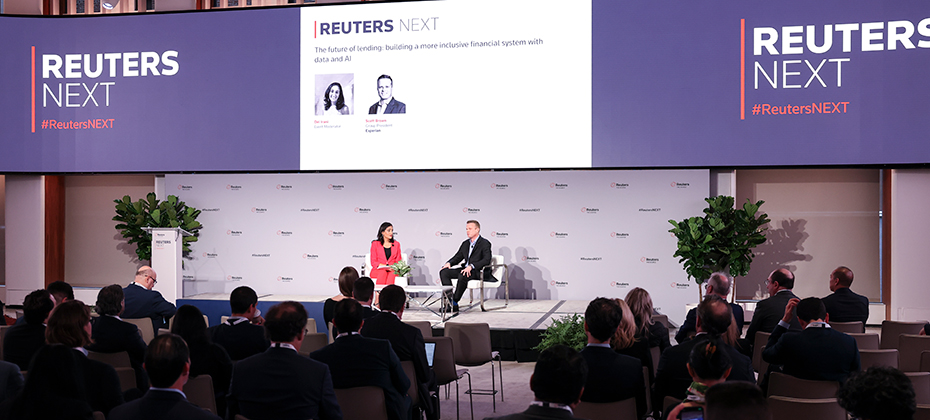

thisis a contet t for medai text block!
Paragraph Block- is simply dummy text of the printing and typesetting industry. Lorem Ipsum has been the industry’s standard dummy text ever since the 1500s, when an unknown printer took a galley of type and scrambled it to make a type specimen book. It has survived not only five centuries, but also the leap into electronic typesetting, remaining essentially unchanged. It was popularised in the 1960s with the release of Letraset sheets containing Lorem Ipsum passages, and more recently with desktop publishing software like Aldus PageMaker including versions of Lorem Ipsum.
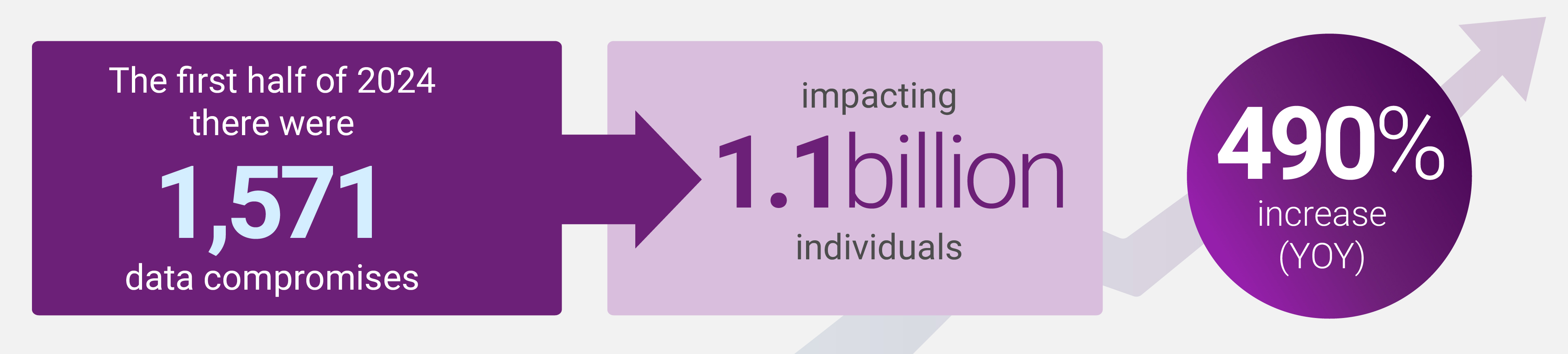
Heading 2
Heading 3
Heading 4
Heading 5
- This is a list
- Item 1
- Item 2
- Sub list
- Sub list 2
- Sub list 3
- More list
- More list 2
- More list 3
- More more
- More more
This is the pull quote block Lorem Ipsumis simply dummy text of the printing and typesetting industry. Lorem Ipsum has been the industry’s standard dummy text ever since the 1500s,
ExperianThis is the citation

This is the pull quote block Lorem Ipsumis simply dummy text of the printing and typesetting industry. Lorem Ipsum has been the industry’s standard dummy text ever since the 1500s,
ExperianThis is the citation
| Table element | Table element | Table element |
| my table | my table | my table |
| Table element | Table element | Table element |
Media Text Block
of the printing and typesetting industry. Lorem Ipsum has been the industry’s standard dummy text ever since the 1500s, when an unknown printer took a galley of type and scrambled it to make a type specimen book. It has survived not only five centuries, but also the leap into electronic typesetting, remaining essentially unchanged. It was popularised in the 1960s with the release of Letraset sheets containing Lorem Ipsum passages, and more recently with desktop publishing software like Aldus PageMaker including versions of Lorem Ipsum
My Small H5 Title

My first column title
Many desktop publishing packages and web page editors now use Lorem Ipsum as their default model text, and a search for ‘lorem ipsum’ will uncover many web sites still in their infancy.

My second column title
Many desktop publishing packages and web page editors now use Lorem Ipsum as their default model text, and a search for ‘lorem ipsum’ will uncover many web sites still in their infancy.

At Experian, we are committed to educating consumers about how to manage their credit histories and protect their financial health. At the same time, we know the COVID-19 pandemic has created a difficult economic reality for millions of Americans. In response, many people have questions about how to protect themselves financially, including their credit histories and scores. To address these questions, we partnered with pro football legend and American Ninja Warrior host Akbar Gbajabiamila to educate consumers across the country about steps they can take to protect their financial health and their credit standing. Gbajabiamila, author of “Everyone Can be a Ninja,” is passionate about helping people develop a financial game plan and he understands having a good credit history is a key component of good financial health. These interviews provided a platform for Gbajabiamila to share the four-point financial fitness game plan consumers can use protect and improve their financial health during the pandemic, including: Contacting your lenders as soon as possible if you think you may miss a payment. Many lenders provide emergency support, which can help protect your credit standing. Getting credit for paying cable, satellite, internet, Netflix and utility bills on time with Experian Boost Exploring balance transfer options or other introductory credit offers through Experian Credit Match Checking your credit report regularly. It’s free once a week at AnnualCreditReport.com. Tune in to Gbajabiamila’s interview with NBC Washington and hear his message to consumers in the videos below. For more credit education resources and tools: Join Experian’s #CreditChat hosted by @Experian on Twitter with financial experts every Wednesday at 3 p.m. Eastern time Visit the Ask Experian blog for answers to common questions, advice and education about credit For additional resources visit www.experian.com/coronavirus

In 2013, I came out to my brother. Sitting down at dinner, knowing whole-heartedly that he would fully accept me and nothing with our relationship would change, I was still scared. Each year on October 11, National Coming Out Day, I reflect on that first coming out experience and what I truly feared. Even though I knew I was safe, I also knew that coming out to him was just the start of coming out every single day for the rest of my life. It was the start of facing discrimination and judgment both in day-to-day life and professionally. It wasn’t a decision I made lightly. Coincidently, my brother came out to me at that very same dinner which certainly took some weight and anxiety off my shoulders. We came out to our family, together later that week and we were welcomed with love, acceptance, and support. The unconditional support I received is not normal, but my anxiety around the process was. I am grateful and quite lucky that my initial coming out process to my family was, for lack of a better term, easy. Like many others I don’t experience that same ease everywhere I go. I have been asked to leave restaurants, turned away from stores, spat on multiple times, and even asked to leave mass during service. I am regularly questioned when entering or leaving a women’s public restroom. Michele Bodda, our executive co-sponsor of Experian’s Pride employee resource group, said it perfectly in her message two years ago, “The difficulty some of our LGBT+ colleagues face making daily decisions about where they can be fully present aren’t merely insecurities. They are the realities of being LGBT+.” Let that sink in. Coming out is not a one and done experience, it is something we do over and over throughout our lives. That reality impacts people in different ways, and it’s why acknowledging National Coming Out Day means so much to me – why it means so much to many others. I feel particularly fortunate to work for a company that celebrates and recognizes our uniqueness. I know many people at Experian, like myself, who feel empowered and supported to bring their whole self to work and that reality is assuring, professionally and personally. I have been told I am brave for bringing forth my full authentic self each day. During a time of such global anxiety, uncertainty, and open expressions of intolerance and hatred, being a voice of empowerment, representation, and visibility for folks who do not feel comfortable being out is more important than ever. I’m willing to be a voice so others know they are not alone. Be brave with me. And if you’re not ready, I understand. I’m here for you when you are.

In a world that was already becoming increasingly digital, COVID-19 expedited timelines and turned forecasted projects into immediate needs nearly overnight. I’ve seen this play out in my role at Experian as well as across the financial services industry. Experian was recognized as an innovative company prior to the pandemic and the current environment has only accelerated our ability to innovate. As we surpassed the six month mark adjusting to our new normal, I was invited to join Bloomberg’s Future of Finance: Leveraging Digital Transformation for a Virtual World roundtable discussion with Senior Analyst of Bloomberg Intelligence Julia Chariell and leaders from IBM, Ally Financial, Deutsche Bank and others, to share how we are rising to meet the needs of consumers and lenders during the COVID-19 pandemic. You can find a recap of our conversation here and view the full video discussion here. We know each American is facing unique COVID-19-related circumstances, so there is not a one-size-fits-all solution. This notion has carried us as we are rising to meet the needs of our clients and consumers during the pandemic. We must allow individuals who can still meet their financial obligations to have access to credit and ensure lenders can identify them. Maintaining and improving financial access for these consumers will play an important role in our road to economic recovery. To continue to lend responsibly, the financial services industry must carefully examine all aspects of consumer financial capability in near real-time – consumer control and consumer-permissioned data play a key role in achieving this. By leveraging accurate data, I believe we have a chance to lessen the impact of the current U.S. economic crisis, extend credit responsibly, and support the hardest-hit consumers as we adjust to a new world post COVID-19.
Related Posts
In this article…
typesetting, remaining essentially unchanged. It was popularised in the 1960s with the release of Letraset sheets containing Lorem Ipsum passages, and more recently with desktop publishing software like Aldus PageMaker including versions of Lorem Ipsum.