- This mission is deeply personal to me. I was born in the United States but spent my formative years in Taiwan, where credit was not part of everyday life. When I returned to the United States for college, I realized that being financially responsible did not automatically translate into having a strong credit profile. I was fortunate that credit did not stand in my way, but that uncertainty stayed with me and shaped my perspective.
- That experience fuels my passion for building tools like EVA. Financial health shapes where we live, what we can plan for, and how secure we feel. Yet managing money and credit can still feel complex or intimidating. EVA helps cut through that complexity by meeting people where they are and adapting in real time to their needs with guidance that feels clear and relevant.
- Improved targeting and personalization: Demographic segmentation powers highly customized campaigns so you can cater to different income levels, family structures, job types, and so forth. B2C brands can provide offers based on factors like age, income, and gender, while B2B brands can target by occupation to reach decision-makers.
- Better product and service development: Understanding which demographics use your product or service is a great way to inform future improvements.
- Higher engagement: With highly customized content, you can speak directly to specific demographic groups and increase engagement.
- Cost efficiency: As you target the most relevant segments, you optimize your spending around the most likely buyers and will see better returns.
- Increased conversion and retention: Relevant, targeted messaging leads to higher conversion rates, and when people feel understood, they’ll want to keep coming back.
- Clearer customer insights: Demographic data provides precise, actionable insights for refining your marketing strategy.
- Simplicity and effectiveness: Demographic insights are immediately actionable and easy to implement, which gives you a great starting point for focused campaigns
If you’re anything like me, you’re likely spending much more time online these days. From online shopping to grocery and food delivery and thumbing through our social media feeds – the COVID-19 pandemic has many of us spending more time in our homes and “plugged in” than ever before. The COVID-19 pandemic has also contributed to an increase in fraud activity. According to the FTC from January to early October 2020, consumers have reported losing a total of more than $156 million to COVID-19-related fraud. At Experian, we are committed to protecting consumer financial health during the pandemic and beyond. Educating consumers about how to protect their personal information online is key to supporting this effort. As we prepare to enter the holiday season in our virtual world and in honor of National Cybersecurity Awareness Month, I’d like to share a few ways you can protect your financial health online: Shop Safely Online As I mentioned, the amount of shopping you do online has likely increased significantly since the start of the COVID-19 pandemic. This is a trend that’s expected to continue. In fact, according to a recent report from Experian, as many as half of consumers globally expect their spending online to increase in the next 12 months. Practicing safe online shopping habits is always important. This is especially true now. While you may not be spending as much time in airports or your local coffee shops, it is a good practice to avoiding using your financial information to make purchases online if you are on a public WiFi network. Without a password protected network, you have a higher risk of fraudsters gaining access to your banking information which could significantly damage your financial health. Using a virtual private network or a VPN can be an added layer of protection when you are entering your financial information online. Using a credit card to make your online purchases is also a useful way to protect yourself against losses tied to fraudulent charges. According to the federal Fair Credit Billing Act if your credit card — the physical card — is stolen and used to make fraudulent purchases, your issuer can hold you responsible for up to $50 in fraudulent charges. However, if you report the card stolen before any fraudulent charges are made, you have no liability. If your card number is stolen but you’re still in possession of the card, you’re not responsible for any fraudulent charges. Avoid Falling for Phishing Emails Phishing is an attempt to obtain sensitive information for criminal and fraudulent purposes through email. Against the backdrop of the pandemic, there have been increased reports of phishing attempts around COVID-19 testing, vaccines, treatments and cures. Keep in mind that generally if something sounds too good to be true, it likely is. To prevent damage to your identity or your financial health avoid opening any suspected phishing emails and never click on included links. While phishing emails are getting more sophisticated, there are a few clues that can help you identify one in your inbox. If you receive a suspicious looking email, look at the sender name or email address. Phishing emails tend to have suspicious email addresses that are often different than the name of the sender (it could be anything from a slight misspelling of the senders name to an email address that is completely different). It’s also common for phishing emails to use urgent language and include unusual attachments or links. While reputable organizations may sometimes ask for personal information over email, pay close attention to the details of the email before sharing any of your information. It may be a better idea to call the requesting organization and find out if there is a more secure way to do whatever it is they may be requesting. Always think twice before clicking any links. When in doubt, type the organization’s name into an internet search and visit the site directly. Protect Your Passwords This is a basic point, but one that is commonly overlooked. Using complex passwords can be your first line of defense against potential cyber threats. I know it can be challenging but avoid using the same password for multiple online accounts. When you’re creating unique passwords, it’s best to include a minimum of eight characters with a variety of letters, numbers and symbols. Keeping track of your passwords for your online bank accounts, email, social media, shopping apps and online medical portals can be a lot to manage. A password manager subscription can be a convenient and secure way to manage your passwords. They are affordable and more secure than writing down all your passwords or using the same password for multiple accounts. Avoid Over Sharing on Social Media Oversharing on social can lead to unwanted implications. For example, fraudsters and criminals can learn a lot about you from the data included in the photos you share online, including where you are and when you are there. Avoid photos of items that can be used to determine more information about you such as your license plate or the front of your home. Keep in mind, that while it may be tempting to share photos of your family vacations on your social networks, this may also tell unwanted visitors that you are not home. Use tools to Combat Fraudsters Checking your credit report regularly can help you stay informed about potentially fraudulent activity. In an effort to encourage consumers to monitor and understand the information in their credit reports, Experian joined forces with the other U.S. credit reporting agencies, to offer free weekly credit reports to all Americans through April 2021 via www.annualcredreport.com. Credit monitoring services can help you spot potential fraud early. Experian offers free and paid services that provide daily credit monitoring alerts for things like new inquiries and accounts opened in your name, changes to your personal information and suspicious activity detected on your Experian credit report. You can find more National Cybersecurity Awareness Month resources to protect yourself online here.

As the nation’s leading Credit Bureau, we have two primary goals. On one hand, we want to provide lenders the data necessary to assess the risk that a loan applicant represents. On the other hand, we want to help consumers build credit and improve access to credit. This bifurcated set of objectives is the inspiration behind our annual State of Credit report. Each year, this report provides a view into how consumers are managing credit, including their debt levels, on-time payments and utilizations rates. Now in its 11th year, our latest report shows promising signs in terms of how consumers are managing their debts against the backdrop of the COVID-19 pandemic. While there is no question the global pandemic has created many financial challenges for consumers, this report shows something I’ve always believed: many American consumers are resilient, they make smart decisions in light of a difficult environment and they adjust their financial habits. Specific evidence for that assertion can be found as we compare 2019, the year prior to the pandemic and 2020, the year marked by the impacts of the pandemic. Year-over-year, consumers lowered their credit card balances, decreased their utilization rates and reduced delinquency rates on the recurring monthly payments they need to make to service their debt. These factors attributed to an average credit score of 688 — a six-point increase from the same period in 2019. You can view additional findings from this year’s report here. The Value Credit Data in America When determining whether to extend an offer of credit to a consumer, lenders can gain excellent insight into a consumer’s risk profile from the information included in a consumer’s credit profile. It details a consumer’s financial track record and delivers a historical view of how a consumer is managing and repaying debt over time. This information helps lenders determine who can fulfill their financial obligations and ensures consumers continue to have access to credit. Recently, there are reports of using alternative means to assess consumer creditworthiness such as cash-flow data. While Experian is a recognized leader and advocate for the use of alternative data, the use of cash flow data alone can be risky. For example, consumer’s savings have also increased since the start of the pandemic. If a consumer is responsibly and regularly investing in some form of savings, this would narrow their cash flow, which may be misleading and constrain financial access. Looking at a consumer’s credit utilization rate, payment histories and credit balances through traditional credit data remains the primary means to effectively assess lending risk for most American consumers. When necessary, layering traditional credit data with alternative credit data can provide lenders with a more detailed view of a borrower’s stability, ability and willingness to repay. For example, innovations like Experian Boost empower consumers to contribute on time payment histories for additional monthly recurring financial obligations, such as their cable, utilities, mobile phone or Netflix service, directly to their Experian credit report. These payment histories can demonstrate to lenders how reliably consumers are servicing these payments. Incorporating this information has been proven to increase the predictiveness of a consumer’s credit reputation and can complement the data derived from their lending history. Of course, not every American consumer is in a position to adjust their financial habits and make the commensurate smart decisions. Some have had the rug pulled out from underneath them. The CARES Act stimulus was effective in increasing the number of consumers who could maintain their financial health, but still some need more help as we embark on the road to economic recovery from the COVID-19 pandemic. At Experian, we feel that educating consumers about the information included in their credit report and ways they can improve their credit histories will be another factor in getting the economy as a whole humming again and helping those most in need. We pride ourselves to be “The Consumers’ Bureau” and, as such, education will continue to be a primary focus for us. In an effort to encourage consumers to regularly monitor and understand the information in their credit reports, Experian joined forces with the other U.S. credit reporting agencies to offer free weekly credit reports to all Americans through April 2021 via www.annualcreditreport.com. Experian also offers consumers free access to their credit report and ongoing credit monitoring at Experian.com. For additional ways to maintain a healthy credit profile, I encourage you to: Join Experian’s #creditchat hosted by @Experian on Twitter with financial experts every Wednesday at 3 p.m. Eastern time. Visit the Ask Experian blog for answers to common questions, advice and education about credit. Add positive telecom and utility payments to your Experian credit report for an opportunity to improve your credit scores by visiting experian.com/boost[1] For additional resources, visit https://www.experian.com/consumereducation or experian.com/coronavirus. [1] Results may vary. See Experian.com for details

There are many responsibilities I carry as CEO of Experian North America. All of them critical in terms of client relationships, product offerings, innovation, culture, our people and our purpose. A part of my work that I’m extremely passionate about is how we make a difference to consumers and their financial health. As leading data and technology company – and the world’s largest credit bureau – we have the opportunity to work with organizations and individuals every day to help them achieve their financial goals. And while that is good for business, it is also good for society and consumers. That is why I am pleased to join the HOPE Global Forum and John Hope Bryant to announce our new partnership. Operation HOPE is a national nonprofit with goals that align with our own at Experian: to uplift disenfranchised youth and adults from poverty to thriving in a credit ecosystem. We are committed to helping vulnerable communities with our data, analytics, products and services and working with Operation HOPE will help us further that mission. One way we have already been doing that is through products like Experian Boost, designed to drive financial inclusion and help people get fair and affordable access to credit. I have seen firsthand how these actions can change people’s lives. Let me tell you about an Experian Boost customer named Lawrence. Last spring, in March of 2019, his credit score was 640. He was already enrolled in our credit monitoring services, but was not proactive in trying to improve his credit score. Then, he tried Experian Boost. He was able to show positive payment history for utilities, cable, and his cell phone bills. Instantly, his score jumped 30 points. Following the advice of our credit education resources, he paid down his credit cards, which propelled his score even higher. He now has a credit score of 770. What does this mean for Lawrence and his family? Previously, they owned one car and paid 18% interest on that loan. Now, the family has two cars, and they pay 5% and 8.2% on two car loans. This represents incredible savings the family can now use for other needs, and increased access to financial services that can help them achieve other goals. This is what we mean when we talk about empowering consumers so they can have financial freedom. For some, this means the ability to purchase a car, have a credit card, own a home, or simply just save money. The financial health journey can start at any time and have a lifetime impact. I am really excited about this partnership. Together we have the potential to make a tangible difference in financial inclusion in the United States, combining Operation HOPE’s education and counseling programs with our credit education knowledge, capability and services like Experian Boost.
Related Posts

Having a diverse workforce is vital to help us innovate and deliver on the needs of our increasingly diverse clients and consumers. Over the years, we’ve made some great progress, but there’s so much more we can do and it’s going to take the collective effort of all of us to continue to move the needle. That’s why we’re gearing up to celebrate International Women’s Day (IWD). It’s a day celebrated in many countries around the world to recognize the achievements of women and drive equality among men and women. At Experian, IWD activities are extending throughout the month of March. Have a look at what’s going on around the world as Experian celebrates this important day: Asia Pacific The Asia Pacific region is hosting a range of activities across our offices in March, which will include round-table and speaker events as well as an opportunity to network and pledge their support for IWD. EMEA and UK&I EMEA and UK&I are joining together for IWD to support and celebrate diversity and inclusion. The week started with a video of employees from both regions reflecting on what diverse teams bring to our business. Employees will also be invited to a variety of events to engage and network with inspirational women and hear stories from our leaders on what diversity means to them personally. Latin America Throughout the month of March, Latin America has been running a campaign to share stories of achievements in their region and raise awareness about breast cancer prevention and other diseases more common in women. On IWD, there will be a panel of women leaders who will address issues such as the social inclusion of women in the region, women’s participation in the labor market, Experian’s commitment to female leadership and the importance of a work/life In Brazil, IWD is kicking off with a presentation by members of the United Nations to present their 50-50 Gender Equality program (which aims to eliminate gender inequalities by 2030) and how they are working with companies around the world to achieve this vision. Employees will have an opportunity to hear from leaders in our business about diversity and inclusion plans for the region, and listen to a panel of external speakers discuss diversity challenges and career development. North America Our employees in North America will be kicking off the week with celebrations across their ITS’ 13 offices in the region. Each office will have daily activities throughout the week, and all employees – including virtual and those based in smaller offices – will be invited to attend webinars focused on Diversity and Inclusion topics. On IWD, there will be panel discussions with senior leaders who will speak on various career development topics. To close out the week, there will be a special Book Club discussion on March 9. We will continue to update this blog post all week with pictures and other ways we’re celebrating IWD. Bookmark this page and come back.

I work at SEGA, a global games company. I first met Nakamura-san, my contact at Experian, about eight or nine years ago. I remember telling him at the time that I was a little sceptical of credit report and analytic companies – I thought they were either too expensive or their reports weren’t detailed enough. However, a year later I needed help from a company like Experian, and I thought I’d put them to the test. My team and I were starting to communicate with overseas markets, to work with companies around the world. So, I phoned Nakamura-san. It was a business negotiation, so I had my poker face on – I played the usual mind games you have to, insinuating that if Experian did this job well then our company might be able to offer them even more business in the future. Safe to say, they passed the test. We’ve been building a really positive relationship with Experian for the last eight years. We’re working with companies in Hong Kong, Taiwan and London at the moment. To work with them, we need information – for instance, we need to know if they’re actually located where they say they are. Even if a company gives us an address, it’s always possible that it operates from a different country – we’ve all heard about companies and their tax havens. When we have these questions, Nakamura-san and his team at Experian collect and analyse data on these companies, and give us very thorough information – breaking it all down and explaining everything to us really clearly. It’s really difficult to get the rich, detailed analysis of data you need, but Experian provides us much better data than any of our previous credit research companies managed to. They consult with us, and help us use this data to get our business to a better place. I’m very grateful for it – they’ve added great value to our business. Mr. Shinji Mutazono, Team Manager, SEGA Group Companies Finance Department, SEGA Holdings CO., Ltd.
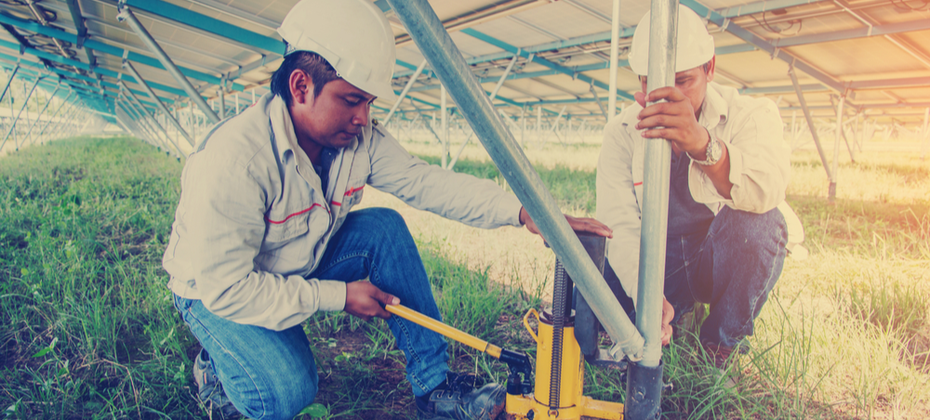
In Malaysia, nearly 280,000 people live without electricity. By volunteering with the Liter of Light program, we’re bringing solar panel lights to remote villages, transforming the quality of life and brightening the darker hours for families. In Malaysia, more than 1 percent of the population lives without electricity – one of life’s basic necessities – which equates to nearly 280,000 people living in darkness after the sun goes down. Some people have never had electricity in their life, making simple tasks like cooking or reading nearly impossible after dark. I wanted to change that. My day job is to support and enable individuals within Experian to pursue various career opportunities, but what I’m most passionate about is the way Experian helps me invest in my local community through the Heart of Experian Corporate Social Responsibility program. This year, my team and I had the chance to collaborate with Liter of Light (LOL) – a global, grassroots movement committed to providing affordable, sustainable solar light to people with limited or no access to electricity. In February, we joined one of their projects to install 60 solar street lights in the village of Orang Asli, an indigenous community in the Cameron Highlands. Over the span of two days in February, a group of 30 Experian volunteers built and installed the solar panel lights. On the first day, the LOL team taught us how to build the panels, teaching us the skills needed to cut wire, assemble PVC pipes and drill holes. The second day, we rode in Jeeps through muddy roads and a three-foot deep river to reach the village. We spent hours unloading the lights and assembling the panel boxes, plotting the village maps and identifying the right spots to install the solar panel lights. I was happy to see some of the local villagers’ curiosity and participation throughout the day. Some helped us assemble the lights while others prepared the right spots for installation by building bamboo stands. The weather was kind to us, so by 5 p.m., nearly all the lights were installed – just before dark! After completing all the hard work, our team recorded a group video using a drone that all of the Orang Asli children chased after. Thanks to our service project providing light to a village in darkness, 150 villagers in Orang Asli will now have more productive, higher-quality lives during the dark hours of the day. I’m so glad I got to play a role in that.