All blocks Testing on Page
- Professor at Hampden-Sydney College in Virginia,
-
https://unsplash.com/photos/the-night-sky-with-stars-above-a-rock-formation-NvBV-YwlgBw
looked up one of the more obscure Latin words, consectetur, from a Lorem Ipsum passage, and going through the cites of the word in classical literature, discovered the undoubtable source. Lorem Ips
| Sno | Name |
| 10011 | Jhon patherhouse |

Over the last few years, there has been a plethora of attention around hybrid and electric vehicles, from both consumers and media alike. Whether it’s due to the fact that consumers have become more environmentally conscience, or that fuel economy standards have begun to take shape, alternative-powered vehicles have steadily risen in popularity. But as the rest of the automotive industry continues to develop more fuel-efficient vehicles, can we expect this “green” car segment to keep growing?
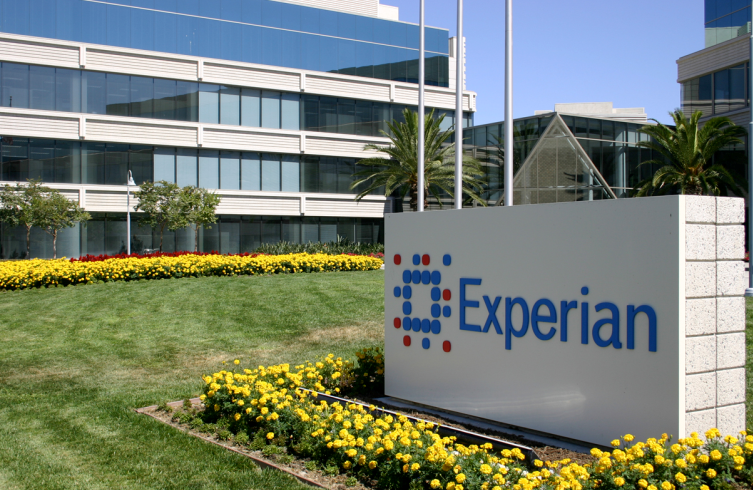 As the increased buzz about Big Data has filtered into Washington, D.C., policymakers have sought to learn more about Big Data, the technology that drives it, and the benefits and potential impacts for consumers. To that end, there have been three government reports released over the past year — two issued (1) by the Obama administration that focused explicitly on Big Data and one by the Federal Trade Commission that centered on “data brokers.”
The following article is a guest post from Paul Combe, President and CEO of Boston-based American Student Assistance. According to recent Experian research, student loans were the only type of consumer debt to increase during the recession, growing 84 percent from 2008 to 2014. Today, 40 million Americans carry college loans. The average borrower has nearly four different student loans for a total of $29,000. Keeping track of multiple loan payments and high debt can mean a rough financial start for newly minted college graduates. Evidence is mounting that student debt could be getting in the way of our economic recovery, as growing numbers of millennials delay forming their own households under the weight of their student debt burden.