At A Glance
this is aag test, add somemore content to aag 1columns filter to block add new coldasdumn
dsadsadd
dqwdqd
dqwdqwdqwd
dqwdqwd
hello this is text promo content goes here!!!!
dqwdqwd
dqwdqdqwd
heading 2
heading 3
heading 4
heading 5
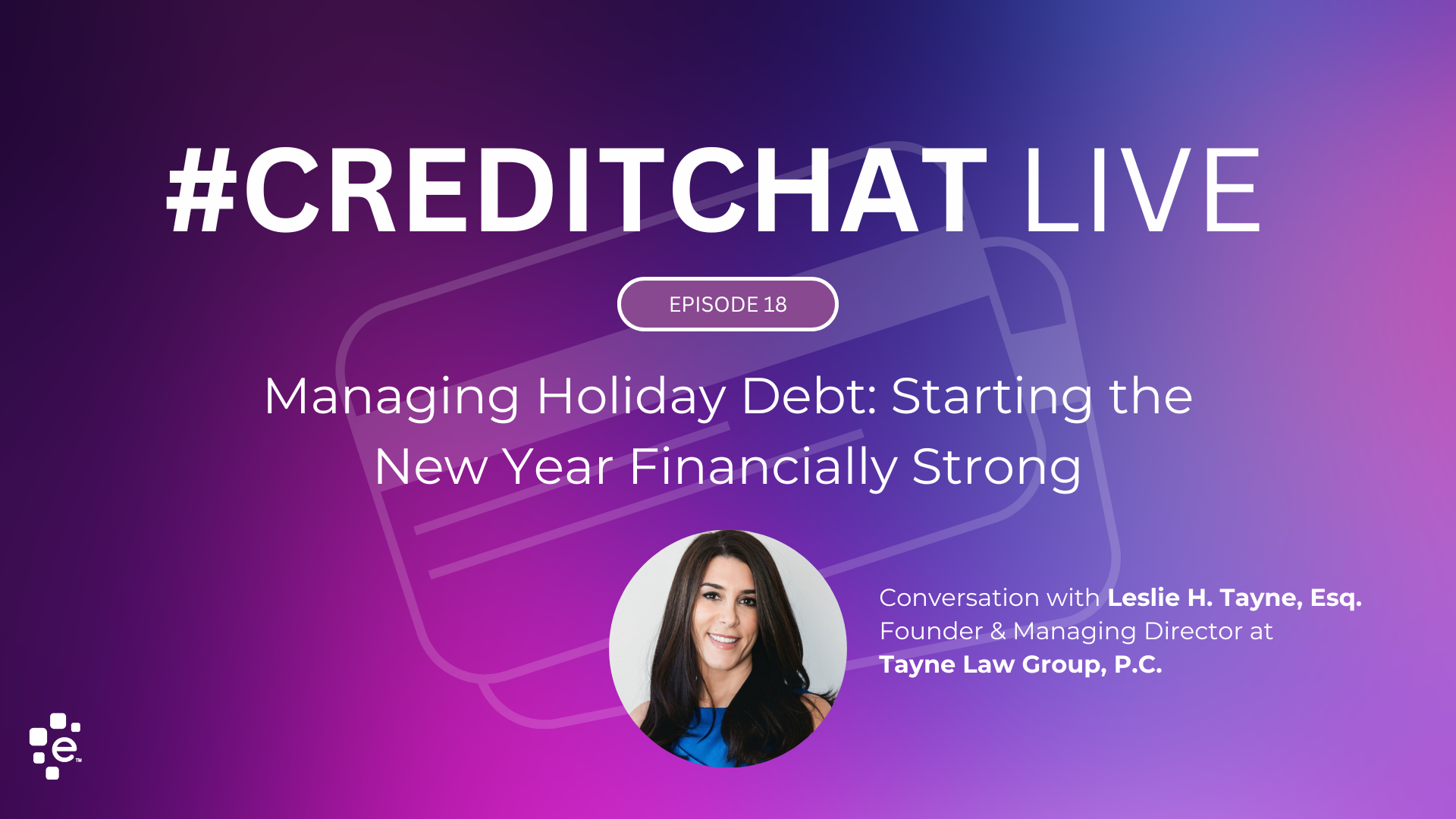
Many desktop publishing packages and web page editors now use Lorem Ipsum as their default model text, and a search for ‘lorem ipsum’ will uncover many web sites still in their infancy.

Many desktop publishing packages and web page editors now use Lorem Ipsum as their default model text, and a search for ‘lorem ipsum’ will uncover many web sites still in their infancy.

Many desktop publishing packages and web page editors now use Lorem Ipsum as their default model text, and a search for ‘lorem ipsum’ will uncover many web sites still in their infancy.
Managing Holiday Debt the Smart Way
Many desktop publishing packages and web page editors now use Lorem Ipsum as their default model text, and a search for ‘lorem ipsum’ will uncover many web sites still in their infancy.Many desktop publishing packages and web page editors now use Lorem Ipsum as their default model text, and a search for ‘lorem ipsum’ will uncover many web sites still in their infancy.Many desktop publishing packages and web page editors now use Lorem Ipsum as their default model text, and a search for ‘lorem ipsum’ will uncover many web sites still in their infancy.Many desktop publishing packages and web page editors now use Lorem Ipsum as their default model text, and a search for ‘lorem ipsum’ will uncover many web sites still in their infancy.
Many desktop publishing packages and web page editors now use Lorem Ipsum as their default model text, and a search for ‘lorem ipsum’ will uncover many web sites still in their infancy.Many desktop publishing packages and web page editors now use Lorem Ipsum as their default model text, and a search for ‘lorem ipsum’ will uncover many web sites still in their infancy.Many desktop publishing packages and web page editors now use Lorem Ipsum as their default model text, and a search for ‘lorem ipsum’ will uncover many web sites still in their infancy.Many desktop publishing packages and web page editors now use Lorem Ipsum as their default model text, and a search for ‘lorem ipsum’ will uncover many web sites still in their infancy.Many desktop publishing packages and web page editors now use Lorem Ipsum as their default model text, and a search for ‘lorem ipsum’ will uncover many web sites still in their infancy.

Many desktop publishing packages and web page editors now use Lorem Ipsum as their default model text
dasdsadThe Marketing Guy
The Marketing Guy speaks the truth
Many desktop publishing packages and web page editors now use Lorem Ipsum as their default model text, and a search for ‘lorem ipsum’ will uncover many web sites still in their infancy.Many desktop publishing packages and web page editors now use Lorem Ipsum as their default model text, and a search for ‘lorem ipsum’ will uncover many web sites still in their infancy.Many desktop publishing packages and web page editors now use Lorem Ipsum as their default model text, and a search for ‘lorem ipsum’ will uncover many web sites still in their infancy.

Guess That Credit Score
Many desktop publishing packages and web page editors now use Lorem Ipsum as their default model text, and a search for ‘lorem ipsum’ will uncover many web sites still in their infancy.Many desktop publishing packages and web page editors now use Lorem Ipsum as their default model text, and a search for ‘lorem ipsum’ will uncover many web sites still in their infancy.Many desktop publishing packages and web page editors now use Lorem Ipsum as their default model text, and a search for ‘lorem ipsum’ will uncover many web sites still in their infancy.
Check out the latest post

Knowing that clinical care accounts for only a portion of health outcomes, understanding how patients are affected by social determinants of health (SDOH) continues to gain attention as a critical factor in care delivery. COVID-19 has thrust the issue even further into the spotlight, with socially and economically vulnerable groups hardest hit by the pandemic. At the same time, the expansion of telehealth services over the last year has benefited some marginalized groups, who may feel uncomfortable visiting health facilities or may, for example, sometimes face challenges finding transportation to and from their visits. What’s clear is that when it comes to mitigating the impact of COVID-19’s lingering effects, patient identities based on clinical data alone simply won’t cut it. Providers need a holistic view of patients – both clinical and non-clinical. Many providers do not have updated contact information for the patients they want to engage, in addition to missing patient-level insights such as housing, food, access to technology, transportation and financial stability data that could help better engage patients. Given the many complicated personal and structural barriers that may exist to accessing healthcare, providers lacking SDOH data in patients’ records are risking avoidable readmissions, unnecessary ED visits, poor care quality ratings and denied reimbursements. Understanding patient needs and preferences via lifestyle factors – like occupation and technological knowledge – helps providers improve engagement, outreach and access. The results can be game-changing. The benefits of an enriched, more robust patient record with SDOH Improved certainty of patient needs to achieve healthy outcomes Whether it’s missed appointments, lack of engagement, deferred treatment, or failure to comply with care instructions – if SDOH is the cause, providers need to know. An enriched patient record that includes clearly defined SDOH risks and insights to those risks is invaluable. For example, if a patient record includes recommended engagement strategies suggesting medication delivery, or ensuring medications are with the patient at discharge, due to the patient’s difficulty accessing a pharmacy, negative outcome risk is reduced. Significant provider blind spots that might otherwise interfere with desired health outcomes can be eliminated or extensively mitigated with access to this kind of data. Consumer data gives additional insight useful in risk stratification efforts, allowing care teams to get granular and proactive if, for example, a patient’s lifestyle makes office-hour calls impossible, or if a lack of transportation requires the patient be informed that telehealth is available. Additionally, the data can flag if the patient prefers reminders by text, voice message or email. These considerations make a difference; 80-90% of modifiable contributors to healthy outcomes for a population are regularly attributed to the social, economic and environmental factors that comprise SDOH. Connecting the dots can improve care coordination SDOH data doesn’t just help flag general access issues; it can also help providers dig into specific challenges that may warrant referrals to community programs or additional staffing support. SDOH data may lead to the discovery that a patient is struggling to access healthy, affordable food and prompt a conversation about getting referred to an in-network nutritionist or local food partnership. Patient-specific information can be merged with consumer databases covering a range of socio-economic data, initiating proactive conversations with patients that can solve non-clinical gaps in care. Clarity of the “why” behind patient insights, for better communication and engagement Someone experiencing financial instability as a result of pandemic-related unemployment will expect a different financial conversation than someone who has lived in poverty for their whole life. Further, two patients with high readmission risk can have completely different social determinants of health impacting that risk. Knowing that patients are affected by SDOH is only one piece of the puzzle. Understanding the bigger picture helps create a whole picture and enables personalized, sensitive, and helpful communication. A turn-key SDOH solution that helps define the “why” behind the score avoids analysis paralysis and enables a quick, effective engagement strategy based on what really matters to patients. Supplementing patient surveys with consumer data is also important, as it provides deeper insights and recommendations for engagement strategies. Of course, a connected system only works when the patient identity is accurate and tracks them from service to service. With a universal identity manager, you can have confidence that your teams are all working from a complete, current and insights-rich view of each patient. Find out more about how Experian Health can help your organization make sense of SDOH data for better patient identity management and a more personalized patient experience.

Thanks to the global pandemic, providers were forced to re-imagine how healthcare is delivered beyond the four walls of a physical care setting. As they closed their doors to non-emergency and elective care, a massive shift in innovation, acceleration and adoption of patient engagement technology occurred, serving as a much-needed catalyst for digital transformation. As industries like retail, banking, food, and airlines embrace digital experiences, healthcare should be no exception. The renewed focus on a digital front door strategy allows patients the flexibility, personalization and convenience they’ve grown accustomed to. It’s the beginning of a new age in healthcare where quality patient information is fundamental to delivering and exceeding patient expectations. The New Age of Patient Information Patient identity is the backbone of everything in healthcare, providing the fuel for healthcare consumerization and the keys to the digital front door. As organizations focus on improving the patient experience, enabling patient access, and measuring and reporting performance, a patient identity strategy is core to enabling these enterprise-wide initiatives. As patients seek care across multiple settings, both in-person and virtual, care coordination challenges increase without a single view of the same patient. Enter patient identification—paramount to ensuring patients receive safe, accurate, and personalized care. According to one estimate, matching within facilities can be as low as 80% — meaning that 1 out of every 5 patients may not be matched to all his or her records when seeking care at a location they’ve already received care from in the past. The vision of an integrated, interoperable healthcare ecosystem starts with consistently and correctly linking disparate clinical and non-clinical data across silos to generate the single best, most accurate patient record. Having and maintaining a single, accurate view of the patient — the “golden record” — is critical to close gaps in care at the individual level, address patient safety concerns and revenue leakage associated with incorrect patient matching. The vision of an integrated, interoperable healthcare ecosystem starts with consistently and correctly linking disparate clinical and non-clinical data to a single person. In AHIMA’s 2020 Patient Identification Survey, 22% of respondents reported they achieved a 1% or less duplicate error rate in their electronic health record (EHR). How does an organization successfully get there? It starts with resolution, enrichment and protection — the three pillars of identity management that are foundational to achieve the most accurate, comprehensive and secure view of today’s healthcare consumer. Resolution – Confidently identify and match patient records & ensure accurate patient demographic data Enrichment – Update and enhance patient information for the most current, accurate, holistic patient view Protection – Authenticate a patient identity before sharing sensitive information Enabling Digital Transformation Patient identity management can prevent medical identity theft, optimize the revenue cycle, reduce denied claims, prevent duplicate record creation and enhance patient safety – leading to improved financials and boosting bottom lines in the process. In today’s vastly connected world, consumers expect a seamless patient experience based on accurate and secure data. If other industries have long accomplished this undertaking, why not healthcare? In the New Age of Patient Information — a single, best patient view is required. Download our latest guide to understand where your organization stands within the three pillars of patient identity management and how to develop a roadmap for ensuring you have the most accurate, comprehensive and secure view of today’s healthcare consumer.

Collections were tough even before COVID-19 hit. Provider’s bottom lines were already strained, and the high-deductible trend continued, putting patients on the hook for a bigger chunk of their medical bills. A highly volatile – but improving – employment environment hasn’t helped, and some patients’ ability to pay hasn’t kept pace with their growing financial responsibilities. Many have new health plans, lapsed coverage or are more focused on other debts, making collections even less predictable. Providers may also feel that payer policy changes haven’t made recouping lost pandemic revenue any easier, with some losing two whole business days per week to completing prior authorizations. It’s no wonder that nearly one in five providers have overhauled their patient collections strategy in the last year. Now, after a year of the pandemic’s impact on revenue, three dominant trends continue in this space: rising patient balances, an accelerated move toward innovative payment experiences that are moving toward digital engagement as a preferred option to paper or “payment at the counter,” and a realization that compassion is a key factor in solving this challenge. Avoiding new pitfalls in patient collections Go-to strategies for improving patient collections before the pandemic might have only included offering more patient payment options, doing more to check for missing coverage, or focusing efforts on patients who are most likely to pay. These are sensible options but, if implemented poorly, they’re more of a band-aid than a cure. Some shortcomings include: Models relying on historical payment data don’t show the full picture Providers know that focusing their collections efforts on patients who are most likely to pay is the most efficient approach. But determining a patient’s ability to pay on historical payment data alone is likely to be unreliable. Experian Health’s research suggests that when a collections model relies on historical data alone, around 50% of accounts end up being worked on the basis of no data at all. New accounts are assigned to a “highly likely to pay” segment, whether or not that reflects the reality of their situation. This model costs four times more than utilizing Experian Health’s Collections Optimization Manager, which can predict the ability of patients to pay, even without historical payment, by using multiple data sources. Collections based on limited data will require more resources to work more accounts, but which ultimately will collect the same as collections based on multiple data sources. Beware of artificial claims about artificial intelligence To streamline workflows and avoid losing staff hours to inefficient processes, many providers are turning to automated patient collection solutions. Artificial intelligence in healthcare is an exciting prospect, but not all solutions are what they seem. Matt Baltzer, Product Director at Experian Health, says: “Many collections tools claim to use artificial intelligence when they’re really using basic automations based on incomplete data. Since the quality of the output is only as good as the data that’s put in, the insights generated by these tools will be severely limited.” To solve the collections workflow challenge, providers need an end-to-end strategy that integrates multiple high quality data sources, intelligent analytics and a responsive platform that learns and adapts in order to prioritize patients and communicate with them in a way that makes collections easier. Cash payments and price transparency can be part of, but not all of, the solution One way to smooth out a bumpy revenue cycle is to offer discounts to patients who pay in cash. It saves on admin costs and guarantees at least some of the bill will be paid. While this makes sense for minor ailments, admin and treatment costs for chronic conditions and major medical events remain persistently high. A resilient collections strategy needs to work across the board, addressing the many treatments, procedures and care plans that providers deliver and manage every day. Requirements for improved collections, post-COVID-19 The cohesive, integrated model that providers need has the following key elements: Multi-data sources for comprehensive analysis Optimal collections modeling uses different sources of data to build a more reliable prediction about a patient’s ability to pay. Combining credit data, behavioral modeling and socio-economic insights can help providers better understand their patients’ financial situation and group them accordingly – quickly and accurately. Convenience and clarity for patients and staff Automated workflows with easy-to-use interfaces will make collections easier for staff, and eliminate time-wasting manual tasks. At the same time, a smoother, more targeted collections process means staff can engage with patients on the basis of accurate information, with fewer (and less stressful) calls and emails. Advanced data analytics and automation for fewer errors and denials In-depth data analytics allow providers to screen and segment patients quickly to help prioritize accounts by payment probability, to achieve a higher rate of collections. A tool such as Collections Optimization Manager will evaluate collection performance in real-time, to help providers forecast patient payments and avoid bad debt. Expert consultancy support to stay on top of industry trends With the payments landscape in constant flux, having an expert on hand to help navigate the changes and advise on industry trends is a major asset. Experian Health’s team stands ready to help providers monitor and improve collections with industry insights and best practice strategies. Find out how Collections Optimization Manger can help your organization avoid patient collections pitfalls and reduce lost revenue in the wake of the pandemic.

Navigating the complexities of health coverage and reimbursement beyond the pandemic
Claims & Contract ManagementProduct featured in this article: Coverage Discovery As of the end of March 2021, more than 53 million Americans have been fully vaccinated, allowing for cautious optimism as we prepare for the next phase of the COVID-19 journey. Unfortunately for pharmacists, the vaccination program has compounded many of the challenges of the last 12 months. Shots may be free to patients, but someone has to pay for them – and getting reimbursed is proving to be a major pain. Complicated billing processes, extra billing audits and mountains of extra paperwork, rejected claims and slow payments are not exclusive to pharmacies helping vaccinate America. With the coronavirus pandemic continuing to muddy the insurance landscape, getting hold of missing dollars is challenging. Healthcare reimbursements haven’t been straightforward for other providers either: widespread coverage loss and uncompensated care is putting extra strain on hospital revenue cycles. With the coronavirus pandemic continuing to muddy the insurance landscape, getting hold of missing dollars is challenging. Providers must find ways to quickly and accurately determine each patient’s coverage status to minimize bad debt. Navigating the complex world of post-COVID healthcare coverage What does the reimbursement landscape look like, one year on? After a long wait, elective procedures are back. But the surge in patient volumes means providers must be on their toes to keep track of coverage. The process for doing so must be streamlined and precise. Ramping up capacity to verify and check coverage without burdensome paperwork is a must. Patient intake is under pressure. More patients are coming through the doors as a result of elective services and vaccination programs (though not always to their usual facility). COVID-19 hasn’t gone away, and with pockets of infection spikes, safety remains a top priority. Capturing adequate insurance information in this context is no mean feat. Running automated coverage checks as soon as the patient arrives will minimize face-to-face contact during admissions and avoid delays. Patient access and collections staff are overburdened. Manual checks are difficult when staff are operating remotely or in a socially distanced environment, and patient information might be incomplete. Automated self-pay scrubbing can help handle the volume. A tool with built-in reporting can also offer insights on workflow and productivity, to help spot opportunities for quicker claims processing. New digital healthcare technologies aren’t always covered by insurers. Telehealth, a life raft during COVID-19, tends to be covered less often by private insurers, compared to Medicare and Medicaid. Coverage checks must factor this in to avoid errors and wasted time. Providers should opt for tools that sweep for payer updates to telehealth coverage to avoid unnecessary delays or denials. Employment levels may be inching upwards again, but tracking coverage remains a challenge as patients start new jobs with new health plans. In addition, checking for Medicare coverage in the midst of changing codes and protocols is time consuming and confusing. A third-party resource such as Coverage Discovery can look for all coverage options and make sure the right bill goes to the right payer. Find missing dollars with Coverage Discovery Hospitals, pharmacists and other healthcare providers can’t afford to continue losing money at a time when every dollar is needed to prepare for “after COVID-19.” Experian Health’s Coverage Discovery is a proven system for tracking down missing coverage quickly and easily, to avoid unnecessary revenue loss. Using billions of data assets and intelligent confidence scoring, it combs through multiple government and commercial payer accounts to maximize actionable coverage. Staff can trust the outputs and focus their attention where it’s really needed. By making coverage identification more efficient and accurate, it’s a shot in the arm for providers in need of faster reimbursements. Contact us to see how Coverage Discovery can be easily integrated into your revenue cycle, so you can maximize reimbursements over the coming weeks and months.

As Spotify and Amazon can attest, digital technology plus personalization is a winning formula. Consumers want anytime-anywhere access to the services and products they enjoy, without having to sift through irrelevant information. They want tailored recommendations that will make their life easier. More than eight in ten consumers say they’re more likely to choose businesses that treat them like a person instead of just a number. The pay-off for business—and health plans—is huge: by paving the way for better services, better relationships and a better consumer experience, personalization boosts profits, too. There’s one challenge: delivering personalization requires data. Health plans that want to offer a member-centric experience need the right insights to build a complete picture of what individual members need and want. Yet many health plans are forced to work from stale or incomplete data, notably when CMS hands over a new list of members or a new employer signs on to the plan. A system like that makes it nearly impossible to provide meaningful personalization, and consequently, the member experience suffers. With originally sourced data and consumer insights, health plans can fill in the missing links in member profiles and maximize opportunities to improve the consumer experience. Here, we look at how three specific data-driven strategies could help your health plan attract and retain satisfied members and demonstrate digital excellence by using personalization to drive improvements in communications and care. Personalize member communications for maximum engagement By looking beyond simple demographic data and clinical information, health plans can discover what really matters to members. Consumer data provides detailed insights about the kind of content that will resonate most with the member’s lifestyle, interests and health circumstances. Health plans can tailor their marketing messages accordingly, by highlighting articles about the treatment of relevant medical conditions or sending reminders ahead of annual check-ups.Health plans can also discover when and how to communicate with members so they’re most likely to respond. When member profiles reveal who prefers an email or a text and when, health plans can elicit higher levels of engagement, improve the consumer experience and see better results from targeted outreach campaigns. Make improvement decisions based on the most relevant data Consumer insights can also be used to develop improvement plans that zero in on exactly what members need for the best possible health outcomes. Combining insights on patient behavior patterns with an understanding of the challenges facing individual members means health plans can segment members, so the right support goes to the right place.For example, efforts to drive up medication adherence are going to be far more successful if based off accurate and current member profiles. Specific members can be sent automated, personalized reminders to fill out prescriptions in good time before they run out. Compare that to a “spray and pray” awareness campaign using generic messages that are likely to be ignored. Data-led improvement strategies are operationally efficient and create a better experience for members. Help members overcome social barriers to health Finally, when member profiles include a snapshot of how social and economic factors influence their ability to access healthcare, health plans can take action to offer support. Closing the gaps in care that arise when a patient fails to turn up to their appointment or ends up being readmitted to hospital, can often involve quite simple solutions. If data suggests the member has small children, but there’s no other adult in the household, it makes sense to cross-promote childcare services. Similarly, if the member isn’t known to own a car, a health plan could offer information on free transportation.Understanding these social determinants of health can help health plans offer proactive support so members enjoy better health outcomes in the long run. Experian Health’s rich datasets give health plans access to member-level insights on more than 330 million consumers, with data analysis and automation tools to help make business decisions based on the most relevant, current data. Contact us to find out how we can help provide the personalized experience members are looking for.

Many thought the end of COVID-19 was in sight with the availability of a vaccine, and while that is somewhat true, an entirely new set of issues has arrived: how to properly administer and manage the vaccine. Now that a COVID-19 vaccine is approved and underway, providers need to execute a medical billing and coding strategy to sustain vaccination efforts. We interviewed J. Scott Milne, senior director of product management at Experian Health, about what’s changed and what providers can do to prepare. How can providers ensure that vaccine administration codes are billed correctly? The ICD-10 and CPT codes for the COVID-19 vaccine haven’t existed until now, which means providers have a new set of codes to learn and unfortunately, those codes seem to change or update almost daily. As more vaccines are introduced, more codes are also introduced, and not just for the vaccine as a whole, but for each specific dose of the vaccine. For example, dose one of the Pfizer vaccine will have a code that differs entirely from dose two of the Moderna vaccine. Keeping up with these changes isn’t only difficult for provider staff, who are likely already stretched thin, but they certainly don’t want to run the risk of submitting a claim with incorrect information. The errors are what result in denials or undercharges. A solution like Claim Scrubber ensures code sets are current on a daily basis – a necessity for times like these – but applies an extensive set of general and payer-specific edits before preparing the claim for processing. That means claims for vaccine administration are error-free before submission to the payer or clearinghouse. Providers can eliminate undercharges, boost first-time pass through rates and do away with costly, time-consuming rework. But proper coding is only the first piece of the billing puzzle. The second piece is to verify the accuracy of payment received from third-party payers. How can providers ensure that third party payers will reimburse at the contracted rates? Providers can certainly get reimbursed for administering the vaccine, but there are a lot of moving parts to keep up with. For example, both Medicaid and Medicare will reimburse providers for administering COVID-19 vaccines, but the percentage of what is covered will differ by carrier and the reimbursement rates can vary both by state and type of arrangement. Reimbursement rates will also vary amongst private payers. Then there is the variation in reimbursement based on vaccine type and dosage — vaccines that require a single dose may be reimbursed at a rate different than those that require two doses. Even without the vaccine rollout underway it can be a headache for hospitals and health systems to manage multiple payer contracts and reimbursement methodologies. A solution like Contract Manager will pinpoint variance in reimbursement quickly and easily, accurately pricing claims and comparing actual allowed amounts to expected amounts. It is a tool built to adapt to changes within the industry, so providers can capitalize on emerging reimbursement schemes and changes in payer payment policies. It can also help identify sources and patterns of errors so recurring issues can be promptly resolved. The end result: the provider organization can the payer revenue that is due for vaccine administration. Interested in learning more about how providers can optimize vaccine-related reimbursements? Other blog posts in this series: Segmenting your patient population for the COVID-19 vaccine Engaging patient segments with convenient, secure scheduling solutions Authenticating portal access with automation Optimizing reimbursements by capturing missing coverage
Many desktop publishing packages and web page editors now use Lorem Ipsum as their default model text, and a search for ‘lorem ipsum’ will uncover many web sites still in their infancy.
This is a pull quote
This is test
This is a heading
Many desktop publishing packages and web page editors now use Lorem Ipsum as their default model text, and a search for ‘lorem ipsum’ will uncover many web sites still in their infancy.
- Test 1
- Test 2
- Test 3

It was popularised in the 1960s with the release of Letraset sheets containing Lorem Ipsum passages, and more recently with desktop publishing software like Aldus PageMaker including versions of Lorem Ipsum.
My Company Experian
dsdsad
this is tex tpromo container
| this is table 1 | this is table 2 |
| this is table 3 | this is table 4 |
In this article…
It was popularised in the 1960s with the release of Letraset sheets containing Lorem Ipsum passages, and more recently with desktop publishing software like Aldus PageMaker including versions of Lorem Ipsum.
It was popularised in the 1960s with the release of Letraset sheets containing Lorem Ipsum passages, and more recently with desktop publishing software like Aldus PageMaker including versions of Lorem Ipsum.
heaidng 1
It was popularised in the 1960s with the release of Letraset sheets containing Lorem Ipsum passages, and more recently with desktop publishing software like Aldus PageMaker including versions of Lorem Ipsum.
It was popularised in the 1960s with the release of Letraset sheets containing Lorem Ipsum passages, and more recently with desktop publishing software like Aldus PageMaker including versions of Lorem Ipsum.
It was popularised in the 1960s with the release of Letraset sheets containing Lorem Ipsum passages, and more recently with desktop publishing software like Aldus PageMaker including versions of Lorem Ipsum.
It was popularised in the 1960s with the release of Letraset sheets containing Lorem Ipsum passages, and more recently with desktop publishing software like Aldus PageMaker including versions of Lorem Ipsum.It was popularised in the 1960s with the release of Letraset sheets containing Lorem Ipsum passages, and more recently with desktop publishing software like Aldus PageMaker including versions of Lorem Ipsum.
heading 2
It was popularised in the 1960s with the release of Letraset sheets containing Lorem Ipsum passages, and more recently with desktop publishing software like Aldus PageMaker including versions of Lorem Ipsum.
It was popularised in the 1960s with the release of Letraset sheets containing Lorem Ipsum passages, and more recently with desktop publishing software like Aldus PageMaker including versions of Lorem Ipsum.
It was popularised in the 1960s with the release of Letraset sheets containing Lorem Ipsum passages, and more recently with desktop publishing software like Aldus PageMaker including versions of Lorem Ipsum.
heaidng 3
It was popularised in the 1960s with the release of Letraset sheets containing Lorem Ipsum passages, and more recently with desktop publishing software like Aldus PageMaker including versions of Lorem Ipsum.
It was popularised in the 1960s with the release of Letraset sheets containing Lorem Ipsum passages, and more recently with desktop publishing software like Aldus PageMaker including versions of Lorem Ipsum.
It was popularised in the 1960s with the release of Letraset sheets containing Lorem Ipsum passages, and more recently with desktop publishing software like Aldus PageMaker including versions of Lorem Ipsum.
It was popularised in the 1960s with the release of Letraset sheets containing Lorem Ipsum passages, and more recently with desktop publishing software like Aldus PageMaker including versions of Lorem Ipsum.It was popularised in the 1960s with the release of Letraset sheets containing Lorem Ipsum passages, and more recently with desktop publishing software like Aldus PageMaker including versions of Lorem Ipsum.
heading 4
It was popularised in the 1960s with the release of Letraset sheets containing Lorem Ipsum passages, and more recently with desktop publishing software like Aldus PageMaker including versions of Lorem Ipsum.
It was popularised in the 1960s with the release of Letraset sheets containing Lorem Ipsum passages, and more recently with desktop publishing software like Aldus PageMaker including versions of Lorem Ipsum.
It was popularised in the 1960s with the release of Letraset sheets containing Lorem Ipsum passages, and more recently with desktop publishing software like Aldus PageMaker including versions of Lorem Ipsum.
this is columns block #1
this is column block #2