At A Glance
this is aag test, add somemore content to aag 1columns filter to block add new coldasdumn
dsadsadd
dqwdqd
dqwdqwdqwd
dqwdqwd
hello this is text promo content goes here!!!!
dqwdqwd
dqwdqdqwd
heading 2
heading 3
heading 4
heading 5
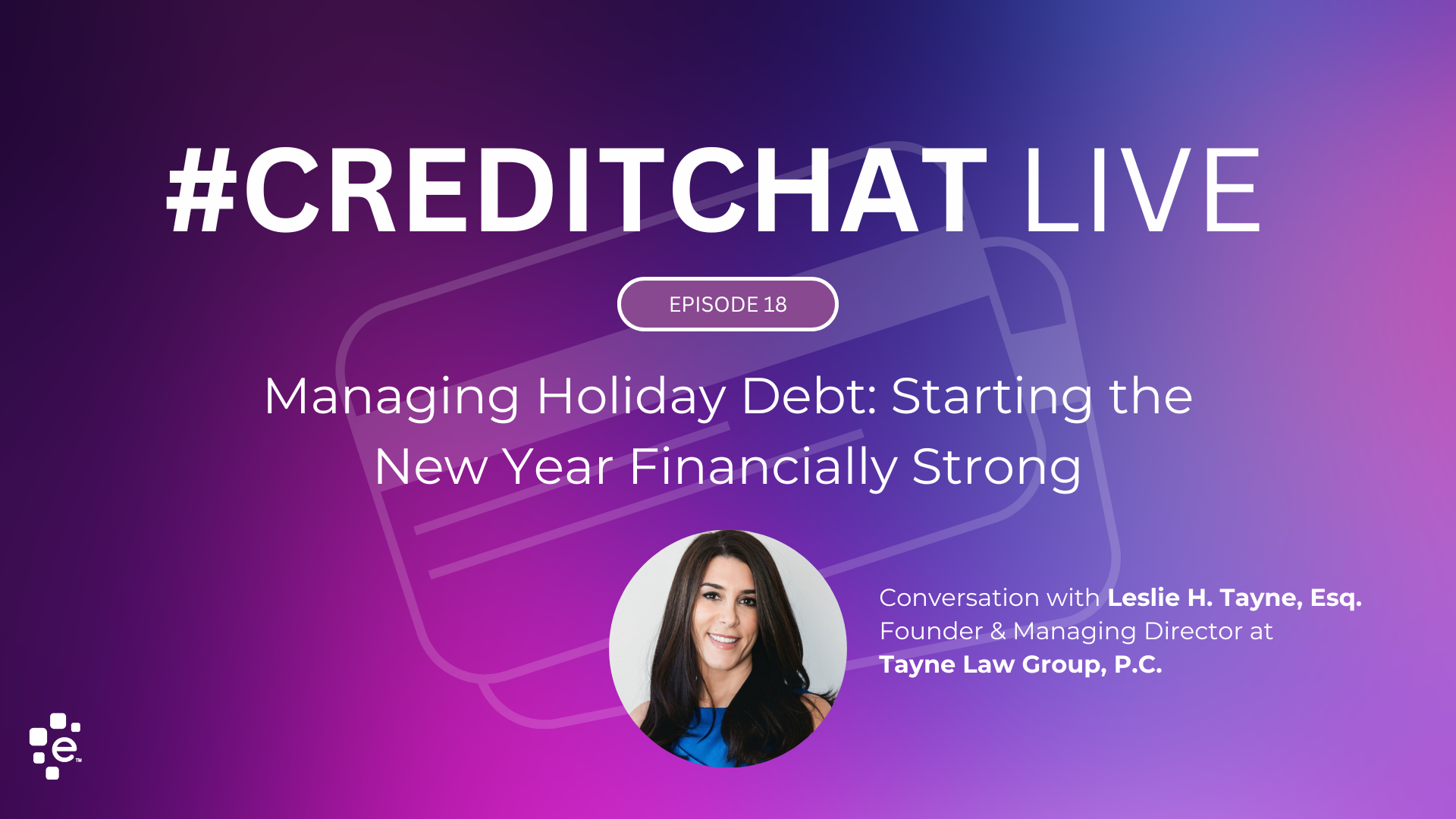
Many desktop publishing packages and web page editors now use Lorem Ipsum as their default model text, and a search for ‘lorem ipsum’ will uncover many web sites still in their infancy.
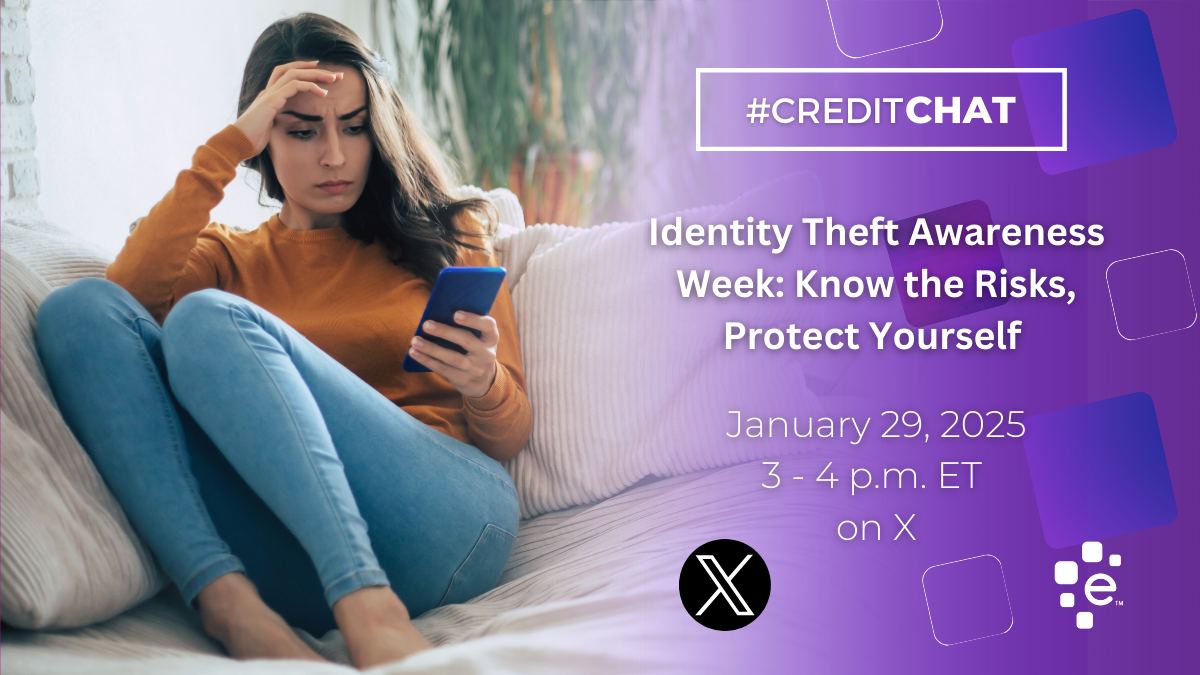
Managing Holiday Debt the Smart Way
Many desktop publishing packages and web page editors now use Lorem Ipsum as their default model text, and a search for ‘lorem ipsum’ will uncover many web sites still in their infancy.Many desktop publishing packages and web page editors now use Lorem Ipsum as their default model text, and a search for ‘lorem ipsum’ will uncover many web sites still in their infancy.Many desktop publishing packages and web page editors now use Lorem Ipsum as their default model text, and a search for ‘lorem ipsum’ will uncover many web sites still in their infancy.Many desktop publishing packages and web page editors now use Lorem Ipsum as their default model text, and a search for ‘lorem ipsum’ will uncover many web sites still in their infancy.

Many desktop publishing packages and web page editors now use Lorem Ipsum as their default model text, and a search for ‘lorem ipsum’ will uncover many web sites still in their infancy.Many desktop publishing packages and web page editors now use Lorem Ipsum as their default model text, and a search for ‘lorem ipsum’ will uncover many web sites still in their infancy.Many desktop publishing packages and web page editors now use Lorem Ipsum as their default model text, and a search for ‘lorem ipsum’ will uncover many web sites still in their infancy.Many desktop publishing packages and web page editors now use Lorem Ipsum as their default model text, and a search for ‘lorem ipsum’ will uncover many web sites still in their infancy.Many desktop publishing packages and web page editors now use Lorem Ipsum as their default model text, and a search for ‘lorem ipsum’ will uncover many web sites still in their infancy.

Many desktop publishing packages and web page editors now use Lorem Ipsum as their default model text
dasdsadThe Marketing Guy
The Marketing Guy speaks the truth
Many desktop publishing packages and web page editors now use Lorem Ipsum as their default model text, and a search for ‘lorem ipsum’ will uncover many web sites still in their infancy.Many desktop publishing packages and web page editors now use Lorem Ipsum as their default model text, and a search for ‘lorem ipsum’ will uncover many web sites still in their infancy.Many desktop publishing packages and web page editors now use Lorem Ipsum as their default model text, and a search for ‘lorem ipsum’ will uncover many web sites still in their infancy.

Guess That Credit Score
Many desktop publishing packages and web page editors now use Lorem Ipsum as their default model text, and a search for ‘lorem ipsum’ will uncover many web sites still in their infancy.Many desktop publishing packages and web page editors now use Lorem Ipsum as their default model text, and a search for ‘lorem ipsum’ will uncover many web sites still in their infancy.Many desktop publishing packages and web page editors now use Lorem Ipsum as their default model text, and a search for ‘lorem ipsum’ will uncover many web sites still in their infancy.
Check out the latest post
Last week, I attended the ONC Symposium on Patient Matching for Prescription Drug Monitoring Programs (PDMPs) and conversations with pharmacy stakeholders confirmed that momentum is growing for an industry-wide solution to the patient matching challenge. Recent legislative movements could see a removal of the ban on federal funding for a universal patient identifier (UPI), while within the industry, we now have a range of exciting collaborations and innovative solutions on the table to help improve patient identity management. As someone who works closely with pharmacy leaders, PDMP administrators, health IT experts and standards organizations, I’m optimistic about what patient matching technology could mean for the pharmacy world. Here’s why. When life doesn’t match health events In today’s healthcare system, patients move through several facilities and services, seeing multiple doctors, pharmacists, nurses and other clinicians. In between those interactions, life happens. A patient might move to a new house. Get married. Have kids. Relocate to a different state. Maybe they visited Pharmacy A for their medications while living in San Francisco, but delivered their first child in Hospital B, after moving to Los Angeles with a new surname and different address. How does the health service know this is the same person? Who is keeping track? Patients with similar names can have their records combined, while data entry errors lead to the same patient having multiple unmatched records. The ONC itself has found that 10-20% of patients may not be correctly matched to their entire medical record within an organization, rising to 50-60% when data is shared between organizations. For pharmacists, the fact that nearly 80% of prescriptions are delivered electronically means the opportunities for data entry errors to creep in is worryingly high. How can they be sure that the prescription they’re holding is for the patient across the counter? A prescription in the wrong hands could be fatal. PDMP facilitators face the same problem when trying to improve patient match rates for the proper tracking of opioids. Since the data comes from various sources, often formatted differently and not always including required fields, PDMPS are forced to do the best they can with what they have. To further complicate the issue, states across the U.S. do not have a common, underlying method of uniquely identifying patients to be able to exchange information across state PDMPs. While PDMPs establish central repositories of prescribing and dispensing records of medications classified as controlled substances that can be accessed online by authorized individuals and agencies—individual state PDMPs vary in required prescribing information and in data submission time, usually with a week or more of delay. An additional challenge exists since not all programs share their data with other state PDMPs, preventing information exchange and reducing the effectiveness of the programs. The answer is to have a single, complete picture of each patient that can be accessed by all relevant organizations in the healthcare ecosystem – but how close are we to achieving true interoperability? Why EMPIs aren’t the answer The common solution historically has been to use an enterprise master patient index (EMPI) to link all versions of a patient’s record within a health eco-system (such as in a pharmacy, a physician’s office, or a PDMP). The problem is these usually rely on limited historical and demographic information, which may have gaps or errors that end up being replicated in any service using the EMPI. A universal patient identifier that integrates patient information from reliable health, credit and consumer data sources can give pharmacies and other providers a much more comprehensive view of their patients than traditional matching approaches. Referential matching technology, as recommended by Pew researchers, uses unique identifiers and third-party data to provide continuous updates to the master patient index, so you know you’re giving the right prescription to the right person. Collaborating for better patient matching solutions One example of how this is already being used to link patient prescription data at scale is in Experian Health’s collaboration with the National Council for Prescription Drug Programs (NCPDP), which sets the standards for the digital exchange of pharmacy-related healthcare information. Lee Ann Stember, President of the NCPDP, says: “We needed a single, unified and accurate view of the patient that could address the patient safety and business issues that plague our healthcare system.” To this end, we’ve teamed up to create a patient matching solution that provides a framework for establishing a unique patient identifier across the entire US healthcare network. This is a vendor-neutral, cost-effective solution that lets providers exchange information efficiently and accurately. There’s less chance of a prescription being given to the wrong patient and causing unwanted and even fatal interactions. In August 2018, NCPDP working groups approved the UPI as a standard field. This means the UPI may be used by other partners to improve the accuracy of patient data exchange. The PDMP Reporting Standard was among those identified as suitable for communicating the UPI. With this standard, pharmacies will be able to submit the UPI directly to PDMPs so that patients can be matched using the UPI instead of probabilistic or manual processes. A UPI can help states who share data improve their matching because it is a real-time solution that will feed into the management of controlled substance prescriptions across state lines, creating better visibility into interstate prescriptions and more importantly improving patient safety. The current lack of transparency into controlled substances—who is filling, when they are filling, how often they are filling, etc.—is feeding the national opioid epidemic which is taking a significant human and capital toll. Working towards an industry-wide solution Our strategic alliance with NCPDP was inspired by a shared desire to leverage data for the common good. We want to give more providers the opportunity to benefit from this UPI solution, to help address some of the patient safety challenges facing the healthcare industry. That’s why Experian Health is offering access to our Universal Identity Manager (UIM) Batch product for no charge. This tool strips out duplicates in your patient data and gives you a UPI that can be used across different health entities, enabling secure information exchange. It can even provide updated demographic information using the United States Postal Service CASS address standardization. Given the advances already made in trialling innovative solutions for the secure and accurate exchange of prescription data, the pharmacy industry is well-placed to lead the way in adopting more comprehensive and reliable patient matching frameworks. As we know, better data means better care. More accurate patient matching not only improves patient safety, but allows for better care coordination, financial savings and greater operational efficiency. — Find out more about how the Universal Identity Manager and other identity management solutions can help pharmacies improve patient matching. Matt McGrath is Vice President of Pharmacy Strategy and Solutions at Experian Health.

For many patients, the unknown cost of unexpected care is a source of anxiety: two-thirds of Americans are “very worried” or “somewhat worried” about being able to cover unexpected medical bills. No wonder, when around 56% say they wouldn’t be able to afford an unexpected bill over $1,000. In cases where insurance doesn’t cover the entirety of the bill, responsibility for paying the balance falls to the patient. The lack of price transparency leads to confusion and stress for patients, and unnecessary administrative costs for providers, who are left to chase payments from growing numbers of self-pay patients. Moving towards more transparent pricing Traditionally, patient billing has been calculated at the end of the revenue cycle, after insurance adjustments have been made. In recent months, a push for meaningful price transparency is emerging as a result of consumer demands about the cost of care, pressure from governing bodies, and bipartisan support for a legislative solution to surprise billing. In response, healthcare organizations are increasingly looking to move patient billing to the front of the revenue cycle, to give consumers greater clarity about what to expect when their bill arrives. Estimating patient liability is far from simple. It calls on front office staff to make complicated calculations based on insurance benefits, charges, contractual adjustments and provider discounts. If staff are doing this manually, they may find themselves using outdated pricing lists that don’t include current insurance information, rates and discounts. So how should providers ensure their front office staff have the right tools in place to give accurate, personalized estimates for each patient? Data-driven technology can help reduce surprise billing Data-driven technology that automates, simplifies, and unifies the revenue cycle can ensure timely communication on billing between healthcare providers and insurers. This means your front-office team can base estimates on accurate, up-to-date information. To reduce the risk of errors creeping in, price transparency and collection practices should be standardized across the enterprise. A pricing transparency tool eliminates the need for manually updated price lists and removes the guesswork that often leads to mistakes. It can also include reporting features that let you track potential and actual collections, so you have greater insight into the opportunities for revenue cycle optimization. Helping patients navigate the cost of care As patients bear more out of pocket payment responsibility, they expect a better consumer experience. Creating an optimal patient collections strategy and frictionless experience is ever more important. Full transparency calls for accurate and up to date pricing to be available to patients before they receive care, along with a detailed breakdown of what their insurer will cover. When they know what the difference is, they’ll know upfront how much they’re likely to need to pay. Additionally, clear and proactive communication around the billing process can help eliminate the shock factor, improve the patient collections process, and create a better patient financial experience all round. You could provide a text-to-mobile experience that delivers a text message with a secure link to the patient’s estimated bill. Or you might integrate a price transparency tool into your patient portal or mobile app, that lets patients see a personalized cost breakdown based on real-time pricing and benefit information, alongside methods for secure payment. A price transparency tool can also help you gather insights into a patient’s financial situation and propensity to pay, so you can optimize your collection strategies from the start and get them onto the right program. El Camino Hospital in California set an organizational objective to improve price transparency. Terri Manifesto, Senior Director (Revenue Cycle) says: “We decided to do a soft launch of a patient estimator tool, and the very next day, even without advertising it yet, our patients found the tool on the website and started using it. The feedback was excellent. We’re providing a lot more estimates than we could before because it’s 24/7 and patients can use it on their mobile device, their laptop or their desktop. Some advice I’d give other hospitals is to think of the patient when you’re deciding what to do to best communicate your prices. What would the patient want?” Working with a partner such as Experian Health lets you combine industry-leading technical expertise and payment tools with your own knowledge of your patients, so you can create the best payment experience for your consumers. Using data-driven technology, you can work to eliminate the pain of surprise bills and promote price transparency, resulting in greater revenue opportunities and customer loyalty.

Most healthcare consumers spend only a tiny fraction of their lives in the clinical world of medical appointments and procedures. Where and how they spend the rest of their time has a far bigger impact on their health and well-being. So why are some providers still relying primarily on clinical data to devise their care plans? Clinical data is crucial when it comes to a patient’s diagnosis and treatment options, but it tells you nothing about their ability to stick to a care plan when they get home. How do their living situation and lifestyle habits play into the physician’s treatment recommendations? Consumer data is the missing piece of the healthcare jigsaw. When providers have insights into their patients’ social and economic circumstances, they’re better placed to spot the factors that might hinder access to care, and offer a more holistic, tailored and effective support plan. The predictive power of consumer data Let’s imagine a single mom of two small kids, working two jobs. Her daily life is a race to get everything done on time, give her children what they need and still make ends meet within her weekly budget. When a reminder for her annual wellness appointment flashes up on her phone, she adds it to her mental to-do list. But by the time the appointment comes around, the stress of taking time off work and scraping together the cash for gas or bus fare means she puts it off. She doesn’t go. Six months later, she ends up in the emergency room with symptoms of a serious illness. Had her provider known about the barriers in advance, they could have supported her to get to her appointment and discover her illness sooner. As Dr. David Berg, co-founder of Redirect Health says, “the most important part of getting good results is not the knowledge of the doctors, not the treatment, not the drug. It’s the logistics, the social support, the ability to arrange babysitting.” Consumer data, such as car ownership, employment status, income level and family information can give you these insights early enough to take action. You’ll know whether your patients can get to their appointments easily, whether they can afford childcare, and a whole host of other factors that might affect their ability to stick to a care plan. And once you know those things, you can offer tailored support to give them the best chance of success. How to gather non-clinical insights According to PwC, around 78% of providers lack the data to identify patients’ social needs. Many have basic demographic information on their patient populations, but are missing the more sophisticated insights that could help them better support patients. It doesn’t have to be complicated, but there are a few considerations healthcare providers should vet as they gather and use consumer data to help drive care plan compliance: Evaluate the pros and cons of patient surveys The obvious way to find out more about your patients’ needs is to ask them directly. A survey at the point of registration can help you understand what barriers may prevent them from attending appointments, taking prescriptions or following other medical advice. However, surveys can be time-consuming and expensive to administer, and recording answers by hand can lead to errors. How a patient interprets the questions and how your team interprets the answers may affect the usefulness of the survey data. And a patient’s circumstances may change between completing the survey and trying to follow the care plan. This approach also only includes patients who manage to attend an appointment in the first place. Those without access to care such as the mom in the example above, would be omitted from the survey, so you would miss out on discovering how to help them. Tap data vendors to deepen your consumer insights A third-party data vendor can give you access to data on your patient population’s income, occupations, length of residence and other social and economic circumstances. When this data is packaged up for your care managers, it can be used to inform proactive, preventative conversations with your patients, to solve any non-clinical gaps in care. It’s more cost-effective than patient surveys and removes the risk of personal bias and interpretation. Ensuring the reliability and integrity of your data vendor can be a challenge. Data brokers often use consumer data collected in retail and other industries, which may not be completely relevant to your activities or collected in a way that meets the requirements for use in healthcare settings. It’s crucial to be able to verify the source of the data and confirm that individuals were told how their data would be used and given the choice to opt out. Always ask your vendor if they are an “original source compiler." Working with a data vendor in the health space, such as Experian Health, can help avoid these pitfalls, as they will have expertise in the appropriate use of consumer data in healthcare. Understand permissible use of consumer data to stay compliant To use consumer data successfully, you must have confidence in both its accuracy and your ability to safeguard patient privacy. For example, are your data collection processes compliant with the General Data Protection Regulation (GDPR) and the California Consumer Privacy Act 2018 (CCPA)? Working with a data management partner who collects data directly from consumers means you can verify that all privacy requirements and opt-outs are in place. They’ll also help you scrutinize hundreds of public and proprietary data sources, so you use only the most relevant, up-to-date data to inform your decision-making. By evaluating and understanding these three areas, you’ll be able to leverage consumer data to tailor your patient engagement and support and make it easier for your patients to comply with their care plan. The more you are able to see and treat each patient as a whole, individual person, the better their health outcomes are likely to be. Consumer data lets you do that.

Medical identity theft is a growing concern for healthcare organizations in the digital age. In 2017, healthcare data breaches accounted for 24% of all data breaches, rising to 29% in 2018. In just 12 months, the total number of personal medical records exposed jumped from 5.3 million to 9.9 million. In fact, healthcare data breaches tend to expose many more individual records than other industries. For example, according to the Identity Theft Resource Center, 43.9% of breaches in the first half of 2019 were in business, while only 36.9% were in healthcare. But for healthcare, this meant exposing a staggering 77.4% of all records left vulnerable to identity theft, compared to just 9.5% by business breaches. The potential impact of a healthcare data breach seems to be further-reaching than in other fields. At the same time, healthcare is slightly behind other industries when it comes to data security. Financial services have a two-decade head start to refine their anti-fraud strategies. This, coupled with the fact that medical identities are worth 20 to 50 times more to fraudsters than financial identities, means medical identity theft is increasingly appealing to criminals. It’s a big concern, but healthcare organizations can use data to fight data theft. When you’re armed with the right information, you can put in place the right strategy to protect your patients. What is medical identity theft? Medical identity theft is when someone uses another person’s health-related identifying information without them knowing. This could include their name and address, Social Security number, health records, or insurance information. Fraudsters can use this information to access medical services without paying, submit false insurance claims, or buy drugs. They pretend to be someone else to access services illegally. In addition, that personal information could be used for other kinds of identity fraud or blackmail. What are the consequences of medical identity theft? Karly Rowe, Vice President New Product Development, Identity & Care Management Product at Experian Health, says: “For patients, the impact of having their personal information stolen, and then possibly used to make false claims in their name, can be hugely violating. When someone’s record becomes overlaid with a thief’s record, this can have massive consequences for that person’s future treatment. It’s a major stress to sort out – both administratively and financially. And for organizations, there’s obviously the reputational hit. The relationship between provider and patient is based on trust. When you fail to secure your patients’ most personal information, you risk losing that trust for good.” It’s also a major cost. Medical fraud in the U.S. is estimated to cost somewhere between $80 billion and $230 billion, with the cost to individual providers and payers coming in at around $2 million per breach. To tackle the problem, healthcare organizations are stepping up their security practices across the board. A HIMSS survey, in partnership with Experian Data Breach Resolution, reported that data security strategies have improved. Ninety-two percent of those asked had performed a formal risk analysis, and more than half had increased their patient data security budget. A number of organizations also teamed up to form the Medical Identity Fraud Alliance, to mobilize the industry to tackle the problem. Still, there’s a ways to go. 3 ways to leverage data insights to prevent medical identity theft Protecting patient data calls for a data-based solution. Here are three ways to leverage consumer data and technology to protect your patients and keep their information safe: Resolve patient identities. Accurate patient data is the cornerstone of data management. If your records aren’t entirely reliable to begin with, keeping them safe and secure will be much harder. Put preventative measures in place to minimize the risk of duplicates and errors. Assigning a Universal Patient Identifier (UPI) will let you follow the entire patient journey, so you have a complete, accurate and secure picture of each patient. Protect patient identities. Patient portals allow people to access their health information from their personal devices. It’s convenient and can improve engagement and health outcomes. Unfortunately, they can also become vulnerable to breaches by data thieves. You have to make it easy for patients to use portals, but difficult for fraudsters to get their hands on that personal data. As patient portals gain popularity, you must have the right technology in place to validate and protect patient identities. Automating patient enrollment with a tool like Precise ID® can help authenticate patient identities from the start using identity-proofing, fraud management and device recognition. Enrich patient identities. With data insights, you can check that your patient is who they say they are the moment they arrive in reception. Using the broadest and most trustworthy datasets, identity verification solutions make constant checks, so you have a single, accurate and 360° view of each patient. Not only is this ‘golden record’ the cornerstone of patient care and experience, it’ll let your staff update patient data during intake without manual corrections. Medical records contain some of the most sensitive personal information, so it’s vital to safeguard it with the strongest security that exists. — Download this free eBook to learn how to evolve today's patient matching technologies or find out more about how to protect your patient data and prevent medical identity theft.

When nearly 80% of health outcomes can be traced to non-medical social and economic factors, we need to look beyond the medical world to improve them. Perhaps a lack of transportation prevents a patient from attending an appointment, or juggling two jobs makes it difficult to collect a prescription. Maybe a patient’s care plan calls for lifestyle changes that are simply unrealistic in their current circumstances. When life gets in the way, there’s only so much the physician can do. Creating and maintaining a healthy, happy population truly takes a village – from your clinical team to the community resources around your organization. For many healthcare providers, there’s probably a lot more going in their ‘village’ than they realize. Do you know who your patients really are, beyond their lab tests? Do you know what nearby services are at your disposal to help you offer the best possible care? Knowing your patients and your health improvement ‘village’ means you can offer a personalized experience to your patients, to improve their care management and ultimately help them achieve better health outcomes. 3 ways to tailor care management for better patient outcomes Let’s imagine two patients, who have both recently broken their wrists and been treated in your facility. Gene is 71 years old and David is 34. From the clinical perspective, it might be reasonable to assume that David, being younger, should simply receive discharge directions and a time for a follow-up appointment, and be on his way. Gene, being older, might require a series of follow-ups. But thinking of the village analogy, is there more you could learn about Gene and David to engage with them in a way that’s tailored to their specific needs? Here are three ways social determinants of health data can help you do just that. Use non-clinical data to get to know your patients Non-clinical data can help you learn more about your patients and the lifestyle factors that might affect their health. This allows you to address issues like excessive healthcare utilization, preventable readmissions, no-shows and low patient engagement. Surveys at the point of registration are one way to get fresh socio-economic insights. But these can be cumbersome to implement, and findings can be limited by the nature of the questions. You might also review geographical and community-level data to discover your local population’s income, housing situation, employment status, and so on. This can be useful for population-level care planning, but it’s not patient-specific. A better way is to analyze securely collected marketing data for more specific and accurate information. This could tell you that Gene’s living situation actually has a minimal impact on his ability to access care, healthy food and reliable housing. Additional follow up appointments may still be appropriate, but perhaps less urgent. By contrast, you might find that David has limited access to care because he lives alone and far from public transportation. His lifestyle suggests he’d be unlikely to prioritize getting gas to drive to a follow-up appointment over getting to work. In this situation, a remote health appointment might be the better plan. Know your community resources Once you know what David and Gene might need, you can point them towards any appropriate community resources to increase their chances of a quick recovery. Of course, to do this, you need to know what and where these resources are. For example, can you link David to an appropriate home health or telehealth program, or is there a non-emergency medical transportation service in your area to get him to his appointments on time? If Gene needed support to follow a healthier diet, would a local food bank be available? If either had an unstable living situation, would you know which local or national housing coalitions could help put healthcare within reach? Tools such as NowPow, Aunt Bertha and Healthify exist to connect the dots between patients, providers and wider community resources, and close the gap in holistic care. Be proactive and preventative by holding conversations with your care teams prior to seeing patients When you have reliable insights and data analytics to anticipate what patients like David and Gene might need, you can work with your care teams to develop a shortlist of options ahead of time. In this way, they’ll have realistic and ready-to-use solutions to give the patient right there and then. To truly get the most out of social determinant of health data, your care coordinators need easily digestible patient profiles which they can understand and use in a split-second. Bringing the whole patient into the care plan Healthcare is growing more and more sophisticated in identifying ways to better manage care for patients by using data science and machine learning to predict health events. These insights help coordinate care plans that are preventative and proactive. Essentially, it’s about knowing your patients as well as possible, and being able to quickly match them to the services they need. — Discover how we can help you leverage social determinants of health data for your patient population, so you can bring in the whole ‘village’ of resources to support them on their healthcare journey.

Experian Health announced it has acquired MyHealthDirect, a SaaS-based company specializing in digital coordination solutions in scheduling. We interviewed Jason Considine, Experian Health general manager of patient engagement and collections, to learn more about the acquisition, as well as opportunities arising in healthcare due to the rise in consumerism. What led to Experian’s interest in MyHealthDirect and the ultimate acquisition? We’ve had a relationship with MyHealthDirect for several years. Experian Health has been reselling the MyHealthDirect solution since 2017, and we’ve long recognized that their platform’s digital care coordination capabilities would be a great match with our existing solutions. MyHealthDirect's platform links patients with the right providers, offering online scheduling tools and referral coordination to ensure more timely access to care for patients. These solutions have proven to increase appointment and referral rates, improve call center efficiency, reduce no-shows and enhance the overall patient experience. By coupling this technology with our Experian data, we can ensure patients are getting the care they need in the management of chronic diseases and wellness programs. This acquisition evolves our core revenue cycle management capabilities and helps us make gains in the patient engagement space with all-new innovative offerings. You referenced “digital care coordination.” What does this mean and how does it apply to healthcare? Digital care coordination, as it applies to the MyHealthDirect suite, is comprised of self-scheduling, call center, referral coordination and automated outreach solutions, making it easier for people to access healthcare. By combining these scheduling solutions with Experian’s existing digital patient engagement solutions, we can deliver a seamless consumer-centered experience – from serving up an estimate, to streamlining the registration process, to providing consumers with the ability to pay their healthcare bills via multiple channels. Today’s healthcare consumer expects a turnkey, personalized, on-demand experience. When you think about the best engagements we all enjoy in retail, financial services, travel and entertainment, the expectation is that the healthcare experience should be no different. We need to arm consumers with the ability to streamline their healthcare and make it easier for them to access care. Why is the scheduling component so key in the overall patient journey today? Scheduling is the one of the very first steps of the care journey and booking an appointment has traditionally been a poor experience. Common frustrations include not being able to reach the provider, finding out that no appointments are available, or being forced into a time-consuming three-way call between the health plan and provider. Without fast and easy access, patients may not be able to get the care they need. When healthcare plans use technology to better connect patients to needed care, quality scores for patient experience rise and efficiencies are gained. Can you give us an example on how more automated approach to scheduling could lead to better health outcomes for the consumer? Sure. Take for instance an individual who is living with diabetes. It is important for this person to have regular check-ins with their provider to monitor their condition and adjust care plans accordingly. If this person is challenged to see their provider, or doesn’t have regular appointments booked, they could run the risk of becoming an unhealthy diabetic, being faced with additional health challenges. By tapping into digital appointment scheduling, a provider or payer could create an automated outreach plan to make the scheduling hassle-free. Appointments could be streamlined and scheduled directly on the phone via IVR or text, and appointment reminders can be delivered. How do you see providers responding to the rise in healthcare consumerism? It’s no secret that healthcare costs are rising, and consumers are increasingly bearing more of those costs. Providers, therefore, are telling us they need to deliver a better experience. They are asking for digital technologies to gain rich insights into consumer behavior and then adjusting their care delivery plans accordingly. They recognize that consumers have a choice on where to take their healthcare business, so they need to compete. In the case of scheduling, MyHealthDirect conducted some research and revealed 66% of patients would switch providers for more convenient access. In that same study, 77% of patients think the ability to book, change or cancel appointments online is important. My point? Those providers and payers investing in on-demand tools to interface with their consumers will win, simplifying many of the administrative tasks associated with healthcare. — Learn more about scheduling solutions.
Many desktop publishing packages and web page editors now use Lorem Ipsum as their default model text, and a search for ‘lorem ipsum’ will uncover many web sites still in their infancy.
This is a pull quote
This is test
This is a heading
Many desktop publishing packages and web page editors now use Lorem Ipsum as their default model text, and a search for ‘lorem ipsum’ will uncover many web sites still in their infancy.
- Test 1
- Test 2
- Test 3

It was popularised in the 1960s with the release of Letraset sheets containing Lorem Ipsum passages, and more recently with desktop publishing software like Aldus PageMaker including versions of Lorem Ipsum.
My Company Experian
dsdsad
this is tex tpromo container
| this is table 1 | this is table 2 |
| this is table 3 | this is table 4 |
In this article…
It was popularised in the 1960s with the release of Letraset sheets containing Lorem Ipsum passages, and more recently with desktop publishing software like Aldus PageMaker including versions of Lorem Ipsum.
heaidng 1
It was popularised in the 1960s with the release of Letraset sheets containing Lorem Ipsum passages, and more recently with desktop publishing software like Aldus PageMaker including versions of Lorem Ipsum.
It was popularised in the 1960s with the release of Letraset sheets containing Lorem Ipsum passages, and more recently with desktop publishing software like Aldus PageMaker including versions of Lorem Ipsum.It was popularised in the 1960s with the release of Letraset sheets containing Lorem Ipsum passages, and more recently with desktop publishing software like Aldus PageMaker including versions of Lorem Ipsum.
heading 2
It was popularised in the 1960s with the release of Letraset sheets containing Lorem Ipsum passages, and more recently with desktop publishing software like Aldus PageMaker including versions of Lorem Ipsum.
heaidng 3
It was popularised in the 1960s with the release of Letraset sheets containing Lorem Ipsum passages, and more recently with desktop publishing software like Aldus PageMaker including versions of Lorem Ipsum.
It was popularised in the 1960s with the release of Letraset sheets containing Lorem Ipsum passages, and more recently with desktop publishing software like Aldus PageMaker including versions of Lorem Ipsum.It was popularised in the 1960s with the release of Letraset sheets containing Lorem Ipsum passages, and more recently with desktop publishing software like Aldus PageMaker including versions of Lorem Ipsum.
heading 4
It was popularised in the 1960s with the release of Letraset sheets containing Lorem Ipsum passages, and more recently with desktop publishing software like Aldus PageMaker including versions of Lorem Ipsum.