At A Glance
this is aag test, add somemore content to aag 1columns filter to block add new coldasdumn
dsadsadd
dqwdqd
dqwdqwdqwd
dqwdqwd
hello this is text promo content goes here!!!!
dqwdqwd
dqwdqdqwd
heading 2
heading 3
heading 4
heading 5

Many desktop publishing packages and web page editors now use Lorem Ipsum as their default model text, and a search for ‘lorem ipsum’ will uncover many web sites still in their infancy.
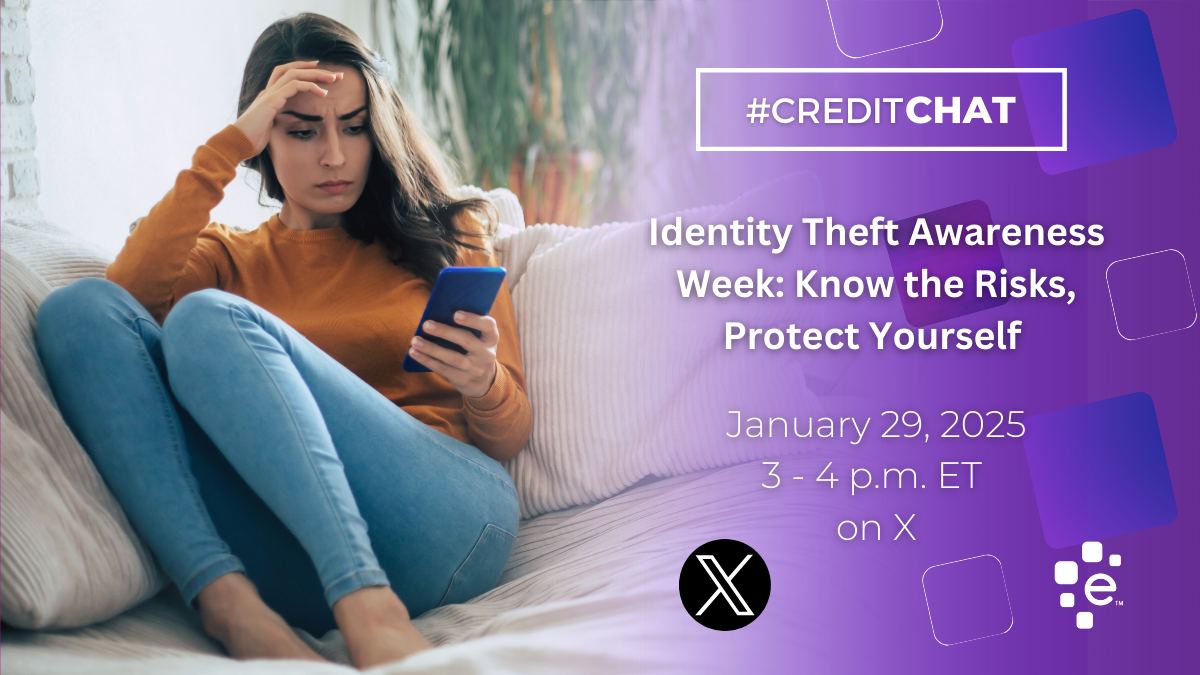
Managing Holiday Debt the Smart Way
Many desktop publishing packages and web page editors now use Lorem Ipsum as their default model text, and a search for ‘lorem ipsum’ will uncover many web sites still in their infancy.Many desktop publishing packages and web page editors now use Lorem Ipsum as their default model text, and a search for ‘lorem ipsum’ will uncover many web sites still in their infancy.Many desktop publishing packages and web page editors now use Lorem Ipsum as their default model text, and a search for ‘lorem ipsum’ will uncover many web sites still in their infancy.Many desktop publishing packages and web page editors now use Lorem Ipsum as their default model text, and a search for ‘lorem ipsum’ will uncover many web sites still in their infancy.

Many desktop publishing packages and web page editors now use Lorem Ipsum as their default model text, and a search for ‘lorem ipsum’ will uncover many web sites still in their infancy.Many desktop publishing packages and web page editors now use Lorem Ipsum as their default model text, and a search for ‘lorem ipsum’ will uncover many web sites still in their infancy.Many desktop publishing packages and web page editors now use Lorem Ipsum as their default model text, and a search for ‘lorem ipsum’ will uncover many web sites still in their infancy.Many desktop publishing packages and web page editors now use Lorem Ipsum as their default model text, and a search for ‘lorem ipsum’ will uncover many web sites still in their infancy.Many desktop publishing packages and web page editors now use Lorem Ipsum as their default model text, and a search for ‘lorem ipsum’ will uncover many web sites still in their infancy.

Many desktop publishing packages and web page editors now use Lorem Ipsum as their default model text
dasdsadThe Marketing Guy
The Marketing Guy speaks the truth
Many desktop publishing packages and web page editors now use Lorem Ipsum as their default model text, and a search for ‘lorem ipsum’ will uncover many web sites still in their infancy.Many desktop publishing packages and web page editors now use Lorem Ipsum as their default model text, and a search for ‘lorem ipsum’ will uncover many web sites still in their infancy.Many desktop publishing packages and web page editors now use Lorem Ipsum as their default model text, and a search for ‘lorem ipsum’ will uncover many web sites still in their infancy.

Guess That Credit Score
Many desktop publishing packages and web page editors now use Lorem Ipsum as their default model text, and a search for ‘lorem ipsum’ will uncover many web sites still in their infancy.Many desktop publishing packages and web page editors now use Lorem Ipsum as their default model text, and a search for ‘lorem ipsum’ will uncover many web sites still in their infancy.Many desktop publishing packages and web page editors now use Lorem Ipsum as their default model text, and a search for ‘lorem ipsum’ will uncover many web sites still in their infancy.
Check out the latest post

The President, members of Congress and consumer advocates are all demanding price transparency within the healthcare universe. The major push of late is President Trump’s executive order that will be issued in June 2019; while critics hope this initiative will fade, the topic has been on the industry radar for many, many years. How did we get to today’s scenario? We have a robust perspective on this subject at Experian Health because we’ve been working with healthcare organizations offering various solutions that inform consumers about the costs of their care for more than 10 years. We brought to market the first iteration of our current Patient Estimates product back in 2008, responding, in part, to the growing issue of medical debt and inherent risk to providers not getting full payment for services. The challenges presented by medical debt are well documented, but the important point to focus on is that as long as Americans continue to lack the ability to pay for their care and health organizations struggle with collections, the push towards price transparency will continue. Perhaps this is much needed progress? Since 1957, nearly 75% of Americans have consistently reported being insured but unable to pay their medical bills, according to a study by the Centers for Disease Control. Now, more than 50 years later, many legislators hope mandated price transparency will alleviate the surprise factor of medical costs and spur a more competitive environment. In 2008, helping patients understand their costs was intended to improve providers’ collections success. The term ‘price transparency,’ with additional connotations (e.g. better experience for the patient, improved efficiencies), popped up about the same time as the introduction of very high deductible health plans. The phrase started gaining traction following passage of the Affordable Care Act, and as patients were responsible for more of their medical costs. Add in the rise of consumerism within healthcare and Americans’ digital lifestyles, and it’s no surprise there are calls for pricing to be as easy to understand as they are in the retail space. We harness the power of data and analytics to fulfill these needs in the marketplace. The healthcare industry was ripe for change more than a decade ago, as evidenced by the desire of organizations to leverage what we could offer. While there is continued debate on the transparency topic, the good news is today’s data-driven technology can create a patient financial experience that is friendly, understandable and accessible, delivering the good-faith estimates many consumers, legislators and the industry-at-large wish to see. Consumerism drives price transparency expectations Ultimately, the financial aspect to care is a key component to consumers’ satisfaction with a provider. This realization began to bubble to the surface over the last several years. In fact, Experian Health conducted research last year to understand consumer pain points during the healthcare journey. Consequently, it was no surprise when the study revealed consumers’ biggest frustrations and challenges – above clinical areas – is dealing with the financial aspects of healthcare: 90 percent of respondents ranked worrying about paying their medical bills as a very important to extremely important pain point. 30 percent acknowledged the challenges of determining what financial support options (e.g., payment plans, government grants, and hospital charity care programs) are available 90 percent reported significantly underestimating the costs associated with major medical procedures (e.g., knee replacement) The takeaway from this study is clear: consumers want a streamlined payment process that builds confidence and provides peace of mind. We know that healthcare providers want to increase the efficiency and success of their collections efforts. Ultimately, everyone benefits from clarity around pricing. So whether government-mandated or not, there is no denying that price transparency, in some form, is here to stay and a transformation in the industry is taking hold. Experian Health is leading the way to innovations that will help healthcare organizations thrive in this new era. By leveraging our expertise in data and analytics and our understanding of healthcare costs, we can help patients successfully navigate their financial obligations from primary care appointments through subsequent diagnostic procedures and surgeries. The potential is there for everyone to benefit from an evolved, modern system. Related Articles: How Blessing Health System personalized estimates to improve patient satisfaction

The roll-out of patient portals has been a slow burn. While consumer finance, retail and other markets have given customers secure electronic access to their personal information for decades, healthcare has been playing catch-up. But thanks to regulatory pushes, such as the Promoting Interoperability and Meaningful Use programs and the Affordable Care Act, digitized health records are now the norm. Over half of healthcare consumers in the US use patient portals to access their health information at the click of a button – just as they do with their bank accounts or grocery deliveries. Aside from the convenience factor, research suggests that when patients have access to their health records through patient portals, they experience better health outcomes, greater satisfaction levels, and improved communication with their provider. There’s a higher chance of spotting errors. Adherence to medications is increased, and care becomes more accessible for some otherwise hard-to-reach patients. For providers, this sense of ownership, transparency and connection contributes to elevated consumer loyalty and engagement. As consumers embrace online portals to view their medical records and lab results, renew prescriptions, schedule appointments, and in some cases pay bills, they expect and assume their provider will keep that data secure. Providers must balance convenience and security. Unfortunately, some patients remain unconvinced of their providers’ ability to get this balance right. Patients worry about portal privacy and security Despite the upsides, a quarter of patients with access to online portals in 2017 chose not to access them because of worries about privacy and security. They’re right to be cautious: medical identities are said to be worth 20-50 times more than financial identities. It's no wonder identity thieves are increasingly targeting the healthcare industry. In 2018, the US Department of Health and Human Services’ Office for Civil Rights (OCR) reported 351 data breaches of 500 or more healthcare records, resulting in the exposure of more than 13 million patient records. Hackers are always on the lookout for vulnerabilities to exploit, with patient medical records, log-in credentials, passwords and other authentication credentials among their top five targets. Without adequate IT security, your prized patient engagement tools – like patient portals – can become an open door for hackers. As a provider, your job is to make it easy for patients to access and manage their own data, but hard for fraudsters to get their hands on sensitive data. How to keep patient portals secure The good thing about being somewhat late to the party is that healthcare organizations can learn from other industries in how they have tackled online security challenges without creating too much of a burden for consumers. Think about how consumers authenticate their accounts for financial services or even social media profiles. Typically, there's an email to verify they are who they say they are, or a two-factor authentication process with a code sent to their cell phone. Most patient portals don't have these layers of security. At Experian Health, we recommend a multi-layered solution incorporating device recognition (especially important as more users access portals via cell phones and tablets), identity proofing and fraud management. Here are some examples: Sign-up screening When someone enrolls in the portal, use identity proofing to ensure they are who they say they are. It’s particularly important to ask out-of-wallet questions, such as their city of birth, first car model, or previous address to make sure they’re not an imposter. Log-in monitoring Device intelligence will help you confirm the patient is using a cell phone or tablet your system recognizes, to minimize the risk of someone else accessing their account. This technology will tell you if the device is associated with previous fraudulent activities or potentially impersonating multiple patients. If a device fails to meet the risk threshold, identity proofing questions can be used to verify the user’s right to access the account. Additional checks on risky requests Some patient portal activities, like downloading medical records and editing a patient’s profile, increase the risk. You’d want to add an extra layer of control here, such as additional out-of-wallet questions, to safeguard your patient’s data. Rapid response and damage containment Given the sensitivity and richness of medical data, an attack on the portal can be devastating for patients and costly for providers. In the event of an attack, providers can put in place early warning systems to flag up which patients have been compromised and trigger rapid response measures to shut down the attack and prevent the damage from spreading. Promote interoperability Physicians and care providers need to share information on patients in the course of providing good care. But how are they doing this? To keep that data secure and ensure it’s only seen by the right people, you can set up your systems to share data across different platforms in a safe and secure way. Underlying all of this is the need to reassure your patients that you can be trusted with their data. Victoria Dames, Senior Director of Product Management, Experian Health, explains: “Healthcare breaches are nothing new, and neither is hackers’ and identity thieves’ penchant for medical records. What is new, however, is the broad range of tools that organizations can now utilize to stop them from accessing that personal data. Give patients the peace of mind they deserve by taking advantage of up-to-date solutions that actually work in our ever-evolving tech climate.” Learn more about how protect patient portals and encourage more patients to enjoy the full benefits of their patient portal, knowing that their sensitive personal details are safe.

Over the last twenty years, American hospitals have provided more than $620 billion of uncompensated care for cases where no payment was made by a patient or insurer. This includes financial assistance, where hospitals provide care at a reduced cost for those unable to cover their full bill, and bad debt, where patients have not applied for financial assistance and cannot or will not pay their bill. Despite extensions to Medicaid coverage under the Affordable Care Act, the number of uninsured people in the United States is still approaching 30 million. For these often-vulnerable populations, safety-net hospitals provide essential care regardless of the patient’s ability to pay. But safety-net hospitals are themselves under increasing financial pressure, experiencing more than double the uncompensated care costs of other acute hospitals. And when safety-net hospitals are closed down or struggle to meet demand, nearby hospitals must cover the shortfall in care. It’s a problem for everyone. A Kellogg Insight report found that when more people are uninsured, hospitals bear the cost by providing uncompensated care to the tune of $900 for each additional uninsured patient. Craig Garthwaite, Assistant Professor of Strategy, describes hospitals as “insurers of last resort”: “People are still going to the emergency room and they are still receiving treatment – so the cost is still there. When governments do not provide health insurance, hospitals must effectively provide it instead.” Hospitals might respond to the burden of uncompensated care in three ways: shifting the cost of care to other payers, cutting the cost of services to all patients and removing unprofitable services, or accepting lower total profit margins. All have the potential to damage quality of care as well as revenue and workflow. But beyond these major systemic responses, there are steps providers can take to reduce their risk of unpaid care and optimize their existing revenue framework. Protect your revenue by finding missing coverage quickly The new reimbursement landscape forces providers to manage more self-pay patients, with high-deductible health plans and health savings accounts. This puts a lot more responsibility and stress on patients themselves, who may not be able to afford their co-payments. Uncovering missed or undisclosed insurance coverage is also costly and time-consuming for providers. Regardless of ability to pay, if your patients are wrongly classified as uninsured or as having only one insurance option, you’re likely to lose revenue. As the financial risk of uncompensated care continues to grow, there are important questions for healthcare executives to consider: How do you decrease your accounts receivable balances and self-pay write-offs? How do you increase cash flow from re-billed claims? Are you missing any opportunities to bill additional payers for services? Are you identifying coverage for emergency department inpatients in time to meet your notice of admission requirements? The answers boil down to having the right processes in place to discover which patients can and cannot afford to pay, ideally before they go through the billing system. When you know this, you can move quickly to direct them to alternative sources of funding. How to find insurance coverage to avoid bad debt and charity write-offs An automated coverage discovery solution could help you identify patient accounts that don’t have sufficient insurance coverage, without the expense and hassle of engaging a collections agency. This proactive software integrates with your revenue cycle to search government and commercial payers automatically, so you can find insurance coverage that may have been missed or forgotten. It relies on multiple data sources and reliable demographic information to detect any inaccurate financial classifications and alternative coverage options. It can also shed light on product usage, productivity and financial results, which may help you fine tune your revenue cycle in other ways. Murry Ford, Director of Revenue at Grady Health System explains how Coverage Discovery allows his team to identify an accurate coverage match for patients without the patient having to share this information: “We use Coverage Discovery when the patient is admitted… the system automatically attaches the coverage to the patient’s account. No one has to get involved – it’s touchless, it’s seamless, and it’s worked really well for us. It’s brought in revenue that we would not have identified otherwise.” Every dollar found in this way is a dollar you’re not writing off to bad debt, or spending on unnecessary patient collections and admin. Mike Simms, Vice President of Revenue Cycle at Cone Health says: “Coverage Discovery is wonderful… After every admission, the next day we get a file which gives us insurance on those that we’ve missed. We can add that insurance to the patient account and bill the insurance company. In the end it helps us resolve accounts in a timely manner. Since we’ve been using Coverage Discovery, we’ve received over $3 million in payments, and that’s more than a 300% ROI.” An automated solution like this can be plugged in immediately to handle unresolved accounts for you, resulting in faster and more accurate collections, greater patient satisfaction, and improved staff workflow – ultimately reducing your organization’s risk of uncompensated care. Learn more about how Coverage Discovery Manager works.

Consumers are bearing a bigger burden of healthcare costs than ever before. As the third largest payer behind Medicare and Medicaid, many patients find themselves struggling to foot the bill, with implications for hospitals and health systems. According to a TripleTree report published late last year, consumer payments will reach $608 billion by 2019, thanks to growing enrollments in high deductible health plans (HDHP), decreasing payer reimbursements, and increasingly personalized insurance plans that come at a premium. Almost half of those under the age of 65 are enrolled in an HDHP. These rising out-of-pocket payments can cast a long shadow on the patient's experience. The payment process is often stressful and confusing, and many are unable to pay without careful budgeting or some form of financial support. And for providers, the growing admin costs of chasing payments can create a serious cash-flow problem. A forward-looking, patient-centered approach to billing is critical. A good starting point for providers who want to reduce friction around payments, optimize revenue and build a positive relationship with consumers is to look at how data and technology can improve customer payment processes. You can do this in three ways: transparent pricing, patient billing tailored to each individual's financial situation, and simplified admin processes all provide greater clarity and reassurance for patients. Make patient billing easier with transparent pricing New guidelines from the Centers for Medicare and Medicaid Services (CMS) call for hospitals to list chargemaster pricing on their websites, so consumers can make informed decisions about their treatment and plan accordingly. Unfortunately, the complexity of pricing structures and the way it's presented can still be very confusing for consumers. CMS Administrator Seema Verma tweeted that "While the information hospitals are posting now isn’t patient-specific, we still believe it is an important first step & sets the stage for private third parties to develop tools & resources that are more meaningful & actionable." Patients are encouraged to tell the CMS if they can't find pricing info on their hospital's website, using the hashtag #WheresThePrice. However, there’s been a lot of criticism that the CMS requirements do not meet consumer expectations. Health leaders should aim to provide consumers with accurate personalized estimates, using data-driven technology. Most healthcare organizations already have the basic data they need to generate estimates for basic services, including: claims data real-time eligibility and benefits information payer contracts charge description master (CDM) information. Riley Matthews, Senior Product Manager for the Patient Estimate Suite at Experian Health, says: "We're finding facilities are getting backlogged with calls while patients are trying to call in to speak to a live person to try to get an estimate… If a patient is comfortable understanding what they owe, they're going to be much more comfortable paying for their services." Giving patients accurate estimates upfront empowers them to understand their financial responsibility so they can make quicker, better decisions, and improve their overall experience. Personalize patient payment plans for a better patient experience The growth of consumerism in healthcare calls for a friendlier approach to the billing process, both for a better patient experience and to avoid non-payment. This means recognizing each patient as an individual with different needs and tailoring your offer at each stage of the revenue cycle. Some will be able to pay their whole bill up front, while others might need to spread it over a number of months, or seek support from a charity. Issuing the bill and hoping it gets paid isn't going to cut it – you'll be wasting time and money on repeated, unnecessary collection attempts. Instead, why not personalize each patient's payment plan based on their individual financial situation? No surprises for them, no missed payments for you. Insights from credit data can help you identify the best collection approach for each patient, so you can work with them to find financial assistance, set up payment plans in advance, or outsource payment to an appropriate co-payer. Simplify the admin process to improve patient collections These days, most of our life admin is done online, from banking to travel. Healthcare needs to do the same. You can make healthcare payments easier for your patients by giving them access to their accounts online, so they can manage it when it suits them. This is about making the revenue cycle as frictionless and consumer-friendly as possible. Data-driven technology makes it easy for patients to obtain accurate price estimates, set up or modify their payment plans, check their insurance details, combine payments to different providers, and facilitate mobile healthcare payments. Terry Manifesto, a Senior Director at El Camino Hospital, worked with Experian Health to allow patients to access and manage their data through a self-service portal: "We're providing a lot more estimates than we could before, because it's 24/7, on the go – a patient can use it from their mobile device, from their laptop, or their desktop." With healthcare consumerism and outcomes-based care trending upwards, the dynamics of healthcare finance are shifting. A collections approach based on compassion and simplification is the key to building trust and optimizing revenue at the same time.

Big data is helping every industry take giant leaps forward. Healthcare should be no exception. Household names like Amazon, Netflix and LinkedIn have made personalized consumer experiences the norm: predicting your next purchase, suggesting products you’ll love, and tailoring your news feed to your preferences. The modern consumer experience is intuitive and frictionless. Patients have come to expect the same of all the companies they do business with – including their healthcare provider. Like these consumer-driven industries, information about lifestyle, interests, purchasing behavior and even social media activity can all help create a more comprehensive picture of each consumer patient, and how they choose their provider. By understanding patients as individual customers, providers can use consumer data insights to offer personalized experiences, creating loyal customers and brand advocates. From building awareness about your brand to customer support interactions, these insights ensure your efforts resonate in the right way with the right consumers at the right time – and in a way that makes the consumer feel like they’ve chosen a provider that ‘gets them.’ We’ve all seen headlines about bad players using consumer data in a negative way, so compliance is key to avoid any mis-steps. Making sure you stay compliant with consumer privacy and data protection laws will keep your organization safe. Data-driven healthcare marketing is a huge opportunity The providers who thrive in the era of value-based accounting will be the ones who embrace a consumer insight-based approach throughout the customer journey. In fact, research suggests companies that leverage consumer insights outperform peers by 85% in sales growth and more than 25% in gross margin. But here’s the rub: while it’s a massive opportunity, using consumer data must be done safely and securely. Consumers don’t want to think about their data being traded in the shadows, even if they’re happy to live-tweet the data from their smartwatch. Trust and transparency are paramount. So, what’s a consumer-centric, security-conscious healthcare provider to do? 3 ways to stay safe and secure using healthcare marketing data Working with consumer (or marketing) data is somewhat new to health. The rules for how you source, store and use it bring a whole new set of compliance concerns. Failure to comply can result in eye-watering fines, not to mention the potentially devastating loss of trust. If you’re handling it in-house, beware of vendors popping up with data solutions that don’t quite make the grade. Here are three ways to practice good data hygiene and keep your organization compliant: Safe sourcing First things first: know where your consumer data comes from. Is your vendor collecting this data from original sources, or via a third party? Do consumers know their data was collected, and how it would be used? Can you point to the original source’s privacy policies? When you use consumer data, make sure you know its source and can quickly point to the privacy policies associated with the data. Working with original source compliers of consumer data, like Experian, can ensure you meet privacy policy rules. Consumers should always be told their data is being collected, why, and by whom. Despite the challenges around the introduction of the General Data Protection Regulation (GDPR), its main requirement is actually pretty simple: don’t use consumer data without active consent. GDPR may or may not apply to your organization, but it’s a good model to work to, especially as others are following its lead (like the California Consumer Privacy Act). Safe storage Tales of data breaches at Yahoo and the English National Health Service send a shudder through healthcare C-suites everywhere. And no wonder – a Ponemon Institute Study found the average cost of security breaches is around $3.62 million per incident, while consumers are reported to be more worried about data privacy than losing their main source of income. Safe to say, secure data storage and processing should be a top priority for your organization. Writing for Law Journal Newsletters, Mark Sangster says: “Privacy and data responsibility must be as important to the officers of a business as profitability is to the investors. As such, privacy and compliance blur together, and security becomes the guardian, keeping the others in check.” Familiarize yourself with the rules around storing marketing and non-medical consumer data, such as ensuring you have a written data security policy, identifying data protection officers, and having strict controls on access to data files so that it’s never shared with anyone who doesn’t absolutely need to see it. The Direct Marketing Association and American Marketing Association both have handy resources on ethics, regulations and data privacy. It may not be light bedtime reading, but it’ll keep you right. Appropriate use of data Marketing data is there to help you find promising prospects and keep them interested. Use it to guide your messages and content. It should never be used to deny services to anyone or create unequal access, so always keep an eye out for potential adverse effects. People love to get useful information, but when it’s a little too specific about their lives, that’s verging on creepy! Don’t give the impression that you know solid facts about them. For example, instead of writing “Dear Family of 4”, choose images that would resonate with that family, or offer health fair invites focusing on pre-teen or infant health, according to what marketing data tells you is more relevant. With marketing data, you can avoid wasting time and money (and the embarrassment of) sending your geriatric services promotion to young newlyweds. Or you can connect the dots between services that marketing data suggests will appeal to the same demographic, such as women’s clinic patients who are interested in fitness, who may appreciate a poster about your orthopedics or dietetics promotion. Mastering healthcare marketing best practice Using customer insights to drive your marketing strategy has huge payoffs for patients and providers. Partnering with a reliable data steward will help you take your data analytics to the next level, and stay compliant at the same time. As the gold standard for consumer data privacy, Experian Health offers access to clean, original-source data and robust analytics platforms that give you the most comprehensive view of your health consumers – and peace of mind when it comes to compliance.

How well do you know your customers? Do they have kids? Do they drive an electric car? Are they working two jobs? Do they use social media? Are they more likely to watch the Beyoncé documentary or live stream the PGA tour? The more you understand your patients and their inclinations, the more you can customize their experience with your brand. You can match your marketing messages to their personal preferences. You can refer them to information that’s relevant, and not bother them with stuff that’s not. When your patients feel taken care of as individuals, your brand will be top-of-mind next time they need healthcare services. This kind of personalization is at the heart of healthcare transformation. When you see your patients as customers and prioritize their experience above all else, in your services and your marketing, you’ll see returns in the form of increased patient satisfaction, rock-solid brand loyalty, better patient outcomes, and growing revenue. Consumer insights give you the competitive advantage In our Digital Onboarding Report 2017, we found that 60% of organizations considered customer experience to be the number one way to stand out from the competition over the next three years. Healthcare brands can learn from other industries and use data-driven consumer insights to personalize their marketing strategies and enhance the customer experience. In an example from the leisure industry, Adi Clowes, Head of Data & Analytics at Center Parcs said: “Influencing customers’ decisions, buying behavior and loyalty cannot be achieved in silos – it’s about using data to make a difference, connecting the business with their customers across the entire customer journey. At Center Parcs we’re committed to our vision of delivering the most personalized and proactive guest experiences at every single touchpoint. That relies on our ability to bring together millions of interactions, combining the voice of the customer with good quality data, and delivering it back to the business.” Harvard Business School points to big consumer brands like Under Armour, Rent the Runway, Peloton and Uber as examples of how consumer data can be used to make sure their brand is in the right place at the right time with the right message about the right product for each individual customer. From predicting a style of training shoe based on previous athletic purchases, to letting you know how long you’ll have to wait for a cab, other industries are leveraging data insights to optimize pretty much all aspects of the customer experience. The value for customers is immense, and so is the payoff for brands. There’s an untapped opportunity for healthcare to enjoy the same benefits. Kathy Giusti, co-chair of the Kraft Precision Medicine Accelerator at the Harvard Business School observes: “When I worked at the Gillette Co., we lived and breathed market research and consumer dynamics. We studied consumer behavior like crazy and we’re not necessarily doing that on the healthcare side as much.” Other sectors don’t think twice about leveraging consumer insights, like demographic, lifestyle and behavioral data, so why should health? Three ways to use consumer data in healthcare marketing From attracting new customers and supporting existing ones, to customer retention and future planning, insights offer value at every stage of the customer journey. Here are three ways to leverage consumer data for a stand-out customer experience: Attract new customers Think about how many healthcare adverts you see featuring a happy family with two parents, two kids and a golden retriever, playing sports in their sunny garden. Now consider how many of your patients actually fit this image. Healthcare content often doesn’t match the reality of the condition or the patient’s life. When you learn what ‘real life’ looks like to your target population, you can throw away the tired clichés and stop relying on hunches. Insights help you determine what type of messaging and communication channels resonate best, so prospective patients feel like you’re speaking directly to them. Personalized marketing becomes a time-saver, a trust-builder and a problem-solver for your audience. The bland ‘voted best’ slogans mass mailed by your competitors won’t stand a chance. So how do you build a relationship with consumers you don’t yet know? You need good marketing data, directly from the consumer, and managed carefully by a data partner who bridges healthcare and marketing. Segment and target your current customers Personalization is a proven way to boost retention. Research shows customized emails convert at a rate six to seven times higher than generic messages. Healthcare payers who tailor members’ experiences see five times higher retention rates. It’s a no-brainer. Consumer data lets you separate out the married couple with teenagers, who make buying decisions on impulse and like spending big on hiking and fishing gear, from the empty-nesters who enjoy horror movies and consider themselves savvy researchers when it’s time to choose a provider. How would your outreach messages differ for each family? Should you emphasize convenience or reliability? Safety or cutting-edge technology? Should your images reflect an active lifestyle or a cosy home? You could guess, or you can let the data guide your decisions and put the most relevant messages up top in your communications. Gain consumer insights to optimize your offerings Another important way to leverage consumer data is in analytics. Let’s say you’re rolling out a new healthcare app to let patients set up appointments or check test results. Working with quality consumer data can help you identify the early adopters, and build models to help predict likely next adopters, allowing you to allocate resources accordingly. When you know a segment of your audience is uninspired by new technology, you know not to waste effort or budget trying to sell it to them in the early stages. Instead, you can give them alternatives that better match their preferences. You won’t get this from simply knowing their ailments. Clinical and claims data tells you plenty about what’s gone before, but it’s only when non-medical consumer data is pulled into the mix that we see real predictive power. Healthcare consumerism means putting patients first Perhaps it’s time to ask what’s missing from your healthcare consumer marketing strategy. Is it the consumers themselves? If so, you’re not alone. Healthcare marketing isn’t new, but marketing based on consumer insights is something that many healthcare providers aren’t fully tapping into yet. This is about using data to make a difference and connect with your customers in a meaningful way at every touch point. A one-size-fits-all approach just isn’t going to cut it.
Many desktop publishing packages and web page editors now use Lorem Ipsum as their default model text, and a search for ‘lorem ipsum’ will uncover many web sites still in their infancy.
This is a pull quote
This is test
This is a heading
Many desktop publishing packages and web page editors now use Lorem Ipsum as their default model text, and a search for ‘lorem ipsum’ will uncover many web sites still in their infancy.
- Test 1
- Test 2
- Test 3

It was popularised in the 1960s with the release of Letraset sheets containing Lorem Ipsum passages, and more recently with desktop publishing software like Aldus PageMaker including versions of Lorem Ipsum.
My Company Experian
dsdsad
this is tex tpromo container
| this is table 1 | this is table 2 |
| this is table 3 | this is table 4 |
In this article…
It was popularised in the 1960s with the release of Letraset sheets containing Lorem Ipsum passages, and more recently with desktop publishing software like Aldus PageMaker including versions of Lorem Ipsum.
heaidng 1
It was popularised in the 1960s with the release of Letraset sheets containing Lorem Ipsum passages, and more recently with desktop publishing software like Aldus PageMaker including versions of Lorem Ipsum.
It was popularised in the 1960s with the release of Letraset sheets containing Lorem Ipsum passages, and more recently with desktop publishing software like Aldus PageMaker including versions of Lorem Ipsum.It was popularised in the 1960s with the release of Letraset sheets containing Lorem Ipsum passages, and more recently with desktop publishing software like Aldus PageMaker including versions of Lorem Ipsum.
heading 2
It was popularised in the 1960s with the release of Letraset sheets containing Lorem Ipsum passages, and more recently with desktop publishing software like Aldus PageMaker including versions of Lorem Ipsum.
heaidng 3
It was popularised in the 1960s with the release of Letraset sheets containing Lorem Ipsum passages, and more recently with desktop publishing software like Aldus PageMaker including versions of Lorem Ipsum.
It was popularised in the 1960s with the release of Letraset sheets containing Lorem Ipsum passages, and more recently with desktop publishing software like Aldus PageMaker including versions of Lorem Ipsum.It was popularised in the 1960s with the release of Letraset sheets containing Lorem Ipsum passages, and more recently with desktop publishing software like Aldus PageMaker including versions of Lorem Ipsum.
heading 4
It was popularised in the 1960s with the release of Letraset sheets containing Lorem Ipsum passages, and more recently with desktop publishing software like Aldus PageMaker including versions of Lorem Ipsum.