At A Glance
this is aag test, add somemore content to aag 1columns filter to block add new coldasdumn
dsadsadd
dqwdqd
dqwdqwdqwd
dqwdqwd
hello this is text promo content goes here!!!!
dqwdqwd
dqwdqdqwd
heading 2
heading 3
heading 4
heading 5
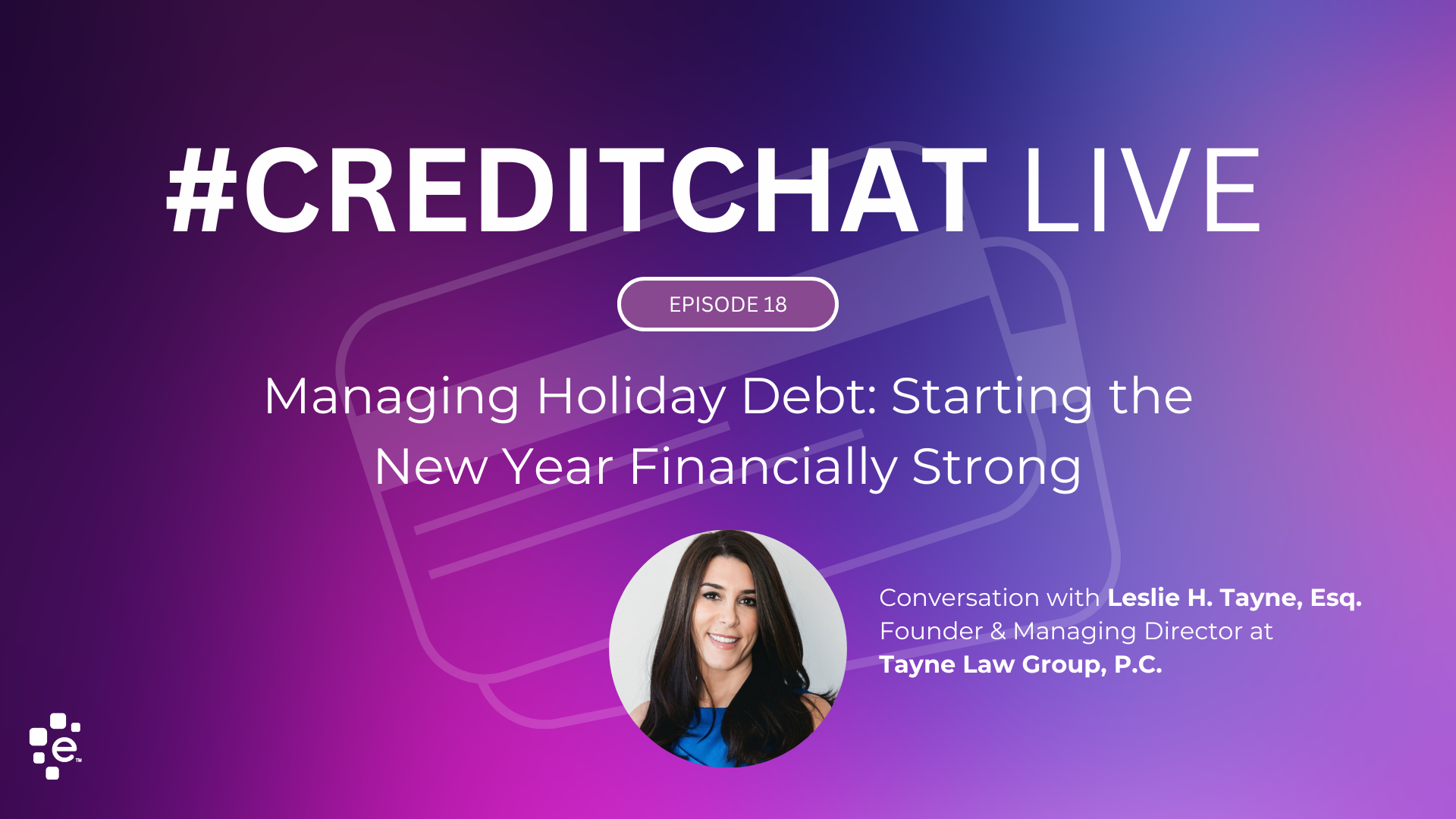
Many desktop publishing packages and web page editors now use Lorem Ipsum as their default model text, and a search for ‘lorem ipsum’ will uncover many web sites still in their infancy.
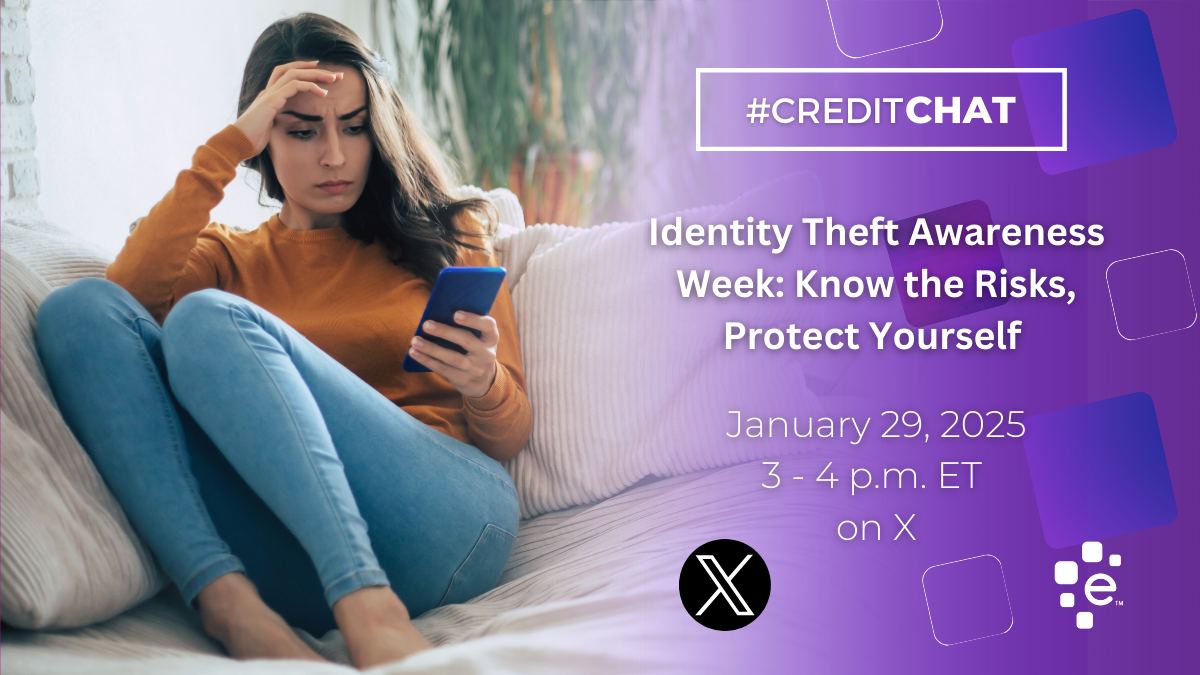
Many desktop publishing packages and web page editors now use Lorem Ipsum as their default model text, and a search for ‘lorem ipsum’ will uncover many web sites still in their infancy.

Many desktop publishing packages and web page editors now use Lorem Ipsum as their default model text, and a search for ‘lorem ipsum’ will uncover many web sites still in their infancy.
Managing Holiday Debt the Smart Way
Many desktop publishing packages and web page editors now use Lorem Ipsum as their default model text, and a search for ‘lorem ipsum’ will uncover many web sites still in their infancy.Many desktop publishing packages and web page editors now use Lorem Ipsum as their default model text, and a search for ‘lorem ipsum’ will uncover many web sites still in their infancy.Many desktop publishing packages and web page editors now use Lorem Ipsum as their default model text, and a search for ‘lorem ipsum’ will uncover many web sites still in their infancy.Many desktop publishing packages and web page editors now use Lorem Ipsum as their default model text, and a search for ‘lorem ipsum’ will uncover many web sites still in their infancy.
Many desktop publishing packages and web page editors now use Lorem Ipsum as their default model text, and a search for ‘lorem ipsum’ will uncover many web sites still in their infancy.Many desktop publishing packages and web page editors now use Lorem Ipsum as their default model text, and a search for ‘lorem ipsum’ will uncover many web sites still in their infancy.Many desktop publishing packages and web page editors now use Lorem Ipsum as their default model text, and a search for ‘lorem ipsum’ will uncover many web sites still in their infancy.Many desktop publishing packages and web page editors now use Lorem Ipsum as their default model text, and a search for ‘lorem ipsum’ will uncover many web sites still in their infancy.Many desktop publishing packages and web page editors now use Lorem Ipsum as their default model text, and a search for ‘lorem ipsum’ will uncover many web sites still in their infancy.

Many desktop publishing packages and web page editors now use Lorem Ipsum as their default model text
dasdsadThe Marketing Guy
The Marketing Guy speaks the truth
Many desktop publishing packages and web page editors now use Lorem Ipsum as their default model text, and a search for ‘lorem ipsum’ will uncover many web sites still in their infancy.Many desktop publishing packages and web page editors now use Lorem Ipsum as their default model text, and a search for ‘lorem ipsum’ will uncover many web sites still in their infancy.Many desktop publishing packages and web page editors now use Lorem Ipsum as their default model text, and a search for ‘lorem ipsum’ will uncover many web sites still in their infancy.

Guess That Credit Score
Many desktop publishing packages and web page editors now use Lorem Ipsum as their default model text, and a search for ‘lorem ipsum’ will uncover many web sites still in their infancy.Many desktop publishing packages and web page editors now use Lorem Ipsum as their default model text, and a search for ‘lorem ipsum’ will uncover many web sites still in their infancy.Many desktop publishing packages and web page editors now use Lorem Ipsum as their default model text, and a search for ‘lorem ipsum’ will uncover many web sites still in their infancy.
Check out the latest post

Experian Health is pleased to announce that its Patient Estimates solution has joined the athenahealth® Marketplace, also known as the More Disruption Please (MDP) program. Experian Health has participated in this program since the launch of the marketplace in 2013 (starting with our Contract Management offerings) and has worked with athenahealth to integrate its industry-leading capabilities into the organization’s growing network of more than 73,000 healthcare providers. Learn more about Experian Health’s Patient Estimates solution. Read the press release To learn more about athenahealth’s MDP program and partnership opportunities, please visit https://www.athenahealth.com/disruption.
Experian Health Partners With St. Clair Hospital To Deliver First In Region Patient Estimates Cost Transparency Tool
Collections OptimizationExperian Health is pleased to announce that we went live with Patient Estimates at St. Clair Hospital located in Pittsburgh, PA on February 22, 2016. A true representation of vendor and hospital collaboration and commitment, the Patient Estimates cost transparency tool gives St. Clair a competitive edge as the first hospital in its region to offer patients cost estimates in advance. Patient Estimates is not a list of charges, but an interactive and user-friendly tool that provides information that is highly specific to the individual. Estimates are designed to determine, in advance, each patient’s out-of-pocket costs (deductibles, co-pays and co-insurance) for services at St. Clair based upon his/her insurance coverage. The estimates also incorporate St. Clair’s discounts for payment on the date of service and for those without insurance. The estimates remain in the system and can be recalled for future reference. Patient Estimates is simple to use and is conveniently available 24/7 at www.stclair.org. On the home page, patients will select the “Financial Tools” option, then click on Patient Estimates. They will then enter their health insurance information before choosing one of the 100 listed clinical services (e.g., a procedure, treatment or diagnostic test) from the drop-down menu. The tool then provides a customized estimate of their out-of-pocket expenses. Patient Estimates is designed to help insured and uninsured patients get clear, real-time, easy-to-understand cost estimates for St. Clair’s services so patients can make informed decisions about their care. Below are some of the press mentions of St. Clair Hospital’s implementation of Patient Estimates: Pittsburgh TRIBLIVE https://bit.ly/1oxlKna Pittsburgh Post-Gazette: https://bit.ly/219dqfd Pittsburgh Business Times: https://bit.ly/1QWfqNa
The title of Best in KLAS is a highly coveted recognition of outstanding efforts to help healthcare professionals deliver better patient care. It is reserved for vendor solutions that lead the software and services market segments with the broadest operational and clinical impact on healthcare organizations. ~KLAS Enterprises LLC Last month, Experian Health’s eCare NEXT® platform was awarded the highest score in the Patient Access category of the 2015/2016 Best in KLAS: Software & Services report. This is the 5th straight year Experian Health has received the highest ranking in the patient access category—3 years as Category Leader in Patient Access – Eligibility Checking and now 2 years Best in KLAS in the broader Patient Access category. The KLAS award confirms our strong commitment to continually provide advanced technology and revenue cycle products for our clients, and consistently develop enhancements and new solutions with them. We are proud of the collaboration between our progressive clients and our dedicated employees to ensure clients provide the best patient care experience, and achieve payment certainty for every patient. It’s a great honor that our clients continue to hold Experian Health’s solutions in such high regard that we have been recognized consistently by KLAS year after year. View Press Release View full list of Best in KLAS winners and Category Leaders
Episode management, particularly the 30-90 days post-discharge, is incredibly important for all types of healthcare entities seeking to succeed under value-based reimbursement. Millions of dollars in revenue, shared savings, and bundled payment contracts are at-risk when hospitals, ACOs, bundled payment conveners, and others don’t have visibility into their patient’s care after hospital discharge. Leading health care organizations are realizing the solution is not simply to hire an army of care managers, but rather, to supplement a care management team with focused automation to double or triple their productivity by sharing workflow and care management with the patient’s community providers, including independent MD offices, skilled nursing facilities (SNFs), home health agencies (HHAs), and others. Having the right care solutions in place is critical to ensuring successful episode management. View our on demand webinar to learn care coordination best practices and find out how Experian Health’s innovative solutions can help your organization: Reduce readmissions and manage episode/post-acute costs Maximize Medicare reimbursement, minimize Medicare penalties and, hopefully, earn bonuses Profit at and contract for bundled payments Maximize commercial reimbursement Improve outcomes and lower costs for greater fee for value (FFV) in the future Learn how Experian Health can help you success in the new FFV environment. Access our on demand Episode Management webinar.
In the 1930s, Ovaltine offered listeners of the Little Orphan Annie radio program a membership badge with a decoder ring that allowed listeners to replace numbers with letters and figure out secret messages – which usually urged them to drink Ovaltine.. Fast forward to 2015, and a decoder ring can be bought online for under $20. Unfortunately, these trinkets aren’t sophisticated enough to help practices and hospitals decipher reimbursement contracts and identify underpayments. Providers today require robust analytics and automated workflows, coupled with a level of support that goes far beyond an instruction manual to include continual updates to contract terms by skilled contract analysts. According to the American Hospital Association, combined Medicare and Medicaid underpayments were $51 billion in 2013. Private payers further contribute to underpayments, totaling a hefty financial gap for providers, regardless of care setting. It is imperative that providers across hospitals and medical groups take proactive measures to ensure they are paid fully and fairly for the care and services delivered. Incorporating automated solutions enables providers to fully decode the hidden “catches” in contracts while recovering underpayments. Understand how proposed contracts with payers affect your revenues When a payer assures you that proposed contract changes will benefit your organization, are you skeptical? Using contract analysis and modeling, you can accurately predict how a change in any of the hundreds of variables in third-party contracts will affect reimbursement for your precise mix of services. Not only can contract analysis let you see the overall impact of an individual contract, it also lets you precisely model revenues so you can see the gains or losses for each individual specialty, provider or service. By assessing which factors have the greatest impact on your reimbursement, you can refine your bargaining strategy to negotiate better-performing contracts. Verify the accuracy of payment received from third-party payers Ensuring your contracts are as advantageous as possible is just half the battle; you still have to confirm that payments follow the guidelines of the contract. Complicating this process is the move to new reimbursement structures that bundle payments or base them on value rather than services. Verifying payment accuracy can easily bog down your team–unless you put the benefits of automation to work for you. Contract management and analysis solutions streamline workflow by auditing claims so you spend time only on those that require intervention. Through data-driven insight, you can conduct contract-based appeals and recover lost revenue. Together, these solutions assist in reviewing and modeling contracts, and then accurately identifying, appealing and recovering underpayments. With the ability to value the claims you file and evaluate overall contract performance, you decode the information locked away in data. All without a decoder ring. Don’t miss our upcoming webinar, “Overcoming the Three Ps: Payers Who Pay Poorly” Featured Speakers: Kristen Prenger, Director of Managed Care, Lake Regional Health System Rebecca Charo, Product Director, Experian Health Date: Thursday, May 21, 2015 Time: 11 a.m. PT/1 p.m. CT/2 p.m. ET Register now!
Financial assistance and charity screening in the age of the Affordable Care Act
Many desktop publishing packages and web page editors now use Lorem Ipsum as their default model text, and a search for ‘lorem ipsum’ will uncover many web sites still in their infancy.
This is a pull quote
This is test
This is a heading
Many desktop publishing packages and web page editors now use Lorem Ipsum as their default model text, and a search for ‘lorem ipsum’ will uncover many web sites still in their infancy.
- Test 1
- Test 2
- Test 3

It was popularised in the 1960s with the release of Letraset sheets containing Lorem Ipsum passages, and more recently with desktop publishing software like Aldus PageMaker including versions of Lorem Ipsum.
My Company Experian
dsdsad
this is tex tpromo container
| this is table 1 | this is table 2 |
| this is table 3 | this is table 4 |
In this article…
It was popularised in the 1960s with the release of Letraset sheets containing Lorem Ipsum passages, and more recently with desktop publishing software like Aldus PageMaker including versions of Lorem Ipsum.
It was popularised in the 1960s with the release of Letraset sheets containing Lorem Ipsum passages, and more recently with desktop publishing software like Aldus PageMaker including versions of Lorem Ipsum.
heaidng 1
It was popularised in the 1960s with the release of Letraset sheets containing Lorem Ipsum passages, and more recently with desktop publishing software like Aldus PageMaker including versions of Lorem Ipsum.
It was popularised in the 1960s with the release of Letraset sheets containing Lorem Ipsum passages, and more recently with desktop publishing software like Aldus PageMaker including versions of Lorem Ipsum.
It was popularised in the 1960s with the release of Letraset sheets containing Lorem Ipsum passages, and more recently with desktop publishing software like Aldus PageMaker including versions of Lorem Ipsum.
It was popularised in the 1960s with the release of Letraset sheets containing Lorem Ipsum passages, and more recently with desktop publishing software like Aldus PageMaker including versions of Lorem Ipsum.It was popularised in the 1960s with the release of Letraset sheets containing Lorem Ipsum passages, and more recently with desktop publishing software like Aldus PageMaker including versions of Lorem Ipsum.
heading 2
It was popularised in the 1960s with the release of Letraset sheets containing Lorem Ipsum passages, and more recently with desktop publishing software like Aldus PageMaker including versions of Lorem Ipsum.
It was popularised in the 1960s with the release of Letraset sheets containing Lorem Ipsum passages, and more recently with desktop publishing software like Aldus PageMaker including versions of Lorem Ipsum.
It was popularised in the 1960s with the release of Letraset sheets containing Lorem Ipsum passages, and more recently with desktop publishing software like Aldus PageMaker including versions of Lorem Ipsum.
heaidng 3
It was popularised in the 1960s with the release of Letraset sheets containing Lorem Ipsum passages, and more recently with desktop publishing software like Aldus PageMaker including versions of Lorem Ipsum.
It was popularised in the 1960s with the release of Letraset sheets containing Lorem Ipsum passages, and more recently with desktop publishing software like Aldus PageMaker including versions of Lorem Ipsum.
It was popularised in the 1960s with the release of Letraset sheets containing Lorem Ipsum passages, and more recently with desktop publishing software like Aldus PageMaker including versions of Lorem Ipsum.
It was popularised in the 1960s with the release of Letraset sheets containing Lorem Ipsum passages, and more recently with desktop publishing software like Aldus PageMaker including versions of Lorem Ipsum.It was popularised in the 1960s with the release of Letraset sheets containing Lorem Ipsum passages, and more recently with desktop publishing software like Aldus PageMaker including versions of Lorem Ipsum.
heading 4
It was popularised in the 1960s with the release of Letraset sheets containing Lorem Ipsum passages, and more recently with desktop publishing software like Aldus PageMaker including versions of Lorem Ipsum.
It was popularised in the 1960s with the release of Letraset sheets containing Lorem Ipsum passages, and more recently with desktop publishing software like Aldus PageMaker including versions of Lorem Ipsum.
It was popularised in the 1960s with the release of Letraset sheets containing Lorem Ipsum passages, and more recently with desktop publishing software like Aldus PageMaker including versions of Lorem Ipsum.
this is columns block #1
this is column block #2