Loading...

testpage

Published: November 25, 2025 by Adam.Lewis@experian.com

this is heading!

kjdaskldj

some company name herekdljsaldkjlska

Docker is an open-source project to easily create lightweight, portable, self-sufficient containers from any application. The same container that a developer builds and tests on a laptop can run at scale, in production, on VMs, bare metal, OpenStack clusters, public clouds and more.

Docker is an open-source project to easily create lightweight, portable, self-sufficient containers from any application. The same container that a developer builds and tests on a laptop can run at scale, in production, on VMs, bare metal, OpenStack clusters, public clouds and more.

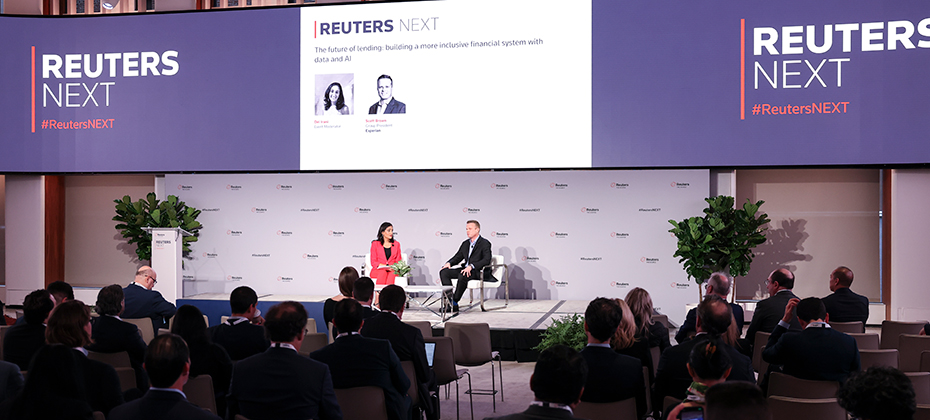
Scott Brown and Del Irani having a discussion onstage at Reuters Next
dasdasdad

thisis a contet t for medai text block!

Paragraph Block- is simply dummy text of the printing and typesetting industry. Lorem Ipsum has been the industry’s standard dummy text ever since the 1500s, when an unknown printer took a galley of type and scrambled it to make a type specimen book. It has survived not only five centuries, but also the leap into electronic typesetting, remaining essentially unchanged. It was popularised in the 1960s with the release of Letraset sheets containing Lorem Ipsum passages, and more recently with desktop publishing software like Aldus PageMaker including versions of Lorem Ipsum.
my alt text
This is an image caption
This is my alt text. Sample
This image is linked to google

Heading 2

Heading 3

Heading 4

Heading 5

  • This is a list
  • Item 1
  • Item 2
    • Sub list
    • Sub list 2
    • Sub list 3
      • More list
      • More list 2
      • More list 3
        • More more

This is the pull quote block Lorem Ipsumis simply dummy text of the printing and typesetting industry. Lorem Ipsum has been the industry’s standard dummy text ever since the 1500s,

ExperianThis is the citation

This is the pull quote block Lorem Ipsumis simply dummy text of the printing and typesetting industry. Lorem Ipsum has been the industry’s standard dummy text ever since the 1500s,

ExperianThis is the citation
Table elementTable elementTable element
my tablemy tablemy table
Table element Table elementTable element
Test alt

Media Text Block

of the printing and typesetting industry. Lorem Ipsum has been the industry’s standard dummy text ever since the 1500s, when an unknown printer took a galley of type and scrambled it to make a type specimen book. It has survived not only five centuries, but also the leap into electronic typesetting, remaining essentially unchanged. It was popularised in the 1960s with the release of Letraset sheets containing Lorem Ipsum passages, and more recently with desktop publishing software like Aldus PageMaker including versions of Lorem Ipsum

My Small H5 Title

unmasking romance blogs

My first column title

Many desktop publishing packages and web page editors now use Lorem Ipsum as their default model text, and a search for ‘lorem ipsum’ will uncover many web sites still in their infancy.

This is alt text

My second column title

Many desktop publishing packages and web page editors now use Lorem Ipsum as their default model text, and a search for ‘lorem ipsum’ will uncover many web sites still in their infancy.

Test alt

This site is protected by reCAPTCHA and the Google Privacy Policy and Terms of Service apply.

Heading 1

This is Icon List

Heading 2

This is more info

Heading 3

Last info

Heading 1

This is Icon List

Heading 2

This is more info

Heading 3

This last icon

Loading…
Telehealth and digital tools remain a top priority for healthcare providers

Telehealth adoption has been a bumpy ride. Remote and virtual healthcare services struggled to gain traction pre-pandemic, only to become a life raft for safe access to care when infection rates began to climb. After that initial surge, telehealth usage leveled off at around 38 times pre-pandemic levels for much of 2021. Now, while uptake has dipped slightly as patients return to in-person care, the way healthcare is delivered has changed forever. Having seen what digital healthcare solutions can do, providers are continuing to embrace telehealth and digital tools as a route to improve equity, access and efficiency. According to a new report by Grand View Research, the telehealth market is expected to reach $787.4 billion by 2028 – a compound annual growth rate of 36.5% from 2022. Research from Experian Health and PYMNTS confirms that patients similarly expect digital tools to remain on their healthcare menu, with two-thirds using patient portals. Healthcare providers must keep patients' digital demands firmly in their sights, to improve patient engagement and secure a competitive edge. For providers thinking about their next digital steps, where are the emerging opportunities and pitfalls? How to harness the benefits of digital healthcare solutions: 1. Satisfy consumer demand with hybrid models Research shows that digital-first patients prefer using online tools to schedule appointments, obtain test results and make payments. Providers can satisfy consumer demand by offering hybrid models that include in-person and digital tools. Experian Health's suite of patient access solutions allows patients to choose when and where they engage with their provider and reduces friction around booking and billing. Clean data and reliable patient matching can give patients a seamless experience as they move between online and in-person interactions. 2. Connect with diverse communities to increase access to care Adoption of telehealth and digital opportunities goes beyond consumer satisfaction. Opening healthcare's digital front door enables communities that often find it challenging to access care, such as rural and lower-income communities, to overcome obstacles. Online scheduling tools can give busy families and those who may be juggling multiple jobs opportunities to book appointments at a time and place that suits them best. Data on the social determinants of health and patients' financial circumstances can be used to direct those in need to financial assistance, so patients don't miss care out of concerns about cost. Digital healthcare solutions can also be a better fit for younger patients who automatically reach for their mobile devices to interact with services. 3. Automate to save resources and mitigate rising inflation Automated and self-service digital healthcare tools that eliminate the need for manual input are also far more efficient than analog alternatives. Providers can save valuable staff time and resources and redirect them to where they're most needed. A more efficient and adaptive approach to healthcare delivery can help combat rising inflation and ride out economic shocks. Pitfalls to avoid when implementing digital health solutions: 1. Close the expectation gap – especially around payments Despite these advantages, a gap remains between how patients say they want to use digital tools, and whether they can actually use them. For example, in The Digital Healthcare Gap report by Experian Health and PYMNTS, 32% of patients who don't currently use patient portals said they'd be interested in doing so if one was available. There's a similarly stark gap between the number of patients seeking upfront cost estimates and those who get them. Only 24% of patients said they had access to a patient portal that offered pricing estimates. To increase patient satisfaction (and bump up collections rates), providers must expand portal capabilities to include cost estimates, payment plans and other services that patients repeatedly say they need.Closing the expectation gap will be particularly relevant to providers that want to attract new and younger consumers, who are more likely to expect and use digital healthcare solutions. 2. Eliminate disjointed data with interoperabiliy Digital and data-driven tools are only as powerful as the data they’re built on. If patient information is inaccurate or incomplete, the convenience and ease expected of digital healthcare solutions start to break down. Providers must find digital healthcare solutions that are convenient for patients to use, but also compatible and easily integrated with the wider information ecosystem. A unique patient identifier is one way to ensure that these innovative tools and apps work together and ensure staff have access to up-to-the-minute patient information. Getting the back-end setup right will ease friction in the patient journey. 3. Avoid missed opportunities to scale with actionable analytics As the pandemic has shown, telehealth and digital healthcare solutions have the power to open access to care, but only if they are made available to the right patients at the right time. Experian Health's data and analytics solutions allow providers to identify gaps in digital strategy delivery, understand and segment patients, and adopt a flexible and responsive approach to create a frictionless patient journey. Find out more about how Experian Health can support healthcare organizations to maximize the opportunities in implementing digital healthcare solutions and secure the digital advantage.

Jul 12,2022 by Experian Health

Case study: Boost patient collections and scale patient scheduling with PatientDial

Dayton Children’s Hospital is a pediatric hospital in Ohio with over 300,000 annual patient visits. Ranked by U.S News & World Report as one of the top 50 pediatric facilities in the United States, the facility’s mission centers around providing “optimal health for every child.”  Challenges The Patient Accounts department, led by Richard Gonzales, wanted to reduce his team’s reliance on third-party collections agencies and avoid associated fees. This meant that his in-house team needed to further scale its operations and processes to reach their in-house collections goals. The Pre-Service Operations department, managed by Jason Schenck, pursued efficiencies for resources within the centralized scheduling team, including the goal to quickly respond to referrals and turning those referrals into scheduled appointments within 24 hours. Throughout the pandemic, both teams experienced staffing shortages and pandemic-related absences. Because their dialing methodologies were manual, these disruptions in personnel prohibited them from growing in-house collections and reaching the turnaround times Schenck's team wanted to achieve for scheduling referrals. As Dayton Children’s strived to achieve these ambitious goals, they decided to proactively provide a better patient experience through convenience, connection and an effective communication experience. Resolution Dayton Children’s launched Experian Health’s PatientDial solution in the Patient Accounts department to scale their in-house collections efforts, thereby reducing dependency on their outside collections agencies. The solution was also adopted in the Pre-Service Operations department to automate dialing and conversation readiness so that the team could expedite the scheduling of referred patients. The expertise of a dedicated Experian Health consultant provided unwavering support to the two departmental heads and also gave them full control over the operations to best match their expectations. Streamlining patient payment collections with PatientDial  The Patient Accounts department’s operations revolve around billing a claim, reducing bad debt, increasing patient collections and providing effective customer service. They devised a two-pronged approach when it came to contacting patients for payments. The outbound campaign focused on collections, whereas the inbound customer service team handled the large volume of incoming calls from customers and rerouted them to the correct department. When it comes to collections, the Patient Accounts department found that making phone calls was the most effective medium to support their collections efforts. Billing is a complex process and taking the time to connect with patient guarantors to explain those bills paid off. To refine the communication approach, patient accounts were segmented based on outstanding balance amounts and where they were on the statement cycle. Calls were then made to the accounts with the highest propensity to pay. Waiting on hold not only wastes a patient’s time but also leads to a frustrating patient experience. Many even abandon calls, to call again later, which makes phone lines even busier. To provide a better patient experience, the department was also able to try out an innovative recall campaign, enabled by the queue callback feature. Patients were called back automatically the moment an agent became available, thereby reducing call hold time. By providing patients with this callback option, Dayton Children’s is empowered to accept more inbound calls per day along with having empathetic conversations with guarantors around payment plans to sustain its collections goals. Patient scheduling and preregistration powered through automation The Pre-Service Operations department leveraged PatientDial to improve outbound call efficiency and optimize existing staff resources to schedule appointments rather than leave voicemails. The productivity for scheduling a new patient visit from an outbound call was about 30%. With the centralized team supporting more than 40 specialty clinics, the team needed to improve the number of new patient visits scheduled daily, which meant opening resources to receive inbound calls. The mighty team of 10 was able to strategically use the autodialer feature to make new appointments, send appointment reminders and schedule referrals. Time is of the essence in a healthcare setting, and swift access to pertinent patient information enabled the staff to start their work even before greeting the callers when an inbound call came. Powered by the agent pop feature, staff had immediate access to key patient identifiers such as name, date of birth and specialty clinic from referral. Additionally, the feature enabled the team to reinvest time in creating a positive patient experience through improved hold and talk times, both of which reduce the risk of call abandonment. Results of incorporating PatientDial With PatientDial, the Patient Accounts department has been able to successfully align revenue goals with employee productivity. Previously, the staff was able to make only 50–60 calls per day, out of which 70% went unanswered. By automating dialing, the staff is now able to make 600 calls per day, resulting in a corresponding uptick in collections. The recall campaign, used for following up with patient guarantors, was a new endeavor for the department and has reduced the staff’s burden of making 300 manual calls per day and has also reduced call abandonment rates. The Pre-Service Operations department, has seen a 50% increase in patient appointments scheduled, powered by 600–800 automated calls made per day. The referral-to-scheduled appointment timeline has gone down from 4 days to under 1 day. Two hundred patients can now be reached via text daily and the speed to answer calls has been reduced from 60 seconds to 30 seconds. Lastly, PatientDial has positively challenged the Pre-Service Operations department to rethink productivity and daily operational efficiency. Dayton Children’s investment in dialing automation has streamlined their patient communications around scheduling and far exceeded initial goals. Because of the resulting high volumes of new patients scheduled and improved efficiency and effectiveness the team realized, there’s a strategic plan specific to central scheduling and to implement standard processes for managing new patient referrals across the organization. What’s next for Dayton Children’s? Empowered by their stellar results, both the Patient Accounts and Pre-Service Operations departments want to further explore how PatientDial could help other departments achieve greater productivity and further deliver a positive patient experience. The Patient Accounts department wants to maintain its focus on productivity gains and employee experience through PatientDial, with the ultimate goal of bringing in more collections. The Pre-Service Operations department plans to take on additional scheduling responsibilities across departments, creating time to reinvest in direct patient care and improving patient outcomes. Initial plans are for establishing patient scheduling and improving processes to identify and schedule follow-up visits. Both the teams at Dayton Children's recognize Experian Health’s expertise in revenue cycle solutions, which has made this a successful partnership. Learn more about how PatientDial uses patient outreach and patient engagement processes and workflows to increase your bottom line.  

Jul 06,2022 by Experian Health

Why targeted patient outreach is important for healthcare

When it comes to the patient journey, knowledge is power. That's where targeted patient outreach comes in. Informed patients can make better and faster decisions about their healthcare. By arming patients with answers and easy access, they’ll be less likely to miss appointments or fall behind on payments. Instead, they’ll enjoy better health outcomes and a more satisfying healthcare experience. As digital services evolve, healthcare providers need to find new ways to engage patients. That means embracing digital tools and data analytics to make sure patients get the information they need through their preferred channels, and at a time that makes them most likely to act. Knowing what patients need gives providers the power to communicate with more patients, more effectively, and deliver outstanding patient experiences. This article looks at three specific use cases for targeted patient outreach. These include reducing pressure on staff, closing gaps in care and streamlining patient collections. Use case 1: Targeted patient outreach can help reduce pressure on call center teams and increase appointment bookings One of the biggest pain points for patients is having to schedule appointments by calling a specific number at a specific time, and then being put on hold until an agent is available to help. A recent survey by Experian Health and PYMNTS found that over the last year, one out of every five patients chose to skip this option and have booked their appointments through digital channels instead. Instead of just providing patients with a number to call during office hours, providers can make it even easier for patients to book appointments by deploying a patient outreach solution that connects patients to an online scheduler. Automated text message (SMS) and interactive voice response (IVR) campaigns can be used to send patients a link to schedule their appointment immediately. Waitlists can also be managed with this technology, by sending automated messages that enable patients to accept earlier appointments that may become available and cancel their existing appointments to make the slot available to others. Reminders are useful, but the ability to make an appointment is far more likely to result in bookings. Not only is this convenient for patients and enables them to see their doctor sooner, but it also helps offload call volumes for busy call center staff. Automated outreach capabilities can reach many more patients than a traditional call center setup. It can also process thousands of calls and messages per day without agent input. Use case 2: Targeting at-risk patients to close gaps in care Targeted patient outreach also plays an important role in closing gaps in care, so patients get preventative and follow-up treatment without delay. Historical patient data and data on the social determinants of health (SDOH) can be leveraged to identify at-risk patients and ensure they get timely, relevant and actionable information about their care options. For example, researchers in Pennsylvania found that patients with lung cancer were more likely to attend screening appointments after receiving some form of outreach, compared to those receiving standard care. Similar prevention-focused approaches have been suggested to identify patients at risk of chronic kidney disease, to address gaps in screening and early intervention. SDOH data and targeted patient outreach solutions can also be used to support populations that typically struggle with access to care, such as immigrant, minority and lower income communities. Outreach messages can include information about health education, local resources, links to book wellness visits and details of screening programs. Use case 3: Streamline patient collections and avoid lost revenue with targeted patient outreach In addition to tailored messaging around scheduling and health education, automated patient outreach solutions can be used to streamline patient collections with bill reminders and self-pay options. For example, PatientDial is a cloud-based dialing platform providing inbound and outbound automated calls. This speeds up collections by giving patients self-service options, such as balance retrieval, bill requests and pay-by-phone. Similarly, PatientText sends automated text messages with a link to a provider’s patient portal and contact center phone number. Frequency and content can be customized, and since there’s no send limit, providers can scale their campaign to as many messages as needed. Both tools reduce the need for agent involvement and provide insights to help improve performance. PatientDial in practice: Sanford Health used PatientDial in combination with Collections Optimization Manager to route collections calls to the appropriate agents based on the patient’s ability to pay. This led to increased collection rates. The system also generated $2.5 million in patient payments by verifying billing information, and an additional $60k was found through better management of accounts for deceased patients. Targeted patient outreach should be personalized, proactive and process-driven The key to success in each of these use cases is to be proactive. With the right data and patient outreach solutions, providers can anticipate the information that patients will need and deliver the must-know details in a tailored and timely format. Patients will be empowered to manage their own healthcare journey, while providers will lighten the administrative load and see higher collection rates. Find out more about Experian Health’s patient outreach solutions.

Jun 27,2022 by Experian Health

No posts

In this article…

typesetting, remaining essentially unchanged. It was popularised in the 1960s with the release of Letraset sheets containing Lorem Ipsum passages, and more recently with desktop publishing software like Aldus PageMaker including versions of Lorem Ipsum.

Spotlight test

Spotlight Description

This site is protected by reCAPTCHA and the Google Privacy Policy and Terms of Service apply.

Sticky Subscribe Title

Sticky Subscribe Description
Sticky Subscribe

Testing Spotlight Paragraph block

Testing the spotlight block header

Archive Testing

Categories