All posts by Guest Contributor

Synthetic identity fraud is on the rise across financial services, ecommerce, public sector, health and utilities markets. The long-term impact of synthetic identity remains to be seen and will hinge largely upon forthcoming efforts across the identity ecosystem made up of service providers, institutions and agencies, data aggregators and consumers themselves.

Our national survey found that consumers struggle to find a credit card that meets their needs. They say there are too many options and it’s too time-consuming to research. Here's what they want:

The collections space has been migrating from traditional mail and outbound calls to electronic payment portals, digital collections and virtual negotiators. Now that collectors have had time to test virtual collections, we’ve collected some data points. Here are a few:

National Hispanic Heritage Month Sept. is 15 - Oct. 15. With 1 in 6 U.S. residents being Hispanic, now is a great time for financial institutions to reflect on their largest growth opportunity.

Direct mail is dead. It’s so 90s. Digital is the way to reach consumers. Marketers have heard this time and again, but is it true?
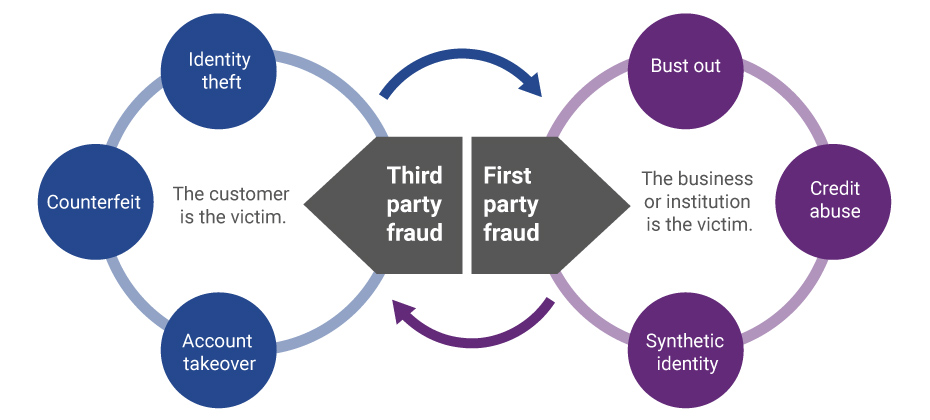
Third-party and first-party schemes are now interchangeable, and traditional fraud detection practices are less effective in fighting these evolving fraud types.

As more collectors transition from "dialing for dollars" to digital solutions, they are seeing early results and success with virtual negotiation tools.
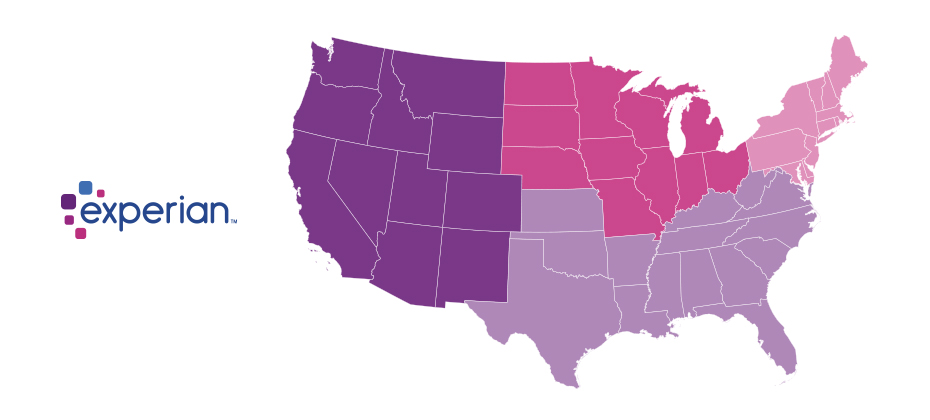
We recently analyzed millions of online transactions from the first half of 2017 to identify fraud attack rates. Here are the top 3 riskiest states for e-commerce billing and shipping fraud for H1 2017

All communities are impacted by the contributions of Hispanics, and now is the time for FIs to reflect upon their largest growth opportunity.

Everyone has a role in cybersecurity. Cybersecurity cannot be successful if siloed. The entire organization must be part of the effort.

APIs--Application Programming Interfaces--are the hidden backbone of our modern world which allow software programs to communicate with one another.
With minimal risk and high reward at stake, e-commerce fraud attacks have increased dramatically over the last few years, with no signs of slowing down.

Too many C-suite executives are disengaged with their organization’s cybersecurity efforts. That indifference can seriously hamper an organization’s ability to quickly and effectively respond to an incident. To best protect the organization, take the following steps to increase engagement:

Multiple studies suggest many executives aren’t as engaged as they should be when ensuring their organizations are prepared to mitigate and manage cybersecurity risks. Insights from our Fourth Annual Data Breach Preparedness Survey, conducted by the Ponemon Institute, support this sentiment.

Student loan crisis? Here's what the data from the past four years says...