Fraud & Identity Management
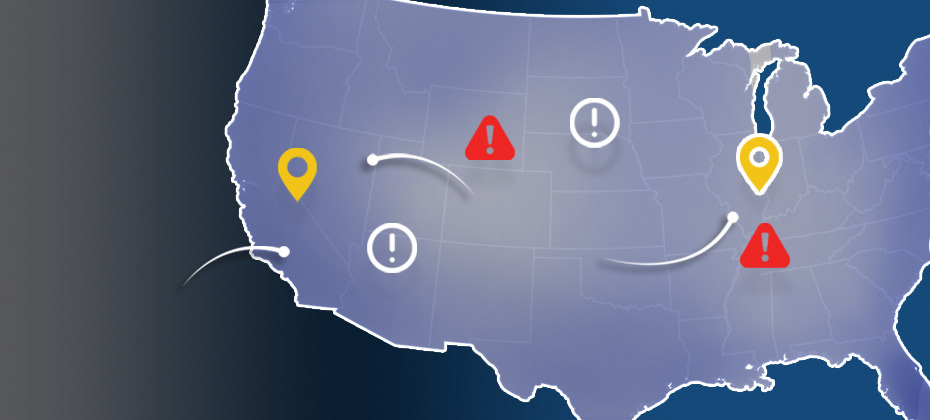
Experian analyzed millions of 2015 data to identify e-commerce fraud attacks across the United States for fraud by shipping and billing locations.

Loyalty fraud occurs when criminals obtain login credentials (either through breach, malware, phishing, etc.) and use your profile to purchase goods.

Compliance definitions for LOA, CIP, FACTA, KYC

A recent Experian survey shows a growing concern over identity theft and tax fraud. 42% of consumers are concerned that someone could access their personal data through their tax return, compared with 35% in 2014 and 38% in 2015 28% of consumers have been a victim or know someone who has been a victim of tax fraud Tax season is a busy time of year for identity thieves. While consumers should take steps to protect themselves, businesses also need to employ ID theft protection solutions in order to safeguard consumer information. >> Identify and prevent multiple types of fraud

Basically, a blockchain is a permissionless, distributed database that maintains a growing list of records in a linear, chronological ledger.

According to a recent Experian Marketing Services study, 36% of companies interact with customers in five or more channels.

Data Privacy Day reminds consumers to protect their privacy online — and for organizations to ensure they are vigilant in their fight against fraud.

Thanks to a recent announcement from the Internal Revenue Service, identity theft protection will now be considered a non-taxable benefit.

What is the true fraud cost? We must be vigilant and keep our acceptable fraud rate at zero

Device payments and the Internet of things has been colliding for a while now and net result could prove to benefit authentication of user identities

Businesses must be vigilant and apply comprehensive, data-driven customer intelligence to thwart breaches and the malicious use of breached information.

To improve the customer experience during the busy holiday shopping season many businesses loosen their fraud criteria.

As the electronic signature industry matures and acceptance of e-signatures increases, so does the need for more robust, flexible options in authentication.

We all know that first party fraud is a problem, but learning how to manage through first party fraud is key to overcoming it

I recently read a study about the profile of an online Fraudster. One may jump to conclusions about what is a good indicator for catching cybercriminals.