Latest Posts

Financial firms are turning to customer acquisition engines to help them build, test and optimize custom targeting strategies faster than ever before.
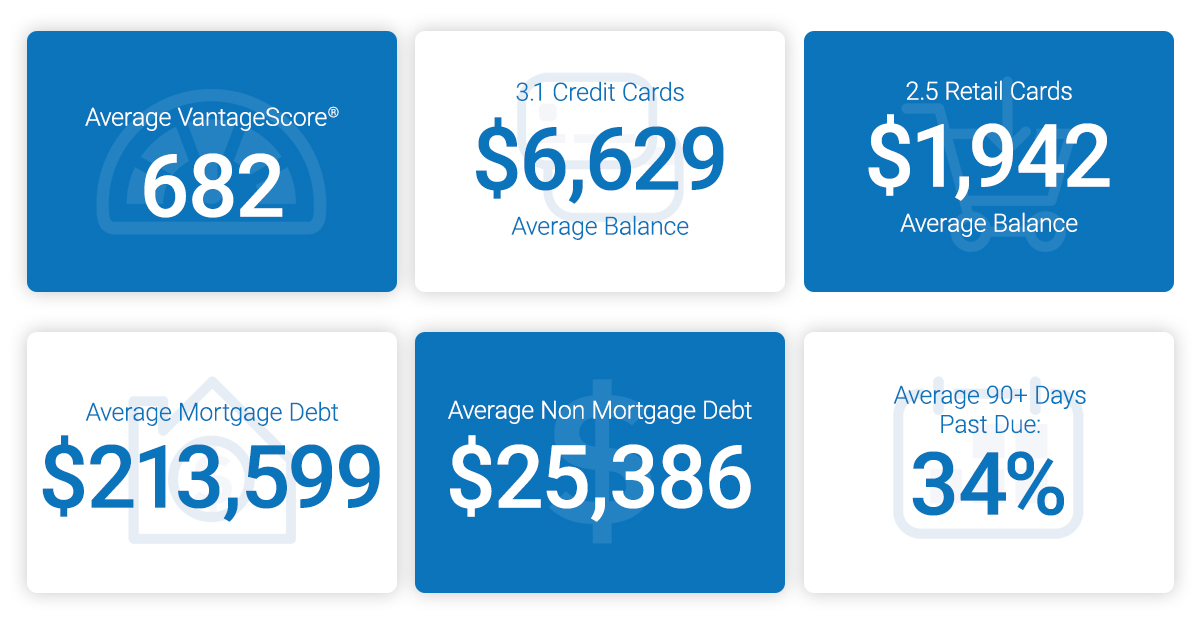
As look forward to the next decade, things are looking up. The 10th annual State of Credit Report highlights consumer credit scores and borrowing behavior.

What if you could increase your market engagement rate from 5% to 10%? Getting strategic about your segmentation makes all the difference.
Synthetic ID fraud is the fastest-growing type of financial crime in the US. The best offense means detecting synthetic identities before they're in place.

Changes in technology have added fraud risks to the online space. Read this Q&A to see how fintechs are balancing safety and an optimal customer experience.

Combatting fraud trends in loyalty and rewards programs requires device intelligence, digital identity verification email risk scoring and more.

Customers expect seamless and excellent customer experiences – that’s where the power of advanced analytics comes into play.

Since the end of the recession, customer loyalty has been a focus for lenders, given that there are more options for AFS borrowers. Read more!

Time is the only resource we can’t get more of, which is why we obsess over saving it. Over the last several years, a new time saver has emerged – APIs.

As the opportunities surrounding advanced analytics continue to grow, lenders are eager to adopt these capabilities. However, there are key things to keep in mind.

The rapid rate at which fintech challengers are becoming established, is in turn, allowing for greater consumer awareness and adoption of fintech platforms.

As we prepare for the excitement and challenges of a new decade, the same can be true for how we approach the use of alternative data. Read more!

Artificial intelligence (AI) has long been a topic that’s confounding and downright worrisome to financial institutions. Read more!

Cybercriminals are stealing data from fintech platforms to create synthetic identities and commit fraud. Here's how it's impacting them.

“Frankenstein IDs” refer to synthetic identity fraud carried out by criminals that have created fictitious identities. Synthetic IDs are stitched together pieces of mismatched identities — some fake, some real, some even deceased.