Advertisers are always looking for ways to improve the targeting and effectiveness of their campaigns. One strategy that’s gaining popularity lately is using curated private marketplace (PMP) deals, allowing advertisers to buy premium ad inventory in a private auction environment. But how do data providers and PMPs work together to make PMP advertising more successful?
What is a private marketplace (PMP)?
Advertising PMPs, or private marketplace deals, are a type of programmatic advertising where advertisers and publishers negotiate and set up a direct deal between themselves to buy or sell advertising inventory in a private auction environment. In PMP deals, publishers can make their premium inventory available to a select group of advertisers, who can bid on it in a private auction using demand-side platforms (DSPs). These private auctions typically offer higher-quality inventory and a more targeted audience than open exchange auctions, which are accessible to all advertisers. However, traditional PMPs had their limitations, including often being limited to accessing inventory from a single publisher group.
Audigent takes PMP advertising to the next level with SmartPMPs
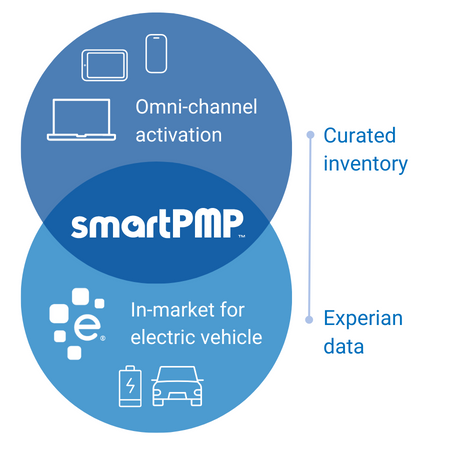
Audigent’s key differentiator is that instead of activating audience data from the DSP, which is the industry standard, they integrate directly with supply-side platforms (SSPs). By taking this route, audience data and inventory from hundreds or even thousands of publishers can now be packaged together into a single deal ID / SmartPMP. SmartPMPs empower media buyers with the ability to access and buy against unique, customizable data segments on premium curated publisher inventory in combinations that otherwise would not have been available.
Activating data via the supply-side also enables supply-side optimizations. This means that instead of simply being a data provider, Audigent plays an active role in the success of media buyers’ programmatic campaigns by optimizing toward performance goals in coordination with demand-side buyers. The result is the full alignment of demand- and supply-side technologies for the first time in programmatic.
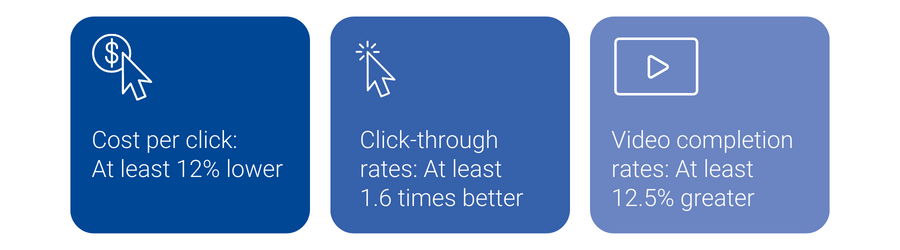
SmartPMPs drive campaign performance
Audigent performance data compared to the programmatic open exchange:
How Experian and Audigent partner in PMP advertising
Experian and Audigent collaborate using Consumer View audience data. By supplying valuable insights into users’ interests, behaviors, and demographics, we help advertisers create more targeted and personalized ad campaigns with Audigent. This can lead to higher engagement rates, greater brand awareness, and increased conversions for Audigent and Experian clients.
By activating Experian data via Audigent SmartPMPs, advertisers unlock the ability to reach highly engaged users across premium, curated inventory sources on key channels like connected TV (CTV), display, video, and more.
Unlock the potential of programmatic advertising with us
Our strategic collaboration with Audigent is transforming the programmatic advertising space. Our partnership enables our customers to tailor their ads directly to their desired audience. This elevated personalization results in higher conversion rates and optimized campaigns for superior ROI performance.
Contact us for more information about our digital audience segments on the Audigent platform. To learn more about our partner Audigent, visit www.audigent.com.
Latest posts
Lorem ipsum dolor sit amet, consectetur adipiscing elit. Curabitur vel dolor quis elit vestibulum bibendum eu in mi. Maecenas bibendum tristique lacus, sit amet tincidunt tellus dictum et. Vestibulum ante ipsum primis in faucibus orci luctus et ultrices posuere cubilia curae; Maecenas vel diam lacinia magna efficitur congue. Aliquam tempus, lectus nec ultrices sagittis, purus ipsum imperdiet felis, ac gravida enim massa vel augue. Quisque non neque at augue volutpat sodales nec eget ipsum. In sed consectetur odio, ut tincidunt ipsum. Sed non pellentesque nulla, non iaculis mauris. Etiam faucibus sit amet mauris eu efficitur. Lorem ipsum dolor sit amet, consectetur adipiscing elit. Integer sed blandit metus, at finibus ligula. Ut non rhoncus lacus. Nulla mattis est quis cursus laoreet. Nullam porta odio eu tortor consequat vulputate. Suspendisse nec massa ac neque ultrices eleifend. Integer porta tristique tempus. Nulla aliquet, erat tincidunt imperdiet vehicula, urna tortor molestie nulla, ut porttitor erat erat ac nunc. Nulla facilisi. Etiam a tellus in lectus vulputate maximus vitae eu nisl. Fusce eget libero non ipsum pellentesque egestas. Lorem ipsum dolor sit amet, consectetur adipiscing elit. Nulla ut metus sapien. Maecenas aliquam libero et ipsum eleifend, et maximus felis sagittis. Donec id massa et massa molestie varius. Quisque dignissim placerat augue vel mollis. Mauris accumsan, mi vel elementum suscipit, eros elit malesuada justo, ut tempor mi nunc quis tortor. Nullam ut laoreet mi. Nam euismod lectus id dictum consectetur. Praesent quis lacinia ipsum. Donec lobortis massa in erat interdum, consectetur consectetur purus posuere. Nullam feugiat, erat non hendrerit rutrum, velit ante rhoncus nibh, ac laoreet felis ante ac mauris. Etiam ex erat, vulputate vel nulla non, placerat dictum tellus. Praesent orci lacus, dictum in vestibulum non, semper ut tortor. Nullam vitae ornare ipsum, a cursus quam. Vivamus vitae vulputate lorem, ac scelerisque lectus. Fusce at lacus non enim fringilla consequat. Sed laoreet mi eget vulputate auctor. Proin placerat tempor nunc vel mollis. Ut quis mi ut lorem ultrices hendrerit nec vehicula felis. Vestibulum tempus sapien vel porta aliquet. Phasellus quis auctor augue. Morbi nec tellus in massa venenatis ornare. Vivamus eleifend lacus lacus. Suspendisse ac commodo orci, vel fringilla turpis. Proin enim turpis, egestas quis nulla a, ultrices volutpat massa. Nam luctus sapien odio, ac blandit ante accumsan et. Nunc luctus ligula odio, ac faucibus urna rutrum vitae. Donec eu lorem gravida nisi pretium consectetur. Morbi vel mauris non odio iaculis aliquam sed nec leo. Vestibulum sed libero quis ante hendrerit porttitor eget eu orci. Morbi est arcu, maximus eu lobortis sit amet, suscipit et felis. Morbi sodales mattis pretium. Curabitur sodales porttitor eros vitae efficitur. Nam id turpis tristique, aliquam sapien ac, convallis mi. Sed risus sapien, dapibus euismod mauris vitae, fringilla vulputate augue. Morbi efficitur, ex vitae semper mattis, tellus sem luctus lorem, eget viverra metus nibh eu neque. In eu orci est.

YouTube Embed Yoast FAQ Block FAQ Question #1 FAQ Answer #1 FAQ Question #2 FAQ Answer #2 FAQ Question #3 FAQ Answer #3 CTA Embed Button Test InfoGram Embed

Lorem ipsum dolor sit amet, consectetur adipiscing elit. Aliquam vitae nibh eu massa cursus eleifend quis in quam. Nunc mollis aliquam eros sed laoreet. Suspendisse et elit ut metus elementum aliquet ut sit amet metus. Vestibulum ante ipsum primis in faucibus orci luctus et ultrices posuere cubilia curae; Pellentesque fringilla, nibh eget convallis scelerisque, nisl nisl vestibulum ipsum, sit amet placerat neque nunc eget nisi. Cras cursus, sapien non interdum mollis, nibh augue efficitur eros, eget congue tellus nulla id lectus. Nullam vestibulum vitae erat sit amet mollis. Sed gravida tortor nec nibh blandit ultrices. Pellentesque habitant morbi tristique senectus et netus et malesuada fames ac turpis egestas. Nam justo lectus, tempus a velit at, tempus malesuada est. Aenean dictum tellus id lorem venenatis, quis sodales nisl tempus. In quis libero id est rhoncus dictum. Praesent ipsum dui, mattis vel augue ut, lacinia ultricies ex. Suspendisse sit amet gravida purus. Vivamus tempus tellus augue, ac placerat arcu efficitur non. Nam auctor at nulla sed porta. Vivamus lobortis eu nunc a efficitur. Vestibulum condimentum ante nec nisi imperdiet vulputate. Duis varius metus ac est fermentum congue. Aenean tincidunt ut erat non pharetra. Nulla elit orci, semper sed porttitor ac, convallis vitae velit. Praesent egestas blandit ullamcorper. Praesent a porta lectus. Aliquam et pellentesque lectus. Integer placerat mauris risus, ut semper dui commodo at. Vivamus efficitur pharetra ligula id rhoncus. Pellentesque gravida purus vitae viverra luctus. Vestibulum ante ipsum primis in faucibus orci luctus et ultrices posuere cubilia curae; In vitae augue nec odio fermentum ultrices a sed libero. Nulla ullamcorper nulla id sagittis convallis. Pellentesque cursus metus et orci iaculis, non laoreet nisi aliquam. Proin porta velit risus, ac ultricies lectus tincidunt at. Pellentesque scelerisque ullamcorper euismod. Phasellus eget velit malesuada, faucibus enim a, ultrices ante. Morbi ut diam non metus interdum placerat gravida quis arcu. Integer ultricies molestie nulla sed convallis. Curabitur mi dui, aliquam vel nibh rutrum, convallis tempor lacus. Cras porttitor laoreet varius. Ut tincidunt massa congue mauris lobortis euismod. Pellentesque a odio ut est consequat tristique ut in mi. Nullam sed ultricies justo, eu varius eros. Nunc ipsum nulla, vehicula at sagittis a, ornare ut nisi. Aenean imperdiet felis at aliquet porta. Nunc sed leo ut justo efficitur aliquet. Sed et urna vel urna maximus laoreet. In facilisis porttitor nisi in sagittis. Fusce magna sapien, molestie ac maximus eu, tincidunt sit amet massa. Praesent non mauris metus. Aliquam dapibus sit amet tortor at scelerisque. Ut vel dolor at nisi rhoncus finibus auctor non velit. Integer pellentesque venenatis diam, nec eleifend ipsum pellentesque quis. Vivamus vitae mi nisl. Curabitur lectus orci, ornare et ipsum venenatis, sagittis blandit mauris. FAQs Lorem ipsum dolor sit amet, consectetur adipiscing elit. Aliquam vitae nibh eu massa cursus eleifend quis in quam. Nunc mollis aliquam eros sed laoreet. Suspendisse et elit ut metus elementum aliquet ut sit amet metus. Vestibulum ante ipsum primis in faucibus orci luctus et ultrices posuere cubilia curae; Pellentesque fringilla, nibh eget convallis scelerisque, nisl nisl vestibulum ipsum, sit amet placerat neque nunc eget nisi. Cras cursus, sapien non interdum mollis, nibh augue efficitur eros, eget congue tellus nulla id lectus. Nullam vestibulum vitae erat sit amet mollis. Sed gravida tortor nec nibh blandit ultrices. Pellentesque habitant morbi tristique senectus et netus et malesuada fames ac turpis egestas. Nam justo lectus, tempus a velit at, tempus malesuada est. Aenean dictum tellus id lorem venenatis, quis sodales nisl tempus. In quis libero id est rhoncus dictum. Praesent ipsum dui, mattis vel augue ut, lacinia ultricies ex. Suspendisse sit amet gravida purus. Vivamus tempus tellus augue, ac placerat arcu efficitur non. Nam auctor at nulla sed porta. Vivamus lobortis eu nunc a efficitur. Vestibulum condimentum ante nec nisi imperdiet vulputate. Duis varius metus ac est fermentum congue. Aenean tincidunt ut erat non pharetra. Nulla elit orci, semper sed porttitor ac, convallis vitae velit. Praesent egestas blandit ullamcorper. Praesent a porta lectus. Aliquam et pellentesque lectus. Integer placerat mauris risus, ut semper dui commodo at. Vivamus efficitur pharetra ligula id rhoncus. Pellentesque gravida purus vitae viverra luctus. Vestibulum ante ipsum primis in faucibus orci luctus et ultrices posuere cubilia curae; In vitae augue nec odio fermentum ultrices a sed libero. Nulla ullamcorper nulla id sagittis convallis.