
Over the last few months, Experian has released new syndicated audiences to most major platforms supporting retail and travel. In this blog post, we’ll highlight some of these new audiences and how they can be used with other data from Experian to build the perfect audience to reach your customers and prospects.
Household Expenditure audiences
We’ve created new predictive audiences to help retailers reach consumers across 35 categories likely to spend within that category. A few categories include Apparel, DIY, Health, and more.
With the launch of these new audiences, we will retire our existing Household Consumer Expenditure, Online and Retail category audiences in the November Digital Master update.
Who these audiences are for
Our Household Expenditure audiences use data from multiple sources, providing brands with highly accurate purchase predictions and data that scales for digital execution. Household Expenditure audiences are an excellent solution for brands with new product lines or where targeting based on historical purchases lack signal brands seek.
Building data from multiple data sources helps ensure high performance and accuracy and can illuminate trends in consumer shopping patterns. These trends can be used to help predict future shopping behaviors.
How to refine our Household Expenditure audiences
To refine your audience, you can combine this data with Experian’s demographic and household expenditure audiences to ensure you are reaching consumers. For example, suppose you’re an apparel brand launching a new line aimed toward women over the age of 40. In that case, you can use Experian’s demographic data to reach those women and layer in ourhousehold expenditure purchase predictor segment for women’s apparel to reach their new target audience.
Mobile Location audiences
We’ve expanded our location database to include more locations and points of interest. With this new data, we could strengthen our existing mobile location audiences to broaden the reach, improve accuracy, and increase performance.
We’ve created 11 new mobile location audiences with our new dataset that supports the retail and travel verticals. These new audiences include new shopping behaviors, including high-income and high-end shoppers and travel and entertainment behaviors, including visiting sporting arenas like MLB, NBA, NFL, and university stadiums.
Who these audiences are for
These audiences are for brands that want to reach consumers based on their location behaviors. Often valid for retail, travel, and entertainment brands, Mobile Location audiences provide brands with highly accurate data that shows previous intent and interest in critical locations.
How to refine our Mobile Location audiences
To refine your audience, you can combine your Mobile Location audience with Lifestyle and Interest data. For example, if you are creating an advertising campaign for a hotel near a university stadium for the largest game in the season, you could combine university stadium visitors with sports enthusiasts and in-market for travel to find consumers most likely to be interested in your campaign and staying at the hotel.
Purchase-Based Transaction audiences
For use cases where predictive audiences aren’t the best fit to reach the right consumer, such as targeting consumer’s historical purchases, we’ve created new purchase-based transaction audiences that utilize opt-in consumer transaction data across 29 retail categories, including apparel, home, lifestyle, health, food and beverage, and more.
Who these audiences are for
These audiences are a perfect fit for brands trying to reach consumers based on previous purchases. These audiences can be broken out by their spending patterns – frequency of purchase and high spenders – and their response to advertising, including direct mail, email, inserts, and digital.
How to refine our Purchase-Based Transaction audiences
Combine these new audiences with Mosaic to fine-tune your audience based on their purchasing and lifestyle patterns.
Suppose you are a brand with a new line of home décor products launching and will utilize influencers to endorse your product line. In that case, you can use Experian’s purchase-based transaction audiences for high spenders in home décor and layer our Mosaic audience Influenced by Influencers to find consumers who are most likely to purchase and trust an influencer.
We can help you discover and activate your perfect audience
Our audiences are available in most major data and execution platforms. Visit our partner page for more information.
Don’t see our audiences on your platform of choice? We can help you build and activate an Experian audience on the platform of your choice.
Latest posts

As today’s digital landscape gets more and more complicated there are more ways for brands to connect with users and drive purchases and more ways for ad tech to target and measure those touch points. As in-person shopping picks up steam due to the re-normalization of society post-COVID 19; the connection between digital ads and in-person purchases needs to be made once again. With the rise of Connected TV throughout the pandemic there are even more digital opportunities to target a user. But how do you make sure that those brand engagements are captured and correctly attributed to offline purchases and conversions? The answer lies in a holistic identity resolution strategy. Cross-device identity resolution with The Tapad Graph connects the identifiers and devices of individuals within a household to each other; enabling targeting, frequency capping, extension, segmentation and measurement or attribution between devices; including Connected TV and hashed (privacy-protected) email addresses along with Cookies, Mobile Ad Ids and IP Address. Brands can join their first-party data to The Tapad Graph to execute strategies that connect online and offline data for pre, mid and post-campaign efficiencies. Let’s imagine a scenario in which an outdoor retail brand is targeting users watching specific content on a Connected TV device. Powered by identity resolution, they start with a general ad on CTV and continue targeting down individual paths with each user. When one of them converts in store and makes a purchase; the outdoor retailer can connect that action through location and in-store traffic data with the cross-device identity resolution used to execute the digital campaign. Now the actions of the user online and offline are resolved for more accurate measurement and attribution after the campaign ends. But it doesn’t stop there– the brand's CRM data can be reactivated for the next digital campaign and leveraged to capitalize on the most effective media mix for the user who made the purchase previously. These combined insights can be invaluable in shaping up future campaign strategies with geo-contextual ads, recommended additional products and personalization to help drive more conversions and purchases in-store or online. As in-person shopping picks back up and marketers are tasked once again with balancing online and in-store KPIs, the right identity resolution strategy can unlock necessary efficiencies for retailers, ad tech vendors and agencies tasked with supporting these initiatives. Get started with The Tapad Graph For personalized consultation on the value and benefits of The Tapad Graph for your business, email Sales@tapad.com today!
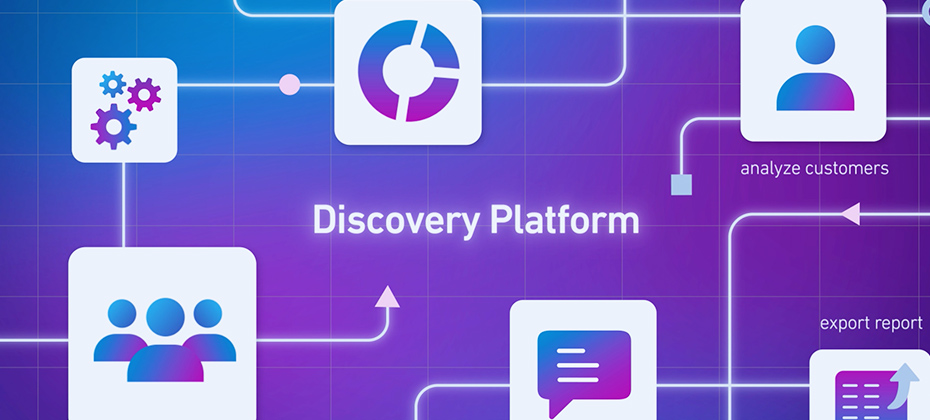
With Discovery Platform, you can find meaningful consumer insights and activate that data to reach growth audiences using content messaging that speaks to their motivations and interests. Take your marketing campaigns from audience discovery to media planning, execution and reporting.

Experian Marketing Services and Data Quality President Genevieve Juillard recently sat down with Zach Rodgers, host of the AdExchanger Talks podcast to discuss the future of identity, the importance of data transparency and privacy, and our recent acquisition of Tapad. Genevieve focused on the opportunity for our industry to reimagine an advertising ecosystem that is resilient and adaptable; one that takes advantage of emerging data and prioritizes data transparency and consumer privacy. She also discussed the importance of advertising strategies that put consumers at the heart of every decision and give them more control over their data. Genevieve shared with AdExchanger that Experian’s acquisition of Tapad, a global leader in digital identity resolution, was a natural fit for our company. Tapad’s approach and role in the ecosystem is very much aligned with Experian’s, which is to develop solutions that are resilient to industry and consumer changes. The combination of our capabilities supports interoperability across all types of identifiers, both online and offline, and will position us to help our clients navigate the post-third-party cookie world. To learn more about Experian’s plans to support an effective advertising ecosystem that will evolve with our dynamic industry, listen to the full podcast Embracing ‘Healthy Fragmentation’ In Ad Tech, With Genevieve Juillard.