
At Experian, we often say our people are our biggest superpower – and today, I’m thrilled to share that this belief has been recognised once again. Experian has been named one of the 2025 World’s Best Workplaces™ by Fortune and Great Place to Work® for the second year in a row.
This achievement reflects the culture we’ve built together – one that’s welcoming, inclusive, and rooted belonging. It’s a celebration of every colleague who brings their whole self to work, who lifts others up, and who powers opportunities for our clients, consumers, and communities.

We’ve made it our mission to create a workplace where everyone feels included, respected, and empowered. That’s why we’re proud to have earned top scores on the Corporate Equality Index and the Disability Equality Index, and to be recognised with the Outie Award for Workplace Excellence and Belonging.
These recognitions matter. But what matters most is how our people experience life at Experian. Whether it’s collaborating, innovating, or growing through world-class development of products, services and contributing to our communities, our culture is designed to help everyone thrive.
We’ve also made bold commitments to career development. Initiatives like Global Careers Week, the AI-driven performance coach Nadia, and the NextGen Forum – a global leadership development programme for emerging talent from across our regions – give our people the resources to take charge of their growth and build a “One Experian” mindset.
Being named one of the World’s Best Workplaces is a moment to celebrate but also a reminder to keep aiming higher. The world of work is evolving fast, and so are we. From embracing AI to enhancing our digital workplace experience, we’ll continue to push forward and listen to our people every step of the way.
Questions we will discuss:
- What does “retirement readiness” mean to you, and how can someone tell when they are financially ready to retire?
- Is there a magic number for retirement savings, and what factors should someone consider when setting a retirement goal?
- How can someone estimate their retirement expenses realistically?
- What are some common myths or misconceptions about how much money you need to retire?
- How should Gen Z, Millennials, and Gen Xers each approach retirement planning differently based on their stage of life?
- What are the biggest obstacles people face when trying to save for retirement, and how can they overcome them?
- How can you balance saving for retirement with paying off debt or supporting family today?
- What tools, calculators, or strategies can help people figure out if they’re on track for retirement?
- How can people prepare for unexpected costs or life changes that could impact their retirement plans?
- What’s one piece of advice you’d give someone just starting—or restarting—their retirement savings journey?
| Columns 1 | Column 2 | Column 3 | Column 4 |
|---|---|---|---|
| Row 1 Col 1 | |||
| Row 2 Col 1 | |||
| Row 3 Col 1 | |||
| Footer 1 | Footer 2 | Footer 3 | Footer 4 |

Credit Chat
Stretching your Dollars: Practical Tips to Cut Costs and Save More
February 5, 2025 3-4 PM ET
- What does “retirement readiness” mean to you, and how can someone tell when they are financially ready to retire?
- Is there a magic number for retirement savings, and what factors should someone consider when setting a retirement goal?
- How can someone estimate their retirement expenses realistically?
Greater transparency in buy now, pay later activity is key to helping consumers build their credit histories and supporting responsible lending. We have members of the military right now right out of high school and there’s not a lot of experience managing their own money. They’re quickly thrust into a place where they don’t have a support system to do that. We have members of the military right now right out of high school and there’s not a lot of experience managing their own money. They’re quickly thrust into a place where they don’t have a support system to do that. We have members of the military right now right out of high school and there’s not a lot of experience managing their own money. They’re quickly thrust into a place where they don’t have a support system to do that. We have members of the military right now right out of high school and there’s not a lot of experience managing their own money. They’re quickly thrust into a place where they don’t have a support system to do that. We have members of the military right now right out of high school and there’s not a lot of experience managing their own money. They’re quickly thrust into a place where they don’t have a support system to do that.
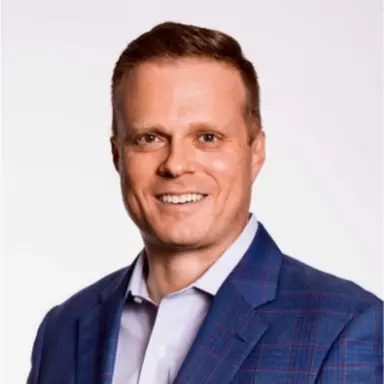
Experian North AmericaScott Brown, Group President, Financial Services
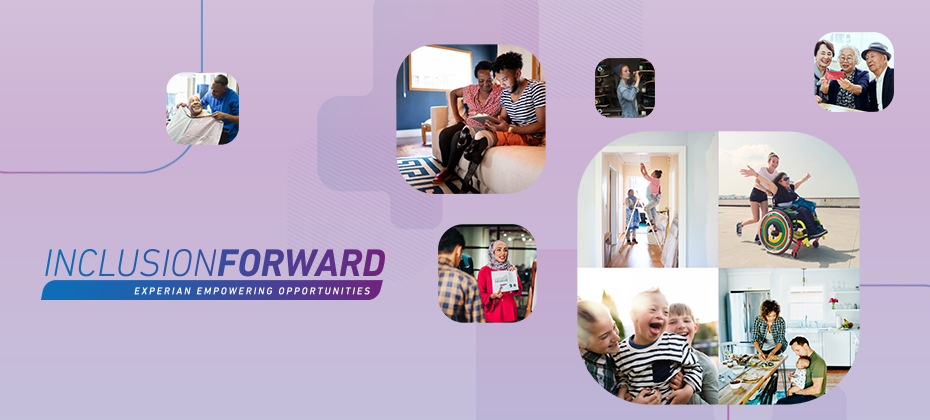
Experian Announces Inclusion Forward™ to Accelerate Financial Inclusion in Underserved Communities
Diversity & InclusionWhen it comes to access to credit, we know that it’s not equal. There are barriers some consumers face, and that negatively affects how they can spend, save and borrow money. We have a responsibility to find and facilitate solutions. Financial inclusion is a core commitment for us. That’s why we are excited to launch a first-of-its-kind program called Inclusion Forward – Experian Empowering Opportunities™. This initiative harnesses Experian’s data, analytics and technology that can help clients create and provide more affordable credit access. Additionally, Inclusion Forward™ will provide ongoing resources to help consumers better understand their credit health, particularly in diverse communities. Inclusion Forward™ will focus on three key areas: homeownership, small business entrepreneurship and financial education. It can help companies achieve their diversity, equity and inclusion goals, but most importantly, it will help consumers achieve their life goals. Closing the wealth gap is key in racial equity efforts. By unlocking the power of Experian data, clients can better understand the financial challenges consumers from diverse backgrounds may face. This can lead to creating solutions and education for all consumers. We look forward to sharing more about Inclusion Forward™ and how this program is making a difference in underserved communities. To learn more about Experian’s commitment to diversity and inclusion, click here.

Experian works hard at having a workplace culture where everyone feels a sense of belonging. We’re constantly evolving and improving, and proud to share several recent acknowledgements that we’re on the right track. We have a robust multi-generational employee base, and know that the diversity of perspectives and experience spark innovations that lead to financial inclusion for all. Millennials make up the largest portion of our workforce and we’re thrilled to be named a Fortune Best Workplace for Millennials. Millennials want to work for organizations that offer fair pay and meaning, inclusive benefits beyond parenthood, gender equity, flexibility and safe spaces, according to Great Place to Work (GPTW). Employee comments to a GPTW survey indicate our team believes we are doing well: “One question you ask is do we hire people who fit in… No, we don’t always – which is why we can innovate and create change – if everyone agrees on every approach, we wouldn’t be nearly as successful as we are. That’s one thing that makes it a great place to work – our diversity of thought and approach to problems.” Gender equity has been a focus of ours, from recruiting to talent development. Almost half of our new hires, current employees and promoted talent identify as women. Further demonstrating our commitment to diversity and inclusion, former Experian North American CEO Craig Boundy is ranked the #12 Best CEO for Women 2021 by Comparably. This ranking is based on 10 million ratings across 60,000 companies, Every CEO on the list is in the Top 5% of all CEOs rated by female employees. Experian also earned several other awards from Comparably: Best HR Teams of 2021 Best Company Outlook of 2021 Best Places to Work in Los Angeles 2021 Top 10 for Career Growth “I’ve worked for a ton of different technology companies and have never seen such a strong leadership team nor seen a company invest so much in their employee’s future!” (quote from GPTW survey) “Opportunity to grow and move around various lines of business through your career within Experian – allows you to continue to challenge yourself and grow without leaving the organization.” (quote from GPTW survey) Comparably’s Annual Best Places to Work Awards rely solely on the input of employees, which makes these honors especially meaningful. We appreciate their feedback and their contributions every day. Check out our 2020 Power of YOU report to learn more about our coworkers, leadership and how we serve our communities.

There are times in most of our lives where we can’t get access to the financial system in a way that we want. Be it for a mortgage, a car, or a business loan. We’ve all experienced the frustration when you feel you’re on the outside of the system and you can’t do the things you want for yourself or your family. At Experian, it’s our job to change that. We want to make sure everybody is included and has access to fair and affordable financial products. Financial inclusion is fundamental to our business. With our focus on increasing access to financial services, improving financial literacy and confidence, and helping people manage their financial lives; we help power people and businesses to create their future. In fact, the United Nations includes access to financial services, such as credit and microfinance, among its Sustainable Development Goals. Access to affordable credit opens the door to opportunities for people to transform their lives – from homes and healthcare to education and entrepreneurship. This has never been more important than it is today. Creating a Campaign to Drive Financial Health Worldwide As the pandemic took hold in 2020, we stepped in with data and analytics to support governments, health services and national emergency response efforts through major initiatives such as COVID Radar in Brazil and Experian CORE (COVID Outlook & Response Evaluator). These are just two examples of how we can use our data and expertise to make the biggest difference to society. It soon became clear that the impact — not just on physical health, but on financial health — would be far-reaching for people around the world. We looked at how we could use our expertise and resources to help vulnerable communities through the crisis and focused on financial education as the best way to strengthen their resilience and support their road to recovery. We launched our United for Financial Health programme. We rapidly established 11 NGO partnerships across our biggest consumer markets to deliver targeted financial education for some of the communities hit hardest by COVID-19. By the end of the year, we had reached nearly 35 million people, more than double our original goal of 15 million, and we’re not stopping there. We aim to reach 100 million people by 2024. Part of our efforts include our member relationships around the world. This year, we surpassed the milestone of 100 million direct relationships with consumers globally and delivered further innovations to support people through our business, with the launch of products like Experian Boost in the UK and Serasa Score Turbo in Brazil. This, of course, is on top of our ground-breaking Experian Boost launch in the United States in 2019. Our goal is to have a direct relationship with as many people as possible; to truly become the Consumers’ Credit Bureau and power financial opportunities for all. Driving Innovation with Social Purpose Our culture of innovation helps us harness opportunities to drive business growth. We are continually investing in product innovation and new sources of data to address emerging market opportunities that can make a real difference to global communities. In 2020, around 1,000 “innovators” from across Experian joined our annual Future of Information Conference, which was held virtually because of the pandemic, to encourage them to think differently in their work. Topics included fairness in artificial intelligence, transforming agribusiness and enhancing the consumer healthcare experience. Teams at our DataLabs in Brazil, Singapore, the UK and the USA tap into our culture of innovation to continually create new solutions to global challenges. The result of all this is that our Social Innovation products have now reached 61 million people since 2013. We aim to reach 100 million by 2025. As John Hope Bryant, CEO of one of our NGO partners Operation HOPE, says, “Experian’s commitment to unlocking the power of data to create opportunity means more people will be set up not just to survive, but to thrive in the months and years to come.” In this year’s Sustainable Business Report our commitments come through stronger than ever. We are raising our ambition and aiming to reach 100 million people through our social innovation products by 2025. Our goal is to reach 100 million people through our United for Financial Health campaign by 2024. We have also pledged to protect our planet by becoming carbon neutral in our own operations by 2030. We know we’ve got more work to do and we remain focused on using our business to make real and sustainable change. With social innovation running so deeply through the core of our culture, and our commitment to improving global financial health front and centre of our thinking, we will continue to push to find new solutions to help people, serve communities and protect the environment, helping to create a better future for all. All of this is very personal to me. I passionately believe we can and should drive to make a difference in society. I serve as executive sponsor of our ESG programs and this isn’t just another corporate program, it’s at the heart of what we do as a company to power financial opportunities. My personal pledge is to continue to keep you updated, as we progress our agenda to sustainable environmental and societal change. Read the full SBR report here.

2024 Best Place to Work for Disability Inclusion

Web Developer
With a passion for crafting seamless digital experiences and a keen eye for front-end development, Krishna brings practical insights and hands-on expertise to every post. Whether exploring new frameworks or optimizing performance, his writing reflects a commitment to clean code and user-centric design.
With a passion for crafting seamless digital experiences and a keen eye for front-end development, Krishna brings practical insights and hands-on expertise to every post. Whether exploring new frameworks or optimizing performance, his writing reflects a commitment to clean code and user-centric design.
With a passion for crafting seamless digital experiences and a keen eye for front-end development, Krishna brings practical insights and hands-on expertise to every post. Whether exploring new frameworks or optimizing performance, his writing reflects a commitment to clean code and user-centric design.