Industries

To get a better picture of labor market health in the coming months, there are three components reported in BLS's employment release that require attention.

Download our case study to learn how home equity lender, Spring EQ, leveraged Experian Boost to help applicants qualify for better loan rates and terms.

Shannon Lois, Experian’s Head of DA Analytics and Consulting and Bryan Collins, Senior Product Manager, tackled questions for lenders amidst COVID-19.

Historically, economic hardships have directly impacted loan performance. Are you prepared to navigate and successfully respond to the current environment?

Learn the benefits of leveraging alternative credit data to better assess risk at the onset of the loan decisioning process. Read more.

At Experian, we are here to help consumers understand how the credit reporting system and personal finance overall will move forward during the pandemic.

According to Experian’s Q3 2019 State of the Automotive Finance Market report, used vehicle financing increased across all credit tiers.

According to research, only 15% of American consumers have swapped out their go-to credit card in the past year. Here's how to keep your card top of mind.
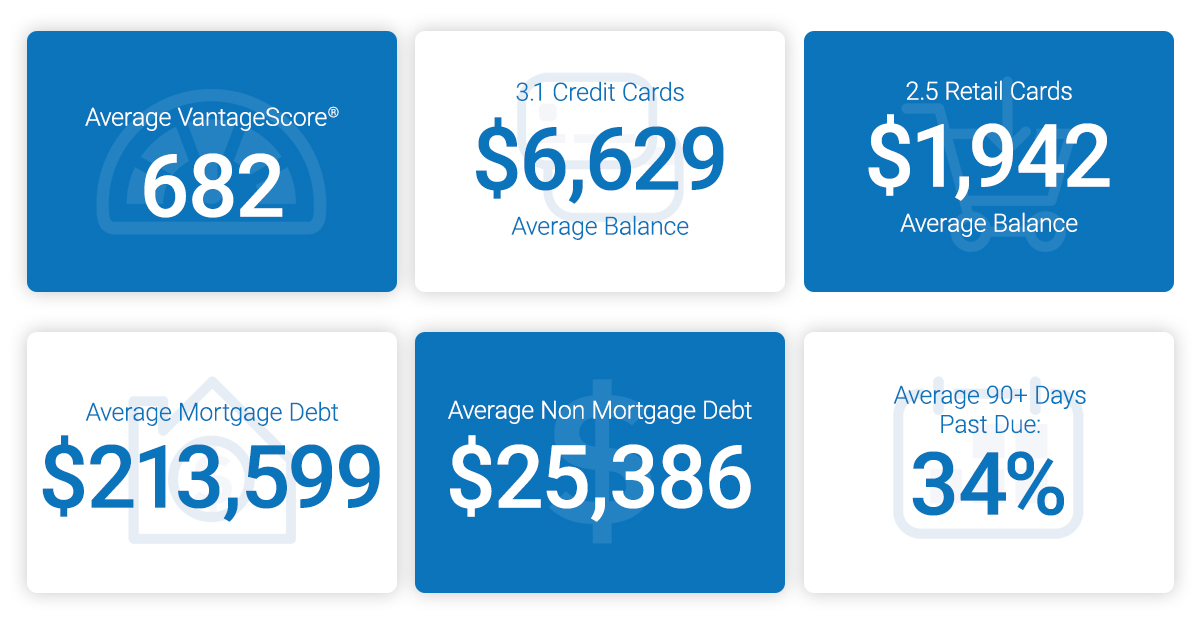
As look forward to the next decade, things are looking up. The 10th annual State of Credit Report highlights consumer credit scores and borrowing behavior.

Since the end of the recession, customer loyalty has been a focus for lenders, given that there are more options for AFS borrowers. Read more!

As we prepare for the excitement and challenges of a new decade, the same can be true for how we approach the use of alternative data. Read more!

What do Adam Sandler, Hugh Grant, Michael Bublé, Leo Tolstoy and Colonel Sanders have in common? They're all born on the most common birth date in the U.S.

Today is National Fintech Day, a day that recognizes the important role that fintech companies play in revolutionizing the financial services landscape.

Collections strategies demand diverse approaches, which is where collections analytics and collections models come into play. Read more!

What is CECL? CECL (Current Expected Credit Loss) is a new credit loss model, to be leveraged by financial institutions, that estimates the expected loss over the life of a loan by using historical information, current conditions and reasonable forecasts. According to AccountingToday, CECL is considered one of the most significant accounting changes in decades to affect entities that borrow and lend money. To comply with CECL by the assigned deadline, financial institutions will need to access much more data than they’re currently using to calculate their reserves under the incurred loss model, Allowance for Loan and Lease Losses (ALLL). How does it impact your business? CECL introduces uncertainty into accounting and growth calculations, as it represents a significant change in the way credit losses are currently estimated. The new standard allows financial institutions to calculate allowances in a variety of ways, including discounted cash flow, loss rates, roll-rates and probability of default analyses. “Large banks with historically good loss performance are projecting increased reserve requirements in the billions of dollars,” says Experian Advisory Services Senior Business Consultant, Gavin Harding. Here are a few changes that you should expect: Larger allowances will be required for most products As allowances will increase, pricing of the products will change to reflect higher capital cost Losses modeling will change, impacting both data collection and modeling methodology There will be a lower return on equity, especially in products with a longer life expectancy How can you prepare? “CECL compliance is a journey, rather than a destination,” says Gavin. “The key is to develop a thoughtful, data-driven approach that is tested and refined over time.” Financial institutions who start preparing for CECL now will ultimately set their organizations up for success. Here are a few ways to begin to assess your readiness: Create a roadmap and initiative prioritization plan Calculate the impact of CECL on your bottom line Run altered scenarios based on new lending policy and credit decision rules Understand the impact CECL will have on your profitability Evaluate current portfolios based on CECL methodology Run different loss methods and compare results Additionally, there is required data to capture, including quarterly or monthly loan-level account performance metrics, multiple year data based on loan product type and historical data for the life of the loan. How much time do you have? Like most accounting standards, CECL has different effective dates based on the type of reporting entity. Public business entities that file financial statements with the Security and Exchange Commission will have to comply by 2020, non-public entity banks must comply by 2022 and non-SEC registered companies have until 2023 to adopt the new standard. How can we help: Complying with CECL may require you to gather, store and calculate more data than before. Experian can help you comply with CECL guidelines including data needs, consulting and loan loss calculation. Experian industry experts will help update your current strategies and establish an appropriate timeline to meet compliance dates. Leveraging our best-in-class industry data, we will help you gain CECL compliance quickly and effectively, understand the impacts to your business and use these findings to improve overall profitability. Learn more