Customer Targeting & Segmentation

What if you could increase your market engagement rate from 5% to 10%? Getting strategic about your segmentation makes all the difference.

Since the end of the recession, customer loyalty has been a focus for lenders, given that there are more options for AFS borrowers. Read more!

The rapid rate at which fintech challengers are becoming established, is in turn, allowing for greater consumer awareness and adoption of fintech platforms.

As we prepare for the excitement and challenges of a new decade, the same can be true for how we approach the use of alternative data. Read more!
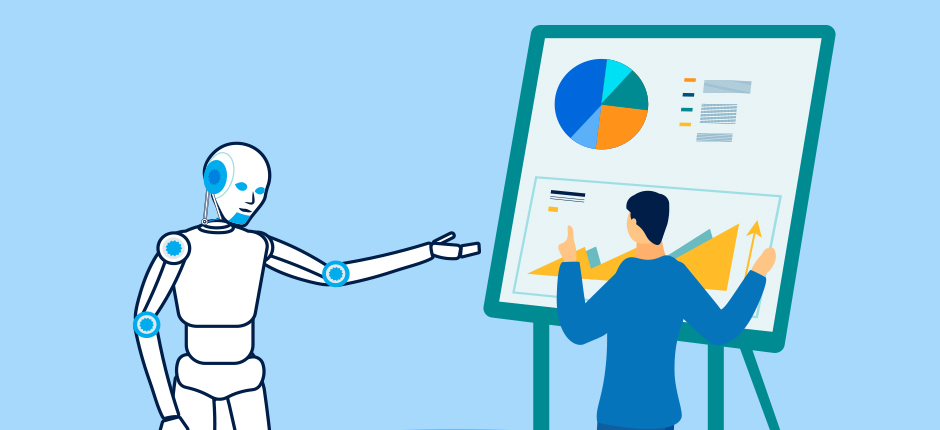
Artificial intelligence (AI) has long been a topic that’s confounding and downright worrisome to financial institutions. Read more!

To provide consumers with protections against debt collectors, the CFPB issued a NPRM to implement the FDCPA earlier this year.

The pressure to innovate amid technological progress poses an opportunity for us all to rethink the work we do and the way we do it. Are you ready?
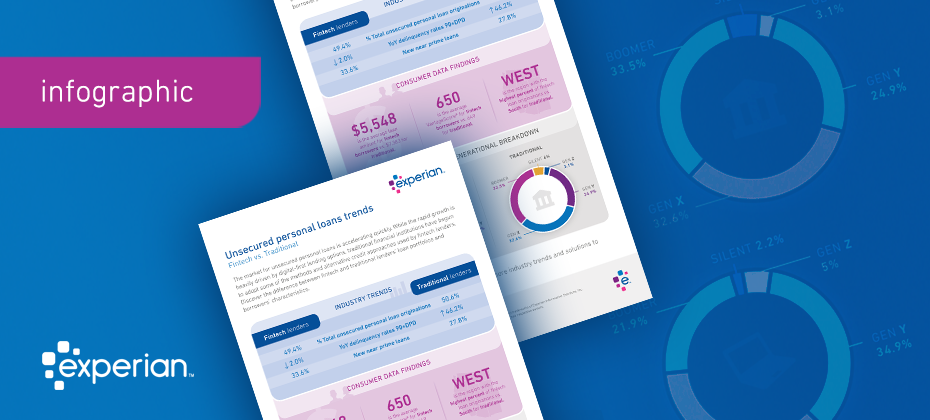
How are fintechs faring against traditional FIs? Our latest infographic uncovers industry trends and key metrics in unsecured personal installment loans.

What do Adam Sandler, Hugh Grant, Michael Bublé, Leo Tolstoy and Colonel Sanders have in common? They're all born on the most common birth date in the U.S.

Pickups are the most common vehicle in operation at 20% share today and hold 16.5% of new vehicle registrations in the market in Q1 2019.

The CFPB recently issued a NPRM to implement the FDCPA. If you aren’t ready for the new CFPB regulation, what are you waiting for? Read more!

Collections strategies demand diverse approaches, which is where collections analytics and collections models come into play. Read more!

There are thousands of potential car buyers heading into dealerships and browsing websites for their next vehicle every day. And that means thousands of opportunities for automotive manufacturers to market their vehicles to prospective buyers. But not every vehicle is going to meet the needs and wants of every car buyer. So, how do automotive brand marketers reach the individuals most likely to be interested in their products? Simply put, it comes down to better understanding the brand’s audience. But, today’s digitally-driven world creates a significant challenge for brand marketers – the overreliance on mobile devices and digital channels creates hundreds of digital touchpoints for brand marketers to consider. But, the data also creates an opportunity. If automotive marketers can bridge the gap between online and offline touchpoints, they’ll be better positioned to develop messages that resonate with their desired audience and deliver communications through the most effective channels. The end result? More meaningful interaction with potential car buyers. To get there, automotive marketers need to consider these concepts: Navigate the identity resolution process The secret to a more relevant conversation begins and ends with knowing who you are addressing. People interact with brands through a variety of channels. For example, a person may see an advertisement for a new vehicle on their smartphone, later research the same vehicle at home on their desktop or on a mobile app and test drive the vehicle a few days later. The automotive marketer that can reconcile these three different interactions will be able to deliver relevant advertisements to the individual and cut down on wasted advertising spend. Knowledge-based identity resolution is what allows you to be smarter with your marketing. Present the right offer People are bombarded with hundreds, if not thousands, of advertisements daily. Automotive marketers need to cut through the noise and deliver messages that resonate with the target audience – whether it’s through e-newsletters, 30-second TV spots, banner ads or direct mail pieces. If automotive manufacturers miss the mark, it could lead to a frustrated consumer and poor brand reputation. For instance, an automotive marketer would not want to advertise the latest minivan to a couple who are empty nesters. Create customer loyalty It’s important to stay on top of current market statistics and data to fine-tune marketing campaigns. Vehicle ownership and purchase patterns can vary greatly in each market, and that means brands might need to fine-tune long-term loyalty strategies. A loyalty program that works in the Northeast might not work well for the Midwest market based on car buying patterns and the reasons behind owning a car. Data can help prioritize resources in areas with the highest potential for sales growth. Experian Marketing EngineTM helps automotive manufacturers engage customers across every channel while making the most of a marketing budget. It’s designed to seamlessly collect, consolidate and use customer data by connecting offline and online identifiers to create a single customer view. Experian’s North American Vehicle Database alone has over 11 billion records and over 900 million vehicles, of which over 68 million are Canadian vehicles. Marketing Engine leverages automotive specific insights, including vehicle purchase behaviors and ownership data, and combines that with other marketing data such as demographics and lifestyle interests. These automotive tools provide a more unified approach so that brands can make more informed decisions, gain and retain new customers, and drive sales. Learn more at https://www.experian.com/automotive/marketing.

Have you seen the latest TCPA class action lawsuit? Now more than ever, it’s crucial to build effective and cost-efficient contact strategies. But how?

Alex Lintner, Group President at Experian, recently had the chance to sit down with Peter Renton, creator of the Lend Academy Podcast, to discuss alternative credit data,1 UltraFICO, Experian Boost and expanding the credit universe. Lintner spoke about why Experian is determined to be the leader in bringing alternative credit data to the forefront of the lending marketplace to drive greater access to credit for consumers. “To move the tens of millions of “invisible” or “thin file” consumers into the financial mainstream will take innovation, and alternative data is one of the ways which we can do that,” said Lintner. Many U.S. consumers do not have a credit history or enough record of borrowing to establish a credit score, making it difficult for them to obtain credit from mainstream financial institutions. To ease access to credit for these consumers, financial institutions have sought ways to both extend and improve the methods by which they evaluate borrowers’ risk. By leveraging machine learning and alternative data products, like Experian BoostTM, lenders can get a more complete view into a consumer’s creditworthiness, allowing them to make better decisions and consumers to more easily access financial opportunities. Highlights include: The impact of Experian Boost on consumers’ credit scores Experian’s take on the state of the American consumer today Leveraging machine learning in the development of credit scores Expanding the marketable universe Listen now Learn more about alternative credit data 1When we refer to "Alternative Credit Data," this refers to the use of alternative data and its appropriate use in consumer credit lending decisions, as regulated by the Fair Credit Reporting Act. Hence, the term "Expanded FCRA Data" may also apply in this instance and both can be used interchangeably.