
The rise of streaming TV advertising is revolutionizing the marketing landscape, bringing together the best of traditional television’s broad audience reach and digital’s precise targeting capabilities. Marketers now have a new platform to explore, but it comes with its own set of challenges and opportunities.
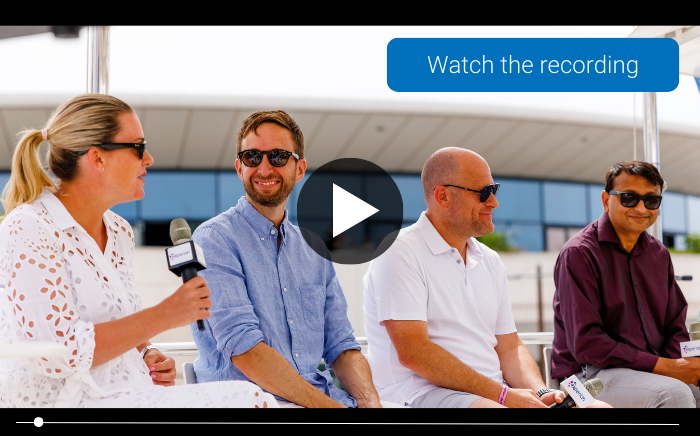
To shed light on this topic, we hosted a panel discussion at Cannes, featuring industry leaders from AMC Networks, Disney, OMG, Paramount, Roku, and Experian.
In this blog post, we’ll explore the effectiveness of TV as a performance channel and audience targeting.
TV as a performance channel
Television has come a long way over the years. The evolution of linear TV to connected TV (CTV) is opening new possibilities for targeting and performance measurement, like what we’re accustomed to in search and display.
However, there’s still a way to go. What’s preventing us from fully realizing the potential of CTV? Let’s explore what’s holding us back.
Three challenges
Advertisers are captivated by CTV, a media platform that combines the best features of TV and digital advertising. With its unparalleled data and identity capabilities, alongside the immersive TV experience, it has the potential to be a powerful performance channel. However, we still face three challenges as performance dollars take center stage.
“CTV is a valuable household device that provides direct audience insights. However, to gain a comprehensive understanding of the household and the individuals in the household, we need different techniques. The implementation of such methodologies from user level profiles to algorithmic inferences are still evolving across different companies.”
Louqman parampath, vp, product, roku
Client education
Performance marketers and agencies are still primarily focused on social and search. It’s important to reassure them that CTV aligns with their established standards.
Optimize KPIs
We need to address the challenges around attribution and incrementality. We should optimize for the KPIs that performance marketers desire, which are different from the metrics commonly used in social media and search marketing.
Results-driven interactions
You should invest in interactive ad formats and novel experiences to give users clickable options that deliver the instant impact of performance marketing. While conversions and purchases can happen after seeing an ad thanks to view-through attribution, your goal should be to make video ad experiences feel like performance-based engagements.
This transition is crucial to building trust and familiarity among performance marketers and agencies.
Strategies to effectively reach audiences across different mediums
There are various mediums to connect with consumers — TV, digital, and mobile offer multiple avenues. Which strategies should you prioritize?
Data interoperability
When it comes to buying unified audiences, programmatically is the easiest route. By prioritizing data interoperability, you can ensure a seamless buying experience across all screens.
“At Disney, we focus on data interoperability with industry solutions such as The Trade Desk/UID2, Google PAIR, and Experian and the LUID, making it effortless to buy unified audiences programmatically across all screens. With an identity graph as the foundation of our tech stack, we help our clients reach their target audience across linear, digital, and streaming properties.”
jamie power, SVP, addressable sales, disney
Advanced targeting capabilities in linear TV
Don’t limit your perspective on television consumption to traditional streaming platforms alone. While streaming is popular, it’s equally exciting to see advanced targeting capabilities integrated into linear television. Viewer habits are shifting, with appointment TV becoming a thing of the past. Today, viewers have more options to watch a variety of programming, regardless of its age.
“Streaming has become another platform for viewers to consume programming, and it’s exciting to see digital targeting capabilities being applied to linear TV. Viewer behavior has changed, with more opportunities to consume programs at different times, so it’s important to use targeting capabilities like linear addressable to effectively reach the audience across multiple channels.”
evan adlman, Evp, commercial sales & revenue operations, amc networks
While live premieres still attract a substantial audience, utilize linear addressable targeting to reach viewers across channels. By doing so, you can ensure your message reaches the right viewers at the right time. The viewership landscape has diversified – it’s time to adjust our strategies.
Make TV viewing patterns predictable
To bring predictability to the unpredictable and fragmented landscape of TV, advertisers can create products that simplify and unify the viewing experience. This allows users to effortlessly transition between episodes, resulting in a cohesive and engaging viewing journey.
Watch our Cannes panel for more on the future of streaming TV advertising

We hosted a panel in Cannes that covered the future of streaming TV advertising. Check out the full recording below to hear what leaders from AMC Networks, Disney, OMG, Paramount, Roku, and Experian had to say.
Check out more Cannes content:
- Our key takeaways from Cannes Lions 2023
- Insights from a first-time attendee
- Four new marketing strategies for 2023
- The future of identity in cookieless advertising
- Maximize ad targeting with supply-side advertising
Follow us on LinkedIn or sign up for our email newsletter for more informative content on the latest industry insights and data-driven marketing.
Latest posts

Question #1 Lorem ipsum dolor sit amet, consectetur adipiscing elit. Nullam interdum odio in viverra mattis. Praesent at lectus vitae massa convallis vehicula. Vivamus et ex sed ex aliquet ultrices sed nec ante. Vestibulum a tincidunt massa. Vivamus tincidunt condimentum magna in tempor. Suspendisse dictum, elit at commodo dignissim, sem nisl luctus erat, nec consectetur leo mi sit amet nibh. Vestibulum at nisi ac libero aliquet volutpat congue ut mi. Morbi in congue eros, a faucibus nibh. Vivamus consequat a purus eu tempor. Morbi eu diam dui. Aliquam erat volutpat. Sed odio felis, sollicitudin consequat pellentesque ac, congue sed nisl. Maecenas sagittis mauris at ante ultricies elementum. Pellentesque vestibulum dolor ut tincidunt cursus. Question #2 Lorem ipsum dolor sit amet, consectetur adipiscing elit. Nullam interdum odio in viverra mattis. Praesent at lectus vitae massa convallis vehicula. Vivamus et ex sed ex aliquet ultrices sed nec ante. Vestibulum a tincidunt massa. Vivamus tincidunt condimentum magna in tempor. Suspendisse dictum, elit at commodo dignissim, sem nisl luctus erat, nec consectetur leo mi sit amet nibh. Vestibulum at nisi ac libero aliquet volutpat congue ut mi. Morbi in congue eros, a faucibus nibh. Vivamus consequat a purus eu tempor. Morbi eu diam dui. Aliquam erat volutpat. Sed odio felis, sollicitudin consequat pellentesque ac, congue sed nisl. Maecenas sagittis mauris at ante ultricies elementum. Pellentesque vestibulum dolor ut tincidunt cursus. Question #3 Lorem ipsum dolor sit amet, consectetur adipiscing elit. Nullam interdum odio in viverra mattis. Praesent at lectus vitae massa convallis vehicula. Vivamus et ex sed ex aliquet ultrices sed nec ante. Vestibulum a tincidunt massa. Vivamus tincidunt condimentum magna in tempor. Suspendisse dictum, elit at commodo dignissim, sem nisl luctus erat, nec consectetur leo mi sit amet nibh. Vestibulum at nisi ac libero aliquet volutpat congue ut mi. Morbi in congue eros, a faucibus nibh. Vivamus consequat a purus eu tempor. Morbi eu diam dui. Aliquam erat volutpat. Sed odio felis, sollicitudin consequat pellentesque ac, congue sed nisl. Maecenas sagittis mauris at ante ultricies elementum. Pellentesque vestibulum dolor ut tincidunt cursus.
H2 Heading Lorem ipsum dolor sit amet, consectetur adipiscing elit. Aenean quis ipsum et orci dictum accumsan eget nec purus. Sed varius finibus augue, sed egestas risus posuere et. Donec elit sem, finibus ut tellus a, maximus hendrerit diam. Suspendisse commodo metus nec nisi consectetur, interdum fringilla sem ultricies. Integer semper molestie viverra. Cras a pharetra nisi, ac vulputate lorem. Vestibulum vitae efficitur odio, vel pharetra sem. Duis vel arcu mauris. Donec nec elementum magna. Orci varius natoque penatibus et magnis dis parturient montes, nascetur ridiculus mus. Nulla vel consectetur risus. Donec quis feugiat ante. Morbi quis lacus ac augue bibendum hendrerit vitae vel purus. Orci varius natoque penatibus et magnis dis parturient montes, nascetur ridiculus mus. Orci varius natoque penatibus et magnis dis parturient montes, nascetur ridiculus mus. Orci varius natoque penatibus et magnis dis parturient montes, nascetur ridiculus mus. Lorem ipsum dolor sit amet, consectetur adipiscing elit. Aenean quis ipsum et orci dictum accumsan eget nec purus. Sed varius finibus augue, sed egestas risus posuere et. Donec elit sem, finibus ut tellus a, maximus hendrerit diam. Suspendisse commodo metus nec nisi consectetur, interdum fringilla sem ultricies. Integer semper molestie viverra. Cras a pharetra nisi, ac vulputate lorem. Vestibulum vitae efficitur odio, vel pharetra sem. Duis vel arcu mauris. Donec nec elementum magna. Orci varius natoque penatibus et magnis dis parturient montes, nascetur ridiculus mus. Nulla vel consectetur risus. Donec quis feugiat ante. Morbi quis lacus ac augue bibendum hendrerit vitae vel purus. Icon Heading #1 Lorem ipsum dolor sit amet, consectetur adipiscing elit. Aenean quis ipsum et orci dictum accumsan eget nec purus. Sed varius finibus augue, sed egestas risus posuere et. Donec elit sem, finibus ut tellus a, maximus hendrerit diam. Suspendisse commodo metus nec nisi consectetur, interdum fringilla sem ultricies. Icon Heading #2 Lorem ipsum dolor sit amet, consectetur adipiscing elit. Aenean quis ipsum et orci dictum accumsan eget nec purus. Sed varius finibus augue, sed egestas risus posuere et. Donec elit sem, finibus ut tellus a, maximus hendrerit diam. Suspendisse commodo metus nec nisi consectetur, interdum fringilla sem ultricies. Icon Heading #3 Lorem ipsum dolor sit amet, consectetur adipiscing elit. Aenean quis ipsum et orci dictum accumsan eget nec purus. Sed varius finibus augue, sed egestas risus posuere et. Donec elit sem, finibus ut tellus a, maximus hendrerit diam. Suspendisse commodo metus nec nisi consectetur, interdum fringilla sem ultricies. Lorem ipsum dolor sit amet, consectetur adipiscing elit. Aenean quis ipsum et orci dictum accumsan eget nec purus. Sed varius finibus augue, sed egestas risus posuere et. Donec elit sem, finibus ut tellus a, maximus hendrerit diam. Suspendisse commodo metus nec nisi consectetur, interdum fringilla sem ultricies. Integer semper molestie viverra. Cras a pharetra nisi, ac vulputate lorem. Vestibulum vitae efficitur odio, vel pharetra sem. Duis vel arcu mauris. Donec nec elementum magna. Orci varius natoque penatibus et magnis dis parturient montes, nascetur ridiculus mus. Nulla vel consectetur risus. Donec quis feugiat ante. Morbi quis lacus ac augue bibendum hendrerit vitae vel purus.
This is my test Test 2 "Lorem ipsum dolor sit amet, consectetur adipiscing elit, sed do eiusmod tempor incididunt ut labore et dolore magna aliqua. Ut enim ad minim veniam, quis nostrud exercitation ullamco laboris nisi ut aliquip ex ea commodo consequat. Duis aute irure dolor in reprehenderit in voluptate velit esse cillum dolore eu fugiat nulla pariatur. Excepteur sint occaecat cupidatat non proident, sunt in culpa qui officia deserunt mollit anim id est laborum.""Lorem ipsum dolor sit amet, consectetur adipiscing elit, sed do eiusmod tempor incididunt ut labore et dolore magna aliqua. Ut enim ad minim veniam, quis nostrud exercitation ullamco laboris nisi ut aliquip ex ea commodo consequat. Duis aute irure dolor in reprehenderit in voluptate velit esse cillum dolore eu fugiat nulla pariatur. Excepteur sint occaecat cupidatat non proident, sunt in culpa qui officia deserunt mollit anim id est laborum.""Lorem ipsum dolor sit amet, consectetur adipiscing elit, sed do eiusmod tempor incididunt ut labore et dolore magna aliqua. Ut enim ad minim veniam, quis nostrud exercitation ullamco laboris nisi ut aliquip ex ea commodo consequat. Duis aute irure dolor in reprehenderit in voluptate velit esse cillum dolore eu fugiat nulla pariatur. Excepteur sint occaecat cupidatat non proident, sunt in culpa qui officia deserunt mollit anim id est laborum." This is my 2nd test