In this article…
As TV measurement continues to evolve and blend with digital, marketers need to stay on top of the newest trends to understand and capitalize on viewer behavior across all screen types. Several key developments for TV measurement in 2024 are helping shape the industry, including Nielsen’s global expansion and the increasing interest in alternative measurement providers.
Read on to learn more about how these changes can impact the future of TV measurement.
TV measurement background
In the ever-shifting terrain of television measurement, one name has long stood as the bedrock: Nielsen.
Nielsen
Nielsen is a leading provider of TV audience measurement and analytics. It is known for its TV rating system, which tracks viewership across various demographics and time slots. Nielsen’s data is used by media companies, advertisers, and broadcasters to understand audience preferences, develop, and plan advertising campaigns, and monitor program performance.
Nielsen’s recent global expansion
Nielsen has continued to expand its global coverage and now fully represents 100% of TV households in the continental U.S., delivering comprehensive and accurate audience measurement. Through this expansion, Nielsen has remained a go-to resource for domestic and international television analytics.
In 2021, Nielsen faced a significant setback when it was stripped of its MRC (Media Rating Council) accreditation, sending shockwaves through the industry. While the accreditation was eventually reinstated in 2023, the incident underscored the need for diversification and alternatives within TV measurement.
TV measurement competitor outlook
For decades, advertisers and agencies have relied on Nielsen’s metrics as the gold standard, a trusted source of data guiding ad spending and campaign strategies. However, recent developments have shaken this foundation, prompting a reevaluation of the TV measurement landscape.
One notable trend emerging in tv measurement in 2024 is the increasing interest in alternative measurement providers. As advertisers seek greater transparency, accuracy, and flexibility in measurement, many are exploring options beyond Nielsen. These providers offer distinct advantages and drawbacks, presenting advertisers and agencies with a wealth of options and considerations.
Here are the main competitors in the field.
Panel-based TV measurement providers
Panel-based TV measurement has long been a staple in the industry, relying on representative samples of viewers to extrapolate audience behavior. In 2024, several providers offer panel-based solutions, each with different strengths.
Comscore
Comscore is a key player in panel-based TV measurement, offering comprehensive audience measurement solutions for both linear and digital television. With its massive panel of opted-in households, Comscore provides advertisers with detailed demographic and behavioral insights, enabling targeted advertising strategies. Comscore recently earned MRC accreditation for total household and average audience measurement in national and local TV reports.
Kantar Media
Kantar Media offers a range of panel-based TV measurement services, including audience measurement, ad effectiveness measurement, and competitive intelligence. With its global footprint and deep expertise in media analytics, Kantar Media helps advertisers understand audience trends and optimize their media investments.
Kantar Media is currently working to create a cross-media measurement panel similar in size to what Nielsen offers. While Kantar Media does not presently operate in the U.S. TV measurement market, it would be a formidable competitor should it move into the arena.
ACR-based TV measurement providers
Automatic content recognition (ACR) technology has revolutionized TV measurement, allowing for real-time monitoring of content consumption across devices. In 2024, several providers use ACR technology to deliver innovative measurement solutions.
iSpot.TV
iSpot.TV has emerged as a leading provider of ACR-based TV measurement, using its advanced technology stack to capture and analyze TV ad exposures in real-time. Through its acquisition of 605, iSpot.TV strengthens its position in the market, offering advertisers enhanced audience targeting and attribution capabilities.
iSpot.tv’s ad catalog and ad occurrence data are fully accredited by the MRC, which is one of its strongest assets.
Samba TV
Samba TV offers a comprehensive ACR-based TV measurement platform, providing advertisers with insights into audience behavior across linear, streaming, and connected TV environments. With its robust data infrastructure and machine learning algorithms, Samba TV enables advertisers to optimize their TV advertising campaigns for maximum impact.
Samba has recently partnered with HyphaMetrics to create an alternative panel to compete with others in the market.
TVision
TVision is a smaller competitor in this group that blends ACR-based TV measurement solutions with a panel-based approach, offering advertisers and networks real-time visibility into viewer engagement and attention metrics. By tracking viewer attention and emotional response, TVision helps advertisers understand the effectiveness of their TV ad campaigns and make data-driven decisions.
Advantages of alternative measurement providers
As the TV measurement landscape continues to evolve in 2024, alternative measurement providers present compelling advantages over traditional approaches. Let’s explore three key benefits of embracing alternative measurement providers.
Diverse data sources
Alternative providers use a wide array of data sources, including set-top boxes, smart TVs, streaming platforms, and digital devices, offering a more comprehensive view of audience behavior.
Granular insights
Many alternative providers offer granular insights into viewer demographics, preferences, and engagement metrics, allowing for more targeted and effective advertising strategies.
Real-time analytics
Some providers offer real-time analytics capabilities, enabling advertisers to optimize campaigns on the fly and capitalize on emerging trends and opportunities.
Challenges with alternative measurement providers
Alternative providers face several key challenges that need to be addressed before they are widely adopted. Let’s dive into each challenge in more detail.
Fragmentation
With multiple providers using different methodologies and metrics, achieving standardization and comparability across campaigns can be a daunting task.
With the proliferation of over-the-top (OTT) services, the TV measurement landscape has become increasingly complex, with new platforms emerging regularly. While ACR technology has enhanced data collection directly from televisions, the market remains highly fragmented, with many manufacturers (like Vizio, LG, and Samsung) building their own ACR solutions.
Data privacy concerns
As TV measurement becomes increasingly data-driven, concerns around consumer privacy and data ethics loom large, necessitating robust privacy protocols and compliance measures. We’ve already seen lawsuits around the ACR approach to TV measurement.
Education and adoption
Shifting away from the familiar territory of Nielsen requires education and buy-in from stakeholders, including advertisers, agencies, and media buyers, which can be a gradual and iterative process.
Importance of an identity graph in TV measurement
As the TV measurement landscape trends toward a blend of options instead of singular approaches, the ability to identify and target audiences across platforms is crucial. An identity graph serves as a foundational tool that can enable brands and advertisers to resolve disparate data sources into a unified view of the consumer.
Embedded within our suite of products, our Graph offers a distinct advantage for accurate attribution and reporting. As the industry shifts toward cross-channel campaigns, our in-house nationally representative device graph becomes increasingly invaluable.
Unlike many providers, we seamlessly merge offline and digital data, enabling superior ID resolution and matching capabilities. This allows us to consolidate media logs from diverse sources, providing our clients with comprehensive reports for precise cross-channel comparisons.
As advertisers navigate the complexities of the TV measurement landscape in 2024, using the capabilities of identity graphs like Experian’s will be essential for driving effective cross-channel advertising strategies and maximizing ROI.
How Experian supports TV measurement
Experian has been in the TV measurement space for decades and offers flexible attribution reports that can attribute media spend on TV to real actions or outcomes, such as website visits, physical location visits, and online and offline sales. We also have unique data through our automotive and financial databases that can be used for attribution.
Through our Consumer Sync solutions, you can elevate your attribution quality to understand the true path to conversion by linking all digital touchpoints to a single person.
Navigating the next frontier of TV measurement
TV measurement in 2024 presents both challenges and opportunities for understanding audience behaviors and preferences. We anticipate a continued migration toward alternative providers as advertisers seek greater flexibility and accuracy in measurement. We expect a fragmented future for TV measurement, where data sources extend beyond traditional giants like Nielsen to include numerous smaller players. Despite the entrenched role of linear TV measurement, advertisers must adapt to a blend of data from diverse sources to navigate the evolving landscape.
At Experian, we have the solutions to help you tackle 2024 marketing trends and make the most of your consumer marketing data. Our Graph enables seamless tracking across devices and channels, allowing us to implement first-touch, last-touch, and multi-touch attribution models with unparalleled accuracy. By harnessing the capabilities of our Graph, our attribution solutions can assign value to every crucial touchpoint in the customer journey, giving you a more holistic and comprehensive view of your campaign performance.
Connect with an Experian expert to learn more about how we can help you succeed in your marketing efforts.
Latest posts
Addressable TV has been through a transformation in the past year. Streaming content has become the most coveted space for creators and advertisers with the rise of new apps and platforms; but the influx of stay-at-home orders around the country have shifted television viewership as we know it, and streaming apps are popping up in droves to take advantage. So, how can you? With no shortage of opportunities to advertise on addressable TV and CTV, how does it fit into the media mix? And furthermore, how can you attribute this household-level device into your overall strategy? Tying it all together Layering addressable TV within digital ad campaigns couldn’t be easier today — but applying the right targeting and cadence between all of your digital efforts; and tying them together in attribution takes the right kind of data. Marketers can use CTV identifiers coupled with other device identifiers available in The Tapad Graph to not only target impressions but also map addressable TVs within the consumer journey; and unify strategies between household decision makers to better personalize messaging. Let's get to work, together At Tapad, we provide actionable insights for marketers to deliver better ad experiences to their consumers through identity resolution. Interested in learning more? Contact us today at sales@tapad.com for a more personal conversation about your identity strategy. 1 The Trade Desk Q2 2020 Earnings Call Transcript, August 2020; 2 iSpot Report, via Deadline, July 2020; 3 Flixed.io, January 2020
For the past several years ad-tech defined the value of identity at the individual level; made possible by the evolution of data, technology and machine-learning. But, earlier this year COVID-19 set in motion many shifts in consumer digital behavior. The more we’ve been working and learning from home, using devices that are shared amongst an entire household, the more apparent it is that marketers need to shift their strategies to align with these changes. Did you know the average household owns eleven or more connected devices? And the longer we’ve been at home, the more these devices are shared by multiple individuals. If you’re looking for a few simple ways to evolve from an individual focused strategy to a household strategy, here’s a good place to start: Audience segmentation Traditionally, audiences are built with a narrow focus on a single user, and what known attributes about that individual or their brand engagement can be leveraged for a targeting strategy. Now that screens are being shared between multiple users in a home, how can you be sure you’re identifying them correctly, and thus, segmenting them in the right buckets for targeting? The key lies in the ability to connect those points through identity resolution. Using ad exposure from household level devices, followed by a second engagement from an individual within that household can indicate a user is a better candidate for purchase or conversion than others. So before you build audiences for targeting, you can qualify them at the household level for segmentation with more confidence. Example: An auto advertiser uses audience segments from a third party provider such as ‘auto intenders’ to target individuals with new pricing offers. They would continue retargeting these users, unaware that some are connected in the same household, and thus are probably not all in the market to actually get a new car. By bucketing users that share a common household device within this third party segment, they can hone in on which individuals are actually in-market for a car and evolve their strategy to be more effective. Targeting Retargeting, frequency capping and sequential messaging have always been meant for an individual user — the more they’re exposed to your brand in a personalized way, the more likely they are to take the desired action. But, have you considered that multiple users could have a shared initial exposure to your brand? Today, you can target a household of potential consumers on a shared device like a CTV, and employ those retargeting strategies based on that common initial exposure. Starting at the household level, means you can compare movement through the funnel between different individuals in that household, and tailor your targeting accordingly. Perhaps you realize only one person in that household will convert and you tailor messaging to them more frequently, while confidently suppressing the other individuals. Example: a CPG brand uses OTT advertising, but doesn’t incorporate it within their sequential strategy, because they consider it just a ‘brand awareness’ opportunity. By using OTT more strategically as a household level engagement, it can reveal which individuals within a household are more favorable towards a brand further down the funnel. So, you can spend impressions targeting those users, rather than wasting impressions on multiple individuals within the household. Measurement Measurement and attribution are imperative to understanding the path to purchase and making strategies more efficient over time. Often that efficiency involves adding or removing devices and channels from a targeting strategy based on their contribution to an action or conversion by an individual. This year we’re seeing addressable TV devices explode in use, which are shared at the household level. Even desktop computers are being used by more people in the home due to COVID-19. So, assuming a linear path of attribution by an individual is missing the full picture. Identity resolution can help you understand where messaging was more effective for some users in the household than others, and leverage that insight to continue more effective strategies in the future. Example: Without a household view, a direct-to-consumer brand would assume all interactions from one device would be coming from a single individual, and that could create a higher cost-per analysis. By incorporating the household level devices into attribution models, they can find efficiencies between touch points of multiple users, and learn how those split off into individual paths to conversion. Not only can this DTC create a more effective model, but they can use that model to create cost efficiencies in the future. Get started with The Tapad Graph For personalized consultation on the value and benefits of The Tapad Graph for your business, email Sales@tapad.com today!
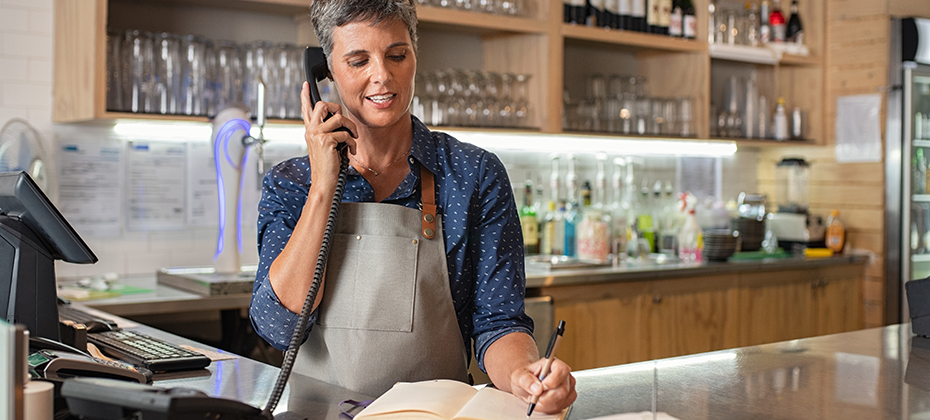
QSRs have emerged as superheroes during the pandemic, creating an entirely different consumer experience in record time by offering contactless delivery, curbside pick-up, and other innovations that have allowed them to stay open and operational when so many other businesses have shuttered. But as many states are still moving through their phased re-opening plans and more options become available to consumers, QSRs are challenged with keeping their momentum going. How can they continue to build on their success? The key is activation. Advertising on the right channels at the right time. The more QSRs can offer experiences that leverage the power of data to better speak to their customers and address their unique needs, the better chance they have of continuing to succeed in these unwieldy times. As we move into the fall and winter, and as more and more people look to QSR’s to help with their meal plans, consider the following: 1. Use data to create a more robust loyalty program. There’s no question consumers have plenty of QSRs to choose from and using a loyalty program is an excellent way to ensure they continue to view you as a preferred dining destination. But you might be surprised to learn how much of a difference it can make to your bottom line. PYMNTS reported that in 2019, Starbucks President and CEO Kevin Johnson shared how the company’s active mobile app rewards membership grew to 16.8 million users, which comprised 41% of sales in U.S. stores. The PYMNTS Restaurant Readiness Index also shows that 79.5% of QSR customers and 47.5% of QSR managers see loyalty programs as a feature that is important to a restaurant’s success. Now is a great time to review your loyalty program (or create a new one) and see if you can expand it to offer more perks, thereby enticing more customer interaction. A strong loyalty program should include a combination of your own customer data, enriched with third-party data for deeper customer insights, such as behavior, lifestyle and interests. 2. Make it easy for customers to order, purchase and pick-up with mobile ordering. Mobile ordering is no longer the wave of the future—it’s part of the new now. PYMNTS reported that Dunkin’ Brands CEO Dave Hoffmann noted on-the-go ordering experienced an average weekly sales increase of 25% year over year—and this growth was especially key in locations without a drive-through. For customers who want an easy option that allows them to order, pay and pick-up at curbside, mobile ordering is the ultimate in simplicity, and your data can help you determine who is most primed to take advantage of this option so you can push it directly to them. 3. Offer demographic and location-specific promos. The power of data can help you know a lot about your customers, from age and occupation to whether or not they have a family, how they spend their time, and how much of that time is spent at your competitor’s restaurant. This data can help you craft promotions that can speak directly to your consumer, ensure you’re advertising on the channels they prefer and frequent and get them in your door. When you know you cater to parents who are tired of a long day of homeschooling and work Zoom meetings, you can tailor and execute a promo campaign that speaks directly to their needs and deliver it to their preferred channel, encouraging them to skip cooking and order from you instead. Or maybe you have locations that are close to college campuses, allowing you to entice students with a two-for-one deal they just can’t pass up. And as offices start the slow process of opening back up, there’s an opportunity to welcome workers back to the neighborhood with a special curbside or delivery pick-up deal. 4. Ensure your customer knows your brand values. More and more, consumers are becoming conscious of who they spend their money with and why. As Longitude Design points out, this is something Ben & Jerry’s does exceptionally well, and their value message is spread across everything the brand does, from their scoop shops to their store-bought pints to their company-branded events. This is your opportunity to share what you value as a company and a brand, and how it aligns with your consumer’s lifestyle. Is your food sustainably sourced? Is your packaging environmentally friendly? Be transparent about your supply chain, share how you care for your employees, give some insight into the prep process behind your food, as these insights will help your consumer gain trust in you, which in turn creates loyalty. Social media is a great way to get the word out about your value-based operational initiatives. To learn more about how you can use data to build on and enhance the new customer QSR experience, visit our Restaurant Marketing Solutions page.