 By Ben Luthi
 Edited by Peggy BennettBy Ben LuthiEdited by Peggy Bennett


Most credit scores run from 300 to 850, and where you land on that scale helps lenders decide whether to approve you and on what terms. A higher score signals lower risk, which can mean easier approvals, lower interest rates and better credit limits.
Credit scoring companies FICO and VantageScore® split that range into smaller groups, such as poor, fair, good and excellent, to show how strong your credit is. However, the labels and even the ranges themselves can differ from one credit score to the next. Here's how credit score ranges work, why they vary and what they mean when you apply for credit.
A credit score range is the full span of scores a model can produce, divided into categories that describe credit health. The exact range depends on the type of credit score.
| Credit Scoring Models | Range | Credit Score Types |
|---|---|---|
| Base FICO® ScoresΘ | 300 to 850 | Base FICO® Scores, such as FICO® Score 8, 9, 10 and 10T |
| Recent VantageScore credit score models | 300 to 850 | VantageScore 3.0, 4.0, 4plus and 5.0 credit scores |
| Industry-specific FICO® Score models | 250 to 900 | FICO Bankcard Scores and FICO Auto Scores (versions of the base scores for credit card issuers and auto lenders) |
Credit score ranges are sometimes called credit score tiers, bands, brackets or levels. Where your score lands gives you a quick read on how lenders may see you, and, generally, a higher score signals lower risk and usually means easier approvals and better rates.
That said, lenders often use their own criteria when evaluating your credit scores. They'll also consider other details, like your income, existing debt and payment history alongside the number itself. So, a high credit score doesn't necessarily guarantee approval or favorable terms.
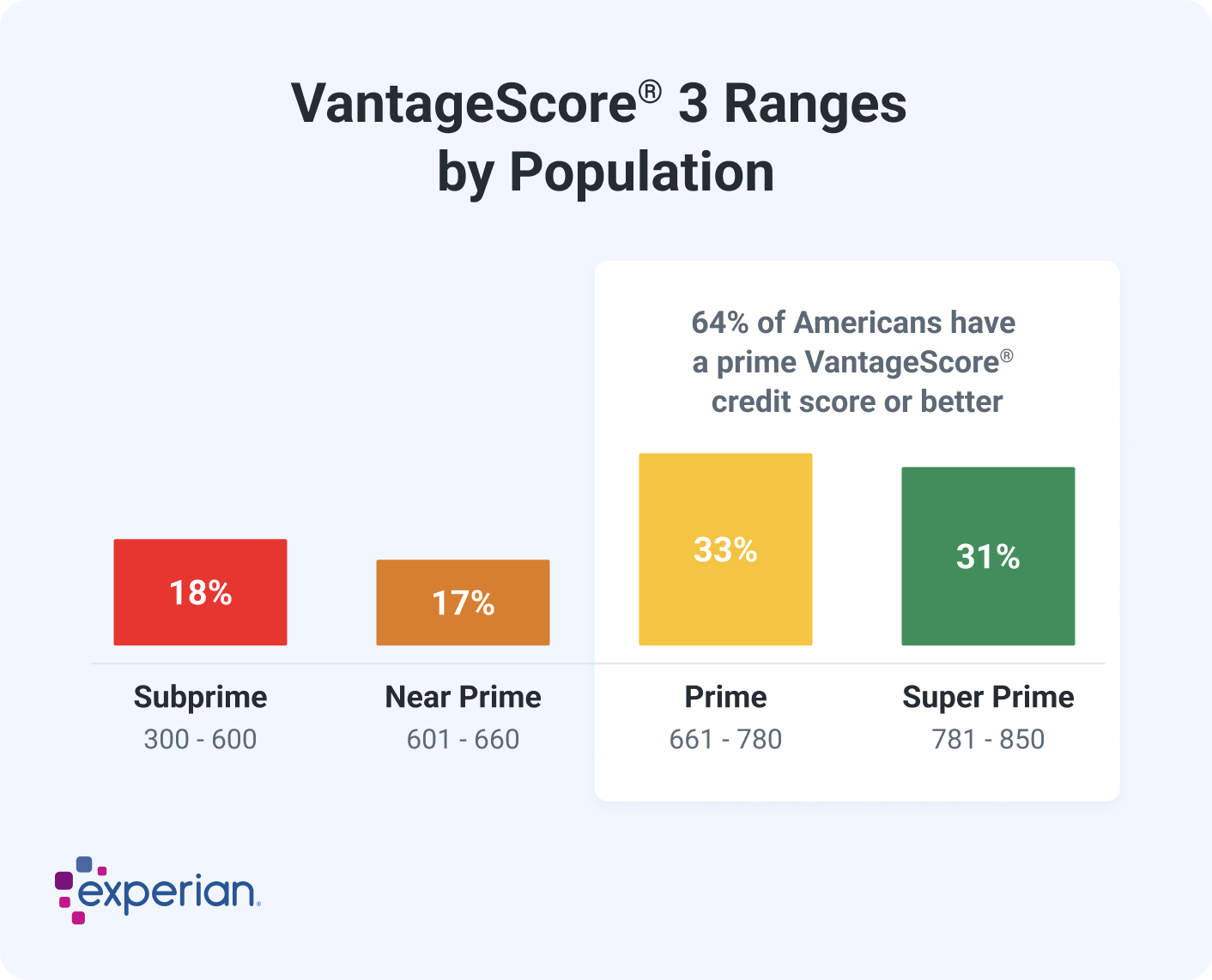
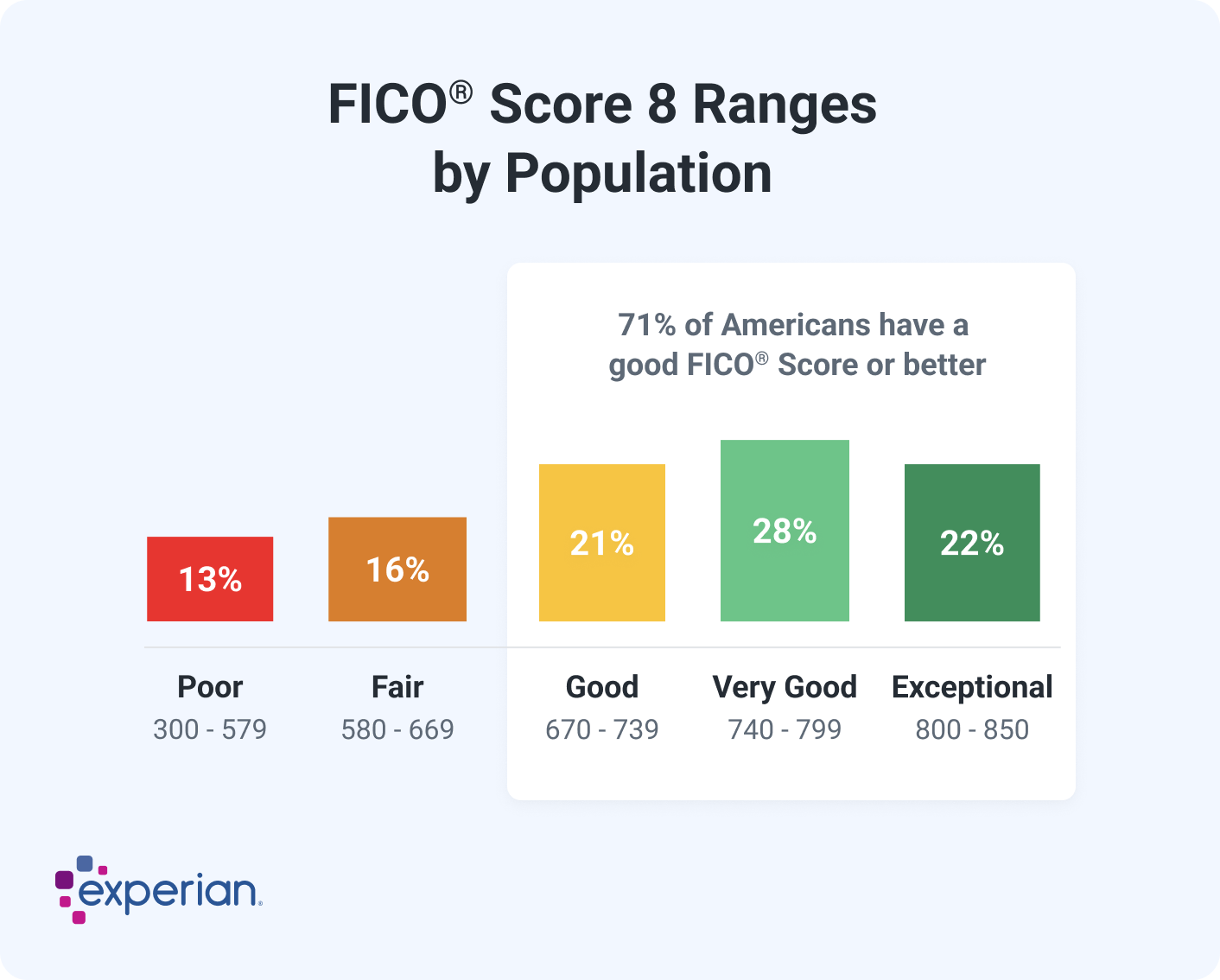
The credit scoring models often split a score range into smaller groupings to evaluate applicants and manage accounts. FICO and VantageScore publish their own categories, and creditors can also set their own. The categories below are the ones FICO uses. FICO reports that 90% of top lenders use FICO® Scores.
If your score falls in this range, approval can be tough, and many mainstream lenders may turn you down. If you do get approved for credit, expect higher interest rates, lower credit limits and extra fees.
Secured credit cards and credit-builder loans are usually the most realistic credit options with a poor credit score. The fastest way to improve poor credit is to make every payment on time, since payment history is the most influential factor in your FICO® Score.
As you move into fair credit, approval gets easier, especially toward the top of the range, though the best rates will still be out of reach. Your interest rates and credit limits tend to land somewhere in the middle.
You can usually qualify for some unsecured cards and personal loans with fair credit, just at a higher cost, including both interest and fees. One of the fastest ways to reach the good range is to reduce your credit utilization rate by paying down your credit card balances.
When your score crosses into good credit territory, a lot more opportunities open up. You can qualify for plenty of credit cards and loans at competitive terms, even if they aren't always the lowest rates advertised.
Your credit limits are usually reasonable, and your approval odds are strong. To keep climbing, keep your credit card balances low and avoid opening accounts you don't really need.
Once you hit very good credit, you'll likely get approved for most loans and credit cards, and you may even start qualifying for the best terms that lenders have to offer.
Many of the best rewards credit cards come into play here too. Keeping a long track record of responsible credit use and a healthy mix of accounts can help you climb into the top tier.
With exceptional credit, you're in line for the best credit offers out there. Keep in mind, though, that there's little real difference between a score in the low 800s and a perfect 850. In this range, a higher score is more about bragging rights than anything else.
From here, it's all about keeping up the habits that got you this far. Continue to monitor your credit regularly and address potential threats as they arise.
Sign up and get instant online access to your FICO® Score for free.
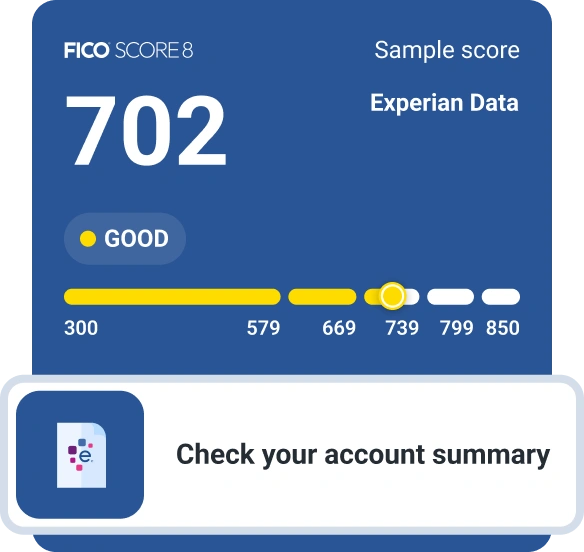
Checking your own credit won’t lower your credit scores.
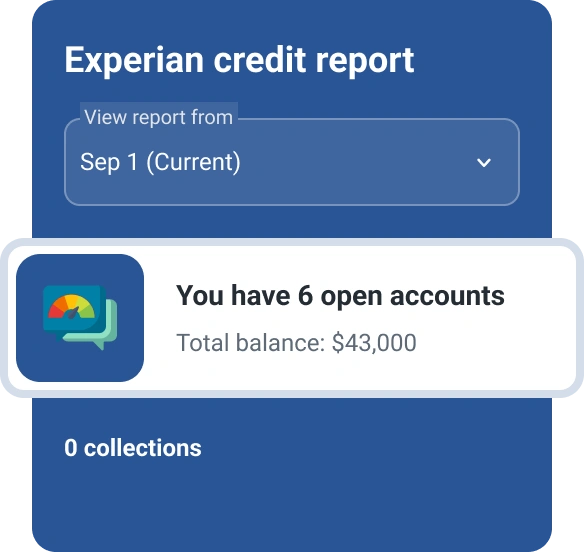
View specific factors that are affecting your score and how to improve it.
Credit score tiers, bands and brackets are all different names for credit score ranges. Each term refers to the same idea of grouping scores into categories that help lenders and consumers understand where a score sits on the scale.
For example, as noted above, a base FICO® Score of 670 to 739 is considered good, while 740 to 799 is very good. VantageScore uses its own labels, such as prime and superprime, for similar groupings. These categories are useful shorthand, but they remain general guidelines. Lenders can set their own approval standards and may weigh other details alongside your score.
Learn more: Why Do I Have So Many Credit Scores?
You can have many credit scores, and they may fall into different ranges at the same time. It can be confusing, but here's why it happens:
Tip: While specific credit scores vary, they tend to move in the same direction based on how you manage loans, credit cards and other forms of credit, which is reflected on your credit reports. You can check your credit reports from each of the credit bureaus for free at AnnualCreditReport.com.
It's technically possible to get approved for a loan or credit card with any credit score—or even no credit at all, for that matter. But depending on the type of credit you want, the credit score range that matters can vary. Here's a look at some of the most common types of loans and the credit scores they use.
Mortgage lenders have long relied on older base FICO versions, often FICO® Scores 2, 4 and 5, on a scale of 300 to 850. Fannie Mae and Freddie Mac, the companies that guarantee most mortgages in the U.S., now also accept VantageScore 4.0 for the loans they back.
That said, credit score minimums will depend on the type of mortgage loan and the lender you choose. For example, with an FHA loan backed by the Federal Housing Administration, a score of 580 qualifies for the lowest 3.5% down payment, while a score of 500 to 579 calls for at least 10% down.
For conventional loans (those not backed by the government), a 620 credit score minimum is common, but it's no longer a hard rule. Lenders can set their own standards and increasingly weigh your full financial profile rather than a single credit score cutoff point.
A higher score can improve approval odds and lower your rate. Lenders also consider income, debt-to-income ratio, down payment and cash reserves, among other factors.
Learn more: Average Mortgage Rates by Credit Score
Card issuers often use FICO Bankcard Scores or FICO® Scores 8 or 9. Bankcard scores are industry-specific and use a range of 250 to 900, while base scores use 300 to 850. There's no universal minimum credit score requirement, but different card types tend to be tailored to different ranges.
For example, secured cards are built for those with poor or limited credit, while the top rewards cards and travel credit cards generally go to applicants with good to exceptional credit. Borrowers with fair credit may qualify for rewards credit cards, but the benefits are usually minimal.
A higher score can mean higher limits, lower interest rates and access to better rewards.
Auto lenders often use FICO Auto Scores, an industry-specific version with a scale of 250 to 900. There's no single credit score cutoff for an auto loan. In fact, some lenders and even dealers specialize in subprime financing for borrowers with lower scores, though these options are often expensive—and, in some cases, risky.
A higher score generally means a lower interest rate and better terms. Lenders also weigh your income, the vehicle itself and the length of the loan.
Personal loan lenders may use base FICO® Scores or VantageScore credit scores on a 300-to-850 scale. Requirements vary widely, and some lenders serve those with fair or even poor credit, usually at higher rates.
As with other products, a higher score improves your approval odds and can lower the cost of borrowing. It can also make it easier to qualify for a personal loan with no origination fee, which can otherwise cost up to 12% of the loan amount.
Tip: Because lenders use different models and standards, treat your score range as a general guide rather than a guarantee of lender approval or denial. Moving into a higher range usually improves your chances of qualifying and can help you secure better rates, terms or credit limits.
Credit scores are calculated from the underlying information in one of your credit reports from Experian, TransUnion or Equifax. Different scoring models weigh that information differently, so the same report can produce different scores. The exact formulas are proprietary, but FICO and VantageScore both share general guidance on what matters most.
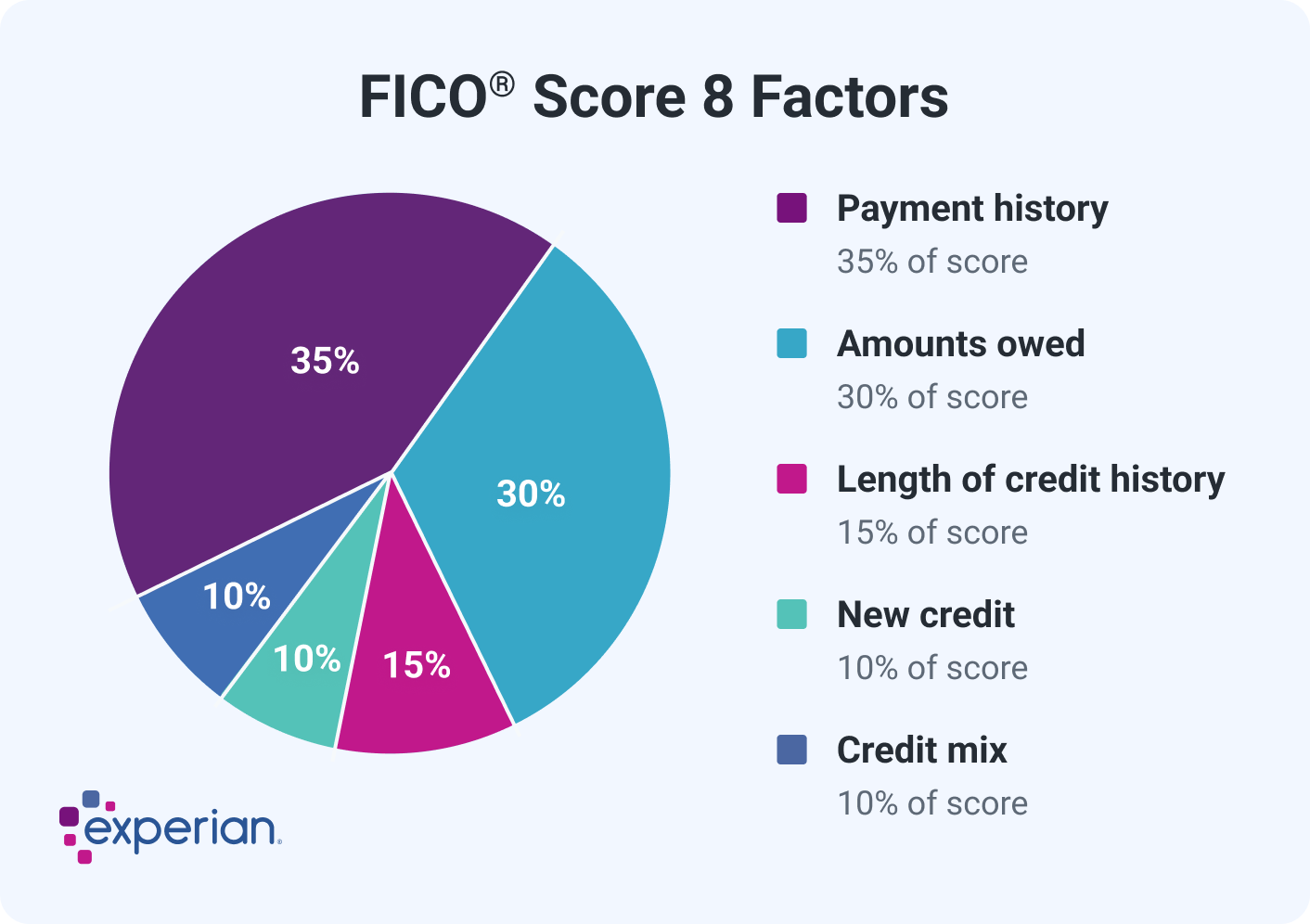

| Scoring Factor | Impact |
|---|---|
| Payment history | 35% |
| Amounts owed | 30% |
| Length of credit history | 15% |
| Credit mix | 10% |
| Recent credit applications | 10% |
| Scoring Factor | Weight |
|---|---|
| Payment history | Extremely influential |
| Total credit usage | Highly influential |
| Credit mix and experience | Highly influential |
| New accounts opened | Moderately influential |
| Balances and available credit | Less influential |
It's easy to fixate on a single number, but every credit score you have depends on the same foundation: the information in your credit reports. Build healthy habits like paying debts on time and keeping balances low, and you'll lift all your scores together and move closer to the top of the range. You can check your FICO® Score for free from Experian and see the factors helping and hurting it the most.
Use Experian Boost® to get credit for the bills you already pay like utilities, mobile phone, video streaming services and now rent.
No credit card required

Ben Luthi
Ben Luthi has worked in financial planning, banking and auto finance, and writes about all aspects of money. His work has appeared in Time, Success, USA Today, Credit Karma, NerdWallet, Wirecutter and more.
Read more from Ben