 Edited by Samuel Mountjoy
Does an Overdraft Affect Your Credit Score?
Edited by Samuel Mountjoy
Quick Answer
- Overdrafts generally will not affect your credit score because checking account activity isn’t reported to the three major credit bureaus.
- Overdrafts can indirectly affect your credit if you ignore an unpaid balance or fees and it gets sent to collections.

An overdraft is when your bank account balance dips below zero. This can happen if you spend more than you have available in your account. While not ideal, checking account overdrafts don't directly affect your credit score. However, failing to pay back what you owe, including overdraft fees, can come back to bite you. Here's how.
How an Overdraft May Impact Your Credit
When you take out a loan or line of credit, you can expect the lender to report your account activity to the three major credit bureaus (Experian, TransUnion and Equifax). This is standard for credit accounts, but checking accounts are different because the funds in the account are yours. Since you aren't borrowing money, your account activity isn't reported to the credit bureaus.
Overdrawing your account could indirectly affect your credit if an unpaid negative balance or overdraft fees are sent to collections. This is when a collection agency or third-party debt collector tries to collect money on an overdue account. A new collection account will appear on your credit report—and stay there for seven years, regardless of how much you owe.
Factors that Affect Your Credit Score
A collection account is a negative entry on your credit report, and that can hurt your credit health. Below are other factors that affect your FICO® ScoreΘ.
| Credit Factor | What It Means |
|---|---|
| Payment history (35%) | Paying your bills on time every month is the most significant way to build good credit. A single late payment of 30 days or more stays on your credit report for seven years and hurts your score. |
| Amounts owed (30%) | Your credit utilization ratio is the percentage of your available revolving credit you're currently using. Keeping this below 30% will reduce its impact on your score, but the lower, the better. |
| Length of credit history (15%) | Having a longer credit history can be good for your credit score. If you're just starting out, you can take steps to build your credit. |
| Credit mix (10%) | This has to do with credit diversity and having a mix of different credit accounts, such as installment loans and revolving lines of credit. |
| New credit (10%) | New credit applications can temporarily reduce your credit score (usually by less than five points) due to the hard credit inquiry. |
Get your FICO® ScoreΘ for free
Sign up and get instant online access to your FICO® Score for free.
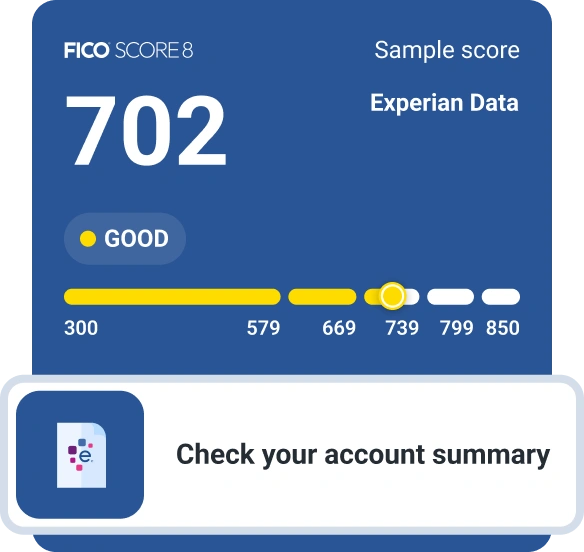
Checking your own credit won’t lower your credit scores.
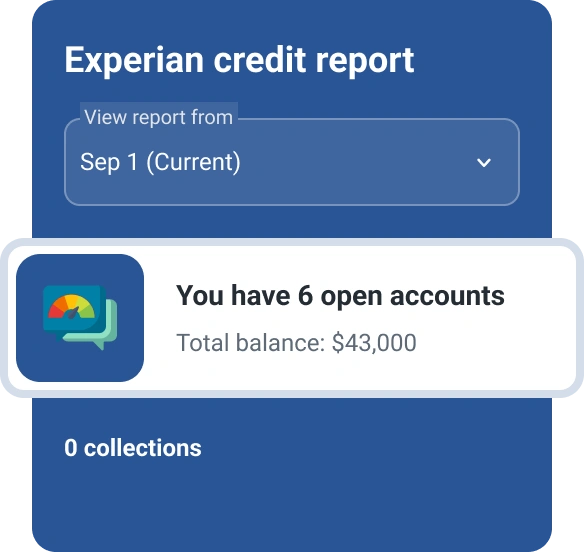
View specific factors that are affecting your score and how to improve it.
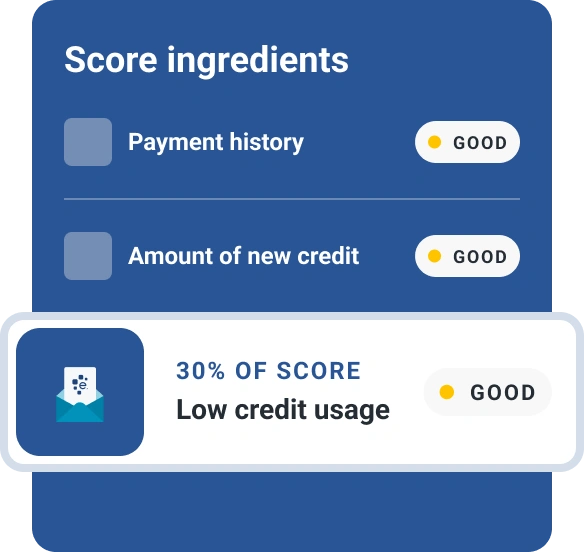
Do Checking Accounts Appear on a Credit Report?
The short answer is no. Debit card transactions and electronic payments and transfers pull money directly from a checking account. Since you aren't borrowing money, checking accounts aren't included on your credit reports.
However, negative account activity, such as overdrafts, may show up on your ChexSystems report. ChexSystems is a banking reporting agency that keeps track of your checking and savings account history. When you open a new account, the bank or credit union may use that information when deciding whether or not to approve your application. Your Chexsystems report may include previous:
- Overdrafts
- Bounced checks
- Unpaid negative balances
- Involuntary account closures
Your application could be denied if your ChexSystems report shows a history of irresponsible account use. However, that won't directly affect your credit or ability to qualify for loans or credit cards. While you cannot remove accurate information from your ChexSystems report, paying off any outstanding balances could improve your odds of getting approved for a new bank account. Some banks also offer second-chance accounts for consumers who are having trouble qualifying for a traditional account.
Learn more: How to Clean Up a ChexSystems Report
Should I Keep My Overdraft Protection?
Many banks and credit unions offer overdraft protection. If you try to withdraw money or make a purchase that exceeds your available account balance, they'll either cover the difference for you or pull funds from another one of your accounts. But it comes with fees—sometimes as high as $36 per overdraft if the bank lays out the money for you. Fees tend to be lower or waived if the difference is transferred from a linked account.
How to Avoid Overdrafts
Nobody likes paying bank fees. Here are some ways to prevent overdrafts before they happen:
- Opt out of overdraft protection. The downside is that a transaction could be denied if you don't have enough money in your account to cover it.
- Turn on account alerts. You can set it up so that you receive a notification on your phone whenever your account balance dips below a certain amount. From there, you can spend accordingly or transfer funds from another account.
- Track your spending. This is an essential part of budgeting. Being aware of how much money is moving in and out of your account can help you spend with awareness and avoid overdraft fees.
The Bottom Line
While overdrafts won't directly affect your credit score, they can still have a negative impact on your finances. That's especially true if an unpaid negative balance or fees get sent to collections. Signing up for overdraft protection can prevent a purchase from being declined due to low funds, but it could result in fees. Your best bet is to reevaluate your budget, track your spending and use account alerts to stay on top of your balance.
Earn more with a high-yield savings account
Make your money work harder with a high-yield savings account—earn higher returns with easy access to your funds.
Compare accounts
About the author

Marianne Hayes
Marianne Hayes is a longtime freelance writer who's been covering personal finance for nearly a decade. She specializes in everything from debt management and budgeting to investing and saving. Marianne has written for CNBC, Redbook, Cosmopolitan, Good Housekeeping and more.
Read more from Marianne