
 By Tim Maxwell
What Is a Credit Card Convenience Fee?
By Tim Maxwell
Quick Answer
- A convenience fee is an extra fee for using a certain payment method or channel.
- Credit card networks allow merchants to charge convenience fees when credit cards aren’t their standard payment method.

Merchants may charge a credit card convenience fee to cover the fees related to the payment method. You may encounter these fees when credit cards aren't the usual way to pay, such as for rent or utility bills.
While the credit card rewards you earn can help cover part of the fee, the charge is often more than the cash back, points or miles you'd earn. That's why it's usually best to avoid these whenever possible. Here's how credit card convenience fees work and how to avoid them.
What Is a Convenience Fee?
A convenience fee is an extra charge for using a specific payment method or paying through a certain channel, such as by phone or online.
Example: You may pay a convenience fee when you buy movie tickets online instead of in person or when you pay a bill by phone if the provider prefers that you pay online.
Other merchants charge the fee specifically for credit card payments when cash, check or electronic payment is the standard method. Common situations where you may be charged a credit card convenience fee include:
- Rent payments
- Paying your tax bill
- Utility payments
- Tuition and school fees
- Driver's license and vehicle registration fees
- Peer-to-peer transfers
- Event or movie tickets
Tip: Convenience fees on monthly bills like rent or utilities can add up to a substantial sum over time, so it's good practice to use a fee-free payment option if the benefits don't outweigh the cost.
Best credit cards of 2026
Compare cards from our partners with intro bonuses, cash back or points offers, and annual fees as low as $0.
Offers from our partners

Citi® Diamond Preferred® Card
Intro APR:0% for 21 months on Balance Transfers and 12 months on Purchases
Ongoing APR:16.74% - 27.49% (Variable)
Rewards:
N/A
Annual Fee:$0

Credit One Bank® American Express® for Rebuilding Credit
Ongoing APR:29.74% Variable
Rewards:
1% (cash back)
Earn 1% cash back rewards on eligible gas, grocery purchases and mobile phone service, internet, cable and satellite TV services, terms apply
Annual Fee:$75 First year. $99 thereafter, billed monthly at $8.25

Avant® Mastercard®
Ongoing APR:29.99%*
Rewards:
N/A
Annual Fee:$0*

Avant® Cashback Rewards Mastercard®
Ongoing APR:35.99%*
Rewards:
1% (cash back)
Cash back will be awarded as points redeemable for a statement credit
Annual Fee:$75*
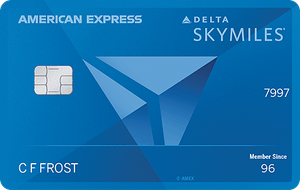
Delta SkyMiles® Blue American Express Card
Intro bonus:
10,000 Miles
Earn 10,000 bonus miles after you spend $1,000 in purchases on your new Card in your first 6 months.
Ongoing APR:19.74%-28.74% Variable
Rewards:
1x - 2x (Miles per dollar)
Earn 2X Miles per dollar at restaurants worldwide, plus takeout and delivery in the U.S. Earn 2X Miles per dollar spent on Delta purchases, and 1X Mile on all other eligible purchases.
Annual Fee:$0
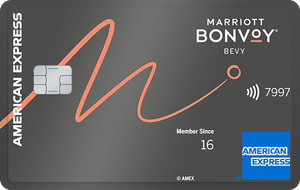
Marriott Bonvoy Bevy® American Express® Card
Intro bonus:
85,000 Bonus Points
Earn 85,000 Marriott Bonvoy® bonus points after you use your new Card to make $5,000 in purchases within the first 6 months of Card Membership.
Ongoing APR:19.74%-28.74% Variable
Rewards:
2x - 6x (Points per dollar)
Earn 6X Marriott Bonvoy® points for each dollar of eligible purchases at hotels participating in Marriott Bonvoy®. Earn 4X points at restaurants worldwide and U.S. Supermarkets (on up to $15,000 in combined purchases at restaurants and U.S. supermarkets per calendar year, then 2X points). Earn 2X points on all other eligible purchases.
Annual Fee:$250
BankAmericard® credit card
Intro APR:0% Intro APR for 21 billing cycles for purchases, and for any balance transfers made in the first 60 days
Ongoing APR:15.24% - 26.24% Variable
Rewards:
N/A
Annual Fee:$0
BankAmericard® secured credit card
Ongoing APR:XX.XX% Variable
Rewards:
N/A
Annual Fee:$0
See all our best credit cards for 2026.
Why Merchants Charge Credit Card Convenience Fees
There are a few reasons merchants charge credit card convenience fees. For starters, merchants may charge this fee to discourage the use of credit cards, which can be more expensive to accept than other payment methods. Depending on the payment network, they may need to pay a merchant fee ranging from 1.5% to 4% for each transaction.
For businesses that regularly accept credit cards, such as grocery stores, this fee is just a cost of doing business. Businesses that receive most payments by check, cash, debit card or ACH transfer may add a convenience fee so they don't lose money when a customer pays by credit card.
Learn more: Should I Pay Bills With a Credit Card or Checking Account?
Convenience Fee Policies by Credit Card Network
Not just anyone can charge a convenience fee on credit card transactions. Each major credit card network sets its own rules for when merchants can charge a convenience fee. Here's how the policies break down for each network.
- Visa: Visa allows merchants to charge a convenience fee only when you pay through a different channel than they normally use, such as paying online instead of in person. The fee must be a flat amount rather than a percentage of the transaction, and the merchant must clearly disclose it to you.
- Mastercard: Only precertified government agencies, educational institutions and their third-party agents can charge convenience fees on Mastercard credit card transactions. The fee can apply whether the cardholder pays in person, over the phone, online or by mail.
- American Express: In its latest merchant guide, American Express doesn't provide specifics on its convenience fee policy. However, it does say that merchants can offer incentives for non-credit-card payments as long as the option is clearly disclosed, it's offered to all customers and the incentive doesn't discriminate based on card issuer.
- Discover: Discover allows merchants to charge a convenience fee only if they charge the same fee on Visa, Mastercard and American Express payments. The fee can't exceed what it costs the merchant to process the payment.
Convenience Fee vs. Surcharge
A credit card surcharge is similar to a convenience fee, but it can be assessed any time you use a credit card. By contrast, a convenience fee is charged only when you pay through a different channel than the merchant normally uses. Depending on where you live and the payment network for your card, you could be charged as much as 3% of the transaction amount.
Merchants can charge you a surcharge when you use a credit card, but not when you use a debit or prepaid card. Each network limits how much the surcharge can be, which typically ranges from 1% to 4% of your transaction. The merchant must also tell you about the surcharge at the store entrance and checkout and list it separately on your receipt.
Many states place restrictions on credit card surcharges, while Connecticut, Maine, Massachusetts, Oklahoma and Puerto Rico prohibit them altogether.
| Convenience Fee | Surcharge | |
|---|---|---|
| Applies to | Nonstandard payment method | Any credit card purchase |
| Amount | Flat fee or percentage | Up to 4%, capped at merchant's expense |
How to Avoid Paying a Credit Card Convenience Fee or Surcharge
In most cases, it's relatively easy to avoid convenience fees and surcharges on credit card payments.
- Watch for fee disclosures. Merchants generally must clearly tell you about any convenience fee or surcharge during checkout.
- Use a different payment method. You may face a convenience fee or surcharge when you use a credit card for a payment that is normally paid another way. To avoid the fee, consider paying by check or electronic transfer.
- Take advantage of cash discounts. Some merchants offer a discount when you pay with cash instead of a credit card, although this isn't technically a convenience fee or surcharge.
Tip: It's usually best to avoid paying the convenience fee, but not always. A small flat fee on a large payment may cost less than the cash back or points you'd earn, especially if the purchase helps you hit a credit card's welcome bonus spending requirement.
Earn rewards for your spending
See your top credit card matches based on your credit profile and spending habits.
Get the right card to earn cash back or points on your purchases and maximize your perks.
Apply for rewards cards matched for you and that you’re more likely to qualify for.
The Bottom Line
Using a credit card for everyday purchases can help you earn more rewards and streamline your bill payments. But some businesses charge a convenience fee or surcharge when you pay by credit card instead of another method.
Watching for convenience fees and surcharges is the first step toward avoiding them. If you're not sure whether a fee is worth paying, compare it with the value of the rewards you would earn. Typically, the fee will cost more than the cash back, points or miles are worth, so have an alternative payment method handy to avoid the extra cost.
Don’t apply blindly
Apply for credit cards confidently with personalized offers based on your credit profile. Get started with your FICO® Score for free.
See your offers
About the author
Tim Maxwell
Tim Maxwell is a former television news journalist turned personal finance writer and credit card expert with over two decades of media experience. His work has been published in Bankrate, Fox Business, Washington Post, USA Today, The Balance, MarketWatch and others. He is also the founder of the personal finance website Incomist.
Read more from Tim