How to Get the Best Credit Card Fraud Protection
Quick Answer
- Federal law caps your liability for fraud at $50, but many card issuers bring that down to $0.
- Look for transaction alerts, fraud monitoring, card lock and virtual card numbers.
- Features vary by issuer, so compare cards before you apply.

Credit card fraud is the most common form of identity theft. There were 597,766 reports of credit card fraud in 2025, according to the Federal Trade Commission. Fortunately, credit card issuers take steps to minimize your exposure to theft, but protection can vary by issuer.
To choose the best credit card fraud protection, look for features such as zero liability protection, fraud monitoring, transaction alerts and card lock controls.
What Is Credit Card Fraud Protection?
Credit card fraud protection is a mix of legal rights and card features that shield you from unauthorized purchases on your account. The Fair Credit Billing Act prohibits credit card companies from holding you responsible for unauthorized purchases if you report your card stolen before the thief uses it. Even if you report the fraud after it occurs, federal law limits your liability to $50.
On top of that, many credit card issuers offer various fraud protection features that go above and beyond what federal law requires.
Best credit cards of 2026
Compare cards from our partners with intro bonuses, cash back or points offers, and annual fees as low as $0.
Offers from our partners
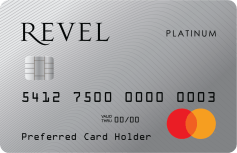
Revel® Platinum Mastercard®
Ongoing APR:35.90% Fixed
Rewards:
N/A
Annual Fee:$49 - $125
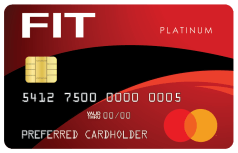
FIT™ Platinum Mastercard®
Ongoing APR:35.90% Fixed
Rewards:
N/A
Annual Fee:$99 first year; $125 thereafter
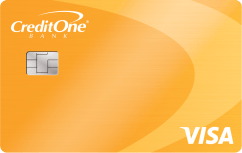
Credit One Bank® Secured Card
Ongoing APR:29.74% Variable
Rewards:
1% (cash back)
Earn 1% cash back rewards on eligible gas, grocery purchases and mobile phone, internet, cable and satellite TV services. Terms apply.
Annual Fee:$0
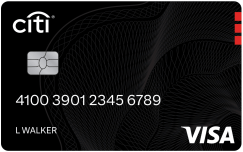
Costco Anywhere Visa® Card by Citi
Ongoing APR:18.99% - 26.99% (Variable)
Rewards:
1% - 5% (cash back)
Earn 5% cash back rewards on gas at Costco and earn 4% cash back on other eligible gas and electric vehicle (EV) charging purchases for the first $7,000 combined spend per year, and then 1% thereafter. 3% cash back on restaurants and eligible travel purchases and eligible travel, including Costco Travel. 2% cash back on all other purchases from Costco and Costco.com. 1% cash back on all other purchases.
Annual Fee:$0
Intro bonus:
$200
Earn a $200 statement credit after you spend $1,000 on purchases in the first 3 months of account opening.
Ongoing APR:19.74% - 27.74% (Variable)
Rewards:
1x - 3x (Points per dollar)
Earn 3 ThankYou® Points for every $1 spent at gas and EV charging stations. Earn 2 ThankYou® Points for every $1 spent at grocery stores and 2 ThankYou® Points for every $1 spent on AT&T products and services. Earn 1 ThankYou® Point for every $1 spent on all other purchases.
Annual Fee:$0
Credit One Bank® Wander® American Express® Metal Card
Ongoing APR:29.74% Variable
Rewards:
1% - 10% (cash back)
Earn 5% cash back rewards on eligible dining, gas, & travel purchases, 1% cash back rewards on all other purchases, and 10% cash back rewards on eligible hotel and car rentals booked using the Credit One Bank travel partner. Cash back rewards will be awarded as rewards points redeemable for a statement credit, gift cards, travel, and more. Terms apply.
Annual Fee:$95
Credit One Bank® Premier American Express® Unlimited Rewards Card
Ongoing APR:29.74% Variable
Rewards:
1% (cash back)
Earn unlimited 1% cash back rewards on all purchases, terms apply
Annual Fee:$0
Ongoing APR:9.99% - 18% Variable
Rewards:
1x - 3x (Points per dollar)
When you open a GO REWARDS account, you'll earn 3x points on restaurants, 2x points on gas and 1x point on everything else
Annual Fee:$0
See all our best credit cards for 2026.
Features to Look for in Credit Card Fraud Protection
Credit card issuers offer fraud protection features to make you feel comfortable using their cards, and to protect themselves from losses related to identity theft. But not all issuers offer the same features; consider the following as you shop around:
- Zero liability protection: All four major payment networks—Visa, Mastercard, American Express and Discover—offer zero liability fraud protection. This means that even if you report fraud after it occurs, you generally won't be held liable for the charges.
- Real-time transaction alerts: Most issuers can send you a text, email or push notification each time your card is used. In many cases, you can customize the alerts you receive. For example, you can set a minimum transaction amount or prioritize certain transactions, such as card-not-present or international purchases.
- 24/7 fraud monitoring: When you make a purchase, your card issuer assesses and scores your transaction for risk signals—often in milliseconds—and may decline it if it looks out of the ordinary. This is why you may occasionally have a charge flagged while you're traveling.
- Card lock or freeze controls: Locking your card through your online account or credit card mobile app will block new purchases (excluding recurring payments) without canceling the card number. You can use this feature if you lose your physical card and then either unlock it if the card turns up or request a replacement.
- Virtual card numbers: A virtual credit card number is a temporary number that stands in the place of your primary card number. You can use virtual card numbers to make online purchases. If the number is compromised, you can cancel it without needing to replace your whole card.
- Contactless payments: Tapping your card or paying through a digital wallet keeps your card number away from skimming and shimming devices that identity thieves hide inside payment terminals.
How to Choose the Best Credit Card Fraud Protection for Your Needs
With so many different anti-fraud features available, it's important to choose the ones that best suit your spending habits and needs. Here are some ways you can decide:
- Compare multiple cards. Security features differ by issuer, so it's worth shopping around before you apply. Experian's card comparison platform can show you which cards you're matched with based on your credit profile.
- Consider where you use your card. If you spend a lot online, a card that offers virtual card numbers could be a priority. Meanwhile, if you're a frequent traveler, contactless payments and an easy-to-access fraud team may be more important to you.
- Decide how much control you want. Credit card companies do a significant amount of fraud monitoring behind the scenes. But if you want more hands-on features, such as specific transaction alerts or simple card locks, prioritize issuers that offer the level of control you want.
- Weigh security against other card features. Fraud protection is an important credit card feature, but it's not the only one. As you shop around, take your time to compare other features, such as welcome offers, rewards rates, intro annual percentage rate (APR) promotions and other perks that offer value.
Learn more: Red Flags to Look for When Shopping Online
How to Protect Yourself From Credit Card Fraud
While credit card issuers invest a lot in fraud protection initiatives, their efforts don't take the place of your own responsibility to keep your credit card information safe. Here are some concrete steps you can take to protect yourself from credit card fraud:
- Keep your physical cards safe. Keep your credit cards in your wallet or purse and avoid leaving them around where they may be stolen. Also, be careful about who you allow to use your card. Add cards to a digital wallet like Apple Pay or Google Pay so you don't have to carry them everywhere you go.
- Learn how to spot phishing attacks. Phishing is a type of scam involving an email or text message that looks like it's from a legitimate source but takes you to a fraudulent web page asking for passwords or card details. Links and attachments can also install malware that steals information straight from your device. Avoid opening attachments unless you know they're safe, and hover over links to check the destination URL before you click.
- Use a virtual private network (VPN). Coffee shops, airports and other public places often provide Wi-Fi networks that anyone can access without a password. Identity thieves can eavesdrop on data you send over those networks, including credit card information. Consider using a VPN to add an extra layer of security to your connection.
- Check your online account regularly. Instead of waiting to get your monthly statement, check your online account at least once a week to make sure you recognize all account transactions.
- Be wary of unfamiliar online stores. Fraudsters often build fake storefronts to collect card numbers. Look up any new retailer you're unfamiliar with before you enter your card number, especially if the prices seem unusually low or you landed on the site through a social media ad.
- Inspect card readers before you pay. Skimming and shimming devices can turn up on gas pumps, ATMs and checkout terminals. Tug the reader to see if anything comes loose, compare it against another terminal nearby and skip a pump whose security seal is broken.
- Monitor your credit. Checking your credit report regularly won't stop someone from using an account you already have. However, it will alert you if someone opens a new credit card in your name or takes other actions that can harm your credit.
If you've fallen victim to credit card fraud, take steps to protect yourself quickly. Start by calling your credit card company to report the fraud so it can cancel your card and send you a new one. If you have recurring charges on that card, you'll need to update the account information with the merchants when you receive the new card.
You'll also want to file a police report and an identity theft report with the FTC. Finally, you have the right to add a fraud alert to your credit reports or even freeze your credit to prevent fraudsters from opening new credit accounts in your name.
Learn more: Signs Your Credit Card Has Been Hacked
Use a Credit Monitoring Service to Maximize Protection
Checking your credit reports regularly is important, and a credit monitoring service can make it convenient by updating you every time something on your report changes.
Experian's free credit monitoring service provides real-time alerts when a new account, inquiry or piece of personal information shows up on your Experian credit report. Spotting credit card fraud and other identity theft that early means you can respond before the damage spreads.
Don’t apply blindly
Apply for credit cards confidently with personalized offers based on your credit profile. Get started with your FICO® Score for free.
See your offersAbout the author
Ben Luthi has worked in financial planning, banking and auto finance, and writes about all aspects of money. His work has appeared in Time, Success, USA Today, Credit Karma, NerdWallet, Wirecutter and more.
Read more from Ben