
 By Tim Maxwell
What Is Modified Car Insurance?
By Tim Maxwell
Quick Answer
Modified vehicle insurance is for cars such as hotrods, work trucks or built-out camper vans that have been modified. Since your regular car insurance policy may not cover modified parts of your vehicle, consider purchasing additional coverage.
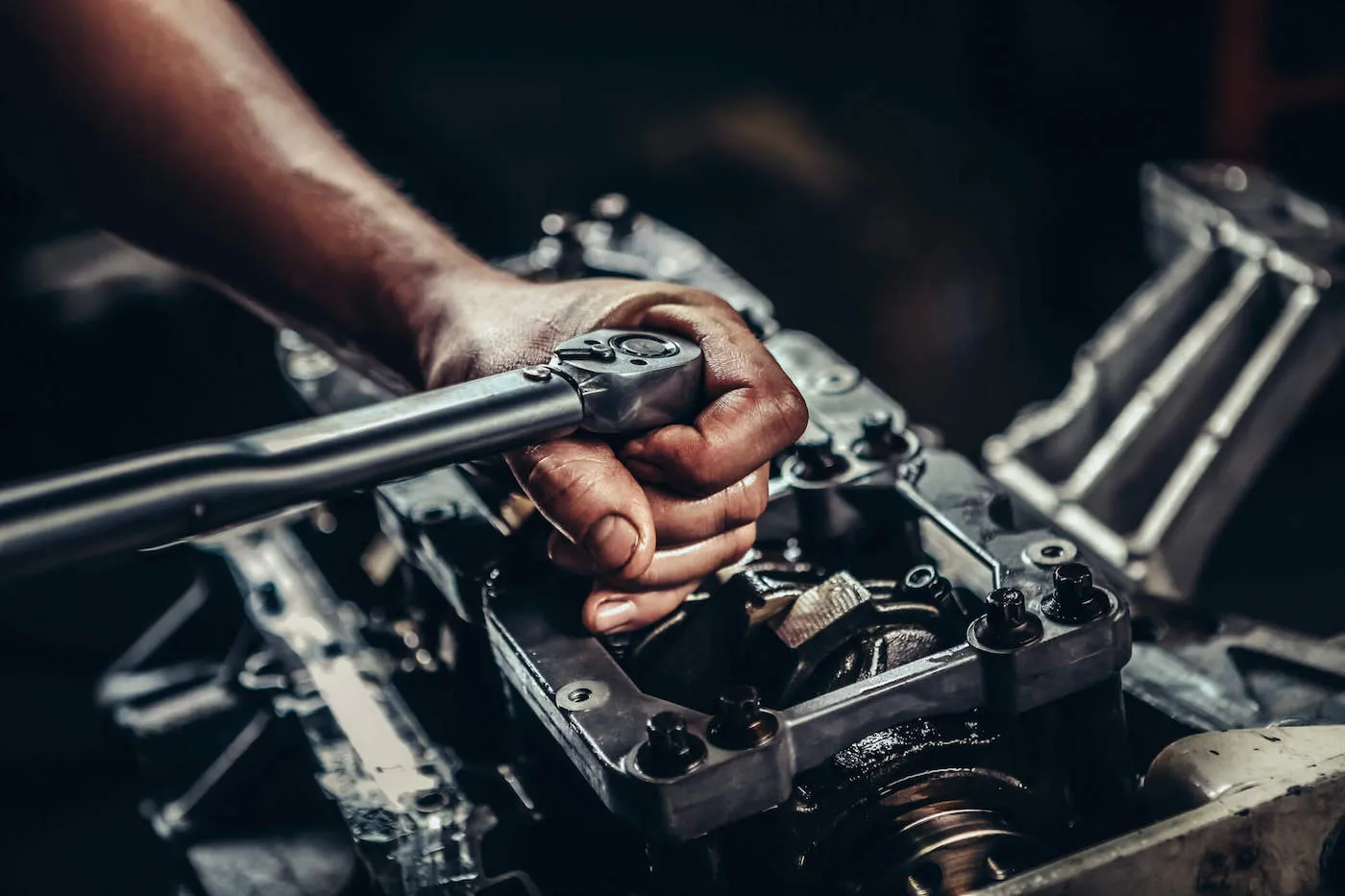
If you've modified a car for personal or work purposes or bought a vehicle with aftermarket modifications, your insurance policy may not account for those upgrades. In the event your car is damaged or totaled, you could be on the hook to pay for repairs and replacement costs.
Fortunately, you can get coverage for these customizations. Modified vehicle insurance is designed for vehicles that have had certain custom parts or equipment added after they left the factory. This optional coverage could come in handy if your standard policy doesn't cover the aftermarket parts or custom features on your vehicle.
Here's what you need to know before you hit the road.
Does Car Insurance Cover Modified Cars?
In most cases, a standard auto insurance policy covers the factory version of your vehicle. That means if you file a claim, your insurer will likely base the payout on the cost of standard factory parts rather than the cost to replace aftermarket parts or customizations. But if your car features modifications such as a lift kit or upgraded wheels and tires, the coverage difference between your actual replacement costs and what your policy covers could be substantial.
Be aware, if you don't tell your insurer about modifications to your vehicle, it could lead to a loss of coverage. So it's best to be upfront and transparent about any alterations you've made or plan to make. Sometimes, notifying your insurer of changes could work in your favor, since some modifications, like security systems and backup cameras, could lower your insurance rates.
What Is Modified Vehicle Insurance?
As its name suggests, modified vehicle insurance is a type of coverage designed for vehicles with aftermarket upgrades and customizations. You can add this coverage to your existing policy as an endorsement, or get a separate custom policy altogether.
Regular car insurance covers parts that are standard from the factory, but not modifications. So what is considered a modification? Generally, any change made to your vehicle after it leaves the factory may qualify as a modification. Here are some common examples of vehicle modifications:
- Cosmetic: Custom paint, chrome bumpers or steps, custom lights, wheels
- Performance: Turbochargers, suspension upgrades, engine modifications
- Mobility functions: Wheelchair lifts, siren detectors for hearing-impaired drivers, pedal extenders
This isn't an exhaustive list, and you or a previous owner may have made other changes to your car. If you're unsure whether something qualifies as a modification, check with your insurance agent to find out if it needs to be disclosed and covered.
Learn more: What Does Car Insurance Cover?
How Does Modified Vehicle Insurance Work?
If you have modified your vehicle, you'll need more insurance. Modified vehicle insurance works by adjusting your policy coverage to cover the costs of repairing or replacing added parts. There are several options for modified vehicle insurance policies:
Custom Parts and Equipment Coverage
This is an endorsement you add to your existing auto policy. It covers the cost of repairing or replacing your aftermarket parts up to a set limit, which is often around $4,000 to $5,000. You may need to carry collision and comprehensive coverage before you can add this endorsement.
Agreed Value Coverage
An agreed value insurance policy may be a beneficial option if your modifications significantly impact your vehicle's worth. With this coverage, you and your insurer settle on a value, and that amount is written into the policy as the amount you'd receive in the event of a total loss. To qualify, you'll likely need to provide receipts, photos and a professional appraisal.
You will typically pay more for agreed value coverage than for a standard policy, but the added cost may be worth it for more complete protection.
Custom Car Insurance
If you have an extremely unique vehicle, such as a classic car, you may need to get a customized or nonstandard policy. And if your car spends more time in the garage than on the road, you could actually pay less to insure it than you would with a standard policy.
Learn more: How Does Car Insurance Work?
What Are the Benefits of Modified Vehicle Insurance?
The primary benefit of modified car insurance is that it gives you stronger protection for the value of your vehicle in case of an accident or damage, such as:
- Coverage for your upgrades: Modified vehicle coverage can help pay to replace or repair custom wheels, a high-end stereo system, an aftermarket paint job, a navigation system and other upgrades you've added. By contrast, standard policies often only cover the factory version of your car.
- Fewer claim complications: By disclosing and insuring your car's modifications ahead of time, you can make the claims process smoother and avoid disputes over what should be covered.
- Potential discounts for safety features: Your insurer may offer discounts for added safety or anti-theft features like backup cameras, parking sensors or adaptive headlights.
- Peace of mind: You'll rest easier knowing your vehicle's aftermarket parts are covered and your out-of-pocket costs are limited or even avoided altogether if something happens.
How Much Does Modified Vehicle Insurance Cost?
As with any insurance, how much you'll pay depends on the insurer and the type of coverage you're getting. For example:
- Custom parts and equipment endorsement cost: This can be an affordable option, though your premium will usually increase based on the types of modifications you've added and their replacement costs.
- Agreed value coverage cost: As you might imagine, costs can vary widely, depending on the value of your upgrades and modifications. You'll pay more than a standard policy because you're insuring the car for a higher amount than a comparable unmodified vehicle. But it may be worth it for the stronger protection if your car is totaled.
- Custom car insurance cost: Coverage for specialty or rare vehicles can actually be cheaper than a standard policy, since these cars aren't usually driven daily and are often garaged. According to Nationwide, custom car insurance is up to 42% less expensive than a standard policy.
You might also qualify for discounts for modifications that enhance safety, such as:
- Anti-theft systems
- Rear- and front-view cameras
- Daytime running lamps
- GPS tracking
- LoJack
- Blind-spot detection
- Parking sensors
- Adaptive headlights
Tip: If your aftermarket upgrades are relatively minor, you may not need to purchase an endorsement. Some insurers automatically include limited protection for custom parts. For example, Progressive states its comprehensive and collision coverage includes up to $1,000 for aftermarket parts and modifications. Check with your insurer to confirm what your policy already includes.
How to Buy Modified Vehicle Insurance
It's generally recommended to tell your insurer about any modifications to your vehicle. While you're at it, it's also worth asking how much it would cost to cover them. Here's how you can make sure your modified vehicle is covered:
- Contact your insurer. Let them know what modifications you've made, or plan to make, and ask what coverage options are available to you.
- Choose your coverage type. Your insurer may offer a custom parts and equipment endorsement, which could cover up to $5,000 in aftermarket parts. If your modifications are more extensive, you may want to look into agreed value coverage or a custom car insurance policy.
- Document your modifications. You may need to work directly with an appraiser to tally up the value of your modified parts. Be prepared to provide receipts, photos and a professional appraisal report or certificate to back up what your vehicle is worth. You and your insurer will then agree on a valuation before the policy is written.
- Compare quotes. Once you have a quote from your insurer, you can either purchase the coverage or shop around with other car insurance companies to see if you can get a better rate.
Tip: If you haven't made modifications yet, ask your insurer for a quote before you start. That way, you'll know the added insurance cost upfront to help you determine whether the upgrade is worth the cost.
Frequently Asked Questions
Compare Car Insurance Quotes to Save Money
It's a good idea to review your insurance policy regularly, including when you've added modifications to your vehicle. Going over your coverage can help you make sure your policy still meets your needs and that you're not overpaying.
Experian's auto insurance comparison tool can help you find lower rates on your car insurance by providing an apples-to-apples comparison to your current coverage. You can compare quotes from over 30 top insurance providers in one place and switch coverage if you find a better deal.
Don’t overpay for auto insurance
If you’re looking for ways to cut back on monthly costs, it could be a good idea to see if you can save on your auto insurance.
Find savings
About the author
Tim Maxwell
Tim Maxwell is a former television news journalist turned personal finance writer and credit card expert with over two decades of media experience. His work has been published in Bankrate, Fox Business, Washington Post, USA Today, The Balance, MarketWatch and others. He is also the founder of the personal finance website Incomist.
Read more from Tim