
Does Car Insurance Cover Hitting an Animal?

Quick Answer
Damage to your car after an accident with an animal is covered under comprehensive auto insurance. Vet bills from an accident with a domestic animal are not typically covered by car insurance, but rather by the pet owner’s homeowners insurance.
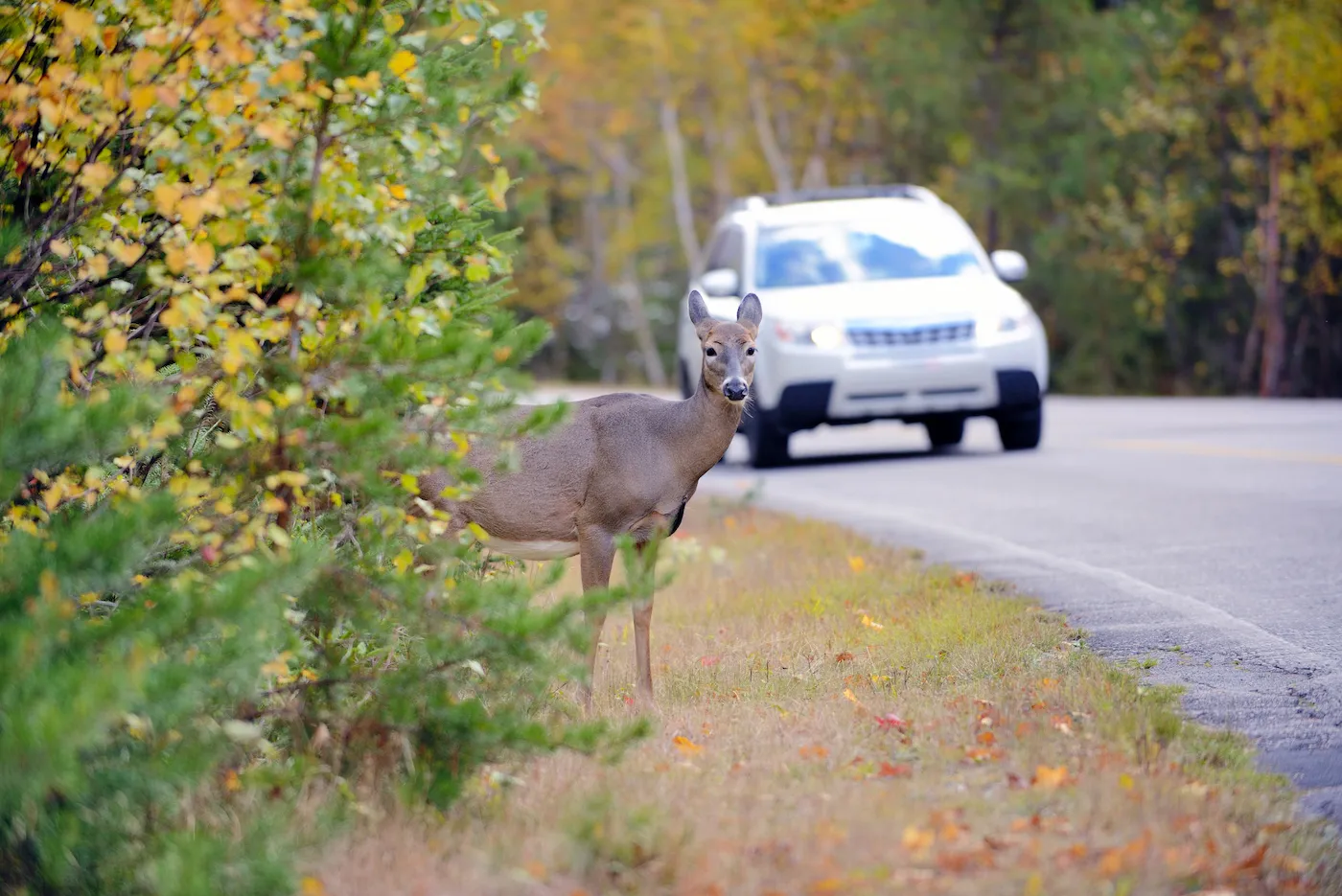
If you hit a deer or other animal on the road, your car insurance might cover the damages. But you typically need to have comprehensive coverage since liability-only insurance won't pay for damage from animal strikes. Animals can do a lot of damage to your vehicle, so if you live in an area where run-ins are common, consider adding comprehensive coverage to protect yourself financially.
Does Car Insurance Cover Hitting an Animal?
Striking a deer, moose or other large animal on the road can cause serious vehicle damage and even injuries. Without insurance coverage, repair costs—and medical bills for any injuries—can add up quickly. But not all types of car insurance cover accidents involving animals so you may not be automatically covered.
Liability-only protection, the minimum coverage required in most states, doesn't protect against animal strikes. And despite its name, optional collision insurance also doesn't cover damage from hitting an animal. Collision coverage only helps pay for damage to your car if you hit another vehicle or object, like a telephone pole or fence.
To pay for repairs after hitting an animal, you need to carry comprehensive insurance. This add-on insurance pays to repair or replace your car damaged by a non-collision event, like an animal strike. Full coverage insurance also provides protection if you hit an animal since it includes both comprehensive and collision coverage along with liability protection.
Tip: If you've financed your car, your lender likely requires you to carry full coverage insurance to protect its interest in your loan. But if you own your car outright, you have the option to purchase comprehensive or full coverage car insurance.
Learn more: What Does Car Insurance Cover?
How Do I Sign Up for Comprehensive Coverage?
Check your policy documents or reach out to your insurance agent to find out what type of coverage you currently have. You can buy comprehensive coverage when you first purchase car insurance for a vehicle, or it can be added to an existing policy at any time by contacting your insurer or agent.
Keep in mind that most comprehensive insurance requires you to pay a deductible before coverage kicks in. The deductible may be separate from other deductibles on your policy. Read your policy's fine print to make sure you understand any out-of-pocket costs and potential rate increases.
Example: You have a comprehensive policy with a $1,000 deductible. You hit a deer, which does $2,500 worth of damage to your car. To get your car fixed, you will have to pay $1,000, then your insurance company will cover the other $1,500 of the bill. This may be paid directly to the repair shop or issued to you in a check.
Will Insurance Cover Vet Bills if I Hit a Pet?
Comprehensive insurance typically only covers damage to your vehicle after an animal strike, but it won't cover vet bills for the injured animal, even if it's a pet. Pet owners are generally responsible for keeping pets safe and out of the road.
However, some insurance policies consider pets, such as cats and dogs, personal property. So your liability coverage may kick in to pay for injuries you're at fault for an accident that injured a pet riding in the other vehicle
Learn more: Does Car Insurance Cover Pets?
What to Do if You Hit an Animal
Knowing what steps to take after hitting an animal can limit liability and get the claims process started sooner. Here's a closer look what to do after an accident with an animal:
- Stay at the scene. Pull over to the side of the road if it's safe to do so, and put your hazard lights on. Fleeing the scene could mean legal trouble depending on state laws and the type of animal you hit, especially if you strike a pet.
- Check for injuries. Hitting a large animal like a deer or moose could cause serious injuries to motorists and passengers. Check to see if everyone is OK after the crash.
- Call emergency services. Contact local authorities to report the crash, treat injured vehicle occupants and let them know that an animal was hit. If property damage occurred after striking the animal, you may also have to file a formal accident report.
- Stay away from the animal. It may be tempting to help the injured animal, move it out of the road or check for pet tags to get an owner's phone number. But injured animals can be dangerous and unpredictable, so it's usually safer to keep your distance and wait for the authorities.
- Document the accident details. Take pictures or video of the scene, damage to your vehicle and the injured animal, if possible. Note important details about the accident, like the time of day, weather, road conditions and the type of animal you hit.
- Contact your insurance company. Reach out to your insurer to check on your coverage and file a claim.
Frequently Asked Questions
The Bottom Line
If you live in an area where animal strikes are common, it's important to be extra cautious on the road to avoid animal strikes. This is especially true after dusk, when animals like deer tend to be more active and hard to see on dark roads. Carrying comprehensive insurance can help protect you financially if your car is damaged after hitting a deer.
If you're looking for the best price on comprehensive insurance, Experian's car insurance comparison tool can help compare rates from top insurers in one place.
Don’t overpay for auto insurance
If you’re looking for ways to cut back on monthly costs, it could be a good idea to see if you can save on your auto insurance.
Find savings
About the author

Sarah Archambault
Sarah Archambault is a personal finance writer and editor who enjoys helping others figure out how to make smart financial decisions. She’s an expert in credit education, auto finance, banking, personal loans, insurance and credit cards.
Read more from Sarah