
 By Gayle Sato
How to Increase Your Credit Limit
By Gayle Sato
Quick Answer
- You can request a credit limit increase online, in your card issuer’s app or by calling the number on your card.
- Be prepared to make your case for a higher credit line and provide your income, employment status and housing expenses.

A higher credit limit on your credit card can provide you with greater spending power and help manage your credit utilization, but how do you get one? Card issuers may automatically increase your credit limit, but you can also request one yourself.
When setting a credit limit, credit card issuers look at your credit scores, income and expenses. If you've managed your account well and your financial situation has improved since you got the card, your card issuer may be willing to increase your credit limit. You can request a credit limit increase online, by phone or simply by waiting for your card issuer to act. Here's what you need to know about increasing your credit limit, plus what to do if your issuer denies your request.
How to Increase Your Credit Limit
Each card issuer has its own guidelines for granting credit increases. Generally speaking, you should be a cardholder for at least six months and should not have requested an increase in the past six months.
If you'd like to increase your credit limit, you have three primary ways to go about it:
Request an Increase Online or In-App
The most convenient way to request an increase is to use the card company's website or mobile app. If your card issuer accepts online (or in-app) requests, complete the form and submit your information. You typically need to include your most up-to-date income and housing costs.
Call Your Card Issuer
Alternatively, you can call the customer service number on the back of your card and request a credit line increase. Be prepared to explain why you're asking for more credit, and to provide information on your income and housing expenses (rent or mortgage). Your request may be approved on the spot, though some requests take up to 30 days to be approved or processed.
Update Your Income and Wait
Even when you don't actively request one, you may be offered a credit limit increase automatically if your card issuer reviews your income, credit and account history and decides to up your credit line. If your credit card issuer ever requests updated income information, it could be a sign that they're considering a credit limit increase.
Pros and Cons of Increasing Your Credit Limit
On balance, a higher credit limit has more pros than cons. Depending on your habits and your ability to control your spending when a higher credit limit is available, however, you may ultimately decide to keep your limit where it is.
Here are a few pros and cons to consider.
Pros
-
Your credit utilization can improve. A higher credit limit could also help you maintain a lower credit utilization ratio, which is a key credit score factor. If your credit limit is $2,500 and you want to buy a $1,000 TV, the purchase could bring your credit utilization ratio up to 40%. But if your credit limit increases to $4,000, your credit utilization would drop to 25%.
-
You'll be better equipped to cover large expenses. Raising your credit limit makes your card more useful, both as a payment tool for making large purchases and as emergency backup when a surprise expense pops up.
Cons
-
You may be tempted to overspend. A higher credit limit enables you to run up a higher balance, which could be difficult to pay off. While a higher credit limit won't automatically result in overspending, it does make it easier to do so.
-
Too many credit inquiries can affect your credit.Hard credit inquiries, like the ones credit card issuers may run when you request a credit limit increase, can decrease your credit score. Although the effect is minor and temporary, it's a good idea to limit the number of hard inquiries to your credit. This is especially true if you'll soon be making a major credit decision, such as applying for a mortgage.
Tip: Card issuers may or may not run a hard credit check when you request a credit limit increase. Read the terms of the request prior to submission so you're prepared.
When to Request a Credit Limit Increase
You might want a higher credit limit if you find yourself regularly hitting your limit and wanting to spend more in a billing cycle without having to repeatedly pay down the current balance. Or perhaps you're planning a large purchase and know your credit limit won't be enough.
Card issuers don't have to approve your request, but you might have a good chance of getting a higher limit if one of the following scenarios apply.
Your Income Increases or Housing Costs Decrease
Card issuers need to be sure you have enough income to support a higher credit limit. You may qualify if your household income increases or housing costs decrease; you may be asked about these when you make the request. Additionally, you can report your new income to your card issuer at any time to improve your chances of getting an automated credit limit increase.
You've Paid Off or Closed Other Credit Accounts
Card issuers may consider your debt-to-income ratio (DTI), which compares your monthly income and debt payments. Your DTI could decrease when you pay off installment loans or other credit cards, which could help you qualify for a higher credit limit.
Your Credit Score Improves
Your credit score can also impact whether you qualify for a higher limit. Check your FICO® ScoreΘ for free with Experian, and get free score tracking to monitor it over time. Improving your score can also help you qualify for lower interest rates and better offers on new loans and credit cards.
You Have a Good Payment History With the Issuer
The card issuer may review your payment history—with the card and your other accounts—when considering your credit limit increase request. A long history of paying your bills on time and paying down balances may improve your chances.
When Not to Request a Credit Limit Increase
You might want to hold off on requesting a higher limit if you likely won't get approved and the request results in a hard inquiry. For example, it might make sense to wait when one of the following situations apply.
You Just Opened the Card or Got an Increase
The card issuer set your credit limit when you opened your account, and it likely won't increase the limit in the first couple of months. Similarly, if you just requested an increase, you may want to wait several months before requesting another.
You Recently Missed Bill Payments
You also might have trouble getting approved if you've fallen behind on bill payments—either with the credit card or with other credit accounts. Your card issuer can see the late payments that appear in your credit report, and it might not want to let you borrow more money if you're struggling to pay what you currently owe.
You Recently Applied for Other Credit Cards or Loans
Your credit report will also tell the card issuer if you've recently applied for or opened new credit accounts. Card issuers might determine you'd be overextended if you're trying to borrow a lot of money quickly, which might make them less likely to increase your credit limit.
What to Do if Your Credit Limit Increase Is Denied
If your request for a credit limit increase is denied, find out why. The card issuer is required by law to send an adverse action letter explaining their reasons for declining your request. The letter should arrive within seven to 10 business days of the decision.
Do what you can to address concerns: Work on raising your credit score, pay down your existing debt or look for ways to increase your income. You can try applying for an increase again in another six months or a year if your situation has improved.
Alternatively, you might try applying for another card, possibly one with more forgiving requirements.
Best credit cards of 2026
Compare cards from our partners with intro bonuses, cash back or points offers, and annual fees as low as $0.
Offers from our partners
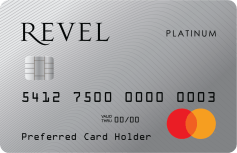
Revel® Platinum Mastercard®
Ongoing APR:35.90% Fixed
Rewards:
N/A
Annual Fee:$49 - $125
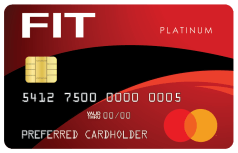
FIT™ Platinum Mastercard®
Ongoing APR:35.90% Fixed
Rewards:
N/A
Annual Fee:$99 first year; $125 thereafter

Credit One Bank® Secured Card
Ongoing APR:29.74% Variable
Rewards:
1% (cash back)
Earn 1% cash back rewards on eligible gas, grocery purchases and mobile phone, internet, cable and satellite TV services. Terms apply.
Annual Fee:$0
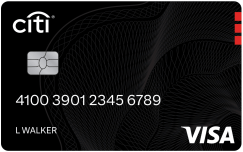
Costco Anywhere Visa® Card by Citi
Ongoing APR:18.99% - 26.99% (Variable)
Rewards:
1% - 5% (cash back)
Earn 5% cash back rewards on gas at Costco and earn 4% cash back on other eligible gas and electric vehicle (EV) charging purchases for the first $7,000 combined spend per year, and then 1% thereafter. 3% cash back on restaurants and eligible travel purchases and eligible travel, including Costco Travel. 2% cash back on all other purchases from Costco and Costco.com. 1% cash back on all other purchases.
Annual Fee:$0
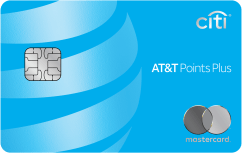
AT&T Points Plus® Card from Citi
Intro bonus:
$200
Earn a $200 statement credit after you spend $1,000 on purchases in the first 3 months of account opening.
Ongoing APR:19.74% - 27.74% (Variable)
Rewards:
1x - 3x (Points per dollar)
Earn 3 ThankYou® Points for every $1 spent at gas and EV charging stations. Earn 2 ThankYou® Points for every $1 spent at grocery stores and 2 ThankYou® Points for every $1 spent on AT&T products and services. Earn 1 ThankYou® Point for every $1 spent on all other purchases.
Annual Fee:$0

Credit One Bank® Wander® American Express® Metal Card
Ongoing APR:29.74% Variable
Rewards:
1% - 10% (cash back)
Earn 5% cash back rewards on eligible dining, gas, & travel purchases, 1% cash back rewards on all other purchases, and 10% cash back rewards on eligible hotel and car rentals booked using the Credit One Bank travel partner. Cash back rewards will be awarded as rewards points redeemable for a statement credit, gift cards, travel, and more. Terms apply.
Annual Fee:$95

Credit One Bank® Premier American Express® Unlimited Rewards Card
Ongoing APR:29.74% Variable
Rewards:
1% (cash back)
Earn unlimited 1% cash back rewards on all purchases, terms apply
Annual Fee:$0
GO REWARDS® Credit Card
Ongoing APR:9.99% - 18% Variable
Rewards:
1x - 3x (Points per dollar)
When you open a GO REWARDS account, you'll earn 3x points on restaurants, 2x points on gas and 1x point on everything else
Annual Fee:$0
See all our best credit cards for 2026.
Frequently Asked Questions
Improve Your Credit Score and Consider New Cards
Check your Experian credit report and scores for free and find out what's impacting your score the most. You can also use the free credit report and score monitoring to track your progress as you improve your score.
Also, consider whether applying for a new card rather than increasing your current card's credit limit could help you reach your goals. A new card's intro bonus or promotional interest rates might even make it a better option at times. You can use Experian's free card comparison platform to get credit card offers based on your unique credit profile.
Don’t apply blindly
Apply for credit cards confidently with personalized offers based on your credit profile. Get started with your FICO® Score for free.
See your offers
About the author
Gayle Sato
Gayle Sato writes about financial services and personal financial wellness, with a special focus on how digital transformation is changing our relationship with money. As a business and health writer for more than two decades, she has covered the shift from traditional money management to a world of instant, invisible payments and on-the-fly mobile security apps.
Read more from Gayle