
 By John Egan
Can I Break a Lease Early?
By John Egan
Quick Answer
You can break a lease early, but the financial fallout may be harsh if you do so for a reason that’s not legally protected.
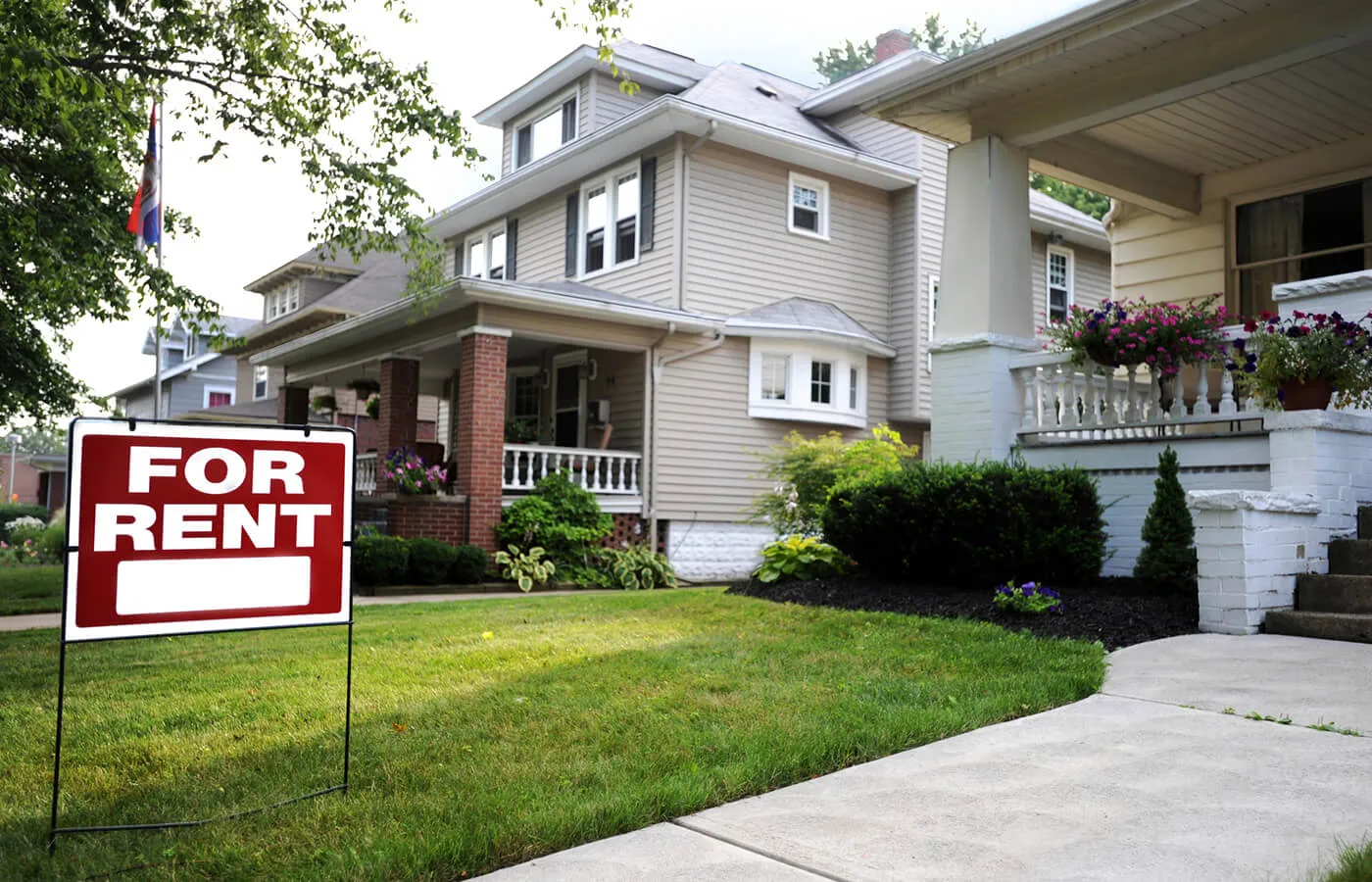
You can break your lease early, but your landlord may charge you a hefty penalty if your reasons aren't legally protected. Knowing your rights—and what reasons aren't covered—is key to protecting yourself financially.
Here's what you need to know before breaking a lease for an apartment or another rental property.
Can I Break My Lease Early?
While you can break a lease before it expires, you might not be legally protected when you do. And regardless of the reason for breaking the lease, the landlord might require you to pay rent until a new tenant moves in or the lease ends. Why? Because breaking a lease before it expires means you're breaking a legal contract.
When You May Be Able to Break a Lease Without Legal Consequences
Laws about breaking leases early differ from state to state and even city to city. Here are some of the situations when you might be allowed to break a lease without legal consequences:
- You're a member of the military who's being deployed or permanently relocated.
- The landlord hasn't made a repair—normally tied to health and safety—within a given period of time. For instance, a faulty electrical outlet remains dangerous or a front door lock still doesn't work.
- The landlord hasn't installed, inspected or fixed a smoke detector.
- You're a survivor of domestic violence and need to move for your safety.
- You have been stalked or sexually abused.
- A landlord or one of their employees has harassed you. For instance, a maintenance worker regularly makes lewd comments to you, but your complaints about the harassment haven't been addressed.
- The landlord hasn't given you accurate, updated information about the property's ownership and management.
Other Ways You May Be Able to Break Your Lease Early
State and local laws might not protect a number of reasons for breaking a lease, such as dealing with constant noise or frequently fighting with an angry neighbor. However, a landlord might let you break your lease for a non-legal reason, such as your employer transferring you to a city a specific distance away. This sort of leeway varies from landlord to landlord.
It's worth noting that you may be able to negotiate with your landlord to be released from your lease before it ends. This could let you avoid financial penalties and future rent payments.
Tip: Be sure to review the cancellation rules of your lease. For instance, the landlord may allow you to break the lease early if you give a 60-day written notice and pay two months' rent before moving out.
What Happens if You Break an Apartment Lease Early?
If you break a lease early, especially if the reason isn't legally protected, you might:
- Need to pay your rent until the property is leased to a new tenant or the lease ends
- Lose your security deposit
- Face an early termination fee
- Hear from a debt collector about unpaid rent
- Be hit with a lawsuit filed by your landlord
- Be unable to rent from other landlords
- Find negative information on your credit report
How to Get Out of a Lease Early
Canceling a lease early can be straightforward or challenging. To avoid trouble, follow these six tips.
1. Review the Lease
Before telling your landlord about your intent to cancel your lease, read the contract to make sure you understand your rights and responsibilities. You might find that the contract offers some wiggle room.
If you can't find your copy of the lease, ask your landlord for one.
2. Look Into Legal Assistance
Since lease contracts are legal documents, it can be hard to figure them out. If you're uncertain about any of the language in the lease, you may want to contact a tenants' rights group or legal aid organization.
3. Notify the Landlord
Whatever you do, don't delay informing your landlord in writing that you're moving out before the lease expires. A landlord might require a 30-day notice for a month-to-month lease. You also may need to supply documentation about the move, such as orders for a military deployment.
4. Search for a New Tenant
You might gain an edge with your landlord if you can find a new tenant who will sign a lease for the apartment you're vacating. This may prompt the landlord to reduce or even eliminate penalties for early termination of the lease.
5. Consider a Sublease
Some landlords might let you sublease your apartment. In this situation, a different tenant would pay the rent and live in the apartment for the remainder of your lease.
However, subleases might not be permitted by local law, or your landlord might not allow them.
6. Consider Hiring an Attorney
If your landlord threatens to sue you over a broken lease, you might want to hire an attorney who's familiar with tenants' rights. Even though an attorney will charge for their services, you might end up saving money if the lawyer can help you avoid legal trouble.
Does Breaking a Lease Hurt Your Credit?
Landlords usually don't report rent payments to credit bureaus because rent isn't a type of debt or credit. If your landlord doesn't report payments, a broken lease won't automatically show up on your credit reports.
But if you owe past-due rent related to the broken lease and the landlord sends your debt to a debt collector, this will normally be reported to credit bureaus (Experian, TransUnion or Equifax), and your credit reports will show the amount you owe.
This information will remain on your credit reports for up to seven years and could hurt your credit scores. Payment history, such as a debt being turned over to a debt collector, is the most important factor in computing credit scores.
Other Ways a Broken Lease Can Hurt You
In addition to how it affects your credit report, a broken lease can appear on a document called a tenant screening report, which is not connected to a credit report.
A tenant screening report covers your history as a tenant. Information in the report may include broken leases and your payment record. This negative information might make it harder to qualify for a lease in the future.
Frequently Asked Questions
The Bottom Line
Breaking an apartment lease early is possible, but doing so might trigger financial penalties unless the reason is legally protected under state or local law. Certain situations—such as military deployment, unsafe living conditions or domestic violence—might enable a tenant to break a lease without consequences. Otherwise, you may owe rent or fees. Before deciding to break a lease, review the contract and go over potentially helpful options such as finding a new tenant or subletting your apartment.
Instantly raise your FICO® Score for free
Use Experian Boost® to get credit for the bills you already pay like utilities, mobile phone, video streaming services and now rent.
No credit card required

About the author
John Egan
John Egan is a freelance writer, editor and content marketing strategist in Austin, Texas. His work has been published by outlets such as CreditCards.com, Bankrate, Credit Karma, LendingTree, PolicyGenius, HuffPost, National Real Estate Investor and Urban Land.
Read more from John