
 By Ben Luthi
How Does Opening Multiple Rewards Credit Cards Affect My Credit?
By Ben Luthi
Using multiple rewards credit cards can help you squeeze the most value out of every purchase. But opening several cards can affect your credit in both good and bad ways. If you're thinking about expanding your wallet, here's what to keep in mind.
How Does Opening Multiple Credit Cards Impact My Credit?
Because credit cards are a form of revolving credit, they can impact your credit score in many ways, especially if you're carrying multiple cards. From the moment you apply for a new card through your ongoing use of it, various factors come into play that can either help or hurt your credit.
Hard Inquiries
Credit checks associated with applications for credit typically result in a hard inquiry appearing on your credit report. In general, an additional hard inquiry on your credit report won't impact your credit score much.
However, because credit card applications don't benefit from the rate-shopping windows that apply to certain types of loans, each application is typically counted as a separate hard inquiry. In other words, if you apply for multiple credit cards at the same time or in short succession, the negative impact can be compounded and hurt your score more.
As a result, it's best to space out your credit card applications and avoid unnecessary inquiries.
Length of Credit History
Your credit score takes into account how long you've had credit and the average age of your credit accounts. New accounts can bring down this average, which can potentially have a small effect on your score.
What's more, regularly opening new credit cards can make it difficult for your average account age to increase, as each new account brings down the average.
Credit Utilization
Opening multiple rewards cards can impact your credit score by affecting your credit utilization rate. This rate is calculated by adding up your credit card balances and dividing that figure by your total available credit across all your cards.
A high utilization rate can hurt your credit. However, if you open new rewards cards and add to your available credit without increasing your balances, your utilization rate will go down, which can help improve your credit score.
Things to Keep in Mind Before Applying for Rewards Cards
There are several different types of rewards credit cards, and each one has its own set of benefits and features. Here are some things to consider while you're shopping around:
- What types of rewards are offered? Credit card rewards fall into three main categories: cash back, points and miles. Within those categories are different reward structures and rates. Think about what you want from your new card, whether it's airline miles, hotel points, general travel rewards or cash back. In some cases, having a mix of different types can help you maximize your rewards.
- Will you be able to maximize rewards? The best way to maximize credit card rewards is to find cards with programs that complement each other. If gas and groceries are two of your top spending categories, you can find cards offering bonus rewards rates (often 3% or higher) in those areas. Most tiered rewards cards give you just 1% back on non-bonus spending, or once you've reached a spending limit. Pairing that card with one that has a 2% base rewards rate ensures you'll always earn at least 2% back on your purchases.
- Is there an annual fee? If you're fee-averse, you may want to stick with no-annual-fee credit cards. However, be sure to compare each card's benefits against any potential annual costs. In many cases, you can get far more value every year than what you're paying in fees, even compared with a similar card with no annual fee.
- When do rewards expire? In most cases, your rewards won't expire as long as your account is open and in good standing. Some airline and hotel rewards programs are exceptions, though you can usually prevent expiration by earning or redeeming points or miles regularly. Check the expiration policy to ensure you don't forfeit your rewards.
Earn rewards for your spending
See your top credit card matches based on your credit profile and spending habits.
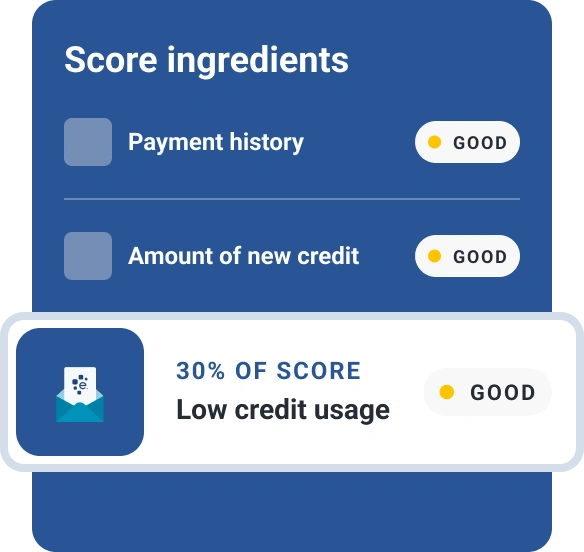
Get the right card to earn cash back or points on your purchases and maximize your perks.
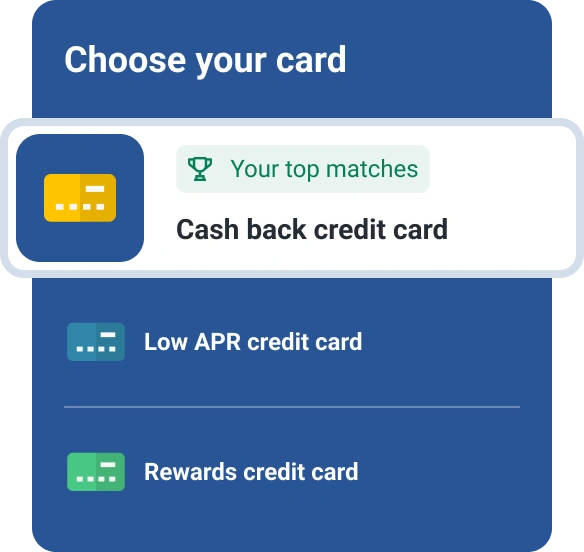
Apply for rewards cards matched for you and that you’re more likely to qualify for.

How to Choose the Best Rewards Card
There's no single best rewards credit card that works for everyone, so it's important to know what you're looking for. Here are three factors to consider as you shop around:
- Credit score: Most of the best rewards cards are reserved for applicants with good or excellent credit. According to FICO, this starts at a score of 670, but card issuers may prefer applicants to have a higher score for cards with the most perks and benefits. If your credit score isn't where it needs to be for the card you want, consider taking some time to improve it before you apply.
- Spending habits: To maximize rewards, you'll want to pick cards that offer the most value on your biggest spending categories. Review your expenses from the past few months to see where most of your money goes. This will help you identify the cards that are best tailored to how you plan to use them.
- Lifestyle: Some credit cards offer benefits beyond rewards that can enhance your lifestyle. For example, many travel credit cards include travel- and dining-related perks that can save you money. Some premium travel cards even offer airport lounge access, elite status and more.
Learn more: Are Credit Card Rewards Worth It?
How to Use a Credit Card Responsibly
There's nothing wrong with using credit cards to meet your rewards goals, but it's crucial to develop good credit habits to avoid potential pitfalls. Here are some ways to use your cards responsibly:
- Use a budget. Credit cards make it easy to carry a balance from month to month, but if you're working with a budget, you'll find it easier to avoid spending money you don't have and keep your finances on track.
- Pay on time and in full. Credit cards charge relatively high interest rates, but if you pay your entire statement balance by the due date every month, you won't have to worry about interest charges at all. Consider setting up automatic payments to ensure you never miss a due date.
- Keep your balances low. Your credit utilization is an important factor in your credit score. Some experts recommend keeping it below 30%, but the lower it is, the better. You can keep your utilization rate low by making multiple payments throughout the month or using a mix of credit cards, your debit card and cash to avoid racking up a high balance.
- Monitor your statements regularly. Review your credit card statements each month to catch unauthorized charges, billing errors or signs of fraud early. This habit also helps you stay aware of your spending patterns and ensures you're getting the rewards you've earned.
Learn more: Should I Pay Off My Credit Card in Full or Over Time?
Frequently Asked Questions
The Bottom Line
Whether you're thinking of applying for a new credit card now or at some point in the future, it's critical that you maintain a good credit score to improve your chances of getting the card you want.
Check your FICO® ScoreΘ for free to know where you stand, and consider also reviewing your credit report to see if there are areas that you need to address. The process of improving credit can take time. But with credit cards, the reward is having a wider selection of options from which to choose.
Get the rewards you deserve
Cash back? Miles? Points? Whatever suits your goals, we can help match you to personalized rewards card offers. Start with your FICO® Score for free.
See your offers
About the author
Ben Luthi
Ben Luthi has worked in financial planning, banking and auto finance, and writes about all aspects of money. His work has appeared in Time, Success, USA Today, Credit Karma, NerdWallet, Wirecutter and more.
Read more from Ben