
Top 6 Money Resolutions for 2026

Quick Answer
The new year is a natural time to freshen up your finances. Some money resolutions to consider in 2026 include assessing your financial health, paying off high-interest debt, revamping your budget and improving your credit.

As 2025 comes to a close, it's a natural time to consider ways to save more, spend less, pay off debt or all of the above. Enter New Year's resolutions. Among those who made New Year's resolutions in 2025, some 65% considered a financial resolution, according to Fidelity's 2025 Financial Resolutions Study. The resolution to save more money was one of the more common financial resolutions, with most Americans focused on short-term savings goals.
If the Federal Reserve continues to cut interest rates in 2026, that could encourage consumers to jump on financial goals that may have seemed out of reach, such as buying a home. But even if rates don't drop meaningfully, or the Fed's actions don't change your plans, there are plenty of ways to use the new year as a time to freshen up your finances. Here are some resolutions to consider.
1. Assess Your Financial Health
This year saw continued layoffs across industries like tech, media and banking, and signs that point to a weakening job market. Even if you feel secure in your job, it's always smart to shore up your financial health in case of unexpected expenses or a health crisis. Build your financial resilience with these goals:
- Boost your emergency fund. To ensure financial stability, there isn't any replacement for a flush emergency fund. Ideally, you'll save enough cash to cover your basic needs for three to six months. But set a small goal and prioritize learning how to build your emergency fund strategically if you're starting from scratch.
- Focus on professional development. Take steps to make yourself an indispensable contributor to your industry. This can help you when job searching in the future or if you plan to ask for a raise at your current gig. Update your resume and LinkedIn profile, attend industry networking events and look into getting an in-demand online certification.
- Get financial advice. If you're unsure of how to plan financially for the year ahead (and beyond), consider reaching out to a reputable financial advisor or certified credit counselor. Your goal isn't just to make it through the year in one piece—it's to thrive financially long term.
Learn more: Steps to Build an Emergency Fund
2. Pay Off High-Interest Debt
The average consumer credit card balance grew to $6,730 in the third quarter of 2024, according to Experian data. That's an increase of $820 since 2022. Credit card debt tends to charge significantly higher rates than mortgages or auto loans.
If you have outstanding debt, make 2026 the year you bring it down. Here are some tips:
- Consolidate your debt. You may be able to save on interest by consolidating your debt with a balance transfer credit card or debt consolidation loan. You'll typically need good credit to qualify for these options.
- Talk to a credit counselor. Depending on your circumstances, you may choose to negotiate down your credit card interest rates with the help of a debt management plan through a nonprofit credit counseling agency.
- Choose a DIY method. You can pay off the debt on your own using a strategy like the debt snowball or avalanche methods. To keep yourself motivated, give yourself small rewards every time you delete a debt.
Save with an intro 0% APR balance transfer
See the best credit card offers you’re more likely to qualify for.
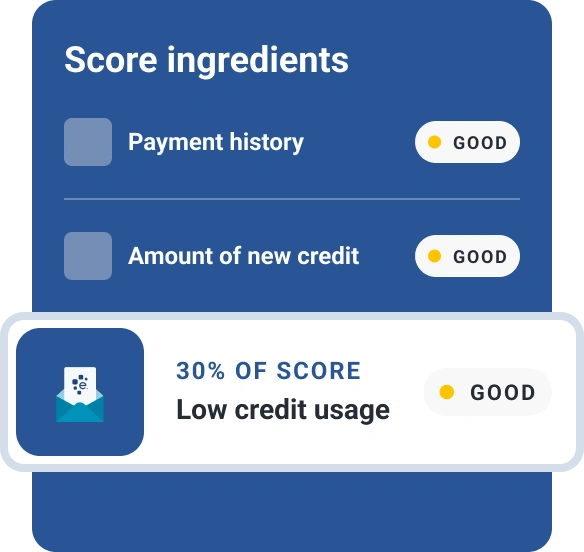
Pick from top balance transfer cards with lengthy intro 0% APR periods on balance transfers.
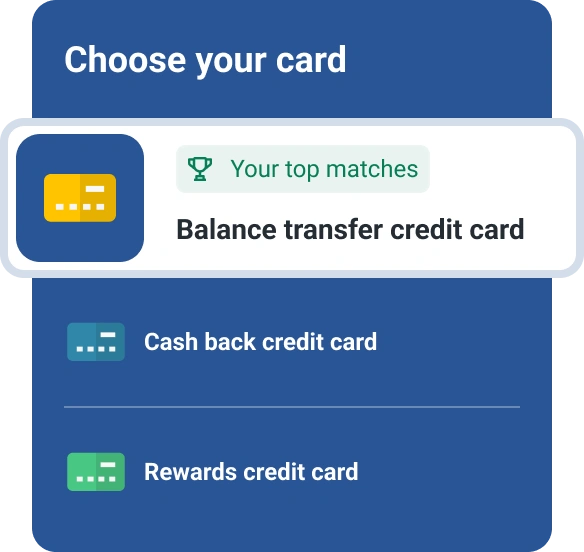
Apply and pay off high-interest credit card debt at a lower interest rate.

3. Revamp Your Budget
Evaluate whether your budget is working for you, if you have one. If you haven't yet tried setting and following a specific budget plan, give a strategy like the 50/30/20 budget a try. Here are some tips on refreshing your budget:
- Ask the right questions. Start by considering whether you're currently content with how much you're saving and how much is going toward existing debts. Do you have enough to pay the bills, and enough to enjoy yourself and pursue your hobbies? If not, increasing your income or reducing expenses are good places to start.
- Pick a budgeting strategy you'll stick with. Depending on your personality and goals, a classic budget spreadsheet, an app or the hands-off pay-yourself-first method may work better. Be honest about which one you're most likely to stick with and give yourself permission to change tactics if it's not working.
- Set specific saving and spending goals. Start with your savings goals—like building up an emergency, retirement, down payment or college savings fund—and decide how much to set aside each month to meet them. Then look at your expenses and decide how much to budget for each category.
- Stay flexible. A budget is meant to change and adapt to your current circumstances. Revisit your budget with every big life event, like marriage, the birth of a baby, divorce or a job change.
Learn more: Types of Budget Plans to Know About
4. Give Your Insurance Coverage a Checkup
Conduct a personal insurance audit each year. That way, you can make sure you're still getting the best rates and have the right type of coverage for you. Take a look at each of these types of insurance in 2026:
- Life insurance: If you have dependents or substantial assets in your name, life insurance is essential. The amount of coverage you need depends on your income, assets, debts and your family's specific circumstances.
- Car insurance: Even if you already have auto insurance, seek out new quotes once or twice a year to make sure you have the cheapest policy you qualify for. You can try Experian's tool for comparing auto insurance quotes and also explore car insurance discounts.
- Homeowners insurance: The same goes for homeowners insurance. Whether you bought a new home, you refinanced or you've had the same policy for a while, compare options across several insurers to find the best price and coverage out there.
When buying new insurance, you might first consider a policy through a company where you're already a customer in case any discounts, such as bundling your auto and home insurance, are available. Then compare your quote with multiple other insurers so you're not missing out on a better deal.
5. Boost Your Retirement Savings
Saving for retirement is crucial, especially because Americans are expected to need more savings than ever to retire comfortably. Try these ways to ramp up retirement savings:
- Deposit one-time windfalls. Put your tax refund or signing bonus at a new job directly into your 401(k) or individual retirement account (IRA).
- Use your employer match. If you're not already taking advantage of an employer match in your workplace retirement plan, save at least as much to capture that match. And if you're looking for a new job, prioritize offers from employers that offer strong retirement savings options, including matching contributions.
- Save even without access to a 401(k). You can still set aside money for retirement as a self-employed individual or when you're between jobs and aren't sure when you'll be employed full-time again. Options include a solo 401(k) or a traditional or Roth IRA.
- Make a personal savings goal. Take a look back at your budget to double-check how much you can afford to save for retirement, and calculate how much you'll likely need. Many experts say it's ideal to set aside 10% to 15% of your pretax income each year.
Learn more: How Long Will My Retirement Savings Last?
6. Improve Your Credit
The average FICO® ScoreΘ in the U.S. is 715, according to the latest Experian data. That's solidly in the good credit range, which can mean lower interest rates on loans, access to premium credit cards and lower car insurance rates in states where insurers use credit-based insurance scores to provide quotes. Work on improving your credit with these strategies:
- Check your score regularly. You can check your FICO® Score for free from Experian anytime for a clear view of where you stand now. You'll see personalized insights into which factors in your score may need attention, such as your payment history, amounts owed or the length of your credit history.
- Make all credit payments on time. Payment history is the most important element of your credit score. Sign up for autopay or set reminders to make sure you never miss a credit card or loan payment.
- Take on only the credit you need. Avoid getting new forms of credit to limit your amounts owed, which is the second most important aspect of your score. That will also give you the best chance at paying down any debt you already have.
- Add payment history to your credit file. Consider using the Experian Boost®ø feature to add positive bill payments to your credit report, which could potentially help your FICO® Score based on Experian data.
The Bottom Line
In the transition to a new year, there's lots of potential to set and pursue financial goals. Keep that momentum going throughout 2026 by tracking your progress and celebrating when you hit a milestone, such as saving a certain amount, paying off debt or reaching a certain credit score. Be kind to yourself if you don't quite reach the goals you've aimed for, and know that there's no wrong time to set new goals in pursuit of the financial life you've dreamed of.
What makes a good credit score?
Learn what it takes to achieve a good credit score. Review your FICO® Score for free and see what’s helping and hurting your score.
Get your FICO® ScoreNo credit card required

About the author

Brianna McGurran
Brianna McGurran is a freelance journalist and writing teacher based in Brooklyn, New York. Most recently, she was a staff writer and spokesperson at the personal finance website NerdWallet, where she wrote "Ask Brianna," a financial advice column syndicated by the Associated Press.
Read more from Brianna