
What Is a Strategic Foreclosure?
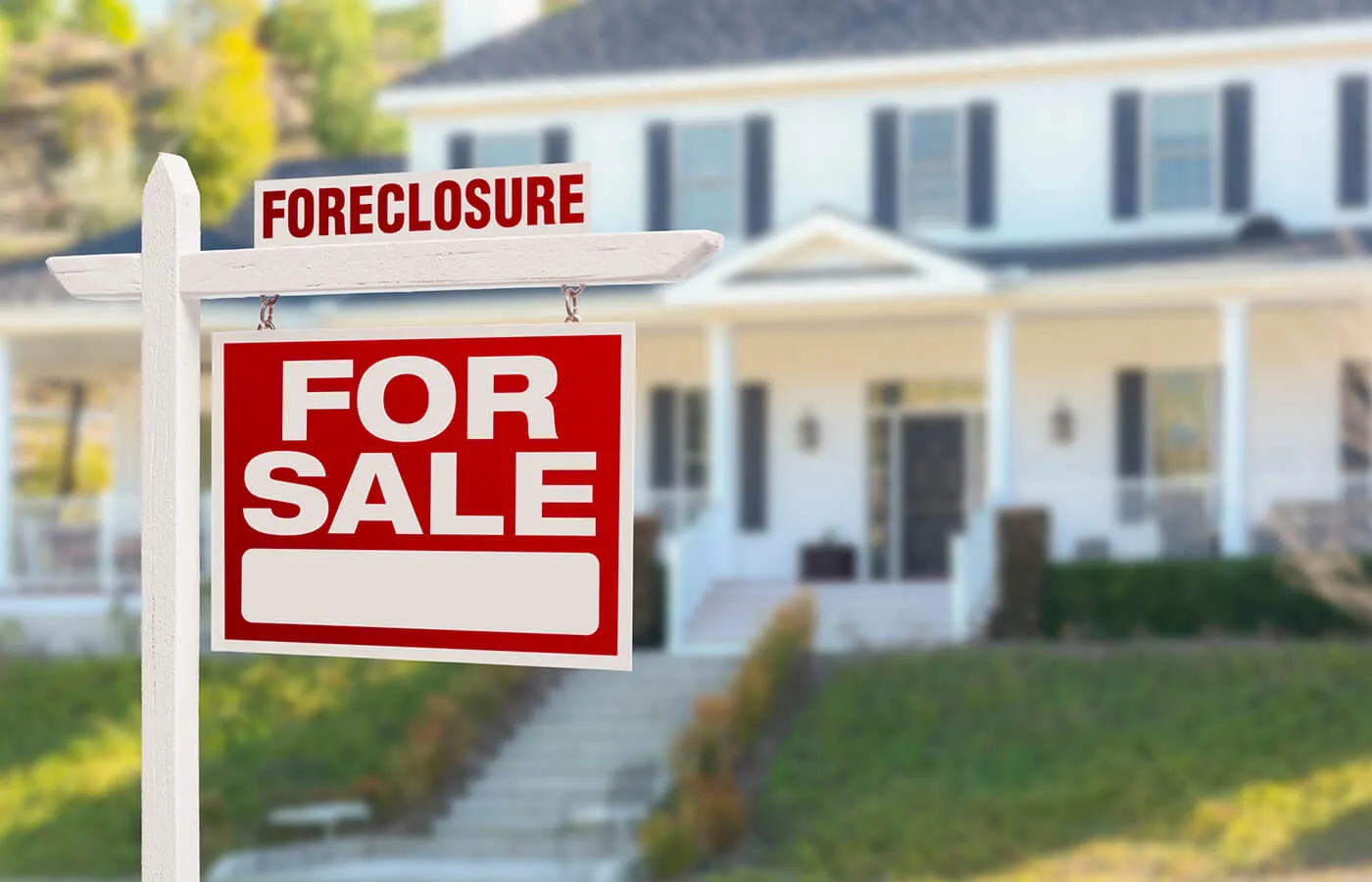
A strategic foreclosure, also called a strategic default, happens when you're able to make your mortgage payments but choose not to. For some homeowners, it's a last-resort option that allows them to walk away from a bad investment. Doing so can have a severe impact on your credit, however, and make it harder to qualify for a new mortgage in the future. Here's what you need to know about strategic foreclosures so you can determine if it's a wise financial move.
What Does It Mean to Walk Away From Your Home Loan?
When you take out a home loan, you agree to make your monthly mortgage payments until the balance is paid off. A traditional foreclosure happens when a borrower can no longer afford their payments, but strategic foreclosures are done voluntarily.
You may be considering strategic foreclosure if you're upside down on your mortgage. This is when the amount you owe is greater than the home's value and might happen if:
- Your local market favors buyers over sellers
- Mortgage rates are on the rise
- Your home needs significant repairs or updates
If you're losing money on your mortgage, a strategic foreclosure can allow you to cut your losses. You can redirect your loan payments toward other debts or your savings account until the bank eventually seizes the property. But be aware that this strategy has serious financial repercussions.
How Does Walking Away From Your Mortgage Affect Your Credit?
A mortgage foreclosure can have long-lasting effects on your credit. For one, it will stay on your credit reports for seven years from the date of your first missed payment—and there's no way to have it removed sooner. Those missed payments alone can reduce your credit scores by over 100 points.
The negative impact will be strongest within the first few months and years of the foreclosure. Your scores will probably take a bigger hit if there are other negative entries on your credit report, such as late payments or other delinquent accounts.
Pros and Cons of Walking Away From Your Mortgage
Opting for a strategic default is a serious decision. Here are some important benefits and disadvantages to consider beforehand.
Pros
-
It can give you an out. If your property value is declining, a strategic foreclosure could prevent further losses and allow you to walk away from the investment.
-
It can free up cash. When you stop making your mortgage payments, you can use that money to pay down debt, invest in other things or shore up your cash reserves. That can put you in a stronger position to buy another home in the future (once your credit recovers, that is).
Cons
-
You might still owe money. After seizing the property, the bank will likely sell it to recoup their losses. In some cases, you may be obligated to pay the difference between your outstanding loan balance and the final sale price. This is called a deficiency balance. If your lender forgives this balance, the amount might still be considered taxable income.
-
It can be difficult to qualify for another mortgage. In terms of the credit impact, foreclosure is right behind bankruptcy. Mortgage lenders may be hesitant to work with you if you've defaulted on a past home loan, especially if it happened recently. Others may charge you a higher interest rate or extra fees to offset the lending risk.
Alternatives to Walking Away From Your House
Below are some options that could help you avoid a strategic loan default:
- A short sale: This is when the lender allows you to sell your home for less than you owe. Short sales do have a negative impact on your credit, but it's not as significant as a foreclosure. Another option is a deed in lieu of foreclosure, which is when you transfer ownership to the lender.
- Refinancing: If you're tied to a high-interest loan, refinancing could get you a better rate and allow you to build home equity faster—especially if you switch to a shorter repayment term.
- Making home improvements: Upgrading your home could increase its value and help you rebalance an upside down loan. A minor kitchen remodel, for example, could lead to a higher sale price.
- Working with a nonprofit organization: If you're struggling financially, a nonprofit credit counselor can help you create a budget and be strategic about debt repayment. That might involve a debt management plan, which is when the credit counseling agency negotiates with creditors on your behalf. This approach could free up money to put toward the principal balance of your mortgage.
The Bottom Line
If walking away from your home is your only option, a strategic default may be the best last resort. But you can expect your credit to suffer as a result—and that could affect your ability to buy another home in the future. Understanding your credit health is key. You can check your credit report and FICO® ScoreΘ for free from Experian.
Curious about your mortgage options?
Explore personalized solutions from multiple lenders and make informed decisions about your home financing. Leverage expert advice to see if you can save thousands of dollars.
Learn moreOn Ownup.com (NMLS# 1450805)

About the author

Marianne Hayes
Marianne Hayes is a longtime freelance writer who's been covering personal finance for nearly a decade. She specializes in everything from debt management and budgeting to investing and saving. Marianne has written for CNBC, Redbook, Cosmopolitan, Good Housekeeping and more.
Read more from Marianne