
What Is Credit Card Churning?

Quick Answer
Credit card churning is when you repeatedly open credit cards to game the system and earn multiple intro bonuses. This is a risky behavior and can jeopardize your accounts and credit.

Credit card churning is when people repeatedly open credit cards to earn intro bonuses. Card issuers often offer large intro bonuses to new cardholders, and some people try to game the system by opening cards, earning the bonus and moving on to the next card.
While not illegal, credit card churning is controversial. The practices involved in churning could hurt your credit and there could also be repercussions from card issuers. Here's what you need to know.
How Credit Card Churning Works
Before credit card issuers put systems in place to stop the practice, churners would open multiple credit cards in quick succession, earn the intro bonus for each new account and then close or stop using the cards.
A few months later, churners would start again with another round of applications. While they had to meet the minimum spending requirements to earn the intro bonuses, they would use tricks to accomplish that as well.
Credit card churning still happens, but many credit card issuers have updated the terms and conditions for their credit cards and rewards programs to stop it, or at least make it harder and less lucrative for churners.
Learn more: The Do's and Don'ts of Credit Card Intro Bonuses
Is Credit Card Churning Illegal?
There are no laws against credit card churning. That said, issuers create restrictions to discourage it. Possible restrictions might include:
- Chase 5/24: Though unofficial, the Chase 5/24 rule prohibits people who have opened five or more cards (including non-Chase cards) in the past 24 months from opening a new Chase consumer credit card.
- American Express once per lifetime: You might only be able to get an intro bonus on American Express cards once. If you're considering one of these cards, you may want to look up how the current intro offer compares to previously available offers.
- One intro bonus every so many months: Many credit cards have a rule that you can only earn an intro bonus if you don't currently have the card and haven't earned the intro bonus for the card in the past 24 to 48 months. You might qualify for an intro bonus again if you cancel your card and wait until that period ends.
- One intro bonus per card family: Some card issuers apply the once every certain number of months rule to an entire card family—cards that are part of the same rewards program and often have similar names.
The companies' policies—and exceptions to the policies—can also change at any time. And intro bonuses aside, some card issuers also limit how many new cards you can get within a specific period and how many cards you can have at one time.
The Drawbacks of Credit Card Churning
Even if you're up for investing your time in learning and navigating all the card issuers' rules, there are also potential downsides to consider:
- Banks may close your accounts. Card issuers may close your credit card (and you'll forfeit your rewards) if they think you're gaming their program. There have even been cases of banks closing cardholders' checking and savings accounts as well.
- The card issuer can take back your rewards. You might earn rewards only to have the issuer take back the points or miles. If you have a negative rewards balance, any new rewards you earn could go toward bringing that back to zero.
- You risk damaging your credit. Although opening one new credit card isn't necessarily bad for your credit, there are more potential credit downsides to opening multiple cards, such as having many hard inquiries on your credit report (more on that below).
- You could accrue debt. You might have a plan for making the minimum required purchases and paying off the balance. However, an emergency expense or lost job could leave you without the means to pay off the debt, and rewards cards tend to have high interest rates.
- You could jeopardize future loan applications. Opening new credit accounts might not be a good idea if you plan on applying for a significant loan, such as an auto loan or mortgage, in the next few months.
Be aware: Credit card rewards can be a great way to save on your credit card bill or help pay for travel. But, because of the rules and risks above, churning is best avoided.
Best rewards cards of 2026
Compare cards from our partners that earn points, cash back or miles on everyday spending.
Offers from our partners
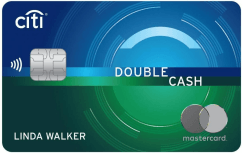
Citi Double Cash® Card
Intro APR:0% for 18 months on Balance Transfers
Ongoing APR:17.49% - 27.49% (Variable)
Rewards:2% (cash back)
Annual Fee:$0

Discover it® Chrome
Intro bonus:Cashback Match™
Intro APR:0% intro APR for 6 Months on Purchases and 0% intro APR for 18 Months on Balance Transfers
Ongoing APR:17.49% - 26.49% Variable APR
Rewards:1% - 2% (cash back)
Annual Fee:$0

Avant® Cashback Rewards Mastercard®
Ongoing APR:29.99%*
Rewards:2% (cash back)
Annual Fee:$0*

Credit One Bank American Express® Card for Rebuilding Credit
Ongoing APR:29.74% Variable
Rewards:1% (cash back)
Annual Fee:$75 First year. $99 thereafter, billed monthly at $8.25
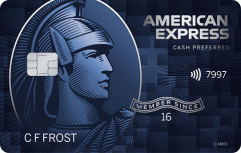
Blue Cash Preferred® Card from American Express
Intro bonus:As High As $300 Cash Back. Find Out Your Offer.
Intro APR:0% on Purchases and Balance Transfers for 12 months
Ongoing APR:19.49%-28.49% Variable
Rewards:1% - 6% (cash back)
Annual Fee:$0 intro annual fee for the first year, then $95.

American Airlines AAdvantage® MileUp® Card
Intro APR:0% for 15 months on Balance Transfers
Ongoing APR:19.49% - 29.49% (Variable)
Rewards:2x (Miles per dollar)
Annual Fee:$0

Credit One Bank® Secured Card
Ongoing APR:29.74% Variable
Rewards:1% (cash back)
Annual Fee:$0
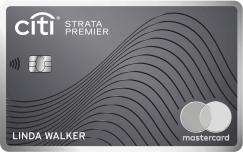
Citi Strata Premier® Card
Intro bonus:60,000 Points
Ongoing APR:19.49% - 27.49% (Variable)
Rewards:1x - 10x (Points per dollar)
Annual Fee:$95

Costco Anywhere Visa® Card by Citi
Ongoing APR:18.74% - 26.74% (Variable)
Rewards:1% - 5% (cash back)
Annual Fee:$0
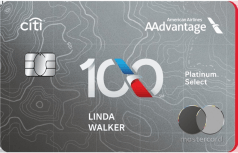
Citi® / AAdvantage® Platinum Select® World Elite Mastercard®
Ongoing APR:19.49% - 29.49% (Variable)
Rewards:2x (Miles per dollar)
Annual Fee:$99, waived for first 12 months

Avant® Cashback Rewards Mastercard®
Ongoing APR:35.99%*
Rewards:1% (cash back)
Annual Fee:$75*
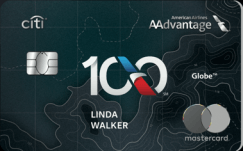
Citi® / AAdvantage® Globe™ Mastercard®
Ongoing APR:19.49% - 29.49% (Variable)
Rewards:1x - 6x (Miles per dollar)
Annual Fee:$350

Avant® Cashback Rewards Mastercard®
Ongoing APR:35.99%*
Rewards:1% (cash back)
Annual Fee:Introductory fee of $75 for the first year. After that, $99 annually.*

Credit One Bank® Platinum X5 Visa® Metal Card
Ongoing APR:29.74% Variable
Rewards:1% - 5% (cash back)
Annual Fee:$95

First Progress Prestige Secured Mastercard® Cash Back Rewards
Ongoing APR:13.49% Variable
Rewards:1% - 10% (cash back)
Annual Fee:$49

Credit One Bank® Platinum Visa®
Ongoing APR:29.74% Variable
Rewards:1% (cash back)
Annual Fee:$39

Hilton Honors American Express Card
Intro bonus:70,000 Points
Ongoing APR:19.49%-28.49% Variable
Rewards:3x - 7x (Points per dollar)
Annual Fee:$0

Discover it® Miles
Intro bonus:Discover Match®
Intro APR:0% intro APR for 15 months on Purchases and Balance Transfers
Ongoing APR:17.49% - 26.49% Variable APR
Rewards:1.5x (Miles per dollar)
Annual Fee:$0
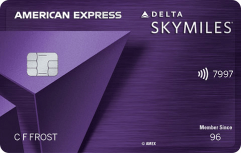
Delta SkyMiles® Reserve American Express Card
Intro bonus:As High As 100,000 Bonus Miles. Find Out Your Offer.
Ongoing APR:19.49%-28.49% Variable
Rewards:1x - 3x (Miles per dollar)
Annual Fee:$650
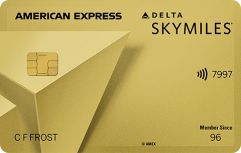
Delta SkyMiles® Gold American Express Card
Intro bonus:As High As 80,000 Bonus Miles. Find Out Your Offer.
Ongoing APR:19.49%-28.49% Variable
Rewards:1x - 2x (Miles per dollar)
Annual Fee:$0 introductory annual fee for the first year, then $150.

Credit One Bank® Premier American Express® Unlimited Rewards Card
Ongoing APR:29.74% Variable
Rewards:1% (cash back)
Annual Fee:$0
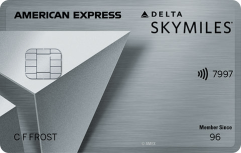
Delta SkyMiles® Platinum American Express Card
Intro bonus:As High As 90,000 Bonus Miles. Find Out Your Offer.
Ongoing APR:19.49%-28.49% Variable
Rewards:1x - 3x (Miles per dollar)
Annual Fee:$350

Hilton Honors American Express Surpass® Card
Intro bonus:130,000 Points
Ongoing APR:19.49%-28.49% Variable
Rewards:3x - 12x (Points per dollar)
Annual Fee:$150
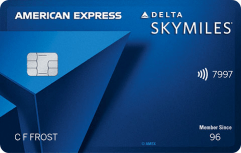
Delta SkyMiles® Blue American Express Card
Intro bonus:10,000 Miles
Ongoing APR:19.49%-28.49% Variable
Rewards:1x - 2x (Miles per dollar)
Annual Fee:$0
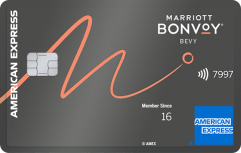
Marriott Bonvoy Bevy® American Express® Card
Intro bonus:175,000 Points
Ongoing APR:19.49%-28.49% Variable
Rewards:2x - 6x (Points per dollar)
Annual Fee:$250

One Key™ Card
Intro bonus:$250
Ongoing APR:XX.XX%, XX.XX%, or XX.XX% Variable APR
Rewards:1.5x - 3x (Points per dollar)
Annual Fee:$0

One Key+™ Card
Intro bonus:$350
Ongoing APR:18.49%, 23.49%, or 28.49% Variable APR
Rewards:2x - 3x (Points per dollar)
Annual Fee:$99
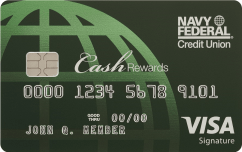
cashRewards Credit Card
Ongoing APR:10.65% - 18% Variable
Rewards:1.5% (cash back)
Annual Fee:$0

Avant® Cashback Rewards Mastercard® - With A Higher Credit Limit
Ongoing APR:35.99%*
Rewards:1% (cash back)
Annual Fee:$125*

Avant® Cashback Rewards Mastercard®
Ongoing APR:35.99%*
Rewards:1% (cash back)
Annual Fee:$75*
See all our best rewards credit cards for 2026.
How Can Credit Card Churning Affect Your Credit?
The potential impact on your credit is also complex enough that it's worth considering the various ways that opening multiple credit cards can impact your credit scores.
New Hard Inquiries
Each credit card application can lead to a new hard inquiry on one or more of your credit reports. Hard inquiries generally only hurt your credit scores a little, but multiple applications can increase the damage. And even if the card issuer rejects your application, the hard inquiries will stay on your credit report for two years.
Learn more: Does Applying for Credit Cards Hurt Your Credit?
Lowered Average Age of Accounts
Credit card churning can hurt your credit scores because each new account lowers the average age of your credit accounts. In general, a higher average age of accounts is best.
Be aware: Closed credit cards can continue impacting age-related scoring factors until they fall off your credit reports.
Impacted Credit Utilization Ratio
Opening many new credit cards can increase your available credit and lower your credit utilization rate, which may help your credit scores. However, making the purchases required to qualify for an intro bonus could cause your credit utilization to spike and drag your scores down.
Potential Late Payments
Credit card churning involves managing a lot of accounts, and could cause you to accidentally miss a payment. Your payment history is the single most impactful factor in determining your credit score. So, setting yourself up to pay your bills on time, every time is key to managing your credit well.
Late payments can lead to fees and penalties—but call the card issuer and try to get these waived if it's a one-time accident. If you miss the notices and fall 30 days behind, the card issuer may report the late payment to the credit bureaus, which could significantly hurt your credit scores.
Learn more: Late Credit Card Payment? Here's What to Do
How to Maximize Rewards Without Credit Card Churning
Although some people still try to churn credit cards to earn intro bonuses, managing multiple accounts and navigating the rules and risks is a lot of work. If you're not looking for a new part-time job, there are other ways to maximize rewards:
- Get complementary cards. Determine which common rewards categories, such as dining or travel, you spend the most money in each year and get a credit card that offers bonus rewards in that category. Then, get a good flat-rate rewards card for everything else.
- Use cards from the same issuer. If you get multiple credit cards from the same card issuer's rewards program, you may be able to move the rewards between your accounts. Plus, you can track your cards from the same online account.
- Review your cardholder benefits. Check your credit card's benefits and features to make sure you're not missing out on any of the perks.
Picking a couple cards that align with your spending and goals can be a simple and sustainable way to get great benefits from credit cards.
Tip: Review your rewards credit card choice every couple of years. As you consider how much utility you're getting out of your card, look at whether your spending habits have changed. Does the card you use the most still reward the bulk of your spending generously? It's also a good idea to look at new card releases from issuers to see what's available now.
Learn more: How to Manage Multiple Rewards Credit Cards
Improve Your Credit to Open New Options
Many of the best rewards cards—including those that offer the largest intro bonuses—require applicants to have good to excellent credit scores. Improving your credit can help you qualify for these cards, and it could save you thousands of dollars the next time you take out a loan.
If you're not sure where you're at, check your Experian credit report for free and review the included FICO® ScoreΘ. You can also monitor your credit and get insights into the factors that are helping and hurting your FICO® Score the most.
About the author

Louis DeNicola
Louis DeNicola is freelance personal finance and credit writer who works with Fortune 500 financial services firms, FinTech startups, and non-profits to teach people about money and credit. His clients include BlueVine, Discover, LendingTree, Money Management International, U.S News and Wirecutter.
Read more from Louis