
What Is New Car Replacement Insurance?

Quick Answer
New car replacement insurance pays to replace your car with a brand-new version of the same make and model if your vehicle is totaled. But you must meet certain requirements to qualify for coverage, and you’re responsible for paying the deductible.
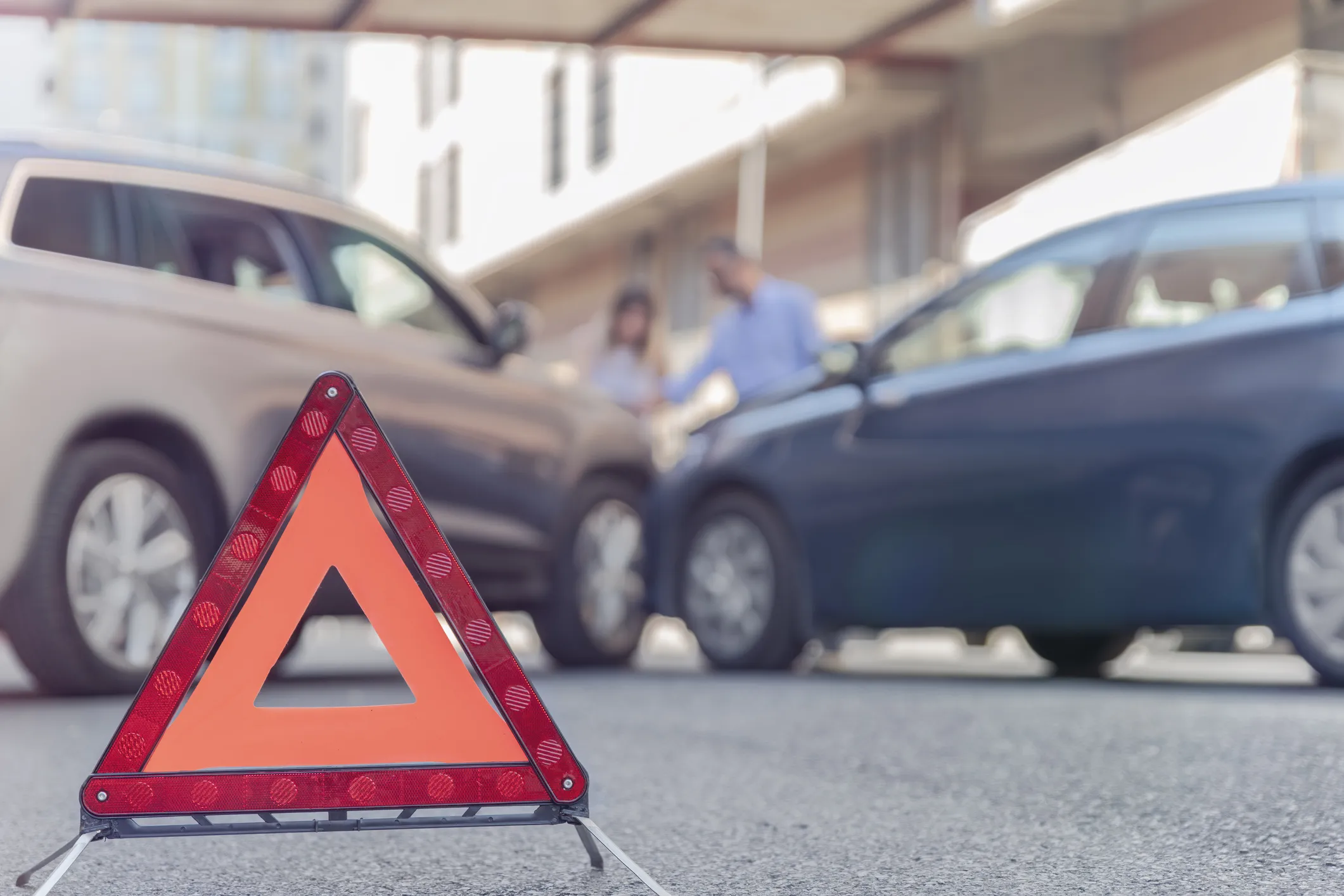
New cars begin depreciating as soon as you drive them off the lot. In fact, the average new car loses 16% of its value within one year and nearly 30% after two years, according to Kelley Blue Book.
If your vehicle is totaled soon after buying a new vehicle, a standard auto insurance policy will reimburse you up to the car's market value at the time of the accident—not the price you paid for it. That leaves you on the hook to make up the difference for a replacement if you don't have additional coverage.
New car replacement insurance covers the cost to replace your totaled vehicle with a brand-new one of the same make and model (minus your deductible). Here's what you need to know.
How Does New Car Replacement Insurance Work?
New car replacement insurance reimburses you for the cost, minus your deductible, of buying a new version of your damaged vehicle if it's totaled.
It isn't available from all insurers, but it can help protect against depreciation if your insurance company offers it and you're eligible for coverage. Without it, you'll only receive the actual cash value, not the replacement cost of your vehicle if the insurer declares it a total loss.
Example: Let's say you pay $40,000 for a new car, and 18 months later, it's totaled in an accident. If your vehicle is worth $32,000 at the time of the accident, your insurer will cut a check for $32,000, not $40,000.
Learn more: What's the Difference Between Replacement Cost and Actual Cash Value for Cars?
How Do You Qualify for a New Car Replacement?
To qualify for new car replacement coverage, you typically need to meet the following conditions:
- You must be the original owner; new car replacement coverage isn't available for leased vehicles.
- Your vehicle must meet the insurer's age and mileage requirements.
- You must maintain comprehensive and collision coverage on your vehicle.
Tip: Some insurance companies automatically remove the coverage from your policy when you're no longer eligible for benefits. If yours doesn't, set a reminder to cancel it when the insurer will no longer cover the loss, so you don't pay for expired coverage.
New Car Replacement Insurance vs. Gap Insurance
Gap insurance pays the difference between the depreciated value of your vehicle and what you owe on your loan or lease. It can be helpful if the insurance company declares your car a total loss and you owe more than it's worth.
Gap insurance won't help you buy a new car, but new car replacement insurance will. New car replacement coverage applies even if you don't have an auto loan or lease.
| New Car Replacement Insurance | Gap Insurance | |
|---|---|---|
| What it covers | The cost to buy a brand new car of the same make and model | The difference between the depreciated value of your vehicle and your loan or lease balance |
| When it applies | When the insurance company declares your car a total loss | When the insurance company declares your car a total loss |
| Vehicle eligibility | Varies by insurer; must meet age and mileage requirements | Usually required for leased vehicles; generally available for financed cars less than three years old |
| Cost | 5% to 10% of your premium | $90 per year, on average |
Learn more: Is Gap Insurance Worth It?
What Happens if Your Car Is Totaled?
If an accident leaves your car totaled, the insurer typically writes a check for what it's worth at the time of the accident. If you have an auto loan or lease, the insurance company will generally send the payout to the lender to cover the remaining balance.
If there's money left over or you own your vehicle outright, you'll receive a payment, which you can use to buy a new car. However, the insurance payout may not cover the full replacement cost because vehicles depreciate so quickly.
Example: Let's say you buy a new car for $35,000 and get in an accident a year later. At the time of the accident, the value of your vehicle was $29,400.Without new car replacement coverage, the insurance company will reimburse you $29,400—the vehicle's depreciated value—minus your deductible. But if you have new car replacement coverage, the insurer will cover the cost of getting a brand-new version of the totaled car.
How Much Does New Car Replacement Insurance Cost?
Adding new car replacement coverage to your policy generally increases your premium by 5% to 10%. Like other types of car insurance coverage, the cost for new car replacement insurance varies depending on multiple factors, including the car you drive, where you live, your driving history, age and more.
Rates may also vary among insurers, so shopping around and comparing multiple car insurance quotes is a good idea.
What Insurance Companies Offer New Car Replacement Insurance?
Below is a list of insurance companies that offer new car replacement insurance, but availability may vary by state. To find out if an insurer offers coverage where you live, contact the provider to confirm availability.
- Acuity: You may purchase new car replacement coverage if your car is no more than two model years old. However, you can receive benefits until the renewal date after your vehicle is five model years old. Coverage only applies if your car is totaled in an accident.
- Allstate: Cars that are two years old or newer may qualify for new car replacement coverage.
- American Family: Cars can be no more than one year old to qualify for new car replacement coverage.
- Amica: New car replacement coverage helps protect you if your vehicle is totaled during the first year you own it.
- Cincinnati: Coverage combines gap and new car replacement so you're not responsible for depreciation costs.
- Concord Group Insurance: You may purchase coverage that provides protection for the first one or two years you own your vehicle.
- Erie: New car replacement coverage is available for cars that are two years old or newer.
- Farmers: Vehicles that are two years old or newer and have 24,000 miles or less may qualify for new car replacement coverage. Eligibility requirements vary by state.
- Hartford: Coverage is only available to AARP members for the first 15 months (12 in North Carolina) and 15,000 miles.
- Liberty Mutual: New car replacement coverage is available on cars with fewer than 15,000 miles that are less than one year old. Coverage applies to vehicles stolen or totaled within the first year of ownership.
- Nationwide: Coverage is available for cars that are five years old or newer. Policyholders with cars that are one to two years old receive a brand-new replacement vehicle valued at up to 110% of the MSRP of the original vehicle. Those with cars that are three to five years old receive a replacement in ready-to-sell condition.
- Safeco: Coverage is available for original owners who have cars that are less than one year old with fewer than 15,000 miles.
- Shelter: Cars bought in the past 12 months with fewer than 15,000 miles are eligible for coverage.
- Travelers: New car replacement coverage applies during the first five years of ownership. To qualify, the vehicle must be the current or future model year when you purchase it.
Is New Car Replacement Insurance Worth It?
New car replacement coverage can provide extra peace of mind when buying a car, but you must decide whether the added cost is worth the comfort it brings. Here are some scenarios when coverage may be worth it and others when it might make sense to skip the added coverage.
When New Car Replacement Insurance Could Be Worth It
-
You bought a brand-new vehicle. Because vehicles depreciate so quickly, the actual cash value of your car may be less than what you paid if it's totaled soon after buying it.
-
You financed your purchase. If you took out an auto loan to buy your car, you must repay it if your car is totaled. New car replacement can help ease the financial burden of buying a new vehicle and paying off your loan at the same time.
-
You bought a car that doesn't hold its value. Some vehicles depreciate more quickly than others. New car replacement insurance means you don't have to cover the difference between the insurance payout and the cost of a new vehicle.
-
You don't have extra cash. If you don't have the cash to cover the extra cost you'd need to pay to replace your vehicle, new car replacement can help protect your financial health.
When New Car Replacement Insurance May Not Be Worth It
-
Your vehicle is no longer new. The most significant rate of depreciation occurs during the first two years of car ownership. If your vehicle is older than that, maintaining coverage may not be worth it, and the insurer may not allow it.
-
You paid cash. If you don't need to pay off an auto loan and can shoulder the financial burden of purchasing a new vehicle, you may not need new car replacement insurance.
-
Your vehicle maintains its value longer than average. If your vehicle has a lower-than-average depreciation rate, the payout you receive from your insurer may be enough to cover a replacement.
How to Get New Car Replacement Insurance
Purchasing new car replacement insurance is similar to purchasing other types of auto insurance coverage, but you need to make sure you meet the insurer's eligibility requirements.
- Research insurers. Your current insurance company is a good place to start, but not all insurers offer this type of coverage. If yours doesn't, check out other companies to see if they offer it and what their vehicle requirements are.
- Determine if you qualify. Most insurers that offer new car replacement insurance require vehicles to meet age and mileage requirements.
- Compare quotes. Review the total cost of the whole policy, not just the new car replacement coverage. Most insurers typically require you to have collision and comprehensive in addition to your state's minimum liability requirements.
- Purchase coverage. After comparing your options, select the policy that best meets your needs and fits your budget.
Frequently Asked Questions
The Bottom Line
While new car replacement insurance helps protect against depreciation, it may not be right for everyone. If your car has a history of maintaining its value and you have a healthy emergency fund you can tap into if your car is totaled, you may decide to skip the extra coverage. But if it loses value faster than average or you're in a precarious financial situation, it may be worth the added cost.
Getting an estimate from a vehicle valuation website or online automotive marketplace of how quickly your car's make and model tends to depreciate and evaluating your current financial situation can help you make an informed decision.
Insurers in most states may use credit-based insurance scores to help determine your premium. If you decide new car replacement coverage is right for you, check your FICO® ScoreΘ for free anytime before applying to see how it may affect your rate.
Don’t overpay for auto insurance
If you’re looking for ways to cut back on monthly costs, it could be a good idea to see if you can save on your auto insurance.
Find savings
About the author

Jennifer Brozic
Jennifer Brozic is a freelance content marketing writer specializing in personal finance topics, including building credit, personal loans, auto loans, credit cards, mortgages, budgeting, insurance, retirement planning and more.
Read more from Jennifer