 By Ben Luthi
What Is Tier 1 Credit and How Do I Get It?
By Ben Luthi
Quick Answer
- Tier 1 credit is the highest rating given by lenders to prospective borrowers.
- It generally means you pose a low risk of default and, therefore, qualify for the best terms.
- Pay your bills on time and practice other good credit habits to earn tier 1 credit.

When you apply for a loan or credit card, lenders will rate your credit profile and assign you to a particular tier. Credit tiers are typically based on your history as a borrower, so they affect how likely you are to get approved, as well as the interest rates and other terms you're offered.
Tier 1 credit is considered the best, and those who qualify will typically receive the most favorable loan and credit card terms. This could translate to interest savings, reduced fees, better rewards and other perks. If you fall into a lower tier, though, it's possible to move up. Here's what you should know.
What Does Tier 1 Credit Mean?
Lenders use risk-based pricing to determine who qualifies for a loan or credit card, how much they'll pay to borrow and even the type of benefits they might receive on a card.
To do this, they evaluate your credit score, credit history, current debts and income. Borrowers in the tier 1 credit range are statistically the most likely to repay their debts, so they usually receive the best approval odds and terms.
But depending on your credit habits, income, the lender's standards and other factors, you may fall into tier 2, tier 3 or even lower. In this case, you may not qualify for certain types of credit, or you may receive less favorable terms. If this happens, the lender is required to send you a risk-based pricing notice before you accept the terms offered.
What Credit Score Do I Need for Tier 1 Credit?
Your credit score is a three-digit number lenders use to help determine the health of your credit profile. Lenders typically use a version of the FICO® ScoreΘ or VantageScore® credit score to determine how likely a borrower is to repay debt. These scores range from 300 to 850; the higher your score, the more reliable you are as a borrower statistically.
But because your credit score is just one factor lenders consider, there's no single score that guarantees tier 1 status. In fact, each lender uses its own calculations and risk tolerance to decide which borrowers get the best rates. While you may be a tier 1 borrower with one lender, another may assign you to tier 2 or even tier 3.
For context, FICO's scoring model labels scores in the 800 to 850 range as exceptional. But an individual lender may consider scores as low as 750 to be tier 1 credit, while another may have a different starting point.
While it may be a slight mystery where you fall on a certain lender's tier scale, working to improve your credit will give you the best chance of reaching tier 1 status.
Learn more: VantageScore vs. FICO: What's the Difference?
Get your FICO® ScoreΘ for free
Sign up and get instant online access to your FICO® Score for free.
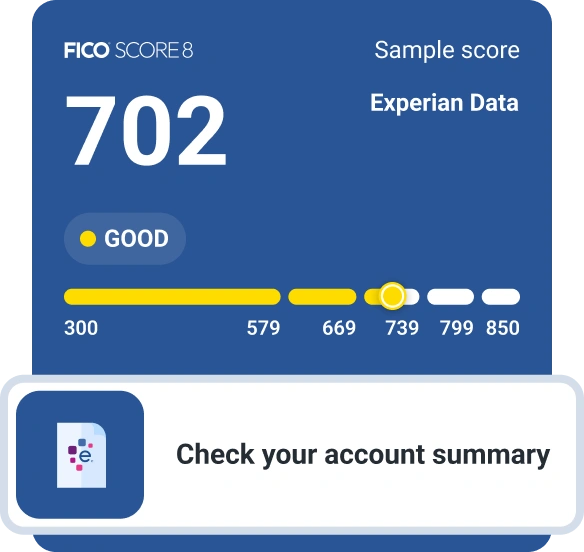
Checking your own credit won’t lower your credit scores.
View specific factors that are affecting your score and how to improve it.
Benefits of Having Tier 1 Credit
Having tier 1 credit not only makes it easier to get approved for a loan or credit card; it can also give you other advantages, including:
- Lower interest rates: Tier 1 credit borrowers generally qualify for the best interest rates lenders have to offer. Depending on the type of loan, this could translate to hundreds or even thousands of dollars in savings.
- Lower fees: If you're applying for a personal loan, for instance, you may be able to get approved with a lower origination fee, or even qualify for no upfront fee at all. You'll also be less likely to be charged a credit card annual fee without something to show for it, like premium rewards or perks.
- Faster processing: If you're in a lower credit tier, lenders may want to verify your income, ask for references or request other documentation before settling on an offer. With tier 1 credit, you're more likely to get through with automated underwriting.
- Higher credit limits: Credit card issuers are more likely to offer tier 1 credit borrowers a higher limit because they're more confident that they'll repay any debt they incur. Having more available credit helps reduce your credit utilization rate, which can further support a strong credit profile.
- Access to the best credit card offers: The credit cards with the richest rewards, low-interest promotions and travel perks are typically reserved for applicants in the highest credit tier.
Going beyond loans and credit cards, you're also more likely to avoid deposits on utility services, and you may also qualify for lower rates on an auto insurance or homeowners insurance policy.
Learn more: Why Do You Want a Good Credit Score?
How to Get Tier 1 Credit
If you're not getting the interest rates and credit card features you want, here are some steps you can take to work toward achieving excellent credit.
Pay Your Bills on Time
Payment history is the biggest factor in calculating your credit scores and, in turn, your credit tier. So, make paying your bills on time a top priority. Even a single late payment on your mortgage, credit card or other bill can drop your credit score significantly.
Learn more: How Long Do Late Payments Stay on a Credit Report?
Pay Down Debt
Your credit utilization rate is another major influence on your credit score. It's calculated by dividing the amount of revolving debt, such as credit card balances, you're carrying by your available credit. Scoring models typically do this with each individual card, as well as across all of your cards.
Some credit experts recommend keeping your utilization below 30%, but there's no magic number. People with excellent credit tend to have single-digit utilization.
Tip: Paying down credit card debt is easier said than done, but creating a budget and developing a debt strategy can help you get a concrete plan in place.
Apply For and Open New Credit Accounts Only as Needed
It may be tempting to apply for a loan or a credit card to finance a major purchase or take advantage of a promotional offer. But frequently applying for credit can take a toll on your credit score through multiple hard inquiries.
Before applying, carefully consider whether a new account is justified. Even if it is, try to space out applications by six months to give your credit score time to recover from each hard credit check.
Dispute Any Inaccuracies on Your Credit Reports
Check your credit reports with the three major credit bureaus (Experian, TransUnion and Equifax) for any information that shouldn't be there. Incorrect information may indicate fraud or identity theft.
If you find any inaccurate information, such as an account you don't recognize or an on-time payment incorrectly marked as missed, you have the right to file a dispute with the credit bureaus to get it resolved.
Achieving Tier 1 Credit Is Possible
If you don't have tier 1 credit, it's possible to attain it by developing good credit habits and practicing them consistently. Since tier 1 credit can qualify you for the best rates and terms on auto loans and other credit, reaching it can save you money for years to come, so it's a worthwhile goal.
With Experian's free credit monitoring tool, you can see where you currently stand, get insights for improving your credit and track your progress as you start making changes.
What’s on your credit report?
Stay up to date with your latest credit information—and get your FICO® Score for free.
Get your free reportNo credit card required

About the author
Ben Luthi
Ben Luthi has worked in financial planning, banking and auto finance, and writes about all aspects of money. His work has appeared in Time, Success, USA Today, Credit Karma, NerdWallet, Wirecutter and more.
Read more from Ben