
How Long to Wait Between Credit Card Applications

Quick Answer
- In general, wait at least six months between credit card applications to minimize the impact on your credit score.
- You may want to wait less time or more time, however, based on your individual credit profile, financial goals and spending habits.

A rule of thumb is to wait at least six months between credit card applications to protect your credit scores and avoid exceeding certain card issuer restrictions.
The ideal amount of time to wait between card applications depends on your circumstances. In general, however, several applications submitted within a short time frame could temporarily damage your credit scores.
If you're rebuilding credit or planning to shop for a mortgage, aim to put as much time as possible between credit card applications. And if you're applying for a new card because your last application was denied, that's likely a signal to improve your credit before applying again.
Here's how to determine the length of time to wait between applications for credit cards.
How Long Should I Wait Before Applying for Another Credit Card?
It's generally recommended to wait six months between credit card applications. A primary reason is that each credit card application results in a hard inquiry on your credit report. This notation, which shows potential creditors that you've applied for a loan or credit card, will remain on your credit report for up to two years but only affect your score for one year.
The impact of a hard inquiry lessens over time, and waiting six months can help ensure the previous hard inquiry will have a minimal effect on your ability to qualify for an additional credit card. Take into account the following factors to decide the amount of time that's right for your situation:
Credit Scores and Credit Profile
If you have good credit, a single hard inquiry likely won't have as large an impact as if you were already experiencing credit challenges. That means you can likely safely wait six months and still have a good chance at getting another card. But if your FICO® ScoreΘ is less than 670, consider waiting longer between applications to give your scores more time to improve.
Bank-Specific Rules
You may also have to wait to apply for a new credit card due to issuers' own restrictions. A particular bank may limit the number of its credit cards you can apply for within a certain timeframe. Or there may be other limits meant to prevent customers from applying for several credit cards to take advantage of their intro bonuses, known as credit card churning. You may only be able to get one American Express intro bonus in your lifetime, for example, or be unable to open a new Chase card if you've opened five or more credit cards within a 24-month period.
Financial Goals and Spending
It could be wise to wait longer than six months between applications if avoiding credit card debt would help you meet financial goals, like saving for a down payment or doubling down on retirement savings. More available credit means more potential to build a credit card spending habit, which could derail your budget and your ability to maintain an all-important emergency fund.
It's especially key to limit credit card applications in the six months to a year before you apply for a large loan like a mortgage or car loan. In these cases, the potential credit impact from a hard inquiry could prevent you from getting the lowest interest rates available. You may then pay more over time than if you'd skipped the credit card applications beforehand.
Best credit cards of 2026
Compare cards from our partners with intro bonuses, cash back or points offers, and annual fees as low as $0.
Offers from our partners
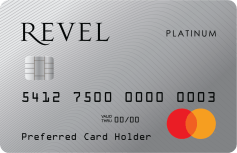
Revel® Platinum Mastercard®
Ongoing APR:35.90% Fixed
Annual Fee:$49 - $125
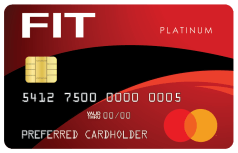
FIT™ Platinum Mastercard®
Ongoing APR:35.90% Fixed
Annual Fee:$99 first year; $125 thereafter

Credit One Bank® Secured Card
Ongoing APR:29.74% Variable
Annual Fee:$0

Costco Anywhere Visa® Card by Citi
Ongoing APR:18.99% - 26.99% (Variable)
Annual Fee:$0
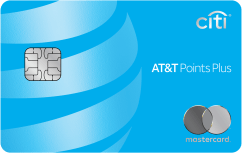
AT&T Points Plus® Card from Citi
Ongoing APR:19.74% - 27.74% (Variable)
Annual Fee:$0

Credit One Bank® Wander® American Express® Metal Card
Ongoing APR:29.74% Variable
Annual Fee:$95

Credit One Bank® Premier American Express® Unlimited Rewards Card
Ongoing APR:29.74% Variable
Annual Fee:$0

GO REWARDS® Credit Card
Ongoing APR:9.99% - 18% Variable
Annual Fee:$0
See all our best credit cards for 2026.
Why Multiple Credit Card Applications Pose a Credit Risk
Applying for multiple credit cards in a short time is an indication to the credit scoring models, and potential lenders, that you may be taking on debt you can't afford—leading to a higher risk you won't pay your creditors back. Here's how credit card applications, and getting a new card if you're approved, impact your FICO® Score:
Average Age of Accounts
Your length of credit history makes up 15% of your FICO® Score. It takes into account the age of your newest account, the age of your oldest account and the average age of all the accounts in your credit report.
In general, the longer the credit history and the more you've demonstrated responsible credit management, the better. Opening a new credit card account lowers your average account age and adds a brand-new account to your credit file, which can negatively impact your score.
Hard Inquiries
Multiple hard inquiries in a short time can be a sign that you're looking for new credit because you can't pay your bills without it, which is a red flag for lenders. Hard inquiries will show up on your credit report and affect your credit whether or not you're approved for a new credit card. They'll come off your credit report after two years and only affect your scores for one year.
Credit Utilization
Once you open a new credit card, your total available credit will go up because you'll have an additional credit line to charge to. Proportionally, that can reduce your current credit utilization rate, or the amount of available credit you're using, which can help your credit scores.
The problem arises if you start making substantial charges to the new card, and your utilization increases (along with your debt). This could increase your amounts owed, which makes up 30% of your FICO® Score, showing creditors there's a risk you can't manage credit properly and lowering your score. Aim to keep your credit utilization below 10% on your new card, and all your credit cards, to avoid credit damage.
How to Boost Your Odds of Approval for a New Credit Card
If you decide to apply for a new credit card, follow these guidelines to increase your chances of approval:
- Focus on your credit scores. Check your FICO® Score several months before you want to apply for a new card and see what factors are currently affecting it (like payment history, amounts owed or length of credit history). Address these in the lead-up to your application to increase your score. You may decide to keep your oldest credit card open, for example, rather than closing it, to bolster your length of credit history.
- Check your credit report for errors. View your credit report regularly, but certainly before applying for new credit, to make sure there aren't any errors affecting your score. If you see an incorrectly reported late payment, for example, you have the right to file a dispute with the credit bureau to have it removed.
- Get prequalified. When you get prequalified for a credit card, an issuer conducts a soft inquiry—which doesn't affect your credit scores—and lets you know whether you're likely to meet its eligibility requirements. This way, you can limit the number of hard inquiries that show up on your credit report and get a preliminary understanding of whether you'll be approved.
- Lower your debt-to-income ratio (DTI). Lenders look closely at your DTI, or the amount of your existing debt relative to your income, when determining whether to approve you. To strengthen your approval odds, pay off or reduce current credit card and loan balances or increase your income before applying. Lenders may then determine that you have enough space in your budget to take on a new monthly payment.
- Leverage existing relationships with banks. If your bank offers its own credit cards, consider applying for one of these—especially if your credit isn't in the good-to-excellent range. When you have accounts in good standing and a long, loyal relationship with the bank, it may be more likely to approve you than other issuers, even if you have had some credit hiccups in the past.
The Bottom Line
The ideal amount of time to wait between credit card applications depends on your credit scores and financial goals. But since lenders reward careful management of credit, use caution whenever you consider taking on a new credit card. That's especially true if you're thinking about applying for a mortgage or otherwise need to show as high a FICO® Score as possible.
If you're not sure where your credit stands, consider checking your FICO® Score and credit report for free from Experian. That will give you a better understanding of how much leeway you have to apply for a new credit card, and whether it's wise to wait until your score has improved. When you're ready, find a new credit card that might work better for you with Experian's card comparison platform.
Don’t apply blindly
Apply for credit cards confidently with personalized offers based on your credit profile. Get started with your FICO® Score for free.
See your offers
About the author

Brianna McGurran
Brianna McGurran is a freelance journalist and writing teacher based in Brooklyn, New York. Most recently, she was a staff writer and spokesperson at the personal finance website NerdWallet, where she wrote "Ask Brianna," a financial advice column syndicated by the Associated Press.
Read more from Brianna