 By Ben Luthi
How to Make a Debt Repayment Plan in 8 Steps
By Ben Luthi
Quick Answer
- List every debt in one place, then get on a budget.
- Choose a payoff strategy, like the debt snowball or debt avalanche method.
- Consider using other financial tools to manage your repayment plan.

If you're overwhelmed by debt, paying it all off can seem like a herculean task. But the right strategy can help you break it down into manageable steps and easier wins. You can create a debt repayment plan by listing all your debts, choosing a budget, settling on a payoff strategy and using the right financial tools. Here's how to get started.
1. List All Your Debts
Start by pulling the details of all of your accounts into one place so you'll have a better idea of what you're up against. For each debt, you'll want to gather the following information:
- Creditor
- Type of debt
- Current balance
- Annual percentage rate (APR)
- Minimum payment
- Due date
- Repayment term (where applicable)
- Current payment status
You can start by checking your credit report to get a list of outstanding debts. Then, log in to your online account with each creditor to get the full details of each account. Since medical bills typically won't show up on your credit reports until they're sold to a collection agency (if at all), it may also be helpful to check your bank statements for payments.
2. Make Sure Your Essentials Are Covered
Before you consider sending more money to your lenders, it's crucial to make sure that your basic needs are met. An aggressive payoff plan can collapse quickly if you aren't leaving enough for the essentials. These typically include:
- Housing: Depending on your housing situation, you may owe a rent or mortgage payment, property taxes and homeowners association dues.
- Utilities: This typically breaks down into electricity, gas, water, trash, sewer, phone and internet service.
- Transportation: If you own a vehicle, this will include the car payment, fuel or electricity, maintenance and repairs. If you use public transportation, you'll use your monthly transit fare.
- Insurance: That may include health, auto, renters, homeowners, life and disability insurance premiums. Note that if your premiums come out of your paycheck, you won't need to include them as part of your budget because they aren't part of your take-home pay.
- Food and care: You'll want to know your average expense for groceries, prescriptions and childcare.
- Minimum debt payments: This is just the minimum amount you owe on each debt, with no additional payments yet.
If your income is barely enough to cover your essentials and minimum debt payments, putting extra toward your debts will have to wait. If your income isn't enough for even these expenses, you may be eligible for one or more financial assistance programs.
3. Choose a Budget
If you're not already on one, now is an excellent time to create a budget. Start by reviewing your income and expenses over the last few months to get an idea of how much you earn and where your money goes.
As you categorize your expenses, you'll be able to identify areas of discretionary spending where you can cut back and allocate more money toward your debt repayment plan. Using a specific budgeting method can further help you manage your income in a way that works for you.
50/30/20 Budget
With a 50/30/20 budget, you put a maximum of 50% of your net pay toward essentials, a maximum of 30% toward discretionary expenses and at least 20% toward savings and debt payments. You may consider this one if you want some structure, but you don't want to keep track of every single purchase.
You can also adjust the percentages to meet your individual needs. For instance, if you want to really focus on paying down your debt, you could swap the 30% and 20% categories.
Zero-Based Budget
A zero-based budget assigns a job to every dollar you earn. As a result, your income minus expenses, savings and debt payments comes out to zero. This approach requires a lot more effort to set up and follow, but it could be beneficial if you prefer a more comprehensive approach.
Envelope Budget
Also called cash stuffing, the envelope budget works similarly to a zero-based budget, but with a more physical approach. You'll start by splitting your spending money into labeled envelopes for each category, like rent, groceries or dining out.
When an envelope is empty, that category is finished until next month. You can take cash from other envelopes, but then that leaves you with less money for that category. Consider doing this only with discretionary expenses.
4. Calculate How Much You Can Put Toward Debt Each Month
With a budget in place, you can find the dollar figure available for extra payments. The formula is straightforward:
It's important to keep savings contributions in your equation, even if you want to aggressively pay down debt. If you experience a financial emergency, such as a large car or home repair, you won't be able to ask for your extra payments back. Try to start with a cushion of at least $500 to $1,000 before you prioritize paying down your debt faster.
5. Set Debt Payoff Priorities
Now that you're ready to start tackling your debt, figure out where to put your extra payments first. Here are some factors that can help you decide:
- Past-due debts: Unpaid debts can do significant damage to your credit score, making them the top priority in most cases. Even if some damage has already been done, paying off a collection account or other past-due debt can help avoid further consequences, such as repossession, foreclosure or a lawsuit.
- Interest rates: High-APR balances, such as credit cards, tend to grow faster than other debts, especially with their low minimum payments. You can maximize your savings by targeting these balances first.
- Balance size: If you have small balances, paying them off quickly can get you some early wins and also free up more cash that you can put toward your next debt in line. This can be worth it, even if the account's interest rate is lower than others. If a card is near its limit, though, paying it down can lower your credit utilization rate and help improve your credit score.
6. Decide on a Debt Repayment Strategy
Beyond setting priorities, a few strategies can overhaul how you approach repayment from here. Each one speeds up the payoff process, saving time and money along the way. Whichever way you've prioritized your debt, one of these can work hand in hand with your approach.
Debt Snowball Method
With the debt snowball method, you'll start by paying the minimum amount on each debt. Then, you'll put any extra payments toward the loan or credit card with the lowest balance.
Once that account hits zero, its payment rolls into the next-smallest balance, so the amount you're putting toward each debt you're focusing on grows every time an account is paid off. You'll keep doing this until all of your debts are paid in full.
The debt snowball approach can be great for people who want to see meaningful progress early in the process, which can make it easier to stick to the plan.
Debt Avalanche Method
The debt avalanche method works similarly to the debt snowball approach. But instead of targeting the account with the lowest balance first, you'll focus on the account with the highest interest rate.
This strategy can potentially save you more on interest charges, but it could require more patience, especially if your highest-APR balance is also your largest.
Debt Snowflake Method
The debt snowflake method takes the small everyday savings you find and puts them straight toward your debts. That might be coupon savings at the grocery store, a subscription you split with a friend or cash back from a credit card. You can run it alongside the snowball or avalanche method for the most effect, or on its own.
7. Consider a Debt Consolidation Loan or Balance Transfer Credit Card
If your credit is in good shape, a debt consolidation loan or balance transfer credit card could help you accelerate your debt repayment plan and even save you money on interest charges along the way. Here's how they work and when they make the most sense.
Debt Consolidation Loan
A debt consolidation loan is a personal loan used to pay off high-interest debt, particularly credit cards. Personal loans offer set repayment terms, which can range from one to seven years. APRs typically range from around 6% to 36%, depending on your credit profile and income.
These loans can be worth considering if you need a structured repayment plan. That said, some personal loans charge an upfront origination fee of up to 10%, so take your time to shop around and compare multiple borrowing options.
Learn more: How Much Can I Borrow With a Personal Loan?
Balance Transfer Credit Card
Balance transfer credit cards offer introductory 0% APR promotions, allowing you to transfer debt and pay it off interest-free for up to 21 months in some cases. This option can be excellent if you're able to stick to your plan and pay off most or all of the debt within the promotional period.
Keep in mind, though, that these cards typically come with a balance transfer fee of 3% to 5%. Also, if you don't pay off the balance in full before the promotional period ends, the regular APR will kick in on the remaining amount.
Learn more: Is There a Limit on Balance Transfers?
Best balance transfer cards of 2026
Compare balance transfer offers from our partners with 0% APRs and generous introductory periods.
Offers from our partners

American Express Platinum Card®
Intro bonus:
As High As 175,000 points. Find Out Your Offer.
You may be eligible for as high as 175,000 Membership Rewards® Points after spending $12,000 in eligible purchases on your new Card in your first 6 months of Membership. Welcome offers vary and you may not be eligible for an offer.
Ongoing APR:See Pay Over Time APR
Rewards:
1x - 5x (Points per dollar)
Get more for your travels with 5X Membership Rewards® points on all flights and prepaid hotel bookings through American Express Travel®, including Fine Hotels + Resorts® and The Hotel Collection bookings. You earn 5X points on flights purchased directly from airlines or through American Express Travel® on up to $500,000 on these purchases per calendar year.
Annual Fee:$895

First Latitude Secured Mastercard® Cash Back Rewards
Ongoing APR:27.74% Variable
Rewards:
1% - 10% (cash back)
Earn up to 10% Cash Back on purchases at participating merchants that fit your lifestyle—from dining and grocery to retail and more—plus 1% Cash Back on payments made to your First Latitude Card.^^
Annual Fee:$0

Credit One Bank® Wander® American Express® Metal Card
Ongoing APR:29.99% Variable
Rewards:
1% - 10% (cash back)
Earn 5% cash back rewards on eligible dining, gas, & travel purchases, 1% cash back rewards on all other purchases, and 10% cash back rewards on eligible hotel and car rentals booked using the Credit One Bank travel partner. Cash back rewards will be awarded as rewards points redeemable for a statement credit, gift cards, travel, and more. Terms apply.
Annual Fee:$95

Marriott Bonvoy Brilliant® American Express® Card
Intro bonus:
100,000 Bonus Points
Earn 100,000 Marriott Bonvoy® bonus points after you use your new Card to make $6,000 in purchases within the first 6 months of Card Membership.
Ongoing APR:19.74%-28.74% Variable
Rewards:
2x - 6x (Points per dollar)
Earn 6X Marriott Bonvoy® points for each dollar of eligible purchases at hotels participating in Marriott Bonvoy. Earn 3X points at restaurants worldwide and on flights booked directly with airlines. Earn 2X points on all other eligible purchases.
Annual Fee:$650

Marriott Bonvoy Bevy® American Express® Card
Intro bonus:
85,000 Bonus Points
Earn 85,000 Marriott Bonvoy® bonus points after you use your new Card to make $5,000 in purchases within the first 6 months of Card Membership.
Ongoing APR:19.74%-28.74% Variable
Rewards:
2x - 6x (Points per dollar)
Earn 6X Marriott Bonvoy® points for each dollar of eligible purchases at hotels participating in Marriott Bonvoy®. Earn 4X points at restaurants worldwide and U.S. Supermarkets (on up to $15,000 in combined purchases at restaurants and U.S. supermarkets per calendar year, then 2X points). Earn 2X points on all other eligible purchases.
Annual Fee:$250
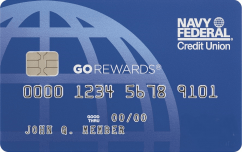
GO REWARDS® Credit Card
Ongoing APR:9.99% - 18% Variable
Rewards:
1x - 3x (Points per dollar)
When you open a GO REWARDS account, you'll earn 3x points on restaurants, 2x points on gas and 1x point on everything else
Annual Fee:$0
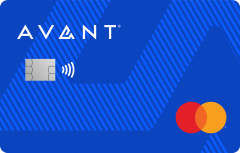
Avant® Cashback Rewards Mastercard®
Ongoing APR:35.99%*
Rewards:
1% (cash back)
Cash back will be awarded as points redeemable for a statement credit
Annual Fee:$75*
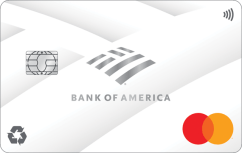
BankAmericard® secured credit card
Ongoing APR:26.24% Variable
Rewards:
N/A
N/A
Annual Fee:$0
See all our best balance transfer credit cards for 2026.
8. Research Debt Payoff Tools and Apps to Help
Debt payoff tools and apps won't pay your balances down for you, but they can help you keep track of your progress and offer encouragement. Here are a few types to consider:
- Debt trackers: Debt payoff apps keep every balance, APR and due date in one place and can project your payoff date under each strategy.
- Automation and round-up tools: These apps link to your checking account and can round up every purchase you make with a debit or credit card to the nearest dollar, which you can then put toward your debt.
- Budgeting apps with debt features: Some budgeting apps include debt payoff tools that can seamlessly integrate your repayment plan with the rest of your budget.
- Gamified trackers: These visual apps may turn progress into a bar, streak or milestone chart, which can make it easier to celebrate your wins and stay motivated.
Note that some of these apps are free to use, while others may charge a monthly or annual fee. A free app may work well enough, but if you want more features or have a complex financial situation, paying a modest fee could help you save more in the end.
The Bottom Line
Regardless of how you approach your debt repayment plan, it's important to monitor your credit, both to understand how your actions impact your credit score and to identify potential issues throughout the process.
With Experian's free credit monitoring service, you'll get access to your FICO® ScoreΘ and Experian credit report, and also get real-time alerts when changes are made to your report, so you can act quickly to resolve potential problems.
Find out what debts you owe
Your free credit report lists all your debts, such as credit card balances and loans, helping you create a plan to tackle your debt and improve your financial health.
Review your credit
About the author
Ben Luthi
Ben Luthi has worked in financial planning, banking and auto finance, and writes about all aspects of money. His work has appeared in Time, Success, USA Today, Credit Karma, NerdWallet, Wirecutter and more.
Read more from Ben