
 By Tim Maxwell
What to Do if You Miss a Payment
By Tim Maxwell
Quick Answer
If you miss a payment, make the payment as soon as possible, contact your creditor and see if they'll waive a late fee and take steps to avoid future missed payments.

It can happen to anyone, despite the most meticulous planning and best intentions. Maybe your card on file expired and caused an auto payment to fail. Or a busy stretch at work pushed bill-paying to the back of your mind. Whatever the reason, a missed payment can have lasting consequences—depending on how you handle it. This is especially true for credit cards, loans and other accounts that get reported to the credit bureaus.
If you slip up and miss a payment, taking these steps can help minimize the damage.
What to Do if You Miss a Payment
The best thing you can do if you miss a payment is act fast to avoid fees and limit the impact to your credit.
- Pay the bill right away. You'll want to pay the bill online, over the phone or in person, as these are generally the fastest ways to bring your account current. The most important thing is to pay what's owed within 30 days of the due date so a late payment isn't reported to the credit bureaus. You may still owe a late fee, but at least that's the extent of the damage.
- Contact your creditor. Confirm the payment has been made and then call customer service with your lender or creditor to update them of the situation and the newly made payment. If you have a clean payment history, many credit card issuers will waive your first late fee as a courtesy. Unfortunately, if the account is 30 days or more past the payment deadline, your payment will be considered delinquent and will likely be reported to the three major credit bureaus (Experian, TransUnion and Equifax).
- Monitor your credit report. Once a late payment appears on your credit report, it will remain there for seven years. You have the right to dispute inaccurate information, but accurate late marks can't be removed. If a late payment has been reported, send your lender a goodwill letter. It's a one-time request to have the late mark removed from your credit report, especially if it was an isolated mistake. It's not guaranteed, but it's worth the request if your payment history is otherwise strong.
- Set up safeguards to prevent future missed payments. Consider enrolling in autopay for at least the minimum payment on each of your credit card and loan accounts. Then, set calendar reminders a few days before each due date as a backup. Check in on your accounts every couple weeks to make sure automatic payments are going through and your card on file hasn't expired.
Be aware: If you miss two credit card payments, it can trigger a penalty APR, often 29.99% or higher on your balance and new purchases. If your rate increases because of late payments, your issuer is required under federal law to review your account and drop the penalty after six months of on-time payments.
Learn more: How Long Do Late Payments Stay on a Credit Report?
When Are Late Payments Reported?
Lenders typically report a payment as late once it's 30 days past due. As you might expect, the longer your payment is overdue, the greater the impact can be to your credit.
For example, a borrower with an excellent credit score could see their score drop by around 60 to 80 points after a single 30-day late payment. A 90-day late payment could drop the same score by 110 to 130 points. A late payment often hits an excellent score harder than a poor one because there's more good credit to lose while a lower score may already reflect credit issues.
Additionally, if an account remains delinquent for an extended period, typically 120 to 180 days, the creditor may charge off the account and sell it to a collection agency. This can add another negative mark to your credit report on top of the late payments and charge-off.
Any late payment on your credit report should fall off after seven years from the date of the missed payment. Fortunately, the effect on your credit score fades over time, especially if you bring the account current and pay on time going forward.
Learn more: When Do Late Payments Get Reported?
How to Improve Your Credit After a Late Payment
You can improve your credit after a late payment by making consistent, on-time payments and practicing smart credit habits. Here are some tips to improve your credit scores and avoid future missed payments.
- Set up autopay. Setting up automatic payments on your loan and credit card bills will help you avoid late payments and protect your credit. If you can swing the higher amount, select the option to pay the full balance before the due date to avoid interest charges and save money. If not, choose the minimum payment option. It'll take longer to pay off your balance, but it'll keep your account in good standing.
- Pay down high credit card balances. Your credit utilization rate, or the percentage of available revolving credit you're using, is the second biggest factor in your FICO® ScoreΘ. Experts often recommend keeping utilization under 30%, but lower is better. Borrowers with the highest scores typically keep theirs in the single digits. If your balances are running high, paying them down is one of the fastest ways to increase your score. Consider using a debt repayment strategy, such as the debt avalanche or debt snowball methods, to create a clear payoff plan.
- Open a credit-builder account or become an authorized user. If your credit is poor or thin, consider opening a new credit account, such as a credit-builder loan. Doing so could help you strengthen your payment history through on-time payments and improve your score. You could also ask a close friend or family member to add you as an authorized user on their credit card. Your credit may improve as long as you keep the account in good standing.
- Try Experian Boost®ø. Experian Boost is a free feature that lets you add positive payment history to your credit report from payments you already make. On-time phone, utility, insurance, streaming services and eligible rent payments could be added to your Experian credit report, potentially raising your FICO® Score.
Instantly raise your credit scoresø
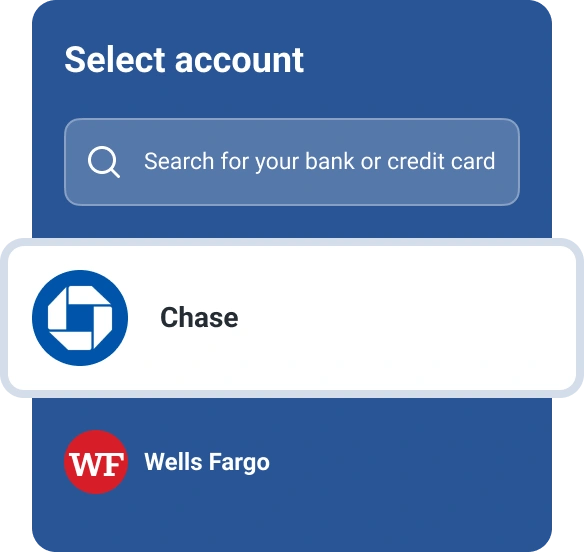
Add any bank accounts you use to pay your bills. Your information remains private.
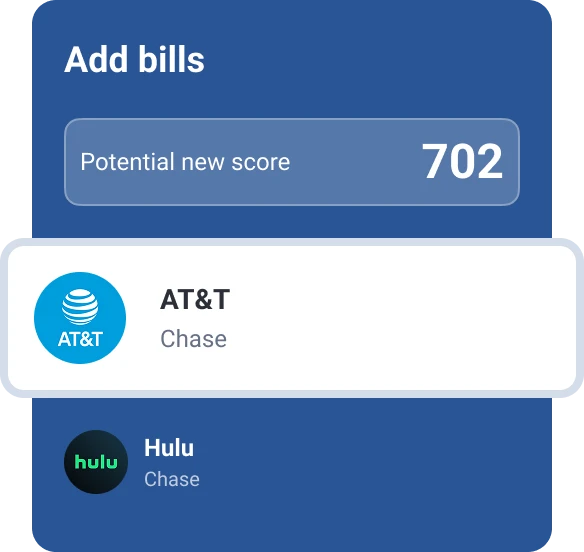
We’ll detect bills with on-time payments, and you can add them to your Experian credit file.
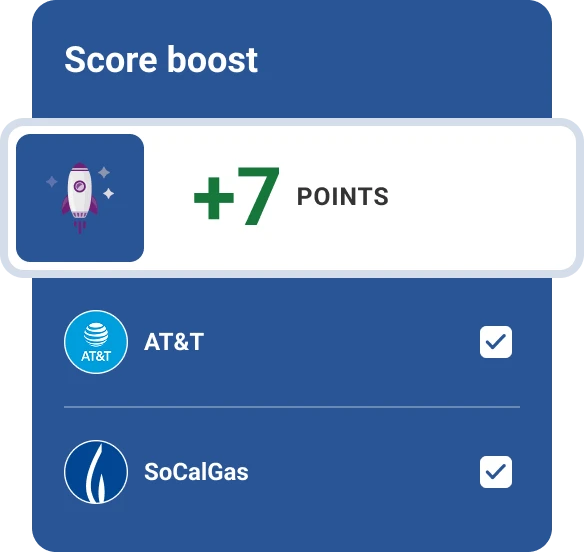
You’ll find out right away if your credit scores increased and by how many points.
Frequently Asked Questions
Protect and Improve Your Credit After Missing a Payment
If you miss a payment, the most important thing is to bring your account current as quickly as possible. If you pay within 30 days of the due date, the late payment shouldn't be reported to the credit bureaus.
If you miss a payment, you may want to know whether it was reported to your credit report and how much it affected your score. Consider signing up for Experian's free credit monitoring to check for new late-payment entries and see how your FICO® Score has changed over time.
Instantly raise your FICO® Score for free
Use Experian Boost® to get credit for the bills you already pay like utilities, mobile phone, video streaming services and now rent.
No credit card required

About the author
Tim Maxwell
Tim Maxwell is a former television news journalist turned personal finance writer and credit card expert with over two decades of media experience. His work has been published in Bankrate, Fox Business, Washington Post, USA Today, The Balance, MarketWatch and others. He is also the founder of the personal finance website Incomist.
Read more from Tim