
 By Jim Akin
Will Being an Authorized User Help My Credit?
By Jim Akin
Quick Answer
Becoming an authorized user on someone else’s credit card can help you build credit. In order to build a good credit score, the primary account owner needs to have a good credit score and responsibly manage the account.

Becoming an authorized user on someone else's credit card account can be a great way to establish or improve your credit history, provided the primary owner of the account has good credit management habits and solid credit scores. Here's what to know about becoming an authorized user and how it can help you begin building credit.
What Is an Authorized User?
An authorized user is a secondary account holder on a credit card. Authorized users receive a card with their name on it, and the account's credit limit and payment history will appear on the authorized user's credit report. This can give them a jump-start in establishing or building a credit history.
As an authorized user on a credit card, you can make purchases with the card (assuming the primary account owner agrees), but you are not responsible for paying the bill each month. The primary account holder will be able to see all your transactions and may ask you to reimburse them for charges, but they are solely responsible for making monthly payments on the account.
Compare top credit cards matched for you
See your current credit card offers based on your credit profile.
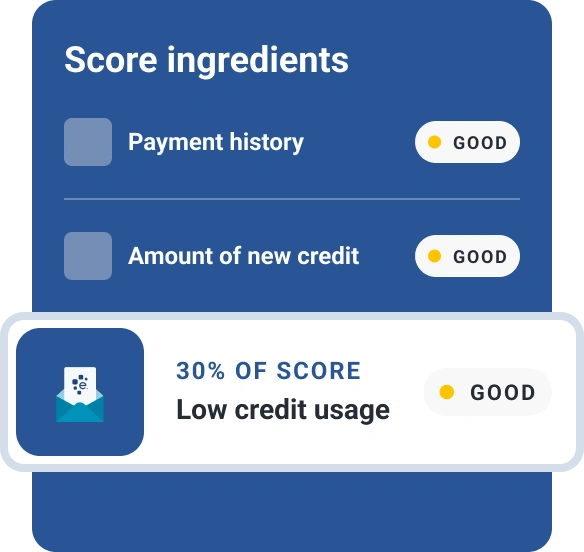
From cash back rewards to a low intro APR, compare your options.
Apply knowing you’re more likely to qualify with matched offers.
Who Can Be an Authorized User?
In many instances, a card owner can name anyone as an authorized user, including minor children. Some card issuers set a minimum age for authorized users, such as 13, but many card issuers have no minimum age requirement. Because the primary cardholder assumes responsibility for all charges made by authorized users, no credit application is required of an authorized user, nor are they subject to eligibility requirements such as credit checks or income declarations.
Will Being Added as an Authorized User Help My Credit?
Becoming an authorized user is typically most beneficial for new credit users or for individuals with credit scores that have been hurt by negative entries on their credit reports, such as late payments, recent bankruptcies or foreclosures. Becoming an authorized user can help your credit several ways, provided that the following two criteria are met:
- The primary user who adds you to their account has a strong, well-established credit history
- The issuer of the card in question reports account information to all three national credit bureaus (Experian, TransUnion and Equifax)—something you can verify by contacting the issuer
Here are some ways becoming an authorized user can help your credit
Establish or Extend Payment History
Payment history is the single most important influence on credit scores, responsible for about 35% of your FICO® ScoreΘ, the score used by 90% of top lenders. When an account to which you've been added as an authorized user appears on your credit reports, so does its payment history.
If you're brand new to credit, becoming an authorized user could add years of payments to your credit history. And, if those payments were all made on time, they can benefit your credit scores significantly.
Learn more: What Affects Your Credit Scores?
Reduce Utilization Rate
The percentage of your available revolving credit tied up in outstanding balances is known as your credit utilization rate. Credit utilization is responsible for about 30% of your FICO® Score.
Credit scoring systems such as the FICO® Score and VantageScore® credit score models consider the utilization rate for each of your credit cards and other revolving accounts, as well as your total utilization—the sum of all your revolving credit balances as a percentage of the sum of your credit limits. You should aim to keep both your total credit utilization and the utilization on each of your cards below 30%.
If you have balances on credit cards of your own, adding an authorized user account with a high credit limit and/or a low balance could lower your utilization rate and benefit your credit score.
- The total amount of credit available to you will increase by the amount of the unused credit on the authorized-user card.
- Your total outstanding balance will increase by the amount of the balance on the authorized-user account, too.
Example: Let's say you have one credit card in your own name. You have a $2,000 credit limit and an outstanding balance of $900. To find your credit utilization, you divide your balance by your total credit. Your credit utilization in this case is 45%.
Then, say you become an authorized user on a card with a $8,000 credit limit and a balance of $1,100. Your new credit utilization is equal to the sum of your balances divided by your total credit. So, in this case, that's ($900 + $1,100) / ($2,000 + 8,000). Simplifying, you get $2,000 / $10,000. That comes out to 20%. So, in this case, being added as an authorized user would lower your overall utilization ratio.
Be aware: Becoming an authorized user doesn't affect the balances on your other cards. But, it can still sometimes cause your overall utilization to drop significantly.
Add to Age of Accounts
Length of credit history, a measure that sums up your longevity and experience as a debt manager, accounts for about 15% of your FICO® Score. It's a calculation that encompasses the number of months since you opened your oldest credit account, the number of months since you opened your most recent account and the average ages of all your active credit accounts.
All other factors being equal, a credit user with a lengthy age of accounts will tend to have higher credit scores than one with a shorter age of accounts, so becoming an authorized user on an account that's older than any of your other ones could benefit your credit scores.
Learn more: How Does Length of Credit History Affect Credit Score
What Are the Risks of Being an Authorized User?
There are at least two potential drawbacks to becoming an authorized user on someone else's credit card: one involving the primary cardholder's credit habits, and the other concerning your own.
Inherited Missteps
Sharing a credit card with a less-than-reliable credit user could hurt you: If the account owner missed a scheduled payment by 30 days or more in the recent past (or might do so in the future), their credit scores will likely suffer and yours could as well. Experian doesn't include negative information such as late payments on authorized users' credit reports, so in this scenario, credit scores based on your Experian data wouldn't hurt you—but scores based on data from other credit bureaus might. Credit utilization, however, is noted on your reports and could have a positive or negative effect.
Tip: If a loved one is offering to add you to their card, it may be worth asking to see their credit report first. That can help you avoid inheriting a less-than-perfect credit history. Also, remember that you can always remove yourself from the account if you choose.
Resisting Temptation
Becoming an authorized user can mean a major increase in your credit limit, and all that newfound purchasing power can be hard for some people to resist. A major buying spree that runs up the utilization rate on the card could have negative consequences for the primary cardholder's credit, for your relationship with the cardholder and, possibly, for your own credit.
If you have trouble setting boundaries on your buying urges, be sure to talk with the primary cardholder about spending guidelines and consider becoming an authorized user on someone's card that allows the primary owner to set spending limits for authorized users.
How to Become an Authorized User
If you'd like to build your credit by becoming an authorized user on someone else's credit card, here's one approach:
- Ask to be added as an authorized user. Ask a loved one with a strong history of good credit management to add you to their account.
- Find out about fees. If the card has an annual fee, it would be a good gesture to offer to cover a portion of it in appreciation of the owner's sharing the account with you. Some cards also charge fees for adding authorized users and you should at least offer to cover them, if applicable.
- Establish spending boundaries. Have a conversation with the primary cardholder about how you'll use (or not use) the card. Will you have a monthly spending limit? A maximum total balance? Should you get permission for charges in excess of a certain amount? Clear communication about what spending is authorized will help you remain a well-regarded authorized user.
- Be clear about payments. Make sure you and the primary account owner understand how payments will work. If you will be responsible for your own purchases, will you cover them by making payments directly to the card issuer or by transferring funds to the primary account owner? How will you handle purchases you cannot pay in full in a single pay period (and the interest charges on them)?
- Monitor your credit scores. As you gain experience as an authorized user, check your credit scores regularly to track your credit-building progress.
- Plan for your next card. As your credit improves, think about getting a credit card in your own name and transitioning away from being an authorized user. You can review credit cards matched to your credit profile to get a sense of what you may be able to qualify for on your own. Before you ask the primary owner to remove you from the authorized-user account, make sure you understand how its absence will affect your credit utilization. You can stay on the account indefinitely if you and the primary account holder agree.
Other Ways to Build Credit
Becoming an authorized user is just one of many ways you can start building credit. Here's a list of tried-and-true techniques—whether you're just establishing credit or need to recover from a mishap:
- Secured credit card: If your credit history is too new or your credit scores too low to qualify for a credit card of your own, you can build credit with a secured credit card. To get a secured card, you'll put down a cash deposit that serves as some or all of your credit limit. (If you fail to pay what you owe, the card issuer can keep the deposit.) Charging purchases and repaying them, just as you would with an ordinary card, helps you establish a positive payment history and promotes credit score improvement.
- Credit-builder loan: A credit-builder loan can fortify credit scores and help you save some money. You borrow a modest sum, such as $300 to $3,000 depending on the financial institution, and the cash is placed in an inaccessible interest-bearing account. If you fail to make your payments (with interest), the lender keeps the money, but if you keep up with the installments over the loan's term, the payment history can benefit your credit scores and the contents of the account will be yours. Just make sure the lender reports payments to all three credit bureaus to benefit your scores the most.
- Credit-building debit card: The Experian Smart Money™ Digital Checking Account & Debit Card, available within an Experian membership, links to Experian Boost®ø to help you get credit for eligible bill payments you're already making. Payment history is the most important factor in calculating your FICO® Score, so Experian Boost could help you make strides in your credit.
Learn more: How to Build Credit: A Comprehensive Guide
Frequently Asked Questions
The Bottom Line
Becoming an authorized user on a credit card account owned by an experienced, reliable credit manager can be a great way to jump-start your credit history (or rebuild one that's seen better days). To get the most benefit, it's important to set clear ground rules from the beginning on how you'll each manage the account.
You can watch the impact of becoming an authorized user on your credit in real time, by signing up for free credit monitoring through Experian. You'll also get personalized insights on other steps you could take to improve your credit scores.
Instantly raise your FICO® Score for free
Use Experian Boost® to get credit for the bills you already pay like utilities, mobile phone, video streaming services and now rent.
No credit card required

About the author
Jim Akin
Jim Akin is freelance writer based in Connecticut. With experience as both a journalist and a marketing professional, his most recent focus has been in the area of consumer finance and credit scoring.
Read more from Jim