
Does Opening a Bank Account Affect Your Credit?

Quick Answer
In general, you cannot use a bank account to build credit. That’s because savings and checking account activity is not usually reported to credit bureaus, so it does not affect your credit scores. That said, some financial companies have introduced banking products with built-in features to help you build credit.

Bank accounts can help you protect and manage your money, but a bank account generally won't help you build credit because banking activity isn't typically reported to credit bureaus.
There are exceptions. Some fintech companies offer checking accounts or debit cards with features that help you get credit for certain bank account activity. However, these products are still relatively new and aren't the norm. So in most cases, banking activity won't affect your credit score.
That said, your bank account can indirectly benefit your credit by helping you pay bills on time or qualify for credit cards or loans. It can also hurt your credit if unpaid bank fees or overdrafts are sent to collections. Here's what to know about a bank account's impact on your credit score.
Do Bank Accounts Help You Build Credit?
For the most part, no, bank accounts generally don't help you build credit. That's because deposit accounts aren't typically reported to the credit bureaus.
Deposit accounts include:
These accounts are designed to perform transactions such as depositing and saving money, paying bills and making purchases. Because deposit accounts don't involve borrowing money, they generally aren't part of your credit history.
Accounts that involve borrowing money are typically reported to credit bureaus. These accounts may include:
- Credit cards
- Student loans
- Mortgages
- Personal loans
- Home equity loans
- Home equity lines of credit
- Auto, RV and motorcycle loans
- Cellphone financing loans
Having a bank account may help you qualify for loans in other ways. For example, reviewing your bank statement can make it easier for lenders to verify your income and cash flow when considering your loan application. But if a bank account helps you get approved for credit, that's different from the account itself building your credit.
Some financial services companies are trying to bridge this gap with bank accounts that can help build credit from your everyday banking activities. For example, the Experian Smart Money™ Digital Checking Account & Debit Card can help you build credit without debt by linking to Experian Boost®ø, which gives you credit for eligible bill payments after three months of payments. See terms at experian.com/legal.
Learn more: Accounts That Help Build Credit and Accounts That Don't
When Can Bank Accounts Affect Your Ability to Get New Credit?
Bank accounts usually don't affect your credit scores directly, but they can affect your ability to qualify for credit in some situations.
Mortgage Lenders May Review Your Bank Statements
As part of the approval process, mortgage lenders typically review your bank statements for signs of financial stability, such as:
- Consistent deposits showing stable income
- Sufficient cash reserves
- Fewer signs of financial stress
Solid finances can help you qualify for a mortgage, even though your bank account isn't part of your credit report.
Some Alternative Credit Scoring Models Use Banking Data
Some lenders use credit-scoring models that consider banking behavior, such as the UltraFICO® ScoreΘ. The UltraFICO® Score combines information from your traditional FICO® Score with bank account data that demonstrates responsible money management. For example, it considers:
- How long your accounts have been open
- Frequency and recency of transactions
- History of positive account balances
- How consistently your accounts have cash on hand
This type of scoring model hasn't been widely adopted, but if your lender uses it, your banking activity could play a larger role in lending decisions.
Negative Bank Account Activity Can Hurt Your Credit Score Indirectly
Managing your bank accounts poorly can indirectly damage your credit. For example:
- Unpaid bank fees, such as overdraft fees, could be sold to a collection agency, which appears on your credit report and negatively affects your credit score.
- If an automatic credit card or loan payment bounces because there isn't enough money in your account, you could miss a payment. If the missed payment is 30 days late or more, it could lower your credit score.
So while ordinary bank activity isn't usually reported to credit bureaus, problems tied to your bank account can create credit issues later.
Best secured cards of 2026
Compare secured cards from our partners that can help you build or rebuild your credit and earn cash back while you spend.
Offers from our partners

The opensky® Secured Visa® Credit Card
Ongoing APR:23.89% Variable
Rewards:10% (cash back)
Annual Fee:$35
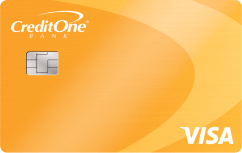
Credit One Bank® Secured Card
Ongoing APR:29.74% Variable
Rewards:1% (cash back)
Annual Fee:$0

First Latitude Secured Mastercard® Cash Back Rewards
Ongoing APR:27.49% Variable
Rewards:1% - 10% (cash back)
Annual Fee:$0
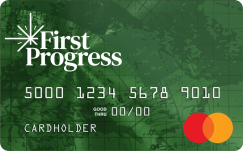
First Progress Prestige Secured Mastercard® Cash Back Rewards
Ongoing APR:13.49% Variable
Rewards:1% - 10% (cash back)
Annual Fee:$49
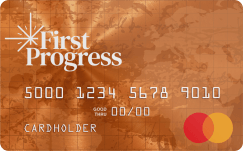
First Progress Select Secured Mastercard® Cash Back Rewards
Ongoing APR:17.49% Variable
Rewards:1% - 10% (cash back)
Annual Fee:$39
See all our best secured credit cards for 2026.
How to Build Credit
Although your bank account generally isn't part of your credit history, there are plenty of ways to build good credit, whether you are recovering from a setback or starting from scratch.
Use a Credit Card
Both secured and unsecured credit cards are common tools for building credit because they are generally reported to the credit bureaus. A secured credit card requires a refundable security deposit, which can make it easier to qualify if you have poor credit or a limited credit history. An unsecured credit card doesn't require a deposit.
No matter which type of card you use, the same positive habits can benefit your credit:
- Pay your bill on time every month. Payment history is the single biggest factor in your credit score.
- Use only a small portion of your credit limit. Ideally, aim to keep your credit utilization rate under 10%.
Reminder: Although many debit cards look like credit cards and can be used in the same places, debit cards and credit cards are not the same thing. Debit cards pull money directly from your bank account, so debit card activity is generally not reported to the credit bureaus.
Learn more: Best Secured Credit Cards
Become an Authorized User
Becoming an authorized user on someone else's credit card can help you build credit if the card issuer reports authorized user activity to the three consumer credit bureaus (Experian, TransUnion and Equifax). As an authorized user, you can make purchases with the card, but the primary cardholder is responsible for making the payments.
Your credit score will benefit most from an authorized-user account if the primary cardholder has a long history of managing the card responsibly. However, because you aren't responsible for making the payments, some lenders may place less weight on authorized-user accounts when evaluating your application for credit in your own name.
Learn more: Will Being an Authorized User Help My Credit?
Consider an Installment Loan
Installment loans can also help you build credit because they are generally reported to the credit bureaus and show how you manage fixed monthly payments over time. Examples include:
- Student loans
- Cellphone financing loans
- Credit-builder loans
- Auto loans
- Mortgages
If you're trying to establish or rebuild your credit, getting installment loans may be difficult. A credit-builder loan designed to improve your credit can help. With a credit-builder loan, you pay into a savings account each month and receive the balance when the loan is paid off. Making timely payments on the loan can benefit your credit score as long as the lender reports to all three credit bureaus.
Get Credit for Monthly Bills
Experian Boost could help you build credit by adding eligible monthly bill payments, such as insurance, utilities, rent and streaming services, to your Experian credit report. Your FICO® Score could see an immediate boost once your on-time payments are added to your report.
Frequently Asked Questions
The Bottom Line
Although bank accounts generally won't build credit, your bank account can help you manage your day-to-day finances to support good financial habits that can benefit your credit score. For instance, setting up automatic bill payments from your checking account can help prevent late payments that can damage your credit. Automating transfers into your savings account can painlessly build an emergency fund to handle unexpected expenses.
As you take steps to build or improve your credit, you can track your progress for free with Experian's credit monitoring service. You'll have access to your FICO® Score and get alerts of important changes to your credit usage that could signal fraud. It's an easy way to stay on top of your financial health.
Instantly raise your FICO® Score for free
Use Experian Boost® to get credit for the bills you already pay like utilities, mobile phone, video streaming services and now rent.
No credit card required

About the author

Karen Axelton
Karen Axelton specializes in writing about business and entrepreneurship. She has created content for companies including American Express, Bank of America, MetLife, Amazon, Cox Media, Intel, Intuit, Microsoft and Xerox.
Read more from Karen